Estimated read time: 8 min read
One Sentence Summary
When a seasoned Vermont midwife is accused of manslaughter after a difficult home birth ends in tragedy, her daughter must confront the complexities of truth, loyalty, and the boundaries of medical ethics.
Table of Contents
Introduction
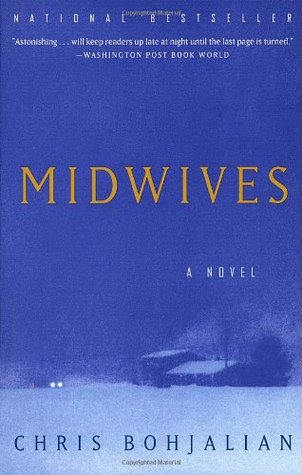
Imagine a snowy Vermont night, a farmhouse deep in the woods, and a birth gone disastrously wrong. Chris Bohjalian’s Midwives isn’t just a gripping medical drama—it’s a novel that shakes readers to their emotional core. Published in 1997 and selected for Oprah's Book Club, Midwives has captivated college students, lecturers, and casual readers alike with its exploration of trust, ethics, and the fragile boundary between life and death. Written with both suspense and compassion, the novel stands as a powerful examination of women’s autonomy, the complexities of motherhood, and the moral gray zones that health professionals face every day.
Historical Context
Set in rural Vermont during the late 1980s, Midwives draws on a time when home births were both cherished and controversial. The feminist movement had rekindled interest in natural childbirth, yet skepticism of non-hospital deliveries ran high among the medical establishment. Vermont’s tight-knit, sometimes insular communities come alive in Bohjalian's prose, mirroring real-life debates about women’s rights, medical authority, and alternative medicine.
Notable Inspiration:
Bohjalian, though not a medical professional, was inspired by local news stories and his fascination with the divide between traditional and modern medicine. His depiction of midwifery is meticulously researched, reflecting both the reverence and suspicion surrounding the practice in late 20th-century America.
Brief Synopsis
Plot Overview
Midwives tells the story of Sibyl Danforth, a skilled and respected midwife, whose life unravels after a harrowing home birth ends in tragedy. When a winter storm cuts off medical help, Sibyl is forced to make a fateful decision: perform a cesarean section on a mother she believes has died during labor. The baby survives, but questions swirl around whether the mother was truly dead—and if Sibyl is, in fact, guilty of manslaughter.
The narrative unfolds from the perspective of Sibyl’s teenage daughter, Connie, whose coming-of-age is entangled with her mother’s trial and the community’s polarized response. The novel wades into courtroom drama, ethical ambiguity, and the emotional turbulence of a family under siege.
Setting
The story’s heart beats in rural Vermont, where deep forests and snow-blanketed fields foster both isolation and intimacy. The Danforths’ farmhouse is a hub of life, learning, and, ultimately, crisis. The remote setting intensifies the stakes of the fateful night, highlighting the risks and rewards of home birth and the vulnerability of those living on society’s margins.
Main Characters
| Name | Role | Key Traits | Importance to Plot |
|---|---|---|---|
| Sibyl Danforth | Midwife, mother | Competent, caring, strong-willed | Central figure; her actions drive the entire narrative and trial |
| Connie Danforth | Sibyl’s teenage daughter, narrator | Inquisitive, loyal, conflicted | Provides perspective; her journey mirrors the novel’s emotional arc |
| Stephen Hastings | Sibyl’s husband, artist | Supportive, reserved, practical | Offers stability and emotional insight |
| Charlotte Bedford | Patient, mother-to-be | Vulnerable, trusting | Her death triggers the novel’s central conflict |
| Asa Bedford | Charlotte’s husband | Grieving, accusatory | His testimony and grief fuel community suspicion |
| Tom Den | Prosecutor | Stern, methodical | Drives the legal case against Sibyl |
| Hastings | Defense attorney | Clever, empathetic | Defends Sibyl, uncovering truths and doubts |
| Anne Austin | Nurse, Sibyl's friend | Loyal, practical | Offers support and testimony |
Plot Summary
Part 1: The Calm Before the Storm
Sibyl Danforth is more than just a midwife—she is a pillar of her rural Vermont community. Known for her skill and empathy, she has helped deliver hundreds of babies, earning the trust of mothers who seek a more personal, less clinical childbirth experience. Her teenage daughter, Connie, admires her fiercely, even as she struggles with typical adolescent anxieties.
Part 2: The Fateful Night
On a stormy winter night, Sibyl is called to assist Charlotte Bedford, a patient in labor at her remote farmhouse. As snow piles up, cutting off roads and phone lines, Charlotte’s labor becomes perilous. Despite Sibyl’s expertise, complications arise. When Charlotte appears to die during labor, Sibyl faces an agonizing choice. With no way to reach a hospital and the baby’s life at stake, she performs an emergency cesarean section, saving the infant.
Part 3: Aftershocks
Charlotte’s death shatters the community’s trust. Rumors spread, and Sibyl’s reputation—once unassailable—crumbles. An autopsy raises chilling doubts: Was Charlotte truly dead when Sibyl began the surgery? The ambiguity fuels outrage, and Sibyl is charged with manslaughter. Connie, reeling from both the trauma and the spotlight, watches her world unravel.
Part 4: The Trial
The legal battle is as much about ideals as facts. The prosecution paints Sibyl as reckless, her methods outdated and dangerous. The defense counters with stories of lives saved, the failings of the medical system, and the uniquely human side of midwifery. Connie’s testimony, memories, and emotional turmoil become crucial to the case’s outcome.
Part 5: Resolution
Without giving away the novel’s ultimate verdict, readers are left to grapple with lingering questions: What does it mean to do the right thing when every option carries risk? Where does professional duty end and personal conscience begin?
Themes and Motifs
Central Themes
- Medical Ethics: The novel probes gray areas in medicine, asking whether following rules is always synonymous with doing what’s right.
- Motherhood and Womanhood: Through Sibyl’s work and Connie’s coming-of-age, Midwives explores the power, vulnerability, and complexity of women’s lives.
- Trust and Betrayal: The community’s shifting loyalties spotlight how quickly admiration can turn to suspicion.
- Justice and Ambiguity: The trial underscores the elusiveness of truth and the limitations of legal systems in judging deeply human acts.
Motifs
- Snow and Isolation: The blizzard is both literal and symbolic, emphasizing vulnerability, suspense, and the chilling effects of judgment.
- Hands: Sibyl’s hands—so skilled, so trusted—become a motif for healing, but also for the potential to harm.
- Birth and Death: The thin line between beginnings and endings is a constant presence, reflected in both the plot and Connie’s narration.
Literary Techniques and Style
Bohjalian’s style is marked by clear, evocative prose and a keen eye for emotional nuance. Key techniques include:
- First-Person Narration: The story is told through Connie’s eyes, blending the innocence of youth with the wisdom of reflection.
- Nonlinear Structure: The narrative oscillates between past and present, courtroom and memory, deepening suspense and emotional resonance.
- Symbolism: Weather, setting, and body imagery reinforce themes of vulnerability, strength, and uncertainty.
- Realism: The medical and legal details are meticulously rendered, grounding the drama in plausible, relatable events.
Author's Background
Chris Bohjalian, born in 1961, is an acclaimed American novelist known for tackling social issues with empathy and nuance. His background as a journalist and his research-driven approach lend authenticity to his fiction. Other notable works include The Double Bind, The Sandcastle Girls, and The Flight Attendant. Midwives remains among his most studied novels, celebrated for its insight into family dynamics, women’s health, and the law.
Bohjalian’s impact is felt in classrooms and book clubs alike, where his work sparks discussions about ethics, justice, and the human condition.
Key Takeaways
- Midwives raises vital questions about medical responsibility and the ambiguity of right and wrong.
- The novel highlights the importance of empathy, both in healthcare and in community life.
- It demonstrates how quickly trust can erode—and the courage required to maintain it.
- Connie’s narrative reminds readers of the resilience found in family and self-discovery.
- The book invites readers to question their assumptions about authority, expertise, and gender roles.
Reader's Takeaway
Reading Midwives is like being caught in a blizzard with your moral compass spinning. You’ll feel the tension, fear, and hope of each character. More than a courtroom drama, it’s a meditation on trust, love, and the risks we take for those we care about. Whether you’re a student of literature, medicine, or life itself, the novel will leave you questioning where you’d draw the line between bravery and recklessness, between certainty and doubt.
Conclusion
Midwives by Chris Bohjalian is a literary storm—one that leaves readers changed, challenged, and deeply moved. Its blend of suspense, ethical inquiry, and emotional honesty makes it a must-read for anyone interested in the complexities of human nature and the fragile ties that bind us. Pick up this book if you crave a story that lingers long after the final page, and be prepared to see the world—and yourself—with new, more compassionate eyes.
Midwives FAQ
What is 'Midwives' by Chris Bohjalian about?
'Midwives' is a novel that tells the story of Sibyl Danforth, a midwife in rural Vermont, who faces a criminal trial after a birthing emergency leads her to perform a cesarean section on a woman she believes has died. The story is narrated by Sibyl’s daughter, Connie, and explores themes of motherhood, medical ethics, and the complexities of truth.
Is 'Midwives' based on a true story?
No, 'Midwives' is a work of fiction. While Chris Bohjalian was inspired by real-life issues surrounding midwifery and childbirth, the characters and events in the novel are not based on actual people or incidents.
Who is the main character in 'Midwives'?
The main character is Sibyl Danforth, a skilled midwife practicing in rural Vermont. Much of the story is told from the perspective of her teenage daughter, Connie.
What themes are explored in 'Midwives'?
'Midwives' explores themes such as motherhood, the complexities of medical ethics, the limits of professional competence, family dynamics, truth and perception, and the impact of legal proceedings on personal lives.
What genre does 'Midwives' belong to?
'Midwives' is a literary novel that blends elements of drama, legal thriller, and family saga.
Has 'Midwives' won any awards?
'Midwives' was a selection for Oprah's Book Club in 1998 and became a New York Times bestseller. It has received critical acclaim and was a finalist for the New England Book Award.
Is there a movie adaptation of 'Midwives'?
Yes, 'Midwives' was adapted into a television film in 2001, starring Sissy Spacek as Sibyl Danforth.
What is the setting of 'Midwives'?
The novel is set in rural Vermont during the 1980s, a region and era that play important roles in shaping the story’s atmosphere and conflicts.
Is 'Midwives' suitable for book clubs?
Yes, 'Midwives' is a popular choice for book clubs due to its compelling narrative, ethical dilemmas, and thought-provoking themes that spark discussion.
What is the narrative style of 'Midwives'?
'Midwives' is narrated in the first person by Connie Danforth, Sibyl’s daughter, who reflects on the events and their impact on her family and herself.