
Estimated read time: 5 min read
One Sentence Summary
A young girl learns about humanity's impact on the world through conversations with a telepathic gorilla.
Table of Contents
Introduction
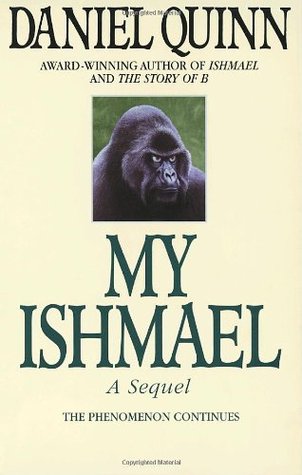
In "My Ishmael" by Daniel Quinn, the author continues the thought-provoking journey he began in his earlier novel, "Ishmael." Through the engaging dialogue between a young girl named Julie and her mentor, Ishmael, Quinn explores profound themes and offers unique insights into humanity's place in the world. This captivating book delves into the interconnectedness of life, the destructive patterns of civilization, and the potential for positive change.
Brief Synopsis
"My Ishmael" takes place in the late 20th century and follows the story of Julie Gerchak, a thirteen-year-old girl seeking answers to life's fundamental questions. After reading an advertisement in the newspaper that says, "Teacher seeks pupil. Must have an earnest desire to save the world," Julie embarks on a life-changing journey.
Julie's mentor turns out to be Ishmael, a telepathic gorilla who possesses profound wisdom and insight. Through their thought-provoking conversations, Ishmael guides Julie in exploring the destructive patterns of civilization and the potential for a different paradigm.
Main Characters
Here are the main characters in "My Ishmael":
| Character | Description |
|---|---|
| Julie Gerchak | A thirteen-year-old girl seeking knowledge and understanding |
| Ishmael | A telepathic gorilla with profound wisdom and insight |
| Alan Lomax | Julie's teacher who introduces her to Ishmael |
| Rachel Sokolow | A lawyer who helps Julie and Ishmael in their journey |
| Mr. Sokolow | Rachel's father, a successful businessman |
Summary of Different Story Points Over Chapters
Chapter 1-3: Teacher Seeks Pupil
Julie, intrigued by the newspaper advertisement, contacts the teacher, who turns out to be Ishmael. They begin their lessons, and Ishmael introduces Julie to the concept of the Takers and the Leavers, representing different human societies.
Chapter 4-6: The Story of Bena
Ishmael shares the story of Bena, a member of the Leaver culture, to further illustrate the differences between the Takers and the Leavers. Julie learns about the harmony and sustainability of the Leaver way of life.
Chapter 7-9: The Story of Attractor
Continuing with his teachings, Ishmael narrates the story of Attractor, a fictional Taker civilization. Julie gains a deeper understanding of the destructive patterns and unsustainable practices of the Takers.
Chapter 10-12: The Story of Mother Culture
Ishmael introduces Julie to the concept of Mother Culture, the dominant narrative that perpetuates the destructive Taker mindset. They discuss how it influences individuals and society as a whole.
Chapter 13-15: The Power of Myth
Ishmael and Julie delve into the power of myths and stories in shaping human culture. They explore the significance of cultural myths and how they can be reimagined to create a more sustainable world.
Chapter 16-18: The Revolution
Julie and Ishmael discuss the potential for a revolution in human thinking. They explore the importance of education and the need for individuals to take responsibility for changing the destructive patterns of civilization.
Main Events
- Julie responds to Ishmael's advertisement and begins her lessons with him.
- Ishmael shares stories of Bena and Attractor to illustrate the differences between the Takers and the Leavers.
- Julie learns about Mother Culture and its influence on human society.
- Ishmael and Julie explore the power of myths and stories in shaping culture.
- They discuss the potential for a revolution in human thinking and the importance of education.
Themes and Insights
1. Civilization and Sustainability
"My Ishmael" explores the destructive patterns of civilization and the need for a more sustainable way of life. It challenges the dominant narrative that perpetuates unsustainable practices and offers insights into how humanity can live in harmony with the natural world.
2. Education and Responsibility
The book highlights the importance of education in fostering positive change and encourages individuals to take responsibility for their actions. It emphasizes the need for critical thinking and questioning the status quo to create a better future.
3. Interconnectedness of Life
Quinn delves into the interconnectedness of all life forms and the impact of human actions on the planet. Through Ishmael's teachings, the book encourages readers to recognize their place in the web of life and consider the consequences of their choices.
Reader's Takeaway
"My Ishmael" is a thought-provoking and insightful book that challenges conventional wisdom and offers a fresh perspective on humanity's role in the world. It encourages readers to question the destructive patterns of civilization and consider alternative ways of living that are more sustainable and harmonious.
Conclusion
"My Ishmael" by Daniel Quinn takes readers on a journey of self-discovery and exploration of humanity's place in the world. Through the dialogues between Julie and her mentor, Ishmael, the book offers profound insights into the destructive patterns of civilization and the potential for positive change. Quinn's thought-provoking narrative invites readers to question their own beliefs and consider the interconnectedness of all life forms. "My Ishmael" is a captivating and enlightening read that challenges readers to imagine a better future for humanity and the planet.
My Ishmael FAQ
What is 'My Ishmael' about?
'My Ishmael' is a novel by Daniel Quinn that explores the themes of sustainability, societal change, and human nature. It is a continuation of Quinn's earlier novel, 'Ishmael', and follows a young girl named Julie who becomes the student of a telepathic gorilla named Ishmael.
Do I need to read 'Ishmael' before reading 'My Ishmael'?
While 'My Ishmael' is a continuation of the story started in 'Ishmael', it can be read as a standalone novel. However, reading 'Ishmael' first will provide a deeper understanding of the concepts and characters introduced in 'My Ishmael'.
What are the main themes explored in 'My Ishmael'?
Some of the main themes explored in 'My Ishmael' include environmental sustainability, the impact of human actions on the planet, the concept of cultural myths, the need for societal change, and the interconnectedness of all life.
Is 'My Ishmael' suitable for young readers?
'My Ishmael' contains complex themes and ideas that may be more suitable for mature readers. It deals with topics such as human nature, societal issues, and philosophical concepts. Parents and educators should consider the age and maturity of the reader before recommending the book.
What is the writing style of 'My Ishmael'?
Daniel Quinn's writing style in 'My Ishmael' is engaging and thought-provoking. He combines narrative storytelling with philosophical discussions to convey his ideas. The book is written in a conversational tone, making it accessible to a wide range of readers.
Are there any sequels or companion books to 'My Ishmael'?
While 'My Ishmael' is a sequel to 'Ishmael', Daniel Quinn did not write any further sequels or companion books specifically related to this series. However, he wrote other novels that explore similar themes, such as 'The Story of B' and 'Beyond Civilization: Humanity's Next Great Adventure'.
What are some other books by Daniel Quinn?
Daniel Quinn is a renowned author known for his thought-provoking works. Some of his other notable books include 'Ishmael', 'The Story of B', 'Beyond Civilization: Humanity's Next Great Adventure', 'Providence: The Story of a Fifty-Year Vision Quest', and 'The Holy'.
Where can I purchase a copy of 'My Ishmael'?
You can purchase a copy of 'My Ishmael' from various book retailers, both online and in physical stores. Some popular online retailers include Amazon, Barnes & Noble, and Book Depository. It is also worth checking local independent bookstores or library systems.
Has 'My Ishmael' received any awards or recognition?
While 'My Ishmael' did not receive any major literary awards, it has gained a dedicated following and has been praised for its thought-provoking themes and storytelling. It continues to be widely read and discussed by readers interested in environmental and philosophical literature.



