

Synopsis
Covers the whole plot, including the ending.
- Difficulty
- Medium
- Pacing
- Variable
- Mood
- Dark, Suspenseful, Atmospheric, Intense, Historical
- Read it if
- You enjoy complex, multi-layered thrillers with strong historical elements and a deep dive into Southern Gothic themes and racial injustice.
- Skip it if
- You prefer fast-paced, action-focused thrillers without extensive historical context or a large cast of characters.
Natchez Burning Plot Summary
Covers the whole plot, including the ending.
The Accusation and Penn's Return
The novel begins with Dr. Tom Cage, a respected physician in Natchez, Mississippi, arrested for the 1968 murder of Viola Turner, his Black nurse and mistress. Penn Cage, Tom's son and a former prosecutor, immediately returns to Natchez with his fiancée, Caitlin Masters, a journalist. Penn believes his father is innocent and that the accusation is a political attack by corrupt forces that have long controlled Natchez. The arrest shocks the community, threatening to expose long-buried secrets from its racially charged past. Penn quickly understands the depth of the conspiracy against his father, leading him on a dangerous path to find the truth.
Unearthing the Double Eagles
As Penn investigates, he finds evidence linking his father to the Double Eagles, a KKK splinter group responsible for unsolved murders and acts of terror in the 1960s. He learns that Tom, despite his progressive views, was forced into an alliance with the group, using his medical skills to treat their members while secretly trying to undermine them. This revelation complicates Penn's view of his father, making him confront the morally questionable choices Tom made to survive and protect his family in a segregated and dangerous society. The Double Eagles are led by some of Natchez's most prominent citizens, including the wealthy Brody Royal.
Caitlin's Investigation and the Threat
Caitlin Masters, Penn's fiancée, starts her own journalistic investigation into the Viola Turner murder and Natchez's racial history. Her inquiries quickly lead her to the Double Eagles, and she uncovers connections between the group and powerful community figures. Her persistent digging attracts the attention of the Double Eagles, who see her as a threat to their secrets. She is abducted and tortured by members of the group, including a sadistic individual known as the 'Archer.' Her ordeal shows the extreme lengths the Double Eagles will go to protect their past and silence anyone who tries to expose them, raising the stakes for Penn.
Tom's Confession and the Betrayal
Under pressure, Dr. Tom Cage finally tells Penn the full extent of his involvement with the Double Eagles. He reveals that he was forced to treat their members, using the opportunity to secretly gather intelligence for the FBI. He recounts a critical moment when he betrayed his handler, a Black FBI agent named James Wesley, to save his family from the Double Eagles. This betrayal led to Wesley's murder and Viola Turner's disappearance and presumed death, as she was also involved in intelligence gathering. Tom's confession paints a picture of a man caught between impossible choices, haunted by his past actions and the lives lost.
The Search for Wesley's Body
Guided by clues from his father and his own research, Penn, along with his childhood friend and former sheriff, John Kaiser, and other trusted allies, begins a desperate search for James Wesley's buried remains. Wesley's body holds crucial evidence that could clear Tom and expose the Double Eagles. Their search takes them to abandoned plantations and remote areas of the Mississippi Delta, places with a violent civil rights history. The hunt is dangerous, as the Double Eagles actively work to prevent the discovery of any evidence linking them to past crimes.
The Archer's Identity Revealed
Through his investigation, Penn uncovers the identity of the 'Archer,' the sadistic Double Eagle responsible for Caitlin's torture. The Archer is Brody Royal's son, Forrest Royal, a seemingly respectable member of the Natchez community who is deeply depraved. This revelation shows the hidden nature of the Double Eagles, whose members often hide behind normal appearances. The discovery strengthens Penn's resolve to bring the entire organization to justice, not only to clear his father's name but also to avenge Caitlin and prevent further suffering.
The Confrontation at the Royal Plantation
Penn, with new knowledge and determination, confronts Brody Royal and the surviving Double Eagles at the Royal Plantation, their secret headquarters. This confrontation is a tense and violent climax, with Penn facing the men who have terrorized Natchez for decades and nearly destroyed his family. He uses his legal skills and understanding of their history to challenge their power and expose their crimes, but the Double Eagles are formidable and ruthless, ready to kill to protect their secrets. The scene is a desperate struggle for truth and justice against overwhelming odds.
The Rescue of Caitlin and the Standoff
During the confrontation at the Royal Plantation, Caitlin Masters is found and rescued from captivity. Her rescue starts a brutal standoff between Penn, his allies, and the Double Eagles. The ensuing battle is chaotic and violent, with casualties on both sides. Penn, along with John Kaiser and others, fights desperately to protect Caitlin and escape the compound, while the Double Eagles use their full power. The standoff ends in a desperate struggle for survival, highlighting the lethal nature of the conspiracy Penn has uncovered.
The Betrayal and the Burning
In a shocking twist, one of Penn's seemingly trusted allies, someone deeply involved in the community, betrays him, further complicating the dangerous situation. This betrayal shows the widespread reach of the Double Eagles and the difficulty of knowing whom to trust in Natchez. Amidst the chaos and violence, the Royal Plantation is set on fire. Its destruction symbolizes the burning away of old secrets and the hope for a new beginning, but also the dangerous volatility of the situation. The fire consumes evidence and lives, leaving a charred landscape that reflects the emotional devastation experienced by the characters.
The Aftermath and Lingering Threats
Though the Royal Plantation is destroyed and some key Double Eagles are neutralized, the immediate aftermath shows that the organization's influence is deep and wide. Penn and his family are left to cope with the emotional and physical scars of their ordeal. While some justice is achieved, the novel concludes with the understanding that the fight against the systemic corruption and racial hatred of the Double Eagles is far from over. The lingering threats and the revelation that not all members of the conspiracy have been brought to justice set the stage for future installments in the trilogy, leaving Penn and Natchez in a precarious state.
Principal Figures
Penn Cage
Protagonist
A lawyer and former prosecutor determined to clear his father's name.
Penn Cage is a man driven by a profound sense of justice and loyalty to his family. A former prosecutor, he possesses a sharp legal mind and an unwavering moral compass. He returns to his hometown of Natchez, Mississippi, to defend his father, Dr. Tom Cage, against a murder charge. Penn is a complex character, forced to reconcile his idealized image of his father with the darker truths he uncovers about Tom's past and the town's history. His commitment to truth and justice often puts him in extreme danger, but he refuses to back down.
Relationships: Dr. Tom Cage (Son, defender); Caitlin Masters (Fiancée, investigative partner); John Kaiser (Childhood friend, ally)
Dr. Tom Cage
Supporting/Central Figure
Penn's father, a respected doctor accused of murder with a complex, hidden past.
Dr. Tom Cage is a revered physician in Natchez, known for his integrity and compassion. However, beneath his respectable facade lies a tormented past, deeply entwined with the Double Eagles and the racial violence of the 1960s. He is accused of murdering Viola Turner, his Black nurse, a crime he initially denies but later reveals a more complicated truth about. Tom is a man haunted by the impossible choices he made to protect his family, sacrificing his own peace and carrying immense guilt. His character embodies the moral ambiguities faced by those living in a segregated South.
Relationships: Penn Cage (Father, client); Viola Turner (Nurse, mistress, secret ally); Brody Royal (Antagonist, former acquaintance/coercer)
Caitlin Masters
Supporting
Penn's fiancée and a tenacious journalist who uncovers dangerous truths.
Caitlin Masters is a sharp, independent journalist and Penn Cage's fiancée. Her professional instincts compel her to investigate the Viola Turner murder, quickly drawing her into the dangerous web of the Double Eagles. She is courageous and determined, but her pursuit of the truth leads her into extreme peril, including abduction and torture. Her experience highlights the brutal reality of the forces Penn is fighting and adds a deeply personal stake to his mission. Caitlin's resilience and journalistic integrity are key drivers in exposing the conspiracy.
Relationships: Penn Cage (Fiancée, partner); Forrest Royal (the Archer) (Torturer, antagonist)
Brody Royal
Antagonist
The wealthy, powerful, and ruthless leader of the Double Eagles.
Brody Royal is the patriarch of one of Natchez's most influential families and the charismatic, yet utterly ruthless, leader of the Double Eagles. He embodies the insidious nature of systemic racism and corruption, using his wealth and power to control the town and hide his organization's violent past. Royal is a master manipulator, capable of presenting a respectable public face while orchestrating acts of terror and murder behind the scenes. He is fiercely protective of his family and his secrets, making him a formidable and dangerous adversary for Penn.
Relationships: Dr. Tom Cage (Coercer, antagonist); Forrest Royal (Father); Penn Cage (Primary antagonist)
John Kaiser
Supporting
Penn's childhood friend and former sheriff, now a loyal ally.
John Kaiser is Penn's loyal childhood friend and a former sheriff, a man of integrity who understands the dark undercurrents of Natchez. He is a steadfast ally to Penn, providing practical support, local knowledge, and unwavering loyalty in the face of grave danger. Kaiser represents the good, honest people of Natchez who have quietly suffered under the shadow of the Double Eagles. His experience as a lawman makes him invaluable in navigating the treacherous landscape of the investigation, and he often acts as Penn's moral and physical protector.
Relationships: Penn Cage (Childhood friend, ally)
Viola Turner
Supporting/Catalyst
Dr. Tom Cage's nurse and mistress, whose 1968 murder ignites the plot.
Viola Turner is the beautiful and intelligent Black nurse who worked for Dr. Tom Cage in the 1960s. She was also Tom's mistress and secretly involved in gathering intelligence against the Double Eagles alongside FBI agent James Wesley. Her disappearance and presumed murder in 1968 serve as the central mystery that propels the narrative. Viola represents the countless victims of racial violence and injustice during the Civil Rights era, and her story is crucial to understanding the historical context of Natchez's secrets. Her character exists primarily through flashbacks and the memories of others.
Relationships: Dr. Tom Cage (Nurse, mistress, co-conspirator); James Wesley (Co-conspirator, lover)
Forrest Royal (The Archer)
Antagonist
Brody Royal's sadistic son and a torturer for the Double Eagles.
Forrest Royal is Brody Royal's son, a seemingly respectable member of the Natchez community who secretly harbors extreme sadism and is known as 'the Archer' within the Double Eagles. He is responsible for the brutal torture of Caitlin Masters, embodying the most depraved and violent aspects of the KKK splinter group. Forrest represents the next generation of inherited hatred and violence within the Royal family, demonstrating how the legacy of the Double Eagles continues to corrupt. His character is a chilling portrayal of evil hidden beneath a veneer of normalcy.
Relationships: Brody Royal (Father); Caitlin Masters (Victim, torturer)
James Wesley
Supporting/Catalyst
A Black FBI agent investigating the Double Eagles, murdered in the 1960s.
James Wesley was a courageous Black FBI agent who infiltrated the Double Eagles in the 1960s, working covertly with Dr. Tom Cage and Viola Turner to expose their crimes. His brutal murder, orchestrated by the Double Eagles after a betrayal, is a pivotal event in the novel's backstory. Wesley represents the brave individuals who fought for civil rights and justice, often at the cost of their lives. His unrecovered body holds crucial evidence that Penn seeks, making him a posthumous, yet incredibly important, character whose story drives much of the present-day investigation.
Relationships: Dr. Tom Cage (Informant, handler); Viola Turner (Co-conspirator, lover)
Themes & Insights
The Weight of History and Unresolved Past
The novel explores how the violent and racist history of the American South, especially the Civil Rights era, continues to affect the present. The Double Eagles' secrets, buried for decades, erupt into the contemporary lives of the Cage family, showing that unresolved injustices demand attention. The landscape of Natchez, with its grand plantations and hidden burial grounds, reminds readers of this oppressive past. Dr. Tom Cage's lifelong guilt over his actions in the 1960s, and the town's silence, show how ignored history can become a destructive force.
“History is not dead. It is not even past. It is present, and it is a monster.”
Moral Compromise and the Price of Survival
A central theme is the difficult and often morally unclear choices people make to survive in oppressive situations. Dr. Tom Cage's decision to treat Double Eagles members while secretly informing, and his subsequent betrayal of James Wesley to protect his family, highlight the extreme pressures and ethical dilemmas faced by individuals caught in violent extremism. The novel examines the long-term psychological cost of such compromises, showing how they can haunt a person for decades and affect future generations. Penn struggles to accept his father's heroic image alongside the morally gray actions Tom took.
“Sometimes, to save the ones you love, you have to do things you can never forgive yourself for.”
Racial Injustice and Systemic Evil
Natchez Burning directly addresses the deep-seated racial injustice and systemic evil that permeated the Jim Crow South and continues to influence the present. The Double Eagles are not just individual bigots, but a powerful, interconnected network of wealthy and influential men who used violence and intimidation to maintain white supremacy and protect their economic interests. The novel exposes how law enforcement, political structures, and even respected institutions were complicit or actively involved in perpetuating racial terror, making the fight for justice difficult and dangerous, as seen in the murders of Viola Turner and James Wesley.
“Justice in Natchez wasn't blind; she had one eye open, and it was always looking out for the powerful white man.”
The Nature of Family Loyalty and Betrayal
The dynamics of family loyalty and the impact of betrayal are central to the story. Penn's strong loyalty to his father drives his investigation, even as he uncovers truths that shatter his perception of Tom. Conversely, Tom's betrayal of James Wesley, driven by a desperate desire to protect his own family, has catastrophic consequences. The theme also extends to the Royal family, where Brody Royal's ruthless protection of his son, Forrest, continues a cycle of violence. The novel explores the lengths to which individuals will go for family, for good and for ill, and the pain when trust is broken.
“Family was a bond forged in fire, but sometimes, that fire could burn you alive.”
Plot Devices & Literary Techniques
The Unreliable Narrator (Tom Cage's Initial Account)
Dr. Tom Cage initially withholds or distorts information, revealing truths gradually.
Dr. Tom Cage serves as an unreliable narrator, particularly in the initial stages of the investigation. He initially denies the murder and then slowly, agonizingly, reveals fragmented truths about his past involvement with the Double Eagles and the circumstances surrounding Viola Turner's disappearance and James Wesley's murder. This device creates suspense and forces Penn, and the reader, to constantly re-evaluate the facts and question the full extent of Tom's secrets. It highlights the profound guilt and fear that have silenced Tom for decades, making his eventual confessions more impactful and tragic.
Flashbacks and Historical Documents
Interspersed scenes from the 1960s reveal the backstory of the Double Eagles and specific events.
The narrative frequently shifts between the present-day investigation and detailed flashbacks to the 1960s, providing crucial historical context for the current events. These flashbacks, along with the discovery of old documents, letters, and FBI files, gradually piece together the story of the Double Eagles, Dr. Tom Cage's involvement, Viola Turner's activism, and James Wesley's undercover work. This device effectively builds suspense, deepens character motivations, and illustrates how the past directly impacts and explains the present-day conspiracy, immersing the reader in the racially charged atmosphere of the era.
The MacGuffin (Wesley's Body/Evidence)
The search for James Wesley's buried body drives a significant portion of the plot.
The buried body of FBI agent James Wesley, and the evidence it potentially holds, functions as a MacGuffin. Its discovery is presented as the key to exonerating Tom Cage and exposing the Double Eagles. The search for Wesley's remains provides a clear, tangible goal for Penn and his allies, propelling them into dangerous situations and through various locations. While the body itself is important, its primary function is to motivate the characters' actions, create urgency, and facilitate encounters with antagonists, driving the plot forward through a series of escalating challenges and revelations.
The Threat of Exposure
The Double Eagles' fear of their past being exposed fuels their violent actions.
The Double Eagles' primary motivation for their present-day violence and intimidation is the threat of their decades-old crimes being exposed. Penn Cage's investigation, and particularly Caitlin Masters's journalistic pursuit, directly threatens their carefully constructed lives and reputations. This device creates constant tension, as the reader understands that every step Penn takes closer to the truth puts him and those he loves in greater danger. The Double Eagles' desperation to maintain their secrets leads them to commit increasingly brutal acts, escalating the stakes throughout the novel.
Natchez Burning Quotes
“The past is a living thing. It breathes, it whispers, it demands to be heard.”
“Sometimes you have to break the law to do the right thing.”
“Hate is a cancer. It eats away at you from the inside, until there's nothing left.”
“There are secrets that want to stay buried, and then there are secrets that refuse to die.”
“The South remembers. It remembers everything, even what it tries to forget.”
“Courage isn't the absence of fear, it's the triumph over it.”
“The truth is rarely simple, and never convenient.”
“Some wounds never heal, they just scar over, waiting for the right moment to bleed again.”
“A man without a past is a man without a future.”
“Justice isn't always fair, but it's always worth fighting for.”
“The greatest evil often hides behind the most respectable masks.”
“Family can be a blessing and a curse, sometimes at the very same time.”
“The dead don't forget. They wait.”
“Sometimes the only way out is through.”
Quiz
10 questions on the plot and the characters. Each answer comes with a short explanation.
Question 1
What is the primary accusation against Penn Cage's father, Tom Cage, at the beginning of 'Natchez Burning'?
- Embezzlement from the local hospital
- Assaulting a former patient
- Murdering Viola Turner, a nurse he worked with
- Conspiring with local politicians
Show answer
C. Murdering Viola Turner, a nurse he worked with Tom Cage is accused of murdering Viola Turner, a nurse he worked with in the early 1960s, which sets the central conflict of the story.
Question 2
What is the name of the vicious KKK crew that Penn Cage uncovers in his investigation?
- The Black Knights
- The Silver Serpents
- The Double Eagles
- The Crimson Hoods
Show answer
C. The Double Eagles Penn's investigation leads him to uncover the Double Eagles, a vicious KKK crew involved in a conspiracy of greed and murder.
Question 3
In what Southern hamlet did Penn Cage grow up?
- Jackson, Mississippi
- New Orleans, Louisiana
- Vicksburg, Mississippi
- Natchez, Mississippi
Show answer
D. Natchez, Mississippi The story is set in and around Natchez, Mississippi, where Penn Cage grew up and where his father is accused of murder.
Question 4
What is Penn Cage's profession prior to his father's legal troubles?
- Police Detective
- Southern lawyer and former prosecutor
- Journalist
- Historian
Show answer
B. Southern lawyer and former prosecutor Penn Cage is described as a Southern lawyer and former prosecutor, making him well-suited to investigate his father's case.
Question 5
Approximately how far back in time does the bloody trail of the conspiracy Penn uncovers stretch?
- Ten years
- Twenty years
- Forty years
- Sixty years
Show answer
C. Forty years The synopsis states that Penn must follow a bloody trail that stretches back forty years, linking past and present crimes.
Question 6
What core values did Penn Cage learn from his father, Tom Cage?
- Ambition and wealth acquisition
- Honor and duty
- Skepticism and self-preservation
- Rebellion and defiance
Show answer
B. Honor and duty The text states that Penn learned 'everything he knows about honor and duty from his father, Tom Cage,' highlighting their strong moral foundation.
Question 7
What is a central theme explored through the interweaving of past and present crimes in 'Natchez Burning'?
- The futility of justice in a corrupt world
- The enduring legacy of racism and hidden truths in the South
- The power of individual forgiveness over collective memory
- The economic impact of historical events on small towns
Show answer
B. The enduring legacy of racism and hidden truths in the South The intertwining of crimes, lies, and secrets past and present, particularly involving a KKK crew, strongly suggests themes of historical racism, hidden truths, and their enduring impact.
Question 8
The KKK crew, the Double Eagles, is headed by what type of individual?
- A charismatic but poor preacher
- A former military general
- One of the wealthiest and most powerful men in the state
- An anonymous figure with no known public identity
Show answer
C. One of the wealthiest and most powerful men in the state The synopsis explicitly states the Double Eagles are 'headed by one of the wealthiest and most powerful men in the state,' indicating a deep-seated and influential evil.
Question 9
What does the phrase 'no one—black or white, young or old, brave or not—is ever truly safe' imply about the nature of the conspiracy Penn uncovers?
- The conspiracy is limited to specific individuals targeted for their actions.
- The threat of the conspiracy is pervasive and affects all segments of society.
- Only those directly involved in the historical events are at risk.
- Safety is purely a matter of individual courage and vigilance.
Show answer
B. The threat of the conspiracy is pervasive and affects all segments of society. This statement emphasizes the widespread and indiscriminate danger posed by the conspiracy, suggesting its reach extends beyond initial targets to impact the entire community.
Question 10
Why is 'Natchez Burning' considered the 'first installment in an epic trilogy'?
- It focuses on three distinct time periods, each a separate story.
- Its complex narrative of crimes, lies, and secrets past and present is too extensive for a single novel.
- The author prefers writing trilogies for all his books.
- Each book follows a different protagonist in the same setting.
Show answer
B. Its complex narrative of crimes, lies, and secrets past and present is too extensive for a single novel. The description highlights the book's scope, interweaving 'crimes, lies, and secrets past and present in a mesmerizing thriller,' implying a narrative too large and intricate to be fully resolved in one volume.
Natchez Burning FAQ
What is the central conflict that initiates the plot of 'Natchez Burning'?
The central conflict begins when Dr. Tom Cage, a respected Natchez physician and Penn Cage's father, is accused of murdering Viola Turner, a Black nurse he worked with in the early 1960s. This accusation forces Penn to investigate his father's past and the dark secrets of their Southern town.
Who is Penn Cage and what is his role in the story?
Penn Cage is a former prosecutor and a lawyer who returns to Natchez to defend his father, Dr. Tom Cage. He becomes the primary investigator, delving into the historical context of the murder accusation and uncovering a deep-seated conspiracy involving powerful figures.
What is the significance of the 'Double Eagles' in the narrative?
The Double Eagles are a violent, secretive offshoot of the Ku Klux Klan, operating in Natchez during the 1960s. They are central to the conspiracy Penn uncovers, responsible for numerous acts of terror, murder, and intimidation, and are led by some of the wealthiest and most influential men in the state.
How does the past intertwine with the present in the novel?
The novel intricately weaves the past with the present through Dr. Tom Cage's alleged crime, which forces Penn to investigate events from the 1960s. The historical injustices, racial violence, and secret societies of that era directly impact the contemporary characters and the unfolding mystery, revealing how unresolved historical trauma continues to plague Natchez.
What is the primary motivation behind the conspiracy Penn uncovers?
The primary motivation behind the conspiracy is a blend of racial hatred, greed, and the desire to maintain power and control. The Double Eagles used violence and intimidation to suppress the Black community and protect their illicit enterprises and political influence, which Penn discovers has long-lasting repercussions.
What is the true nature of Dr. Tom Cage's relationship with Viola Turner?
Dr. Tom Cage's relationship with Viola Turner was more complex than initially perceived. While they worked together, Viola was also a target of the Double Eagles due to her activism and knowledge of their crimes. Tom was trying to protect her, but his involvement put him in a dangerous position that decades later led to the murder accusation.
Who is Brody Royal and what is his connection to the Double Eagles?
Brody Royal is one of the wealthiest and most powerful men in Mississippi, and he is revealed to be the leader of the Double Eagles. His immense influence allowed the organization to operate with impunity for decades, covering up their crimes and manipulating the local justice system.
What role does the character of Henry Sexton play in Penn's investigation?
Henry Sexton is a journalist and historian who has been obsessively investigating the unsolved civil rights-era murders in Natchez for years. He provides Penn with crucial historical context, documents, and connections, becoming an invaluable, albeit often reluctant, ally in Penn's quest for the truth.
Are there any hidden symbols or motifs related to the 'burning' in the title?
The 'burning' in the title symbolizes the destructive force of racial hatred and the violent acts committed by the Double Eagles, such as the burning of crosses and homes. It also represents the burning desire for justice and the painful process of exposing long-buried secrets that threaten to consume the town.
How does Penn Cage's perception of his father evolve throughout the novel?
Penn's perception of his father undergoes a profound transformation. Initially seeing Tom as an honorable, unambiguous hero, Penn grapples with the possibility of his father's guilt and the moral compromises Tom made in the past. He eventually comes to understand the impossible choices his father faced in a deeply corrupt and dangerous environment.
What psychological impact does uncovering the town's dark history have on Penn?
Uncovering Natchez's dark history has a significant psychological impact on Penn, challenging his foundational beliefs about his hometown and the people he trusted. He experiences disillusionment, anger, and a heavy burden of responsibility, forcing him to confront the pervasive nature of evil and the sacrifices required to fight it.
How does the novel explore themes of moral ambiguity, particularly through Dr. Tom Cage?
The novel explores moral ambiguity through Dr. Tom Cage by revealing the difficult choices he made to protect his family and others in a time of extreme racial violence. His actions, while perhaps well-intentioned, involved secrets and compromises that blur the lines between right and wrong, forcing readers to question what constitutes heroism in a corrupt society.
What is the psychological toll on the Black community in Natchez, both historically and in the present?
The psychological toll on the Black community is immense, characterized by generations of fear, trauma, and a deep-seated distrust of the justice system. Historically, they endured constant terror and injustice, and in the present, the lingering effects manifest as a reluctance to speak out, a fear of reprisal, and a quiet resilience born of enduring hardship.
To what extent is Natchez itself a character in the story?
Natchez functions as a character itself, embodying the duality of Southern charm and deep-seated historical prejudice. Its beautiful facade hides a dark, violent past, and the town's collective memory, secrets, and power structures directly influence the characters' actions and the unfolding events, making it an oppressive force for justice.
Does the novel offer a definitive resolution to the historical injustices, or does it leave questions open for future installments?
'Natchez Burning' does not offer a definitive resolution to all historical injustices. While Penn uncovers significant truths and confronts powerful figures, the novel is the first in a trilogy, leaving many threads untied and hinting at the ongoing struggle for true justice and accountability, particularly regarding the full scope of the Double Eagles' crimes.
What is the significance of the novel being set in Mississippi, particularly regarding its historical context?
Setting the novel in Mississippi is crucial due to the state's deeply entrenched history of racial segregation, violence, and the civil rights movement. This historical context provides a fertile ground for exploring themes of racial injustice, the enduring legacy of the KKK, and the complex social dynamics that shaped the South.
How does the author use narrative tension to keep the reader engaged throughout such a lengthy and complex story?
The author maintains narrative tension through a multi-layered mystery that constantly reveals new twists and dangers. He interweaves past and present narratives, uses cliffhangers at chapter ends, and places Penn Cage in increasingly perilous situations, creating a sense of urgency and fear that propels the reader forward through the complex plot.
What message about justice and accountability does 'Natchez Burning' convey?
'Natchez Burning' conveys a powerful message that true justice often requires immense courage, personal sacrifice, and a willingness to confront uncomfortable truths, even if they implicate beloved figures or institutions. It suggests that accountability for historical wrongs is essential for healing, but also an arduous and ongoing battle against entrenched power and silence.
About the author

Greg Iles is an American author known for his fiction, particularly in the thriller genre. His notable works include "Natchez Burning," "The Quiet Game," "The Bone Tree," "Mississippi Blood," and "Sleep No More," which often explore themes of crime and Southern history. Iles's writing is characterized by intricate plots and deep character development.
Similar books
- A Time to Kill
John Grisham
4.1 (703k) average on GoodreadsThrillerLegal thriller set in the South, dealing with racial injustice and a father fighting for his family.
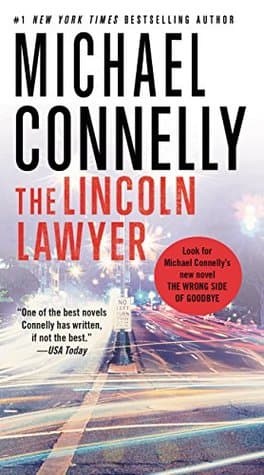
- The Lincoln Lawyer
Michael Connelly
4.2 (193k) average on GoodreadsThrillerFeatures a morally complex lawyer protagonist navigating a dangerous legal and criminal underworld.
- Mystic River
Dennis Lehane
4.2 (128k) average on GoodreadsThrillerExplores dark secrets, past traumas, and their impact on a community, with a strong sense of place.
- Angels & Demons
Dan Brown
3.9 (2.7M) average on GoodreadsThrillerA Harvard symbologist races through Rome's ancient sites, deciphering cryptic clues to unmask the Illuminati and stop a vengeful plot to destroy the Vatican with a stolen antimatter weapon.
- Gone Girl
Gillian Flynn
4.1 (2.3M) average on GoodreadsThrillerA wife's sudden disappearance on her fifth anniversary reveals a web of lies and psychological warfare, exposing the secrets within a seemingly perfect marriage.
- The Girl on the Train
Paula Hawkins
3.9 (2.1M) average on GoodreadsThrillerA woman’s fascination with a seemingly perfect couple she watches from her daily train commute leads her into a dark investigation when she witnesses something that shatters their idyllic image.





Enjoyed the summary?
A summary gives you the shape of the book. The book itself has the detail, the examples and the voice.
Find Natchez Burning on AmazonAs an Amazon Associate, BookBrief earns from qualifying purchases. How we're funded