
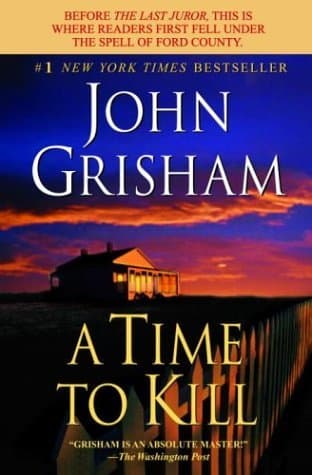
Synopsis
Covers the whole plot, including the ending.
- Difficulty
- Medium
- Pacing
- Fast
- Mood
- Suspenseful, Tense, Gritty, Provocative
- Read it if
- You enjoy intense courtroom dramas with high stakes, moral dilemmas, and explorations of racial injustice.
- Skip it if
- You prefer lighthearted stories or are sensitive to graphic descriptions of violence and racial slurs.
A Time to Kill Plot Summary
Covers the whole plot, including the ending.
The Crime in Ford County
In Clanton, Ford County, Mississippi, ten-year-old Tonya Hailey, an African American girl, is abducted and raped and beaten by two white men, Billy Ray Cobb and Pete Willard, after they force her off a dirt road. The men are drunk and high on drugs. They leave Tonya for dead, hanging from a tree, before dumping her in a creek. She is found alive by a truck driver. The crime sends horror through the predominantly white town, and the two perpetrators are quickly apprehended by Sheriff Ozzie Walls.
Carl Lee's Retribution
While Billy Ray Cobb and Pete Willard are being transported from the courthouse to the jail for their arraignment, Tonya's father, Carl Lee Hailey, ambushes the police escort. Using an M-16 rifle, Carl Lee shoots and kills both Cobb and Willard in the courthouse basement, wounding a deputy in the process. He then surrenders to Sheriff Walls. Carl Lee's act of vigilante justice ignites racial tension in Clanton, dividing the town and setting the stage for a sensational trial.
Jake Brigance Takes the Case
Despite the immense odds and potential for career ruin, Carl Lee asks Jake Brigance, a young, white lawyer who has previously represented Carl Lee, to defend him. Jake, feeling a moral obligation and a sense of injustice regarding Tonya's assault, accepts the case. His decision is met with skepticism and hostility from many in the community, including his own family, who fear for their safety and reputation in the racially charged atmosphere.
The Ku Klux Klan Arrives
News of Carl Lee's crime and the trial attracts the attention of the Ku Klux Klan, led by Freddie Lee Cobb (Billy Ray's brother). The Klan establishes a strong presence in Clanton, holding rallies, burning crosses, and openly intimidating the black community and anyone associated with Carl Lee's defense. Jake Brigance and his family become targets, receiving death threats and experiencing acts of vandalism, including the burning of Jake's office.
The Defense Strategy Emerges
Jake, overwhelmed by the case and the threats, enlists the help of several individuals: Lucien Wilbanks, his alcoholic former mentor; Harry Rex Vonner, a cynical divorce lawyer; and Ellen Roark, a law student. Together, they formulate a defense strategy based on temporary insanity, arguing that Carl Lee, traumatized by his daughter's ordeal, was not in his right mind when he committed the killings. This strategy aims to appeal to the jury's empathy, despite the clear premeditation of the act.
The Trial Begins
The trial begins with Judge Omar Noose presiding, a pragmatic but fair judge. District Attorney Rufus Buckley, an ambitious prosecutor, leads the state's case, seeking the death penalty for Carl Lee. The courtroom is packed daily, and the trial garners national media attention, turning Clanton into a focal point for racial debate. Security is tight, with armed guards present to prevent further violence from the KKK or any other groups.
Testimony and Threats
During the trial, the prosecution presents evidence of Carl Lee's premeditation. The defense, however, focuses on the details of Tonya's rape, calling witnesses like Dr. Wilbert Rodeheaver to describe her injuries and the psychological impact. Meanwhile, the threats against Jake and his family intensify. His house is shot at, and his daughter, Hannah, is nearly kidnapped by Klan members. Jake sends his family away for their safety, further isolating him.
The KKK's Violent Escalation
The KKK's presence in Clanton results in a series of violent acts. They bomb Jake Brigance's house, destroying it, though fortunately, his family is not inside. The bombing shows the danger Jake and his team face. In retaliation, the black community, led by Reverend Agee, organizes protests and prepares for conflict, further polarizing the town and increasing the pressure on the trial's outcome.
The Closing Argument
In his powerful closing argument, Jake Brigance does not dispute the facts of Carl Lee's actions. Instead, he asks the all-white jury to close their eyes and imagine Tonya Hailey's ordeal, then to imagine she is white. He challenges them to consider whether they would have acted differently if it were their own white daughter, appealing to their shared humanity and asking them to apply the same emotional understanding to a black father. It is a risky, emotionally charged plea for empathy.
The Verdict and Aftermath
After deliberation, the jury returns a verdict of not guilty by reason of insanity. Carl Lee Hailey is acquitted of murder, sending shockwaves through the courtroom and across the nation. While the verdict is controversial, it brings a sense of relief to many and a quiet victory for justice in the eyes of Carl Lee's supporters. The KKK's power in Clanton lessens, and though the town is scarred, it slowly begins to heal and move forward from the racial turmoil and violence that gripped it for weeks.
A Time to Kill Characters
Jake Brigance
Protagonist
Young, idealistic defense attorney defending Carl Lee Hailey.
Jake Brigance is a small-town lawyer in Clanton, Mississippi, struggling to make ends meet. He is characterized by his strong moral compass and a deep sense of justice, which compels him to take Carl Lee Hailey's case despite the enormous personal and professional risks. He is initially naive but grows significantly throughout the trial, developing resilience and a profound understanding of racial injustice and the complexities of the legal system. His journey is one of immense personal sacrifice and courage.
Relationships: Carl Lee Hailey (Client and friend); Carla Brigance (Wife); Hannah Brigance (Daughter); Lucien Wilbanks (Mentor and former law partner); Harry Rex Vonner (Friend and legal consultant); Ellen Roark (Legal assistant and ally)
Carl Lee Hailey
Central Figure/Defendant
Father who seeks justice for his brutally assaulted daughter.
Carl Lee Hailey is a hardworking, devout, African American mill worker and father of Tonya Hailey. After his daughter's horrific rape and beating, he is consumed by a desire for justice and revenge. His actions of killing his daughter's attackers are born out of intense grief, love, and a profound distrust in the white-dominated justice system to adequately punish the perpetrators. He is a quiet, stoic man whose internal suffering drives the entire narrative.
Relationships: Tonya Hailey (Daughter); Gwen Hailey (Wife); Jake Brigance (Defense attorney)
Rufus Buckley
Antagonist
Ambitious District Attorney prosecuting Carl Lee Hailey.
Rufus Buckley is the District Attorney of Ford County, a highly ambitious and politically motivated prosecutor. He sees Carl Lee's trial as a stepping stone to higher office and is determined to secure a conviction and the death penalty. He embodies the rigid, often racially biased, legal establishment and is unwavering in his pursuit of what he considers 'justice,' even if it means ignoring the mitigating circumstances of Carl Lee's actions. He is Jake's primary courtroom adversary.
Relationships: Jake Brigance (Opposing counsel); Judge Omar Noose (Presiding judge)
Judge Omar Noose
Supporting
Fair and pragmatic judge presiding over Carl Lee's trial.
Judge Omar Noose is the seasoned and respected judge overseeing Carl Lee Hailey's murder trial. He maintains a firm grip on the proceedings, navigating the intense racial tensions and legal complexities with a pragmatic and generally fair approach. While he upholds the letter of the law, he also demonstrates an understanding of the human element involved, making crucial rulings that shape the course of the trial and allow Jake Brigance to present his controversial defense.
Relationships: Jake Brigance (Defense counsel); Rufus Buckley (Prosecuting counsel)
Carla Brigance
Supporting
Jake's supportive yet fearful wife.
Carla Brigance is Jake's devoted wife and mother to their daughter, Hannah. She initially supports Jake's decision to defend Carl Lee but becomes increasingly terrified as the threats from the KKK escalate. Her fear for her family's safety and her plea for Jake to abandon the case highlight the immense personal cost of Jake's commitment to justice. Despite her anxieties, she remains a pillar of emotional support for Jake.
Relationships: Jake Brigance (Husband); Hannah Brigance (Daughter)
Lucien Wilbanks
Supporting
Jake's alcoholic, brilliant, and cynical former mentor.
Lucien Wilbanks is Jake's former law partner and mentor, now a brilliant but perpetually drunk and cynical lawyer. Despite his personal issues, Lucien offers invaluable legal advice, strategic insights, and a dose of harsh reality to Jake. He represents an older generation of southern lawyers, knowledgeable in the ways of the local courts and the racial dynamics, and his unconventional wisdom proves crucial to Jake's defense strategy.
Relationships: Jake Brigance (Former partner and mentor)
Harry Rex Vonner
Supporting
Jake's shrewd and well-connected divorce lawyer friend.
Harry Rex Vonner is a divorce lawyer and a close friend of Jake Brigance. He is shrewd, often crude, and possesses an extensive network of contacts within Clanton, making him a valuable source of information and practical advice. While primarily concerned with his own self-interest and survival, Harry Rex provides loyalty and support to Jake, often acting as a sounding board and a street-smart strategist for the defense team.
Relationships: Jake Brigance (Friend and legal consultant)
Ellen Roark
Supporting
Dedicated and intelligent law student assisting Jake.
Ellen Roark is a bright and dedicated law student who volunteers to assist Jake Brigance with Carl Lee's defense. She is intelligent, resourceful, and unafraid to challenge Jake's ideas, providing fresh perspectives and vital research. Her presence on the defense team underscores the broader interest and support for Carl Lee's case beyond Clanton, and she proves to be an indispensable asset in preparing the defense.
Relationships: Jake Brigance (Employer/Mentor)
Freddie Lee Cobb
Antagonist
Fanatical leader of the local Ku Klux Klan chapter.
Freddie Lee Cobb is the vengeful brother of Billy Ray Cobb (one of Tonya's attackers) and the fanatical leader of the local Ku Klux Klan chapter. He embodies overt racism and violence, using Carl Lee's actions as a rallying cry to terrorize the black community and intimidate anyone involved in the defense. His actions, including bombings and threats, represent the extreme opposition Jake and Carl Lee face.
Relationships: Billy Ray Cobb (Brother)
Sheriff Ozzie Walls
Supporting
Fair and diligent African American sheriff of Ford County.
Sheriff Ozzie Walls is the African American sheriff of Ford County. He is a professional, diligent, and fair-minded law enforcement officer who navigates the intense racial tensions with integrity. He is responsible for apprehending Carl Lee and maintaining order amidst the KKK's activities. Despite the racial divide, he is committed to upholding the law for all citizens, earning respect from both black and white communities.
Relationships: Carl Lee Hailey (Arresting officer); Jake Brigance (Professional acquaintance)
A Time to Kill Themes
Justice vs. Law
The novel explores the conflict between what is legally permissible and what feels morally right. Carl Lee Hailey's act, while illegal, is an understandable, if extreme, response to an unbearable injustice within a system perceived as biased. Jake Brigance's defense relies on appealing to a jury's sense of 'justice' over the strict 'law,' showing the inadequacy of legal frameworks to fully address moral grievances, especially in the context of racial inequality. The verdict questions whether true justice can always be found within the letter of the law.
“What if she was white?”
Racial Injustice and Prejudice
Racial prejudice is a central theme, present in every aspect of the story. From the assault on Tonya Hailey to the immediate assumption of guilt for Carl Lee, the racism of the American South is clearly depicted. The novel shows how racial bias influences the legal system, community reactions, and the threat of violence from groups like the KKK. Jake's struggle to secure a fair trial for Carl Lee confronts deeply entrenched racial inequalities and the legacy of racism.
“This is a black man killing two white men in a town where the Klan still marches.”
Vigilantism and Retribution
Carl Lee's decision to take justice into his own hands raises questions about vigilantism. The novel explores the motivations behind such acts — grief, a sense of powerlessness, and a lack of faith in the established system. While the narrative does not explicitly condone Carl Lee's actions, it provides a human context that makes his retribution understandable to many, forcing the audience to grapple with the moral complexities of an individual seeking vengeance when the system fails to deliver perceived justice.
“He waited for them. He planned it. He executed it. He killed them.”
Courage and Moral Conviction
Jake Brigance shows courage and moral conviction. Despite the personal danger, threats to his family, destruction of his home and office, and potential ruin of his career, Jake refuses to abandon Carl Lee. His commitment to his client and to his belief in a just outcome, even when unpopular and dangerous, highlights the power of individual moral strength in the face of societal pressure and fear. His courage inspires others.
“I will not quit him. I will not quit this case.”
The Power of Empathy
The climax of the novel, Jake's closing argument, shows the theme of empathy. By asking the jury to imagine Tonya Hailey as white, Jake attempts to transcend racial barriers and appeal to a universal human understanding of a parent's pain. This plea for empathy is designed to break through prejudices and allow the jury to connect with Carl Lee's emotional state, rather than just the facts of the law. It shows that empathy can be a potent force in achieving a deeper form of justice.
“Now imagine she is white.”
Plot Devices & Literary Techniques
The Closing Argument
A rhetorical device used to appeal to the jury's emotions and empathy.
Jake Brigance's closing argument is a pivotal plot device. It serves as the dramatic climax of the trial, where Jake, with nothing left to lose, makes a direct and controversial appeal to the all-white jury's empathy by asking them to imagine the victim, Tonya Hailey, as white. This rhetorical strategy aims to bypass racial prejudice and force the jurors to consider Carl Lee's actions from a universally human, parental perspective, thereby influencing their verdict more profoundly than legal technicalities might.
The Ku Klux Klan
An external antagonist representing overt racial hatred and violence.
The presence and actions of the Ku Klux Klan (KKK) serve as a major plot device, representing the extreme, overt racial hatred and violence that underpins the story's conflict. The KKK's intimidation, cross burnings, and ultimately the bombing of Jake's house, escalate the stakes for Jake and his family, providing constant external conflict and emphasizing the dangerous environment in which the trial takes place. They are a tangible manifestation of the racial prejudice Carl Lee and Jake are fighting against.
The Ford County Courthouse
The central setting symbolizing the battleground for justice.
The Ford County Courthouse is more than just a setting; it's a symbolic battleground. It represents the legal system itself, where justice is supposed to be dispensed, but also where racial biases and political ambitions play out. The basement where Carl Lee commits his act, the courtroom where his fate is decided, and the surrounding square where protests and Klan rallies occur, all highlight the courthouse as the epicenter of the town's racial and legal drama.
Media Frenzy
A narrative device that amplifies the trial's stakes and societal impact.
The intense media coverage of Carl Lee Hailey's trial is a significant plot device. It elevates the local tragedy into a national spectacle, highlighting the broader societal issues of race and justice. The media's presence brings external pressure, scrutiny, and public opinion to bear on the proceedings, influencing the actions of the prosecution, defense, and even the judge. It underscores the high stakes of the trial, not just for Carl Lee, but for the racial discourse of the entire nation.
A Time to Kill Quotes
“I want to tell you a story. It's about a little girl walking home from the grocery store one sunny afternoon.”
“He was a father first, a killer second.”
“In Mississippi, justice is a little different.”
“You can't kill a man for what he might do.”
“The law is the law, but sometimes the law is wrong.”
“We are all victims of our own prejudices.”
“A man's home is his castle, and he has the right to defend it.”
“The truth is rarely pure and never simple.”
“In the eyes of the law, all men are created equal, but in the hearts of men, they are not.”
“Sometimes you have to fight fire with fire.”
“The jury is the conscience of the community.”
“Fear is a powerful motivator, but so is love.”
“You can't change the past, but you can damn sure learn from it.”
“In the end, we are all just trying to do what we think is right.”
Quiz
10 questions on the plot and the characters. Each answer comes with a short explanation.
Question 1
What is the name of the ten-year-old girl whose brutal assault sets the main plot in motion?
- Sarah Brigance
- Tonya Hailey
- Ellen Roark
- Carla Brigance
Show answer
B. Tonya Hailey Tonya Hailey is the young black girl who is raped and beaten by two white men, Billy Ray Cobb and Pete Willard. Her father Carl Lee Hailey's subsequent revenge killing of these men forms the central conflict of the novel.
Question 2
What weapon does Carl Lee Hailey use to kill the two men who assaulted his daughter?
- A handgun
- A shotgun
- An assault rifle
- A knife
Show answer
C. An assault rifle Carl Lee Hailey uses an M-16 assault rifle to shoot Billy Ray Cobb and Pete Willard in the courthouse, which he had obtained from a relative. This specific weapon choice is mentioned in the book's description and is central to the plot.
Question 3
What is the name of the small Mississippi town where the story takes place?
- Oxford
- Jackson
- Clanton
- Biloxi
Show answer
C. Clanton The story is set in the fictional town of Clanton, Mississippi, which serves as the backdrop for the racial tensions and courtroom drama that unfold throughout the novel.
Question 4
Why does Jake Brigance initially hesitate to take Carl Lee Hailey's case?
- He believes Carl Lee is guilty and deserves punishment
- He fears it will damage his reputation and career
- He worries about the racial tensions and potential violence
- He lacks experience with murder cases
Show answer
C. He worries about the racial tensions and potential violence Jake Brigance is concerned about the intense racial divisions in Clanton and the potential for violence, including threats to his own safety, which materialize as cross burnings and sniper fire during the trial.
Question 5
What legal strategy does Jake Brigance primarily use in defending Carl Lee Hailey?
- Claiming self-defense
- Arguing temporary insanity
- Proving police misconduct
- Appealing to jury nullification
Show answer
B. Arguing temporary insanity Jake Brigance argues that Carl Lee Hailey was temporarily insane at the time of the killings due to the trauma of his daughter's assault, aiming to secure an acquittal based on this defense rather than justification of the murders.
Question 6
Who is the wealthy, reclusive businessman who secretly funds Jake's defense efforts?
- Lucien Wilbanks
- Harry Rex Vonner
- Noah Cross
- Emmett Long
Show answer
D. Emmett Long Emmett Long is a wealthy local businessman who provides financial support for Jake's defense, helping cover expenses like expert witnesses, which is crucial given the case's high costs and Jake's limited resources.
Question 7
What role does Ellen Roark play in the story?
- She is the prosecuting attorney
- She is a journalist covering the trial
- She is a law student who assists Jake with research
- She is Carl Lee Hailey's wife
Show answer
C. She is a law student who assists Jake with research Ellen Roark is a bright law student from Harvard who volunteers to help Jake Brigance with legal research and case preparation, becoming an integral part of the defense team and developing a complex relationship with Jake.
Question 8
What significant event occurs during the trial that heightens tensions in Clanton?
- A bomb threat at the courthouse
- The kidnapping of Jake's daughter
- The burning of a cross on Jake's lawn
- A riot breaks out in the town square
Show answer
C. The burning of a cross on Jake's lawn The Ku Klux Klan burns a cross on Jake Brigance's lawn as intimidation, symbolizing the racial hatred and threats he faces for defending a black man, which escalates the danger and stress of the case.
Question 9
How does the novel explore the theme of 'justice versus revenge'?
- By showing the legal system always prevails over vigilante actions
- By contrasting Carl Lee's actions with the failed prosecution of his daughter's attackers
- By depicting Jake as a purely moral character who rejects revenge
- By having the town unanimously support Carl Lee's revenge
Show answer
B. By contrasting Carl Lee's actions with the failed prosecution of his daughter's attackers The novel delves into this theme by presenting Carl Lee's revenge killing as a response to the perceived inadequacy of the legal system in delivering justice for his daughter, forcing characters and readers to grapple with the blurred lines between justice and revenge in a racially charged context.
Question 10
What is the outcome of Carl Lee Hailey's trial?
- He is found guilty and sentenced to death
- He is found not guilty by reason of insanity
- The case ends in a mistrial
- He pleads guilty to a lesser charge
Show answer
B. He is found not guilty by reason of insanity After a dramatic trial, the jury acquits Carl Lee Hailey on the grounds of temporary insanity, influenced by Jake's emotional closing argument that asks jurors to imagine if the victim were white, highlighting the racial dimensions of the case.
A Time to Kill FAQ
What is 'A Time to Kill' about?
The novel centers on Carl Lee Hailey, a Black man in Clanton, Mississippi, who murders the two white men who brutally raped and attempted to murder his 10-year-old daughter, Tonya. Defense attorney Jake Brigance takes on Carl Lee's case, navigating intense racial tensions, threats from the KKK, and a hostile community as he fights for a not-guilty verdict by reason of insanity.
Why should I read 'A Time to Kill'?
It's a gripping, thought-provoking courtroom drama that explores themes of racial injustice, vigilante justice, and moral ambiguity in the Deep South. Grisham's debut novel combines intense legal suspense with deep social commentary, making it both a page-turner and a powerful examination of prejudice and retribution.
What is the background/setting of 'A Time to Kill'?
The story is set in the fictional town of Clanton, Mississippi, in the 1980s, a time and place where racial divisions run deep. The small Southern town becomes a microcosm of America's racial struggles, with the Ku Klux Klan re-emerging, cross burnings, and sniper attacks escalating tensions during the trial.
What are the most memorable quotes?
Key quotes include Jake Brigance's closing argument: 'Can you see her?', urging the all-white jury to imagine Tonya Hailey as their own daughter, and Carl Lee's defiant statement: 'I had a time to kill.' These lines encapsulate the novel's emotional core and moral dilemmas.
What writing style does the author use?
Grisham employs a direct, fast-paced narrative with sharp dialogue and detailed legal procedures, characteristic of legal thrillers. His prose is accessible yet tense, balancing courtroom drama with vivid depictions of Southern life and racial conflict to drive the plot forward relentlessly.
What minor details add significant meaning?
The repeated imagery of burning crosses and sniper fire symbolizes the pervasive racial hatred in Clanton, while small acts like Jake's secretary, Ethel, quitting due to fear highlight the personal costs of taking a stand. The town's divided reactions to the crime—from horror to support for Carl Lee—reveal deep-seated societal fractures.
What are some subtle foreshadowing moments?
Early scenes of racial tension in Clanton, such as casual bigotry among townspeople, foreshadow the violent backlash during the trial. Jake's initial reluctance to take the case hints at the personal dangers he'll face, and mentions of the KKK's presence subtly predict the cross burnings and attacks that follow.
What unexpected character connections exist?
Lucien Wilbanks, a disbarred lawyer and mentor to Jake, provides crucial behind-the-scenes support, linking Jake to unconventional legal strategies. Ellen Roark, a law student from Ole Miss, assists Jake pro bono, forming an alliance that challenges the town's conservative norms and adds intellectual depth to the defense.
What are unspoken character motivations?
Carl Lee's actions are driven not just by revenge but by a desperate need to protect his family in a system he distrusts. Jake Brigance is motivated by a mix of idealism, ambition, and a personal sense of justice, while prosecutor Rufus Buckley seeks conviction to advance his political career, reflecting selfish ambitions beneath the surface.
What psychological complexities do characters exhibit?
Carl Lee grapples with guilt and justification for his vigilantism, while Jake faces moral ambiguity as he defends a man he sympathizes with but questions legally. Supporting characters like Sheriff Ozzie Walls navigate loyalty to the law versus community pressures, showcasing internal conflicts amid external chaos.
What are the major emotional turning points?
Key moments include Tonya's traumatic attack, which ignites the plot; Carl Lee's shooting of the rapists in the courthouse, shocking the town; Jake's house being firebombed by the KKK, escalating personal stakes; and the jury's verdict, which delivers a cathartic but complex resolution to the racial and legal tensions.
How do relationship dynamics evolve?
Jake and Carl Lee's relationship shifts from attorney-client to one of mutual respect and shared risk. Jake's marriage strains under the trial's pressures, while his alliance with Ellen Roark grows from professional to deeply trusting. The town's divisions harden, with some supporting Carl Lee and others fueling racial hatred.
Which parts remain ambiguous or open-ended?
The novel leaves ambiguous whether Carl Lee's acquittal represents true justice or merely emotional appeal, and it doesn't fully resolve the town's racial tensions, hinting at ongoing strife. Jake's future and the long-term impact on Clanton are left uncertain, inviting readers to ponder the broader societal implications.
What are controversial scenes or decisions?
Carl Lee's premeditated murder of the rapists in the courthouse sparks debate on vigilante justice versus legal process. The all-white jury's not-guilty verdict is controversial, seen by some as rightful empathy and by others as jury nullification. The KKK's violent tactics and the town's divided responses also provoke strong reactions.
'A Time to Kill' ending explained: how it ends & what it means
The novel ends with Carl Lee acquitted by reason of insanity, but he and Jake face ongoing threats from the KKK. The verdict suggests that in extreme cases, moral justice can override strict legalism, yet it leaves questions about racial reconciliation and the cycle of violence in Clanton, emphasizing that true change remains elusive.
About the author

John Grisham is an American author known for his legal thrillers. His notable works include A Time to Kill, The Client, The Pelican Brief, The Runaway Jury, The Rainmaker, and The Chamber. Grisham's novels often explore themes of justice and morality within the legal system.
Similar books
- To Kill a Mockingbird
Harper Lee
4.3 (4.5M) average on GoodreadsHistorical FictionExplores racial injustice and a compelling courtroom defense in the American South.
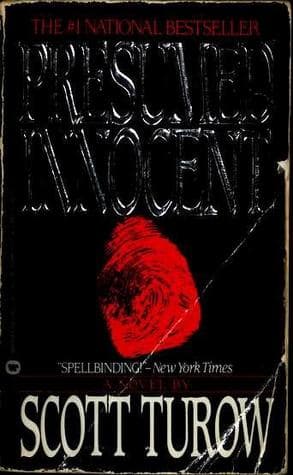
- Presumed Innocent
Scott Turow
4.1 (107k) average on GoodreadsThrillerA gripping legal thriller with a complex protagonist facing serious charges and a high-stakes trial.
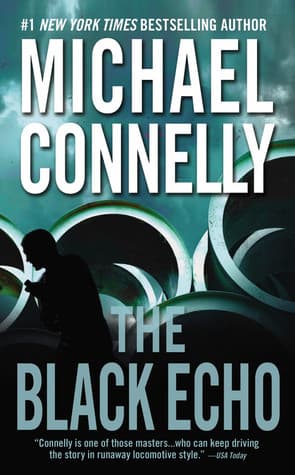
- The Black Echo
Michael Connelly
4.1 (155k) average on GoodreadsThrillerConnelly's work is a police procedural/detective novel, focusing on the investigation, complex plotting, and gritty realism from a detective's perspective within law enforcement. Grisham's A Time to Kill firmly centers on the courtroom, the defense's struggle, and the broader societal pressures surrounding a racially charged legal battle, offering a different lens on justice.
- Angels & Demons
Dan Brown
3.9 (2.7M) average on GoodreadsThrillerA Harvard symbologist races through Rome's ancient sites, deciphering cryptic clues to unmask the Illuminati and stop a vengeful plot to destroy the Vatican with a stolen antimatter weapon.
- Gone Girl
Gillian Flynn
4.1 (2.3M) average on GoodreadsThrillerA wife's sudden disappearance on her fifth anniversary reveals a web of lies and psychological warfare, exposing the secrets within a seemingly perfect marriage.
- The Girl on the Train
Paula Hawkins
3.9 (2.1M) average on GoodreadsThrillerA woman’s fascination with a seemingly perfect couple she watches from her daily train commute leads her into a dark investigation when she witnesses something that shatters their idyllic image.




Enjoyed the summary?
A summary gives you the shape of the book. The book itself has the detail, the examples and the voice.
Find A Time to Kill on AmazonAs an Amazon Associate, BookBrief earns from qualifying purchases. How we're funded