
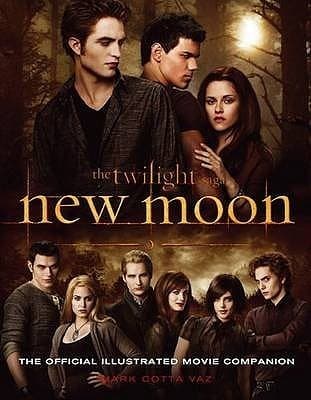
Core Idea
- Difficulty
- Easy
Key Takeaways from New Moon
Visual Storytelling as a Primary Adaptation Tool
How cinematic choices translate internal monologue into external spectacle.
This book shows the careful work to visualize Bella Swan's inner conflicts, a common problem when adapting first-person novels. Director Chris Weitz and cinematographer Javier Aguirresarobe used a sophisticated visual style, changing colors, lighting, and camera work to show Bella's emotions. For example, the bright, almost unreal greens and blues of Forks in early scenes gradually fade and become muted when Edward is gone, reflecting Bella's depression. The 'four months' montage, a key visual tool, compresses a long period into a stark, emotional sequence, using visual metaphors (Bella staring out the window as seasons change) instead of dialogue. This method shows a strong understanding of cinema's power to convey psychological depth without needing explanations.
“The challenge was to take Bella's interior world and make it visually compelling, especially during her period of profound depression.”
In the book: Discussion of Chris Weitz's directorial vision for translating Bella's internal monologue and emotional states into visual cues, particularly the use of desaturated colors and the 'four months' montage.
Try this: When adapting character-driven stories, prioritize visual metaphors and cinematic techniques to convey internal states, reducing reliance on voiceovers or heavy dialogue.
Casting's Impact on Franchise Continuity and Fan Expectation
The delicate balance of introducing new characters while maintaining established chemistry.
The book details the careful casting process for New Moon, especially for new characters like the Volturi and the expanded Quileute wolf pack. This was a critical point for the franchise, as these characters would shape future films. The challenge was finding talented actors who could meet fan expectations while also bringing new interpretations. Casting Michael Sheen as Aro, for instance, is noted as a brilliant choice, bringing a dramatic, unsettling charm to the ancient vampire. Similarly, the careful selection of the wolf pack actors, focusing on both physical presence and a sense of brotherhood, was important for their dynamic with Bella and Jacob. This shows the pressure and strategic thinking involved in expanding a beloved cinematic universe.
“Bringing in the Volturi and the wolf pack meant finding actors who could instantly command attention and integrate into an already beloved cast.”
In the book: Detailed accounts of the casting process for the Volturi (e.g., Michael Sheen as Aro) and the Quileute wolf pack, and the considerations for their integration into the existing cast.
Try this: For long-running franchises, strategic casting of new characters is paramount, balancing established fan expectations with fresh interpretations to ensure narrative and emotional continuity.
Practical vs. Digital Effects for World-Building
The strategic blend of tangible and CGI elements to create a believable fantasy world.
A key point is the production's practical approach to visual effects, favoring real sets and on-location shooting when possible, then adding CGI. This mixed strategy aimed to ground the fantasy elements in a tangible reality, making the world more immersive. The detailed descriptions of the Volterra sets, for example, show a commitment to physical construction, giving actors a concrete environment to react to, which often leads to more authentic performances. However, transforming the Quileute actors into wolves required advanced CGI, showing the careful distinction between what could be built and what had to be digitally created. This balanced method is a strong example of efficient and effective large-scale fantasy filmmaking.
“We aimed for a grounded reality, even with vampires and werewolves. Practical sets and locations gave us that foundation, then CGI enhanced it.”
In the book: Discussions of practical set construction for locations like Volterra and the Cullen house, contrasted with the extensive use of CGI for the werewolf transformations and supernatural speed effects.
Try this: When building fantasy worlds, prioritize practical effects and real-world locations to establish a sense of realism, reserving CGI for elements that cannot be achieved tangibly, thus optimizing budget and enhancing authenticity.
The Evolution of Character Arcs Through Visuals and Performance
How actors and directors collaborate to deepen established roles.
The book offers insights into how the main actors, Kristen Stewart (Bella), Robert Pattinson (Edward), and Taylor Lautner (Jacob), handled their characters' expanded emotional range in New Moon. Stewart's portrayal of Bella's grief and desolation, often shown through subtle body language and facial expressions rather than dialogue, is particularly highlighted. Lautner's physical transformation and his character's growing emotional intensity are also covered, showing the actor's dedication to Jacob's shift from friend to protector. This focus on performance details, guided by Weitz's direction, shows a conscious effort to evolve the characters beyond their initial introductions, deepening their stories and reinforcing their appeal. This is the book's strongest point about acting.
“Bella's journey in 'New Moon' is about finding strength in vulnerability, and that had to be communicated non-verbally as much as through dialogue.”
In the book: Interviews with Kristen Stewart discussing Bella's depression and non-verbal communication, and details on Taylor Lautner's physical and emotional preparation for Jacob's expanded role.
Try this: Encourage actors to explore non-verbal communication and physical transformation to convey complex emotional arcs, allowing characters to evolve naturally beyond their initial portrayals.
The Director's Vision as a Unifying Force
Chris Weitz's leadership in navigating a complex, high-pressure sequel.
Mark Cotta Vaz carefully details how director Chris Weitz managed the large production of New Moon, following a successful first film. Weitz's background, particularly his experience with large-scale fantasy (like The Golden Compass), was valuable. The book emphasizes his ability to balance fan expectations with his own artistic vision, introducing a more mature and darker tone while keeping the essence of Stephenie Meyer's novel. His collaborative approach with both cast and crew, creating an environment of trust and creativity under pressure, is a recurring theme. This section offers a compelling study of directorial leadership, especially in the challenging context of a major franchise sequel.
“Chris brought a calm, artistic sensibility to a production that could have easily been overwhelmed by its own scale and expectations.”
In the book: Numerous quotes from cast and crew praising Chris Weitz's calm demeanor, artistic vision, and collaborative leadership style in handling the sequel's demands.
Try this: In high-stakes productions, a director's ability to foster a collaborative, calm, and artistically focused environment is crucial for navigating pressure and delivering a cohesive vision.
Sound Design as an Unsung Hero
How auditory elements subtly enhance emotional impact and world-building.
While often overlooked, the book quietly highlights the important role of sound design in New Moon. The production deliberately used sound (or its absence) to amplify emotional states and build atmosphere. For example, the eerie silence after Edward's departure emphasizes Bella's loneliness, a sharp contrast to the earlier, more active sounds of Forks. The distinct growls and snarls developed for the werewolves, and the subtle, almost imperceptible sounds associated with the vampires' super-speed, are discussed as key elements in distinguishing these supernatural beings. This attention to auditory detail shows how sound acts as a powerful, often subconscious, tool for immersion and emotional connection, an important aspect of cinematic storytelling often overshadowed by visuals.
“The absence of sound can be just as powerful as its presence, especially in moments of isolation or heightened tension.”
In the book: Brief mentions of specific sound design choices, such as the use of silence during Bella's depression, and the distinct sound effects created for the werewolves and vampires.
Try this: Pay meticulous attention to sound design, utilizing both presence and absence of sound, to enhance emotional impact, differentiate characters, and deepen the immersive quality of a film's world.
Costume Design as Character Extension
Clothing choices reflect personality, power, and cultural identity.
The book focuses on the costume design, showing how clothing is used to visually communicate character traits and cultural identities. Bella's wardrobe, for instance, changes from practical, earthy tones reflecting her grounded nature, to drab, almost colorless outfits during her depression, and finally to a more determined, active look. The Quileute wolf pack's clothing uses natural materials and tribal aesthetics, reinforcing their connection to the land. Most strikingly, the Volturi's ancient, dark, and luxurious robes, especially Aro's rich fabrics, immediately convey their power, age, and aristocratic status. This shows how costume design is more than just dressing characters; it's a vital, non-verbal storytelling element that reinforces narrative themes.
“Every costume piece, from Bella's muted tones to the Volturi's ancient robes, tells a story about who these characters are.”
In the book: Descriptions of costume choices for Bella (reflecting emotional state), the Quileute tribe (cultural identity), and the Volturi (power and age).
Try this: Utilize costume design as a powerful storytelling tool to visually communicate character development, cultural heritage, and power dynamics, ensuring each garment serves a narrative purpose.
Location Scouting as a Narrative Driver
The strategic selection of real-world settings to enhance mood and authenticity.
The book emphasizes the importance of location scouting in New Moon, showing how carefully chosen real-world settings added significantly to the film's atmosphere and authenticity. The Pacific Northwest's overcast skies and lush forests were essential for establishing the moody, isolated feel of Forks, while shooting the Volterra scenes in Montepulciano, Italy, rather than a studio backlot, added an unmatched layer of historical grandeur and realism. This commitment to authentic locations, even with extensive travel and logistical challenges, shows a belief that the environment itself is a character, deeply influencing the narrative and the audience's perception of the world. This approach, while costly, greatly improves immersive storytelling.
“Finding locations that felt both authentic to Forks and suitably grand for Italy was crucial for immersing the audience.”
In the book: Details on shooting locations in the Pacific Northwest for Forks and Montepulciano, Italy, for Volterra, and the logistical challenges involved.
Try this: Invest in authentic, real-world locations that intrinsically support the film's mood, themes, and narrative, even if logistically challenging, to enhance audience immersion and credibility.
Adapting Source Material: Balancing Fidelity and Innovation
Navigating fan expectations while making necessary cinematic changes.
This companion book provides a look into the screenwriting process for New Moon, particularly the balance between sticking to Stephenie Meyer's source material and making necessary adaptations for film. Screenwriter Melissa Rosenberg discusses the challenges of turning Bella's internal thoughts into external action and dialogue, and the strategic decisions made to shorten or lengthen certain plot points without alienating the passionate fanbase. The 'four months' montage, for example, is a clever cinematic shorthand for Bella's depression, which in the book is a longer, more internal experience. This shows the tension and creative problem-solving needed when adapting a beloved novel, demonstrating that faithfulness isn't always literal, but often means capturing the emotional core.
“You have to be true to the spirit of the book, but a movie isn't a book. Some things just work differently on screen.”
In the book: Discussions with screenwriter Melissa Rosenberg about translating Bella's internal monologue and condensing narrative elements, such as the 'four months' sequence.
Try this: When adapting beloved source material, prioritize capturing the emotional core and thematic integrity over literal translation, using cinematic language to innovate while respecting fan expectations.
The Power of Fandom in Shaping Production
How fan engagement influences creative decisions and marketing strategies.
A subtle but constant theme throughout the book is the influence of the Twilight fandom on the production of New Moon. The creative team was aware of the fervent fan base, leading to conscious decisions regarding casting, character portrayal, and even the visual interpretation of key scenes. This awareness extended to marketing, with early releases of stills and trailers designed to engage the community. While not always directly dictating creative choices, the 'fan lens' was a significant consideration, particularly in a franchise built on such a passionate following. This highlights the growing importance of community engagement in modern blockbuster filmmaking, where fan reaction can greatly impact success.
“The fans are why we do this. Their passion is palpable, and it absolutely influences how we approach everything, from casting to visual effects.”
In the book: Repeated mentions of fan expectations influencing casting decisions, character portrayals, and the overall approach to adapting key scenes.
Try this: Actively engage with and consider the passionate fan base of a franchise, allowing their feedback and expectations to inform creative and marketing strategies, fostering a deeper connection with the audience.
Quiz
10 questions on the main ideas. Each answer comes with a short explanation.
Question 1
What is the primary focus of the book 'New Moon: The Complete Illustrated Movie Companion'?
- The plot of the movie New Moon.
- The making of the film New Moon.
- A biography of Stephenie Meyer.
- A review of the novel 'New Moon'.
Show answer
B. The making of the film New Moon. The book is described as a 'movie companion' that explores the 'making of the film'.
Question 2
Who is the author of 'New Moon: The Complete Illustrated Movie Companion'?
- Stephenie Meyer
- Chris Weitz
- Mark Cotta Vaz
- An unnamed cast member
Show answer
C. Mark Cotta Vaz The book's title explicitly states the author as 'Mark Cotta Vaz'.
Question 3
What type of content can readers expect to find in this book regarding the film's production?
- Only script excerpts.
- Full-length interviews with every actor.
- Behind-the-scenes details, interviews, and photos.
- A critical analysis of the film's cinematography.
Show answer
C. Behind-the-scenes details, interviews, and photos. The description mentions 'never-before-seen images, exclusive interviews and personal stories' and 'intimate details of the filmmaking process'.
Question 4
The book is described as 'lavishly illustrated with full-color photos'. What do these photos primarily depict?
- Historical events related to werewolves.
- The cast, locations, and sets of the film.
- Artwork from the original novel.
- Fan-made artwork.
Show answer
B. The cast, locations, and sets of the film. The text specifically states the photos are 'of the cast, locations, and sets'.
Question 5
Who directed the film 'New Moon' that this book accompanies?
- Stephenie Meyer
- Mark Cotta Vaz
- A director not mentioned in the text.
- Chris Weitz
Show answer
D. Chris Weitz The book mentions that the world was 'brought to life by Academy Award(R)-nominated director Chris Weitz'.
Question 6
What unique aspect of the book's content is highlighted regarding interviews and stories?
- They are all conducted by the author.
- They offer 'never-before-seen images, exclusive interviews and personal stories'.
- They focus solely on the main actors.
- They are only about the visual effects.
Show answer
B. They offer 'never-before-seen images, exclusive interviews and personal stories'. The description explicitly states 'never-before-seen images, exclusive interviews and personal stories'.
Question 7
The book aims to celebrate the 'onscreen creation' of Stephenie Meyer's world. What does 'onscreen creation' refer to?
- The process of writing the novel.
- The visual and narrative realization of the story in the film.
- The creation of fan fiction based on the book.
- The development of the film's soundtrack.
Show answer
B. The visual and narrative realization of the story in the film. 'Onscreen creation' refers to how the fictional world is brought to life visually and narratively in the movie.
Question 8
What specific award nomination is mentioned in relation to the director of the film?
- Golden Globe Award
- Oscar (Academy Award)
- BAFTA Award
- Emmy Award
Show answer
B. Oscar (Academy Award) The text states that Chris Weitz is 'Academy Award(R)-nominated'.
Question 9
The author, Mark Cotta Vaz, is described as a 'renowned author'. What does this suggest about his previous work?
- He has only written this one book.
- He is known for his work in a different genre, like science fiction.
- He has a significant reputation and experience in writing.
- He is a newcomer to the literary world.
Show answer
C. He has a significant reputation and experience in writing. The term 'renowned' implies that the author is well-known and respected, suggesting a history of successful work.
Question 10
What is the primary purpose of a 'visual companion' book like this one, based on the description?
- To provide a critical review of the film's artistic merits.
- To offer an in-depth academic study of the source material.
- To give readers an inside look at the film's production through visual and textual elements.
- To serve as a promotional tool with minimal factual content.
Show answer
C. To give readers an inside look at the film's production through visual and textual elements. A 'visual companion' typically combines images and text to offer a comprehensive look at the making of a film, as indicated by the mention of photos, interviews, and behind-the-scenes details.
New Moon FAQ
What is the 'New Moon: The Complete Illustrated Movie Companion' book about?
This book is a visual guide to the making of the 'New Moon' film. It features stunning full-color photos of the cast, sets, and locations, offering an in-depth look at how Stephenie Meyer's world was brought to the screen by director Chris Weitz.
What kind of content can I expect in this book?
You can expect never-before-seen images, exclusive interviews with the cast and crew, and personal stories from the filmmaking process. Author Mark Cotta Vaz provides behind-the-scenes details and insights into the creation of the movie.
Who is the author of 'New Moon: The Complete Illustrated Movie Companion'?
The author is Mark Cotta Vaz, a renowned author known for his work on film companion books.
Is this book based on the 'New Moon' novel or the movie?
This book specifically focuses on the making of the 'New Moon' film adaptation. It celebrates the onscreen creation of the world from Stephenie Meyer's novel.
What makes this book an 'illustrated movie companion'?
It's an illustrated movie companion because it is lavishly decorated with full-color photographs of the cast, locations, and sets, providing a visual journey through the film's production.
Will I find interviews with the cast in this book?
Yes, the book includes exclusive interviews with the cast and crew, offering their personal stories and insights into their experiences making the film.
Is this book suitable for fans of the 'Twilight' saga?
Absolutely. If you are a fan of the 'Twilight' saga and interested in the behind-the-scenes details of how the 'New Moon' movie was made, this book is an ideal resource.
What is the significance of the director Chris Weitz being mentioned?
Chris Weitz is the Academy Award-nominated director of the 'New Moon' film. His involvement and vision for bringing Stephenie Meyer's world to life are highlighted throughout the book.
Similar books
- The Story of Art
E.H. Gombrich
3.9 (311k) average on GoodreadsReferenceExplore thousands of years of human creativity, from ancient cave art to modern masterpieces, with Gombrich's classic account, updated with new insights into art's changing story.
- The New Drawing on the Right Side of the Brain
Betty Edwards
3.9 (297k) average on GoodreadsPsychologyLearn to draw by using the often-ignored visual side of your brain, changing how you see the world.
- Go Ask Alice
Anonymous
3.7 (293k) average on GoodreadsReferenceA teenage girl's diary chronicles her swift decline into 1970s drug culture, from an innocent game to addiction, ending in her tragic death.
- Their Eyes Were Watching God
Zora Neale Hurston
3.9 (266k) average on GoodreadsReferenceIn early 20th-century Florida, Janie Crawford searches for identity, love, and independence, defying social norms to find her voice.
- On Writing: A Memoir of the Craft
Stephen King
4.3 (222k) average on GoodreadsBiography - Holy Bible: King James Version
Anonymous
4.4 (220k) average on GoodreadsReferenceThis foundational text, spanning millennia and continents, combines divine revelation, human history, and lasting wisdom, shaping the spiritual and ethical outlook of Western civilization.





Enjoyed the summary?
A summary gives you the shape of the book. The book itself has the detail, the examples and the voice.
Find New Moon on AmazonAs an Amazon Associate, BookBrief earns from qualifying purchases. How we're funded