Estimated read time: 7 min read
One Sentence Summary
"Nightmare" by Robin Parrish follows a young man who discovers his dreams are gateways to a terrifying alternate reality where he must confront dark forces to save both worlds.
Table of Contents
Introduction
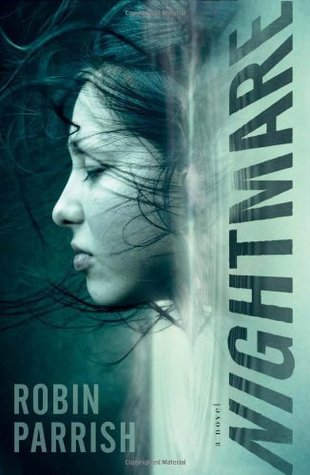
Imagine waking up in a world where your worst fears come alive, and reality blurs with nightmare. Robin Parrish’s Nightmare plunges readers into a chilling supernatural thriller that deftly explores the boundaries between dreams and waking life. This novel captivates college students and lecturers alike by weaving suspense, psychological depth, and spiritual inquiry into a narrative that feels both immediate and timeless. With its gripping pace and thought-provoking themes, Nightmare stands out in contemporary speculative fiction, offering rich material for academic discussion and personal reflection.
Historical Context
Though Nightmare is a work of modern fiction, it resonates with age-old human fascinations: dreams, the subconscious, and the eternal battle between good and evil. Parrish’s story draws on classic horror and fantasy traditions, echoing the likes of Stephen King and Clive Barker, while contributing a fresh, religiously nuanced perspective.
The early 21st century, when the book was published, saw a surge in interest in paranormal and spiritual themes in literature and media. This cultural backdrop informs the novel’s engagement with Christian symbolism juxtaposed against a modern, urban setting, reflecting contemporary anxieties about faith, doubt, and the metaphysical unknown.
Brief Synopsis
Plot Overview
Nightmare follows the journey of Matt, an ordinary man thrust into an extraordinary battle against dark forces invading his dreams and threatening his reality. As Matt delves deeper into the mystery of these nightmares, he discovers a hidden war between angels and demons, challenging his beliefs and forcing him to confront his own inner demons. The novel balances intense action sequences with moments of introspection, making it a compelling read without revealing the story’s twists.
Setting
Set primarily in a small American town and the ethereal, often terrifying dreamscape, the novel’s atmosphere is a blend of familiar suburban normality and surreal, otherworldly menace. This contrast heightens the tension, as the safety of home is undermined by an unseen spiritual battle. The setting feels both intimate and expansive, grounding the supernatural elements in a tangible reality.
Main Characters
| Name | Role | Key Traits | Importance to the Plot |
|---|---|---|---|
| Matt | Protagonist | Determined, skeptical, flawed | Central figure fighting nightmares |
| Sarah | Matt’s wife | Supportive, intuitive | Emotional anchor and motivator |
| Gabriel | Angelic ally | Wise, protective | Guide and protector in the spiritual war |
| Damien | Antagonist demon | Manipulative, cunning | Primary antagonist orchestrating chaos |
| Pastor John | Spiritual mentor | Compassionate, knowledgeable | Provides religious insight and guidance |
Plot Summary
Part 1: The Intrusion of Nightmares
The novel opens with Matt experiencing disturbing nightmares that feel unnervingly real. These aren’t ordinary bad dreams—they bleed into his waking life, causing paranoia and fear. Early on, the narrative builds tension by blurring the lines between dream and reality, leaving both Matt and the reader uncertain of what is truly happening.
Part 2: Discovery and Conflict
Matt’s investigation leads him to Pastor John, who introduces the idea that these nightmares are a manifestation of spiritual warfare. Matt learns about the existence of angels and demons influencing the physical world. This section is rich with theological and philosophical discussions that add layers to the thriller elements.
Part 3: The Battle Within
As the nightmares grow more intense, Matt’s personal struggles surface. His faith is tested, and his relationships strained. The dreamworld becomes a battleground where Matt must confront Damien directly. Action sequences here are vivid, combining supernatural combat with psychological horror.
Part 4: Resolution and Awakening
Without giving away spoilers, the climax resolves the immediate threat while leaving room for reflection on the nature of evil, redemption, and human resilience. The conclusion encourages readers to ponder their own fears and beliefs about the unseen forces influencing their lives.
Themes and Motifs
The Battle Between Good and Evil
At its core, Nightmare dramatizes the eternal struggle between light and darkness, not just in the cosmic sense but within the human soul. This theme is explored through Matt’s internal conflicts and external challenges, making the supernatural elements metaphorical as well as literal.
Faith and Doubt
Matt’s journey is as much spiritual as it is physical. The novel probes questions about belief, skepticism, and the struggle to maintain faith amid inexplicable suffering. This theme resonates deeply with readers navigating their own existential questions.
Reality vs. Perception
Parrish expertly plays with the thin veil separating dreams from reality. The motif of blurred boundaries challenges characters and readers alike to question what is real, underscoring the uncertainty of human experience.
Redemption and Hope
Despite its dark tone, Nightmare ultimately offers a message of hope. Redemption is possible, even when engulfed by darkness—a powerful affirmation for readers facing personal or academic challenges.
Literary Techniques and Style
Parrish employs a fast-paced narrative style that maintains suspense while allowing space for philosophical reflection. His prose is clear and evocative, balancing detail with readability.
Symbolism
The novel is rich with Christian symbolism—angels, demons, and spiritual warfare serve as metaphors for inner struggles, making it ripe for theological analysis.
Narrative Structure
The alternating focus between Matt’s waking life and his nightmare experiences creates a dual narrative that heightens tension and deepens character development.
Realism and Surrealism
Parrish blends realistic depictions of small-town life with surreal dream sequences, a technique that amplifies the novel’s unsettling atmosphere.
Author's Background
Robin Parrish is an American author known for his contributions to Christian speculative fiction. His works often blend genre storytelling with spiritual themes, appealing to both religious and secular audiences. Parrish’s background includes extensive involvement in Christian ministry, which informs the theological depth of his writing.
His style is characterized by accessible prose, engaging plots, and a willingness to tackle complex spiritual questions. Nightmare is among his most acclaimed novels, showcasing his talent for weaving faith-based themes into popular fiction.
Key Takeaways
- Spiritual warfare is both an external and internal battle.
- Faith can be challenged yet strengthened through trials.
- Nightmares symbolize deeper psychological and spiritual fears.
- Hope and redemption are accessible even in darkest times.
- Reality is often subjective, shaped by perception and belief.
Reader’s Takeaway
Readers will find Nightmare both thrilling and thought-provoking. The novel invites introspection about personal fears, beliefs, and the unseen forces that shape human experience. Its emotional intensity and spiritual depth provide a memorable reading journey that stimulates both heart and mind.
Conclusion
Robin Parrish’s Nightmare is a masterful blend of suspense, spirituality, and psychological insight. Its engaging narrative and rich thematic content make it a valuable read for college students and lecturers interested in literature, religion, and human psychology. By exploring the intersection of dreams and reality, good and evil, and faith and doubt, Parrish offers a compelling invitation to confront the nightmares within and emerge transformed.
For those intrigued by supernatural thrillers with a spiritual twist, Nightmare promises an unforgettable experience that will linger long after the final page is turned. Dive into this novel to explore the depths of fear and faith, and discover the powerful light that can shine even in the darkest night.
Nightmare FAQ
What is the main plot of 'Nightmare' by Robin Parrish?
'Nightmare' follows the story of a young man named John who discovers he can enter and manipulate other people's dreams, leading to a dangerous confrontation with dark forces that threaten his reality.
Who is the protagonist of 'Nightmare'?
The protagonist of 'Nightmare' is John, a man who gains the ability to enter dreams and must navigate the challenges that come with this power.
What genre does 'Nightmare' belong to?
'Nightmare' is a blend of supernatural thriller, suspense, and horror.
Are there any sequels or related books to 'Nightmare'?
Yes, 'Nightmare' is part of Robin Parrish's 'Relentless' series, which continues to explore similar themes and characters.
What themes are explored in 'Nightmare'?
The book explores themes such as the power of the subconscious mind, the struggle between good and evil, and the consequences of wielding supernatural abilities.
Is 'Nightmare' suitable for young readers?
'Nightmare' contains mature themes and suspenseful scenes that may not be suitable for younger readers. It is generally recommended for adult or mature young adult audiences.
What inspired Robin Parrish to write 'Nightmare'?
Robin Parrish was inspired by his interest in dreams, the subconscious, and supernatural thrillers to create a story that blends psychological suspense with paranormal elements.
Where can I purchase 'Nightmare' by Robin Parrish?
'Nightmare' is available for purchase through major book retailers such as Amazon, Barnes & Noble, and other online and physical bookstores.
Does 'Nightmare' have any adaptations, like movies or audiobooks?
'Nightmare' is available as an ebook and audiobook, but as of now, there are no movie or TV adaptations.