

Estimated read time: 9 min read
One Sentence Summary
In a dystopian future ruled by a totalitarian regime, Winston Smith struggles against constant surveillance, propaganda, and the erasure of truth.
Table of Contents
Introduction
Picture a world where every move is watched, every thought is policed, and even the past can be rewritten at the whim of a faceless authority. Welcome to George Orwell’s Nineteen Eighty-Four, a chilling vision of totalitarianism that remains as gripping and relevant today as when it was first published in 1949. This dystopian masterpiece isn't just a cautionary tale—it’s a cultural touchstone, a rallying cry for freedom of thought, and a sobering examination of power and control.
Why does Nineteen Eighty-Four still matter? Because its concepts—Big Brother, Newspeak, doublethink—have seeped into our language and our anxieties. Whether you’re a college student dissecting political philosophy, a literature buff, or just someone curious about the roots of modern dystopia, Orwell’s novel will challenge, disturb, and provoke you at every turn.
Historical Context
Orwell penned Nineteen Eighty-Four in the aftermath of World War II, a period haunted by the horrors of fascism and Stalinist totalitarianism. The book draws direct inspiration from the rise of dictatorships, the manipulation of truth, and the loss of personal freedoms seen in Nazi Germany and the Soviet Union. The looming threat of the Cold War, with its paranoia and propaganda, shaped Orwell’s vision of a society stripped of privacy and individuality.
Notable real-life inspirations include:
- Joseph Stalin: The cult of personality around Big Brother echoes Stalin's rule.
- Totalitarian regimes: Techniques of surveillance, propaganda, and historical revisionism prevalent in Hitler’s Germany and Stalin’s USSR.
- The Spanish Civil War: Orwell’s own experiences fighting fascism and witnessing propaganda shaped his understanding of politics and truth.
Fun fact: The title “Nineteen Eighty-Four” is said to be a reversal of the year Orwell completed the novel (1948), a subtle suggestion that the dystopian future was just around the corner.
Brief Synopsis
Plot Overview
At its core, Nineteen Eighty-Four follows Winston Smith, a low-level member of the ruling Party in Oceania. Winston works at the Ministry of Truth, altering historical records to match the Party’s ever-changing narrative. Secretly, he rebels against the regime, yearning for truth, freedom, and love—especially after meeting Julia, a fellow dissenter. Together, they dream of overthrowing Big Brother. But in a world where independent thought is a crime and betrayal is inevitable, can they succeed?
Setting
Orwell’s Oceania is a grim, gray world where war is endless, rationing is constant, and surveillance is absolute. London, renamed Airstrip One, is battered and decaying. Giant telescreens bark propaganda and watch citizens’ every move. Privacy is extinct. The atmosphere is one of paranoia, fear, and quiet desperation. The Party’s three slogans—War is Peace, Freedom is Slavery, Ignorance is Strength—are etched everywhere, drilling contradictory ideas into every mind.
Main Characters
Here’s a quick reference table for the cast that drives Orwell’s nightmare vision:
| Name | Role | Key Traits | Importance to Plot |
|---|---|---|---|
| Winston Smith | Protagonist | Thoughtful, rebellious, frail | Central figure; represents the struggle for freedom |
| Julia | Winston’s lover | Bold, pragmatic, sensual | Catalyst for Winston’s rebellion and desires |
| O'Brien | Inner Party member | Charismatic, manipulative | Orchestrates Winston’s downfall; embodiment of Party |
| Big Brother | Party leader (symbolic) | Omnipresent, enigmatic | Symbolizes total Party control |
| Syme | Colleague at Ministry | Intelligent, zealous | Explains Newspeak; illustrates Party’s purges |
| Mr. Charrington | Shopkeeper | Seemingly harmless, secretive | Facilitates Winston’s rebellion; later betrays him |
| Parsons | Winston’s neighbor | Loyal, naive, cheerful | Victim of Party’s betrayal; shows total control |
Plot Summary
The World of Oceania
Winston Smith lives in Airstrip One, a province of the superstate Oceania. The world has been divided into three powers—Oceania, Eurasia, and Eastasia—perpetually at war. The Party, led by the omnipresent figure of Big Brother, controls everything: history, language, even thought.
Seeds of Rebellion
Winston goes through the motions of his job at the Ministry of Truth, where he rewrites historical records. But he secretly despises the Party. He starts a diary—an act punishable by death—recording his subversive thoughts. Winston is plagued by memories of a time before the Party, though these are blurry and unreliable.
Meeting Julia
Winston suspects Julia of being a Party spy, but she slips him a note that reads, “I love you.” They begin a secret, passionate affair, meeting in hidden places. Julia is pragmatic about rebellion—she simply wants to live and love freely. Their relationship is a fragile oasis of humanity in a dehumanized world.
The Brotherhood and Betrayal
Winston and Julia are approached by O’Brien, an Inner Party member who seems sympathetic to their cause. He claims to be part of the Brotherhood, a secret resistance group led by the mysterious Emmanuel Goldstein. O’Brien offers them hope, but it’s a trap: the Party is always watching.
The Ministry of Love
Winston and Julia are arrested in their safe room—betrayed by Mr. Charrington, who is revealed as a member of the Thought Police. They are taken to the dreaded Ministry of Love, where Winston is tortured by O’Brien. The goal is not just to punish, but to break Winston’s spirit and force him to betray Julia and love Big Brother.
The End of Rebellion
After relentless torture, Winston’s resistance crumbles. He betrays Julia, and she betrays him. The Party’s methods are terrifyingly effective: Winston is brainwashed, his love for Julia destroyed, and his loyalty to Big Brother manufactured.
Themes and Motifs
Nineteen Eighty-Four is a rich tapestry of themes that resonate far beyond its pages:
- Totalitarianism and Oppression: The Party’s absolute control over every aspect of life is a warning against unchecked political power.
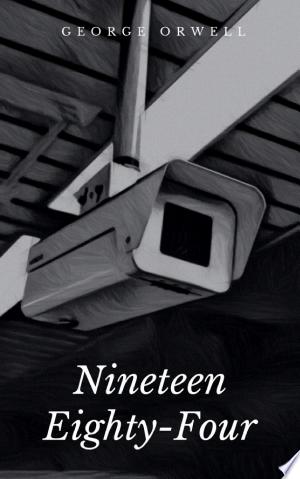
- Surveillance and Privacy: Telescreens and informants ensure that privacy is extinct, prefiguring debates about surveillance in our digital age.
- Language and Thought: Newspeak, the Party’s official language, is designed to limit thought. If you can’t say “freedom,” can you even conceive it?
- Reality and Truth: The Party controls the past, making truth whatever it declares. This manipulation of reality is both absurd and terrifying.
- Individualism vs. Collectivism: Winston’s quest for individuality—his love, his thoughts—puts him at odds with a society that demands total conformity.
- Love and Loyalty: Winston and Julia’s relationship highlights the Party’s war on personal bonds, replacing them with loyalty to Big Brother.
- Fear and Psychological Manipulation: The Party doesn’t just punish dissent; it reshapes minds, making betrayal not only likely but inevitable.
Literary Techniques and Style
Orwell’s style in Nineteen Eighty-Four is spare, direct, and haunting. Here’s what sets it apart:
- Third-Person Limited Perspective: We experience the world through Winston’s eyes, sharing his confusion, dread, and fleeting hope.
- Bleak Imagery: Descriptions of decaying buildings, gray skies, and rationed food paint a vivid picture of a world stripped of joy.
- Symbolism: Objects like the glass paperweight and the nursery rhyme “Oranges and Lemons” symbolize lost innocence and the fragility of memory.
- Irony and Paradox: The Party’s slogans—“War is Peace,” etc.—are masterclasses in doublethink, forcing readers to confront the absurdity of propaganda.
- Newspeak: Orwell invents a language that makes dissent literally unthinkable, exploring how language shapes reality.
- Allegory and Satire: The novel is both a direct critique of Stalinist Russia and an allegory for the dangers of any ideology taken to extremes.
Author's Background
George Orwell (born Eric Arthur Blair) was a British writer, journalist, and social critic. His life experiences deeply informed his work:
- Fought in the Spanish Civil War: Gave him firsthand exposure to propaganda and totalitarian tactics.
- Witnessed poverty and class struggle: Documented in works like Down and Out in Paris and London and The Road to Wigan Pier.
- Other major works: Animal Farm (a fable about the Russian Revolution), essays on politics, literature, and language.
- Influences: Orwell’s distrust of authority, passion for truth, and commitment to plain language are hallmarks of his style.
- Legacy: Orwell’s warnings about totalitarianism are more prescient than ever. Terms like “Orwellian,” “Big Brother,” and “doublethink” have entered everyday language.
Key Takeaways
Here are the main insights Nineteen Eighty-Four offers:
- Unchecked power leads to oppression: The Party’s total control is a warning about the dangers of authoritarianism.
- Surveillance erodes freedom: Constant monitoring destroys privacy and autonomy.
- Language shapes reality: By controlling language, the Party controls thought itself.
- Truth is fragile: When those in power rewrite history, objective reality becomes impossible.
- Rebellion is hard, but necessary: Winston’s struggle, though doomed, is a testament to the human spirit.
- Love and individuality are threats to tyranny: Personal bonds and independent thought are the greatest dangers to oppressive regimes.
Reader's Takeaway
Reading Nineteen Eighty-Four is an emotional and intellectual roller coaster. You’ll feel Winston’s fear, hope, and despair. You’ll question your own beliefs about truth, power, and freedom. The novel isn’t just a relic of the past—it’s a mirror for our present and a warning for our future. Whether you’re a student, professor, or casual reader, you’ll finish the book with a deeper appreciation for the value of privacy, the importance of questioning authority, and the enduring power of the human mind.
Conclusion
Nineteen Eighty-Four is more than just a dystopian novel—it’s a vital work of political philosophy, a literary masterpiece, and a cultural touchstone. Orwell’s vision is both bleak and bracing, urging us never to take our freedoms for granted. If you haven’t read it yet, you owe it to yourself to dive in. If you have, you’ll find that every rereading offers new insights—and new chills. In a world where the boundaries of truth, privacy, and freedom are constantly tested, Nineteen Eighty-Four remains essential reading.
Nineteen Eighty-Four FAQ
What is the main theme of 'Nineteen Eighty-Four'?
The main theme of 'Nineteen Eighty-Four' is the dangers of totalitarianism and oppressive government control. The novel explores how surveillance, propaganda, and the loss of individual freedom can lead to a dystopian society.
Who is the protagonist of the novel?
The protagonist of 'Nineteen Eighty-Four' is Winston Smith, a low-ranking member of the ruling Party in the superstate of Oceania.
What is Big Brother in 'Nineteen Eighty-Four'?
Big Brother is the symbolic leader of the Party and the totalitarian regime in Oceania. He represents the ever-present surveillance and control over the citizens.
What role does the concept of 'Newspeak' play in the story?
Newspeak is the official language of Oceania, designed to limit freedom of thought and prevent rebellion by reducing the vocabulary and altering the meaning of words.
What is the significance of 'Room 101'?
Room 101 is a torture chamber in the Ministry of Love where prisoners are confronted with their greatest fears. It symbolizes the Party's ultimate power to break an individual's spirit.
How does 'Nineteen Eighty-Four' end?
The novel ends with Winston Smith being broken by the Party after being tortured in Room 101. He ultimately betrays his lover Julia and accepts the Party's ideology, demonstrating the Party's total control.
What is the role of the Thought Police?
The Thought Police are responsible for identifying and punishing thoughtcrime—any thoughts against the Party. They maintain control through fear, surveillance, and psychological manipulation.
Why is 'Nineteen Eighty-Four' considered a classic?
'Nineteen Eighty-Four' is considered a classic because of its powerful critique of totalitarianism, its influential concepts like Big Brother and Newspeak, and its lasting impact on discussions about privacy, freedom, and government control.
What are some symbols used in the book?
Some key symbols in 'Nineteen Eighty-Four' include Big Brother, the telescreens, Room 101, the paperweight, and the phrase '2 + 2 = 5,' each representing aspects of control, hope, and manipulation.
Is 'Nineteen Eighty-Four' based on real events?
'Nineteen Eighty-Four' is a work of fiction, but it was inspired by real-world events and regimes, particularly totalitarian governments and the rise of surveillance states in the 20th century.