
Estimated read time: 5 min read
One Sentence Summary
A young boy convinces his classmates that life is meaningless, leading to a disturbing chain of events in their search for meaning.
Table of Contents
Introduction
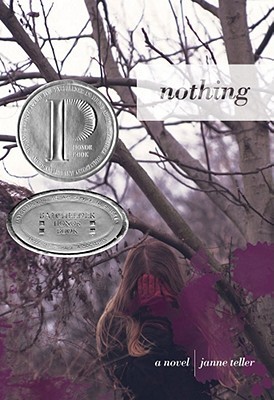
In the thought-provoking novel "Nothing" by Janne Teller, the author explores themes of existentialism, meaning, and the nature of humanity. Through a captivating and disturbing story, Teller challenges readers to question the value and purpose of life itself. With its powerful narrative and profound insights, "Nothing" is a book that will leave readers pondering its message long after they have turned the last page.
Brief Synopsis
"Nothing" takes place in a small town where a group of seventh graders is faced with a disturbing challenge. Pierre Anthon, a classmate, suddenly declares that life has no meaning and climbs a plum tree, refusing to come down. In response, his classmates decide to prove him wrong by creating a "heap of meaning" - a pile of objects that represent the importance and value of life.
As the story progresses, each student is required to sacrifice something meaningful to them in order to contribute to the heap. However, as the pile grows, the sacrifices become increasingly extreme, leading to a downward spiral of darkness and despair. The children are forced to confront the consequences of their actions and question the very essence of their existence.
Main Characters
| Character Name | Description |
|---|---|
| Pierre Anthon | A classmate who believes life has no meaning and climbs a plum tree as a protest. |
| Agnes | A quiet and introspective girl who struggles with the concept of meaning. |
| Jan-Johan | A boy who becomes obsessed with the idea of proving Pierre Anthon wrong. |
| Sofie | A girl who sacrifices her beloved dog to contribute to the heap of meaning. |
| Anton | A boy who struggles with the extreme sacrifices demanded by his classmates. |
Summary of Different Story Points
Chapters 1-5: The Challenge Begins
The story begins with Pierre Anthon's declaration that life has no meaning. The classmates are initially shocked but soon take it upon themselves to prove him wrong. They start collecting objects that hold personal significance and create a heap of meaning.
Chapters 6-10: Escalating Sacrifices
As the pile grows, the students feel the need to make increasingly significant sacrifices to demonstrate the importance of life. They start sacrificing their most cherished possessions, including pets and treasured items. The tension and desperation among the children begin to rise.
Chapters 11-15: Darkness and Despair
The sacrifices become more extreme and disturbing, causing deep psychological and emotional damage to the children. They start questioning their actions and the value of what they have given up. The pile of meaning becomes a symbol of their own despair and loss of innocence.
Chapters 16-20: Confronting the Consequences
The children are confronted with the consequences of their actions as the community reacts to the disturbing events surrounding the heap of meaning. They are forced to confront their own guilt and the impact their choices have had on themselves and others. The line between right and wrong becomes blurred.
Chapters 21-25: Searching for Redemption
In their search for redemption and meaning, the children attempt to dismantle the pile of meaning. They face internal conflicts and struggle to find a way to move forward from the darkness they have created. The story reaches a climax as they are faced with a final decision that will forever change their lives.
Main Events
- Pierre Anthon's protest and declaration about the meaninglessness of life.
- The creation of the heap of meaning and the initial sacrifices.
- The escalating sacrifices and the toll it takes on the children.
- The community's reaction to the heap of meaning and the children's actions.
- The internal conflicts and search for redemption among the children.
- The final decision that determines the fate of the children and their understanding of life's meaning.
Themes and Insights
Existentialism and Meaning
The central theme of "Nothing" is existentialism and the search for meaning in life. The story challenges conventional notions of purpose and asks readers to question the meaning they assign to their own lives. Through the extreme sacrifices of the children, Teller explores the lengths people will go to find significance and the consequences that can arise from such quests.
Loss of Innocence
The novel delves into the loss of innocence as the children are exposed to the dark realities of life. The escalating sacrifices and their aftermath force the children to confront the harsh truths of existence, leading to a loss of their childhood innocence.
Conformity and Peer Pressure
The story highlights the power of conformity and peer pressure in shaping individuals' actions and beliefs. The children's desire to prove Pierre Anthon wrong leads them down a dangerous path, where they are driven to make extreme sacrifices in order to fit in and maintain their group dynamic.
Reader's Takeaway
"Nothing" is a thought-provoking and disturbing novel that challenges readers to question the meaning of life. It explores existential themes and the consequences of extreme actions taken in the pursuit of significance. The book serves as a reminder to examine our own beliefs and the choices we make in our search for meaning.
Conclusion
Janne Teller's "Nothing" is a powerful and unsettling novel that delves into existential questions and the nature of humanity. Through its captivating narrative and exploration of extreme sacrifices, the book forces readers to confront their own understanding of meaning and the consequences of their actions. "Nothing" is a thought-provoking read that will leave a lasting impact on its readers.
Nothing FAQ
What is the book 'Nothing' about?
The book 'Nothing' is about a teenage boy named Pierre Anthon who declares that life has no meaning and climbs a plum tree, refusing to come down.
Is 'Nothing' a fiction or non-fiction book?
'Nothing' is a fiction book.
Who is the author of 'Nothing'?
The author of 'Nothing' is Janne Teller.
What is the genre of 'Nothing'?
'Nothing' is a philosophical young adult novel.
What age group is 'Nothing' suitable for?
'Nothing' is suitable for young adults and older readers.
Is 'Nothing' a part of a series?
No, 'Nothing' is a standalone novel.
Are there any trigger warnings for 'Nothing'?
Yes, 'Nothing' contains themes of nihilism, existentialism, and violence.
What is the page count of 'Nothing'?
'Nothing' has approximately 240 pages.
Is 'Nothing' available in e-book format?
Yes, 'Nothing' is available in e-book format.
Has 'Nothing' won any awards?
Yes, 'Nothing' has won several awards including the Michael L. Printz Honor Book and the Dutch Golden Owl.


