Estimated read time: 4 min read
One Sentence Summary
Seneca explores the importance of time and the value of living a meaningful life in this philosophical essay.
Table of Contents
Introduction
"On the Shortness of Life" is a timeless philosophical essay written by the Roman Stoic philosopher Seneca. This thought-provoking piece delves into the concept of time and the human experience, offering profound insights that remain relevant to this day. Seneca's exploration of the brevity of life and the importance of living in the present has continued to resonate with readers across centuries, making it a classic work that invites introspection and contemplation.
Brief Synopsis
Plot Overview
Seneca's "On the Shortness of Life" is a contemplative essay that challenges societal norms and perceptions of time, urging readers to reconsider their approach to life and the passage of time. The essay is divided into three sections, each addressing different aspects of the human experience and the utilization of time.
Setting
The essay does not adhere to a specific narrative setting, as it primarily focuses on philosophical discourse and introspective contemplation. However, it is rooted in the ancient Roman context, reflecting the societal norms and cultural backdrop of Seneca's time.
Main Characters
| Character | Description |
|---|---|
| Seneca | A Roman Stoic philosopher and the author of the essay. His wisdom and insights drive the philosophical exploration within the text. |
Summary of Different Story Points Over Chapters
Section 1: Life is Long if You Know How to Use It
Seneca opens the essay by addressing the misconception that life is short, arguing that individuals often squander their time due to frivolous pursuits and a lack of mindfulness. He emphasizes the significance of living purposefully and embracing the present moment.
Section 2: The Importance of Self-Reflection and Introspection
In this section, Seneca delves into the theme of self-reflection, highlighting the value of introspection in leading a fulfilling life. He encourages readers to evaluate their priorities and avoid being consumed by external pressures, advocating for a deliberate and intentional approach to living.
Section 3: Embracing the Transience of Life
The final section of the essay centers on the transient nature of existence. Seneca implores readers to acknowledge the inevitability of mortality and to make the most of their time by engaging in meaningful pursuits. He emphasizes the need to cultivate wisdom and prioritize experiences that contribute to personal growth and fulfillment.
Main Events
- Seneca challenges the notion of life's brevity and encourages intentional living.
- The essay emphasizes the significance of self-reflection and introspection in shaping a purposeful life.
- Seneca urges readers to embrace the transient nature of existence and prioritize meaningful experiences.
Themes and Insights
Themes
- Temporal Consciousness: The essay delves into the concept of temporal consciousness, urging individuals to be mindful of the passage of time and the significance of each moment.
- Intentional Living: Seneca emphasizes the importance of intentional living, urging readers to prioritize meaningful pursuits and self-reflection.
- Memento Mori: The theme of "memento mori" or "remember that you will die" permeates the text, serving as a reminder of the transient nature of life.
Insights
- The value of time is not determined by its duration, but by the depth of experiences and the quality of moments.
- Introspection and self-awareness are instrumental in leading a purposeful and fulfilling life.
- Embracing mortality can serve as a catalyst for meaningful action and a heightened appreciation of life.
Reader's Takeaway
Readers of "On the Shortness of Life" are presented with a thought-provoking invitation to reevaluate their relationship with time and the manner in which they navigate their lives. The essay offers profound insights that prompt introspection and reflection, encouraging individuals to embrace the present moment and live intentionally.
Conclusion
Seneca's "On the Shortness of Life" serves as a timeless philosophical guide, challenging readers to reconsider their perspectives on time, mortality, and the pursuit of a meaningful existence. Through its exploration of temporal consciousness and intentional living, the essay continues to inspire individuals to seize the present and cultivate a deeper appreciation for the brevity of life.
On the Shortness of Life FAQ
What is the main theme of 'On the Shortness of Life'?
The main theme of 'On the Shortness of Life' is the importance of valuing and making the most of our time on earth. Seneca discusses how people often waste their time on trivial pursuits and fail to appreciate the fleeting nature of life.
Who is the author of 'On the Shortness of Life'?
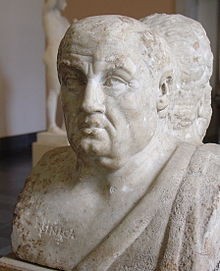
The author of 'On the Shortness of Life' is Lucius Annaeus Seneca, a Roman Stoic philosopher, statesman, and playwright.
Is 'On the Shortness of Life' a philosophical work?
Yes, 'On the Shortness of Life' is considered a philosophical work, specifically within the Stoic tradition. Seneca explores the nature of time, the value of personal development, and the pursuit of wisdom.
What are some key concepts discussed in 'On the Shortness of Life'?
Some key concepts discussed in 'On the Shortness of Life' include the importance of living in the present moment, the dangers of procrastination, the pursuit of wisdom and virtue, and the impact of societal values on individual fulfillment.
Is 'On the Shortness of Life' a lengthy read?
No, 'On the Shortness of Life' is relatively short, making it an accessible read for those interested in Stoic philosophy or reflections on the nature of time and existence.