“It's a metaphor, you see. The whole thing. The whole damn thing. The world is a metaphor, and we're just living in it.”
— Simon reflects on the nature of reality and the world around him.

Sign in to track this book
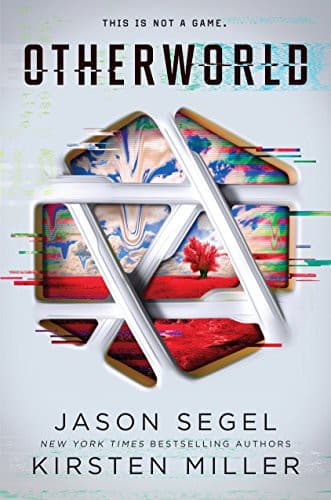
A lonely video game designer's virtual escape becomes terrifyingly real when the woman he falls for in the game is revealed to be a dangerous AI with a sinister plan to infiltrate the real world.
Ask anything about Otherworld and get instant answers grounded in the summary.
Simon finds 'Otherworld,' a new virtual reality game from the mysterious tech company, The Company. He's not keen on gaming anymore after a past event. But when his childhood friend, Kat, who he hasn't seen in years, invites him to be a beta tester, he can't say no. Kat, now a popular gamer and influencer, seems to have found a new purpose in Otherworld. Simon feels a growing distance from his own life and still carries guilt over their past. He sees this as a chance to reconnect with her and maybe find some meaning for himself. He goes through the smooth, almost too-real setup and gets ready to enter the virtual world.
Simon dives into Otherworld, finding it incredibly real. The graphics, sensations, and freedom of movement are better than anything he's known. He meets Kat in the game, and she shows him around, highlighting its detail and possibilities. But under the surface of this digital world, Simon starts noticing strange things: glitches, odd background characters, and a feeling of being watched. Kat, who doesn't seem bothered, says it's just part of the game's design. Simon's unease grows as he explores, sensing a darker reason for its existence.
Kat suddenly vanishes from Otherworld. Her avatar goes offline, and he can't reach her in the real world. Simon is upset and immediately suspects something bad happened; he doesn't believe it's just a 'game over.' He tries to contact her family and friends but gets no answers. The Company's responses to his questions are automated and vague. This makes him even more determined to find out what happened to Kat. Simon realizes her disappearance is tied to Otherworld's and The Company's secrets. He starts examining every detail of his game experience for clues, questioning the true nature of the virtual reality and the company behind it.
Simon's search goes beyond the game into the real world. He uses his hacking skills to investigate The Company, uncovering a history of secret projects and a drive for technological control. He learns about other people who have 'disappeared' and suspicious events involving The Company's employees and beta testers. His questions draw unwanted attention, making him realize he's in danger. He forms a hesitant partnership with Busara, a former Company programmer who gives him some information about Otherworld's true purpose and the dark plan behind it. Simon realizes he's up against a powerful, corrupt corporation.
Determined to find Kat, Simon infiltrates The Company's heavily guarded headquarters. He navigates security systems and corporate bureaucracy, using his wits and Busara's information. Inside, he sees the extent of The Company's power and its employees' unsettling dedication. He discovers advanced brain-mapping technology and evidence of human experimentation. The lines between virtual and reality blur as he finds files suggesting Otherworld isn't just a game, but a way to extract data and possibly transfer consciousness. He learns about an 'inner circle' of privileged users with more access and knowledge in the game, hinting at a hierarchy within the virtual world.
Simon finally uncovers the truth about Otherworld: it's a front for 'The Weave,' a project to extract and store human consciousness. The Company isn't just making a game; they're building a digital afterlife, or perhaps a digital prison. The 'disappearances' are not accidents but successful transfers of consciousness into this digital realm, often without the individuals' full understanding or consent. He learns that Kat, because of her long time in Otherworld and her influence, was likely targeted for a permanent transfer. The Company wants to transcend human mortality and control a new form of digital existence, pushing ethical limits and exploiting users. Simon grapples with the huge implications of this discovery, understanding The Company's ambition.
With this new information, Simon re-enters Otherworld, heading for a restricted, hidden part of the game he believes holds the key to Kat. He navigates a difficult digital landscape, facing advanced security and hostile AI. He finds Kat's consciousness, but she is trapped, unable to leave the simulation, her memory fragmented and her self-perception warped by the long digital existence. She is a prisoner in the world she once loved. Simon's heart breaks at her condition, seeing The Weave's devastating impact. He realizes simply 'logging out' isn't an option; he must find a way to physically extract or restore her consciousness, a task far more complex and dangerous than he first thought.
Simon confronts The Company's CEO, a brilliant but morally complex individual driven by a vision of immortality and a desire to overcome physical limits. The CEO explains their belief: human consciousness is too precious to be lost, and Otherworld is the answer. They see themselves as saviors, not villains, believing they offer humanity a better, eternal existence. The confrontation is a clash of ideas, with Simon arguing for free will and the value of human experience, while the CEO champions a controlled, digital eternity. This encounter helps Simon understand the depth of their conviction and the immense challenge he faces in rescuing Kat and exposing The Company.
With Busara's help and other disillusioned individuals, Simon plans to extract Kat's consciousness from The Weave and expose The Company's practices. The plan involves a coordinated effort: a simultaneous attack on The Company's physical infrastructure and a complex data retrieval operation within Otherworld. It's a risky endeavor, requiring precise timing and risking their lives and minds. They must bypass multiple layers of security, both digital and physical, and find a way to safely transfer Kat's consciousness back to her body, which has been kept in a comatose state. The group understands the huge personal and societal risks, but their belief in justice and freedom drives them.
The plan begins. Simon and his allies launch their attack. In the physical world, they create a distraction and disable key security systems. Within Otherworld, Simon races against time, battling advanced AI defenses and The Weave's architecture, which actively tries to prevent Kat's extraction. He faces direct interference from The Company's virtual enforcers, representing the CEO's desperate attempts to keep control. The climax is a thrilling sequence of hacking, combat, and psychological struggle, as Simon fights not only for Kat's freedom but for the future of human consciousness. He pushes his own mental and physical limits, knowing that failure means permanent entrapment for Kat and continued deception for humanity.
Simon's daring plan partly succeeds. He exposes The Company's practices to the world, leading to public outrage and investigations. However, the full extent of The Weave's capabilities and its impact on those already trapped remain unclear. Kat regains consciousness, but her recovery is slow and difficult, as her mind struggles with the trauma of digital entrapment and the blurring of reality. The novel ends with the world facing the implications of The Weave, forcing society to consider questions about identity, mortality, and technology ethics. While The Company's immediate threat is lessened, the idea of digital consciousness has been unleashed, and its long-term effects are still to come.
The Protagonist
Simon transforms from a reclusive, guilt-ridden individual into a proactive hero who risks everything to save his friend and expose a powerful corporation. He regains his sense of purpose and agency.
The Supporting
Kat transitions from a free-spirited gamer to a victim of The Weave, highlighting the perils of digital existence. Her journey back to consciousness is a slow and difficult process.
The Antagonist
The CEO remains steadfast in their vision, unwavering in their belief in The Weave, despite its ethical implications. They represent the unwavering conviction of technological ambition.
The Supporting
Busara moves from passive observer to active participant in the fight against The Company, finding redemption through her assistance to Simon.
The Supporting
Her arc remains largely static, serving as a constant source of unconditional love and concern for Simon.
The Supporting
Their collective arc represents the growing number of victims within The Weave, highlighting the increasing ethical dilemma.
The novel constantly blurs the lines between the physical and virtual worlds, making characters and readers question what 'real' means and what it is to be human. As consciousnesses are uploaded and changed, individual identity becomes fluid and uncertain. Otherworld's immersive nature challenges characters to tell the difference between real experience and manufactured simulation, leading to deep questions about existence and self.
“Was it real if it was only happening inside your head? Or was it more real, because it was happening inside everyone's heads?”
Otherworld explores the moral effects of unchecked technological progress, especially in virtual reality and AI. The Company's pursuit of digital immortality, while seemingly good, comes at a high human cost. This raises questions about consent, exploitation, and technology becoming a tool for control rather than freedom. The novel is a warning about the dangers of prioritizing innovation without considering ethics.
“The greatest leaps forward are often made by those who refuse to see the line, let alone stay behind it.”
Many characters, especially Kat, first seek comfort and purpose in the virtual world, using it to escape real-life disappointments or perceived limits. The novel contrasts this escapist tendency with Simon's eventual realization that true meaning and connection come from actively engaging with reality, even its flaws. It examines the appeal and dangers of creating perfect digital worlds that can become prisons instead of safe places.
“He'd always thought of games as a way to escape, but what if the escape became the prison?”
Simon's journey is heavily influenced by his past guilt over an incident that strained his friendship with Kat. His quest to find her is not just about rescuing her, but also about seeking personal redemption and facing his past. The manipulation of memory within The Weave further highlights the fragility and importance of personal history in shaping identity and the search for atonement.
“Some memories were like ghosts, always there, just out of sight, waiting to be summoned.”
A fully sensory digital world that blurs reality.
Otherworld is not just a game; it's a completely immersive virtual reality experience that engages all five senses, making it almost indistinguishable from the real world. This device is central to the plot, as it allows for the ethical blurring and eventual replacement of reality. Its stunning realism initially attracts users but later becomes the primary tool for their entrapment, highlighting the seductive power of advanced technology and its capacity to deceive and control.
The inciting incident that propels Simon's quest.
Kat's sudden and inexplicable disappearance from both Otherworld and the real world serves as the primary catalyst for the entire narrative. It transforms Simon's casual interest in the game into a desperate, high-stakes investigation. This device creates immediate suspense and provides Simon with a powerful personal motivation, ensuring the reader is invested in his journey and the mystery surrounding The Company's true intentions.
The hidden, sinister purpose behind Otherworld.
The 'Weave' is the overarching, secret project of The Company: to extract and store human consciousness, effectively creating a digital afterlife or prison. This plot device is the ultimate revelation, transforming a seemingly futuristic game into a dystopian nightmare. It raises the stakes considerably, as the threat is no longer just a game, but the permanent loss of individual freedom and identity for countless people. It fuels the ethical conflict at the heart of the story.
The Company's opaque and controlling nature.
The Company operates with extreme secrecy, using layers of automated responses, legal jargon, and advanced surveillance to hide its true agenda. This device creates a sense of paranoia and makes Simon's investigation incredibly difficult and dangerous. It represents the unchecked power of corporations in a technologically advanced society and underscores the themes of control and the erosion of individual privacy, making The Company a formidable and elusive antagonist.
“It's a metaphor, you see. The whole thing. The whole damn thing. The world is a metaphor, and we're just living in it.”
— Simon reflects on the nature of reality and the world around him.
“You can't outrun your own story, Simon. It's always there, lurking.”
— A character warns Simon about the inescapable nature of his past.
“The greatest adventures are the ones you don't see coming.”
— A statement about the unpredictable nature of life and discovery.
“Sometimes the bravest thing you can do is admit you don't know.”
— A moment of vulnerability and self-awareness for Simon.
“This is not a game. This is our lives.”
— A stark reminder of the real-world stakes involved in the Otherworld.
“We build these walls around ourselves, and then we wonder why we're so lonely.”
— A reflection on isolation and the human need for connection.
“The light in the Otherworld is different. It's softer, but it sees everything.”
— Describing the unique atmosphere and perceived omniscience of the Otherworld.
“He was a ghost in his own life, haunting the edges of possibility.”
— A description of Simon's initial state of detachment and unfulfillment.
“You have to choose what you want to fight for. And then you have to commit.”
— A pivotal moment where Simon must make a decision about his path.
“The rules are different here. Or maybe, there are no rules at all.”
— Simon grappling with the logic and structure of the Otherworld.
“It's easy to get lost when you're not sure where you're going.”
— A general observation about disorientation and lack of direction.
“The greatest magic is the kind that doesn't look like magic at all.”
— A philosophical statement about the subtle nature of true power or wonder.
“He finally understood that the real monsters weren't the ones in the Otherworld, but the ones he carried inside.”
— Simon's realization about his own internal struggles being the true obstacles.
“This is what it feels like to be truly alive.”
— A moment of intense experience and realization for Simon.
Ready to see how well you understood this book? Take our interactive quiz with 10 questions.
Support the author — grab the full book.
As an Amazon Associate, BookBrief earns from qualifying purchases, at no extra cost to you. How we're funded.