

Synopsis
Covers the whole plot, including the ending.
- Difficulty
- Easy
- Pacing
- Moderate
- Mood
- Heartwarming, Emotional, Witty, Hopeful
- Read it if
- You enjoy emotionally rich stories of grief, healing, and finding love again, with a strong focus on friendship and witty, candid Irish humor.
- Skip it if
- You prefer lighthearted romance without significant emotional depth or stories centered on profound loss.
Pack Up the Moon Plot Summary
Covers the whole plot, including the ending.
A Life Interrupted
Emma, twenty-six and living in Dublin, enjoys a perfect life with her childhood sweetheart, John. They share an apartment and a future, despite Emma's mother's constant pressure for them to marry. Emma and John's deep love is the foundation of her life. However, their happiness ends abruptly when John dies in a sudden accident. Emma's world collapses, leaving her in shock and grief, struggling to imagine a future without him. Her once-lively world is now a place of loss.
The Immediate Aftermath of Loss
After John's death, Emma is consumed by grief. Her days blur into sorrow, marked by funeral arrangements and dealing with John's devastated family. Emma isolates herself, unable to connect with anyone outside her pain. Her loyal best friend, Clodagh, provides constant support, making sure Emma eats and simply being there. Emma's brother, Noel, a young priest, also tries to comfort her, though his own faith is tested by her loss. The apartment, once a place of shared love, now feels like a tomb.
The First Steps Towards Healing
As weeks turn into months, Emma slowly begins to emerge from her grief, though the pain remains. Her friends, Clodagh, Anne, and Richard, do not let her retreat completely. They encourage her to go out for coffee and dinner, trying to bring some normalcy back into her life. Emma goes through the motions, often feeling numb, but her friends' persistence keeps her connected to the living world. She starts to realize that even though John is gone, her life, however changed, must continue. These small, reluctant steps mark the beginning of her journey toward healing.
A New Friendship with Sean
During her slow return to social life, Emma meets Sean, a handsome 'bad boy' known for one-night stands and a carefree attitude. Initially, Emma is cautious, seeing him as the opposite of John — reckless and emotionally unavailable. However, Sean's humor and surprising depth begin to break down her defenses. They develop an unexpected friendship, marked by witty conversations and a shared understanding of life. Sean, despite his outward appearance, shows Emma kindness and a willingness to simply 'be' with her without demands, offering a different kind of comfort than her other friends.
Navigating the Dating World (Reluctantly)
Encouraged by her friends, particularly Clodagh, Emma reluctantly tries dating again. These experiences are often disastrous and funny, showing her emotional unavailability and the vast difference between her past with John and her present reality. Each date reminds her of what she lost, making her feel more isolated. She struggles with the superficiality of new connections and the pressure to move on, realizing she is not ready for anything serious, and perhaps never will be in the way she was with John. The process is painful and frustrating, often leaving her feeling more alone.
Clodagh's Own Struggles
While Emma deals with her grief, her best friend Clodagh faces challenges in her personal life. Clodagh deals with relationship issues and career uncertainties, finding herself at a crossroads. Despite her own pain, Emma offers Clodagh support, advice, and a listening ear. This give-and-take in their friendship shows that even in her darkest moments, Emma can feel empathy and connect with others. Helping Clodagh distracts Emma from her own sorrow and strengthens their bond, reminding her that she is not the only one facing hardships.
The Weight of Expectations and Memories
Emma constantly battles the unspoken, and sometimes spoken, expectations of others to 'move on.' She feels immense pressure to erase John from her life, or at least compartmentalize his memory, which she finds impossible. Every part of her apartment, every familiar song, every shared joke brings John back. She struggles with the idea that moving forward might mean forgetting him, a thought she cannot bear. This internal conflict is a significant part of her journey, as she tries to honor John's memory while building a new life for herself, without feeling guilty or disloyal.
A Budding Connection with Sean Deepens
As Emma and Sean spend more time together, their connection deepens. Sean is more complex than his initial 'bad boy' image suggests; he is caring, perceptive, and has his own hidden vulnerabilities. Emma finds herself drawn to his honesty and his ability to make her laugh, something she thought she would never do again. Their relationship begins to move beyond friendship, causing confusion and fear in Emma. She grapples with the guilt of feeling something for someone new and the frightening prospect of opening her heart again, especially to someone so different from John.
The Move to the Country
Emma's friends Anne and Richard, a married couple, decide to move out of Dublin to the countryside, seeking a different pace of life. This decision creates another change in Emma's already turbulent world. It means a further shift in her support network, forcing her to rely more on herself and her remaining friends. Their departure highlights the changing nature of life and relationships, even stable ones, and pushes Emma to consider her own future and whether she, too, needs a change of scenery to truly move forward. It is a bittersweet moment, marking another ending but also prompting reflection.
Confronting the Future
As the story continues, Emma reaches a point where she must decide whether to remain tied to her grief and John's memory, or to step into an uncertain future. Her connection with Sean has become undeniable, forcing her to confront the possibility of new love and happiness, even if it feels like a betrayal. She understands that healing is not about forgetting John, but about finding a way to carry his memory while still allowing herself to live. This internal struggle is immense, requiring great courage to choose life, even with its risks and the lingering pain of her past.
A Leap of Faith
In a moment of realization, Emma understands that honoring John's memory does not mean denying herself happiness. She chooses to take a leap of faith, allowing herself to explore the developing relationship with Sean. This decision is not easy; it comes with guilt, fear, and the lasting shadow of her past. However, through Clodagh's unwavering support and her own growing inner strength, Emma embraces the possibility of a new beginning. She acknowledges that she can experience joy and love again, not as a replacement for John, but as a sign of her resilience and capacity for life. This marks a significant turning point in her journey of healing and self-discovery.
Principal Figures
Emma
Protagonist
A young woman grappling with profound loss and the challenge of rebuilding her life.
Emma is initially presented as a vibrant, intelligent, and deeply contented woman, happily living with her childhood sweetheart, John. Her world is defined by their shared future and their loving bond. Following John's sudden death, Emma is plunged into deep grief, becoming withdrawn and struggling to find meaning. She is witty and acerbic, using humor as a coping mechanism, but beneath it lies immense pain and a fear of moving on. Her loyalty to John's memory is fierce, making her journey to accept new love incredibly difficult. She is a relatable character, embodying the messy, often contradictory nature of grief.
Relationships: John (Childhood sweetheart and fiancé; her deepest love and the center of her world before his death.); Clodagh (Lifelong best friend; her primary emotional support and confidante.); Sean (Initially a new friend, later a love interest; challenges her perceptions and helps her open up to new possibilities.); Noel (Her brother, a Catholic priest; offers comfort and spiritual guidance, though his own faith is tested.); Anne (Close friend; provides practical support and a sense of normalcy.); Richard (Friend (Anne's husband); part of her wider support network.); Emma's Mother (Her mother; often nagging, but ultimately cares deeply for Emma's happiness.)
John
Mentioned/Catalyst
Emma's beloved childhood sweetheart whose sudden death triggers the entire narrative.
John is Emma's childhood sweetheart, the love of her life, and her fiancé. Though he dies early in the novel, his presence is felt throughout as the catalyst for Emma's grief and subsequent journey. He is remembered by Emma as kind, loving, stable, and the source of her past happiness. His memory serves as both a comfort and a barrier for Emma, as she struggles with the guilt of moving on. He represents the idyllic past and the profound loss that Emma must overcome.
Relationships: Emma (His fiancée and the love of his life.)
Clodagh
Supporting
Emma's loyal, outspoken best friend who provides unwavering support.
Clodagh is Emma's lifelong best friend, a fiercely loyal and practical woman who acts as Emma's rock after John's death. She is often direct, sometimes blunt, but always with Emma's best interests at heart. Clodagh is the one who ensures Emma eats, gets out of bed, and tries to re-engage with the world. She doesn't shy away from telling Emma hard truths but also provides immense comfort and a much-needed dose of humor. Her own personal struggles provide a mirror for Emma's, highlighting the reciprocity of their friendship.
Relationships: Emma (Lifelong best friend and confidante.)
Sean
Supporting/Love Interest
A charismatic 'bad boy' who develops an unexpected, deep connection with Emma.
Sean is initially introduced as the 'gorgeous bad boy' of a thousand one-night stands, seemingly carefree and emotionally detached. He is witty, charming, and possesses an irreverent sense of humor that initially both attracts and repels Emma. However, beneath his casual exterior lies a surprising depth, kindness, and perceptiveness. He doesn't pressure Emma, allowing her space to grieve, and his genuine affection slowly breaks down her defenses. Sean represents the possibility of new love and a different kind of happiness, challenging Emma's preconceived notions of what a relationship should be.
Relationships: Emma (New friend who becomes a love interest; helps her heal and move forward.)
Noel
Supporting
Emma's brother, a young Catholic priest whose faith is tested by her tragedy.
Noel is Emma's younger brother and a devout Catholic priest. He genuinely loves his sister and tries to offer her spiritual comfort and guidance in her grief. However, John's senseless death challenges Noel's own faith, forcing him to confront difficult questions about suffering and divine will. He represents a different perspective on loss and healing, one rooted in faith, but also highlights the universal struggle with grief, even for those in religious life. His presence provides a quiet, steady support for Emma.
Relationships: Emma (Sister; offers spiritual and familial support.)
Anne
Supporting
One of Emma's close friends, who, along with her husband Richard, represents a more settled, married life.
Anne is a close friend of Emma's, happily (or 'more-or-less happily') married to Richard. She is part of Emma's core support group, offering practical help, companionship, and a sense of normalcy during Emma's grief. Anne represents a different stage of life, with her discussions about marriage and moving to the country, which can sometimes highlight Emma's own stalled future. She is well-meaning and supportive, contributing to the collective effort to help Emma heal.
Relationships: Emma (Close friend; part of her core support network.); Richard (Her husband.)
Richard
Supporting
Anne's husband and a friend to Emma, providing a male perspective within her friendship group.
Richard is Anne's husband and a friend to Emma. He is a stable, reliable figure within Emma's wider circle of friends. While not as central to Emma's emotional journey as Clodagh or Sean, he provides a supportive presence and a male perspective that differs from John's memory or Sean's newness. His relationship with Anne and their life decisions, like the move to the country, subtly influence Emma's own contemplation of her future.
Relationships: Emma (Friend (Anne's husband); part of her support network.); Anne (His wife.)
Emma's Mother
Supporting/Mentioned
A well-meaning but often nagging mother who initially pressures Emma about marriage.
Emma's mother is a typical Irish mammy – well-meaning, loving, but prone to nagging, particularly about Emma getting married to John. After John's death, her nagging transforms into a concern for Emma's well-being, though she sometimes struggles with how to best support her grieving daughter. She represents familial love and the societal expectations that Emma implicitly feels, even as she navigates her personal tragedy. Her presence highlights the generational differences in approaching grief and life choices.
Relationships: Emma (Her daughter; cares deeply for her, though sometimes expresses it through nagging.); Noel (Her son.)
Themes & Insights
Grief and Loss
The central theme explores the many forms of grief. Emma's journey shows the initial shock, the isolating pain, the struggle to re-engage with life, and the lasting presence of loss. It shows how grief is not something to 'get over' but something to integrate into one's life, learning to carry it while moving forward. Emma's honesty about her feelings, her anger, and her despair, especially in her internal thoughts and talks with Clodagh, clearly shows the devastating impact of losing a loved one.
“Grief is like the ocean; it comes in waves, ebbing and flowing. Sometimes the water is calm, and sometimes it is overwhelming. All we can do is learn to swim.”
The Power of Friendship
Friendship is a vital support in the face of tragedy. Emma's friends, especially Clodagh, help her heal. They provide practical support, emotional comfort, humor, and a constant reminder that she is not alone. The novel emphasizes the importance of a strong support network and the different ways friends can help someone through profound loss—from simply being present to gently encouraging recovery. The give-and-take of these bonds is also shown as Emma, in turn, supports Clodagh through her own struggles.
“My friends didn't try to fix me. They just sat with me in the broken pieces, and that was everything.”
Resilience and the Capacity for New Beginnings
Despite overwhelming grief, the novel highlights Emma's resilience and the human ability to find hope and joy again. Her journey is about learning to live without John, not forgetting him, but integrating his memory into a new future. Her eventual willingness to open her heart to Sean is an act of courage and an affirmation of life. It shows that healing is possible, and that new beginnings, even unexpected ones, can emerge from loss, demonstrating the strength of the human spirit to adapt and grow.
“I wasn't replacing John. I was just making space for something new, something different, and that didn't diminish what we had. It just meant I was still alive.”
Guilt and Loyalty
Emma's journey is heavily influenced by her internal struggle with guilt—the feeling that moving on or finding new happiness would betray John's memory. She deals with the societal expectation to 'move on' versus her deep loyalty to her lost love. This theme explores the complex emotions of widowhood, where finding joy again can feel like disloyalty. Her eventual understanding is that true loyalty means honoring John's memory by living her own life fully, rather than letting grief consume her entirely.
“How could I laugh again, truly laugh, without feeling like I was betraying him?”
The Nature of Love (Past vs. Present)
The novel explores different kinds of love: the deep, comforting, and familiar love Emma shared with John, and the unexpected, challenging, yet equally profound love that develops with Sean. It looks at the idea that love can appear in various forms and that one love does not diminish another. Emma's struggle is to reconcile the love she lost with the potential for new love, recognizing that each relationship brings its own unique emotions and experiences. It questions whether it is possible to love again after experiencing a soulmate connection.
“Love wasn't a finite resource. It wasn't a pie that got smaller every time you shared a slice. It grew, it changed, it took on new shapes.”
Plot Devices & Literary Techniques
First-Person Narrative with Internal Monologue
Emma's candid and witty voice directly engages the reader, revealing her inner turmoil.
The story is told from Emma's first-person perspective, allowing for immediate and intimate access to her thoughts, feelings, and often acerbic humor. This narrative choice makes Emma a highly relatable character, as readers experience her grief, confusion, and gradual healing directly through her eyes. Her internal monologues are particularly crucial, providing unvarnished insights into her struggles with guilt, loyalty, and the daunting prospect of a future without John. This device fosters a strong connection between Emma and the reader, making her journey feel deeply personal and authentic.
Flashbacks and Memories
Brief recollections of John and their shared past highlight the depth of Emma's loss.
Throughout the narrative, Emma frequently experiences flashbacks and vivid memories of her life with John. These brief, poignant recollections serve to illustrate the depth of their love, the happiness she lost, and the stark contrast between her past and present. They are not extensive, but rather serve as emotional touchstones that underscore the enduring presence of John in her mind and the profound impact of his absence. This device effectively conveys the constant battle Emma faces between cherishing the past and trying to live in the present.
Comic Relief
Witty banter and humorous situations provide respite from the heavy themes of grief.
Despite the tragic subject matter, the novel employs significant comic relief through Emma's witty, often self-deprecating humor and the humorous interactions among her friends. This device prevents the narrative from becoming overly bleak and makes Emma's character more endearing and resilient. The awkward dating encounters, the playful jabs between friends, and Emma's sarcastic observations offer moments of lightness that highlight the human capacity for finding humor even in the darkest times, making the heavier emotional moments more impactful by contrast.
The 'Bad Boy' with a Heart of Gold Trope
Sean's character subverts initial expectations, offering a different kind of support.
Sean initially appears to fit the 'bad boy' archetype – charming, unattached, and perhaps a bit reckless. This trope is used to challenge Emma's preconceived notions of what a partner should be like after John, who was stable and predictable. However, Sean gradually reveals a surprising depth, kindness, and emotional intelligence, subverting the initial stereotype. This device allows Emma to open up to a different kind of love and connection, one that is unexpected and forces her to re-evaluate her ideas about happiness and relationships after loss.
Pack Up the Moon Quotes
“Sometimes you have to let go of the life you planned to have the life that is waiting for you.”
“Grief is just love with nowhere to go.”
“The heart remembers what it wants to remember, and it forgets what it needs to forget.”
“Every goodbye isn't a loss, sometimes it's a new beginning in disguise.”
“There's a fine line between holding on and being held back.”
“Love isn't about finding someone to live with, it's about finding someone you can't live without.”
“You can't rush healing, just like you can't rush the tide.”
“The strongest people aren't those who show strength in front of us, but those who win battles we know nothing about.”
“Sometimes the greatest love stories are the ones we write for ourselves.”
“Life has a funny way of giving you what you need, even if it's not what you thought you wanted.”
“The moon doesn't shine without the sun, and I don't shine without you.”
“It's okay to be lost sometimes. It's how we find new places.”
“Hope is the thing with feathers that perches in the soul.”
“The past is a place of reference, not a place of residence.”
“True courage is not the absence of fear, but the triumph over it.”
Quiz
10 questions on the plot and the characters. Each answer comes with a short explanation.
Question 1
What is Emma's biggest problem at the beginning of the book, before the tragedy strikes?
- Her job is unfulfilling.
- Her mother constantly nags her to get married.
- She and John are struggling financially.
- Her friends are pressuring her to move abroad.
Show answer
B. Her mother constantly nags her to get married. At the start of the book, Emma's mother's persistent nagging about marriage is presented as her primary concern.
Question 2
What significant event throws Emma's life into disarray early in the story?
- She loses her job unexpectedly.
- John breaks up with her suddenly.
- A tragedy leaves her suddenly alone.
- Her apartment building is condemned.
Show answer
C. A tragedy leaves her suddenly alone. The synopsis explicitly states that 'out of the blue, a tragedy throws her life into disarray, and Emma is suddenly, incomprehensibly, alone,' indicating a loss of her partner, John.
Question 3
Who is Clodagh in relation to Emma?
- Her younger sister
- Her colleague at work
- Her lifelong friend
- Her new therapist
Show answer
C. Her lifelong friend Clodagh is described as Emma's 'lifelong friend, with whom she's shared everything from mud pies to dating disasters.'
Question 4
What is Noel's profession, and how is his faith affected by Emma's tragedy?
- He is a doctor whose faith is strengthened.
- He is a young Catholic priest whose own faith is tested.
- He is a lawyer who loses his faith completely.
- He is an artist who finds new spiritual inspiration.
Show answer
B. He is a young Catholic priest whose own faith is tested. Noel is identified as Emma's brother, 'the young Catholic priest, finding his own faith tested even as he tries to comfort Emma.'
Question 5
What is Sean known for before his connection with Emma develops?
- Being a successful businessman
- Being a gorgeous bad boy of a thousand one-night stands
- Being a quiet and reserved academic
- Being a devoted family man
Show answer
B. Being a gorgeous bad boy of a thousand one-night stands Sean is characterized as 'the gorgeous bad boy of a thousand one-night stands,' highlighting his reputation before his relationship with Emma.
Question 6
What is a key characteristic of Emma's documentation of her recovery, as described in the synopsis?
- It is overly sentimental and vague.
- It is witty, acerbic, and sometimes downright shocking, with candor.
- It is purely factual and emotionless.
- It focuses solely on external events, not internal feelings.
Show answer
B. It is witty, acerbic, and sometimes downright shocking, with candor. The text states, 'Witty, acerbic, and sometimes downright shocking, Emma documents the stories of her friends and her own recovery from grief with a candor that engages the reader.'
Question 7
What is the overarching theme of Emma's journey after her tragedy?
- The pursuit of material wealth.
- The courage it takes to move past loss and learn to live.
- Seeking revenge for her loss.
- Embracing a life of solitude.
Show answer
B. The courage it takes to move past loss and learn to live. The final sentence of the synopsis clearly states that Anna McPartlin 'tells a heartwarming story of the courage it takes to move past loss and learn to live.'
Question 8
What is the marital status and current debate of Emma's friends Anne and Richard?
- They are happily married and debating having children.
- They are recently divorced and living separately.
- They are more-or-less happily married and debating a move to the country.
- They are engaged and planning a lavish wedding.
Show answer
C. They are more-or-less happily married and debating a move to the country. Anne and Richard are described as 'more-or-less happily married and debating a move to the country,' indicating their current situation and a significant decision they are facing.
Question 9
The synopsis mentions Emma's 'amazing insight into the power of friendship.' How does this manifest in her recovery?
- She isolates herself, realizing friends cannot help her.
- Her loyal friends rally round in an attempt to help her emerge from grief.
- She forms entirely new friendships, abandoning her old ones.
- She uses her friends as a distraction, but they offer no real support.
Show answer
B. Her loyal friends rally round in an attempt to help her emerge from grief. The text states, 'As she emerges from grief, Emma has to find a whole new way of living, and her loyal friends rally round in an attempt to help,' directly linking friendship to her recovery.
Question 10
What aspect of the author's writing style is highlighted by the phrase 'wry, irreverent humor that considers no subject off-limits'?
- A tendency towards overly serious and dramatic prose.
- A lighthearted and superficial approach to sensitive topics.
- A sharp, often ironic, and unreserved approach to discussing potentially taboo subjects.
- A preference for abstract concepts over direct emotional expression.
Show answer
C. A sharp, often ironic, and unreserved approach to discussing potentially taboo subjects. The phrase 'wry, irreverent humor that considers no subject off-limits' implies a sharp, often ironic, and unreserved approach to discussing various topics, even sensitive ones, without shying away.
Pack Up the Moon FAQ
What is the central tragedy that Emma experiences early in the book?
Emma's life is unexpectedly shattered when her childhood sweetheart and partner, John, dies suddenly. This unforeseen loss leaves her completely alone and forces her to confront an incomprehensible grief that upends all her future plans and expectations.
How does Emma initially cope with John's death?
Initially, Emma is consumed by profound grief, feeling lost and alone. Her coping mechanism involves a period of intense mourning, where she struggles to find a new way of living, often relying on the support and presence of her close friends and family.
Who are some of Emma's key friends who support her through her grief?
Emma's loyal friends include Clodagh, her lifelong best friend; Anne and Richard, a married couple who are debating a move to the country; and Sean, a charming 'bad boy' with whom Emma develops an unexpected connection as she navigates her recovery.
What role does Emma's brother, Noel, play in her journey?
Noel, Emma's brother, is a young Catholic priest whose own faith is tested by John's death and Emma's subsequent struggles. He tries to comfort Emma, offering spiritual guidance and familial support, even as he grapples with his own understanding of loss and faith.
How does Emma's relationship with Sean evolve throughout the story?
Emma initially sees Sean as a 'bad boy' with a history of one-night stands, but as they spend more time together, an uncomfortable yet undeniable connection grows between them. Their relationship becomes a significant part of Emma's journey towards healing and learning to love again, challenging her preconceived notions.
Are there any subtle hints about John's character or Emma's relationship with him that become more significant after his death?
The narrative might subtly highlight the intensity and completeness of Emma and John's bond, making his absence even more stark. Any small details about their shared dreams or Emma's dependence on him could be seen as foreshadowing the immense void his death would create.
Does Emma ever revisit places or memories significant to her and John, and how does this impact her healing?
Emma likely revisits their 'cute little Dublin apartment' or other shared spaces, which initially trigger intense pain and longing. Over time, these places might become symbols of her past, eventually allowing her to process memories with a sense of bittersweet nostalgia rather than overwhelming grief, marking progress in her healing.
Are there any characters whose grief or struggles mirror Emma's, providing a deeper layer to the narrative?
Noel's struggle with his faith in the face of tragedy mirrors Emma's existential crisis, showing different facets of coping with loss. Additionally, Anne and Richard's debates about moving might subtly reflect their own anxieties about change and the future, echoing Emma's forced re-evaluation of her life.
What internal conflicts does Emma face as she starts to move on from John?
Emma grapples with guilt over finding happiness again, feeling as though moving on might betray John's memory. She also struggles with the fear of vulnerability and the daunting prospect of building a new future without the person she envisioned spending it with, leading to significant emotional turmoil.
How does Emma's relationship with her mother evolve post-tragedy, especially concerning the pressure to marry?
Before John's death, Emma's mother constantly nagged her about marriage. After the tragedy, this pressure might shift, or Emma might perceive it differently. Her mother's concern could become more about Emma's overall well-being and finding companionship, rather than just societal expectations, altering their dynamic.
In what ways does Emma's 'witty, acerbic, and sometimes downright shocking' candor serve as a psychological coping mechanism?
Emma's sharp wit and candor serve as a defense mechanism, allowing her to process immense pain through humor and blunt honesty. It helps her maintain a sense of control and identity in a chaotic period, preventing her from being solely defined by her grief and fostering connection with others through shared laughter.
How does the author use the theme of friendship to explore Emma's psychological recovery?
Friendship acts as a crucial psychological anchor for Emma, providing emotional support, distraction, and a sense of belonging. Her friends' unwavering presence and differing perspectives help her gradually re-engage with life, offering comfort and challenging her to confront her grief in healthy ways.
Is Emma's eventual connection with Sean meant to imply that love can truly conquer any loss, or is it a more nuanced exploration of moving forward?
The connection with Sean is likely a nuanced exploration, suggesting that while loss is profound, the capacity for love and connection can re-emerge. It doesn't erase John's memory but signifies Emma's courage to embrace new possibilities and find happiness again, demonstrating growth rather than replacement.
The title 'Pack Up the Moon' suggests leaving something behind or moving on. How does this metaphor relate to Emma's journey?
The title 'Pack Up the Moon' metaphorically represents the difficult and seemingly impossible task of letting go of the past and moving forward. For Emma, it embodies the monumental effort required to 'pack up' her grief, her former life with John, and her sorrow, to make space for a new future, however daunting.
Does the book offer a definitive answer on whether it's 'okay' to find happiness after profound loss, or does it leave that question open for the reader?
The book likely leans towards affirming the possibility and validity of finding happiness after loss, but it does so with sensitivity to the complexity of grief. It suggests that moving forward is not about forgetting, but about integrating the past into a new, hopeful future, allowing the reader to ponder their own understanding.
How does the 'irreverent humor' contribute to the book's overall message about coping with grief?
The irreverent humor serves as a vital tool to navigate the heavy subject of grief, making the story relatable and less overwhelming. It demonstrates that laughter and lightheartedness can coexist with profound sadness, highlighting the resilience of the human spirit and validating varied emotional responses to loss.
What is the significance of the setting, Dublin, in Emma's story?
Dublin, as Emma's home, represents the familiar and the past, filled with memories of John and her life before the tragedy. Its vibrant yet close-knit community provides a backdrop for her grief and recovery, with the city itself perhaps reflecting her journey from familiar comfort to rediscovering her place within it.
How does the narrative's 'amazing insight into the power of friendship' manifest beyond just providing support to Emma?
The insight into friendship extends beyond mere support by showcasing its transformative power; friends challenge Emma, offer differing perspectives, and sometimes even clash, all contributing to her growth. It illustrates how true friendship helps individuals confront difficult truths and adapt to life's profound changes, fostering resilience.
Similar books
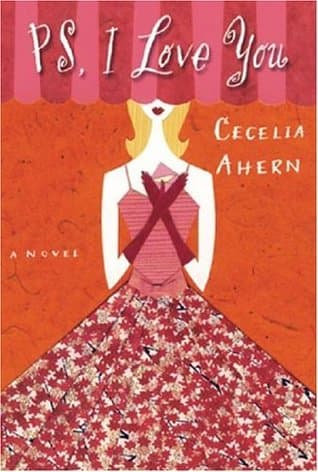
- P.S. I Love You
Cecelia Ahern
4.0 (337k) average on GoodreadsRomanceFeatures a young widow coping with loss and rediscovering life through pre-written messages from her deceased husband, with an Irish setting.
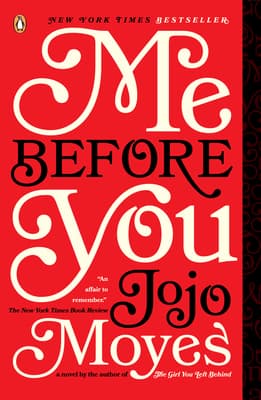
- Me Before You
Jojo Moyes
4.3 (1.1M) average on GoodreadsRomanceExplores themes of love, loss, and finding the courage to live fully after a life-altering event.
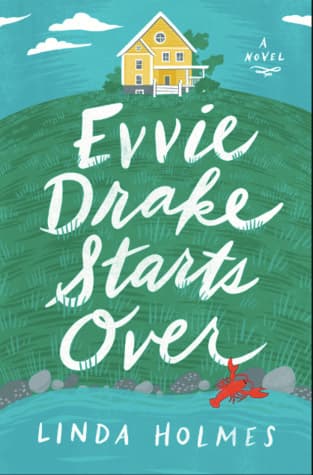
- Evvie Drake Starts Over
Linda Holmes
3.9 (81k) average on GoodreadsRomanceA widow secretly dealing with her late husband's imperfections begins a new relationship, focusing on moving forward after grief.
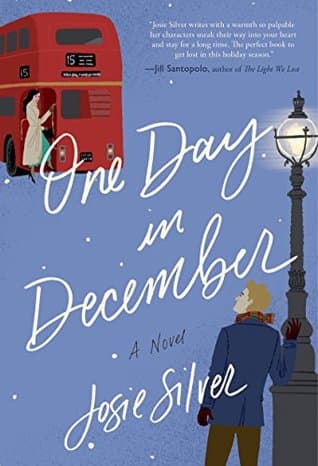
- One Day in December
Josie Silver
4.0 (147k) average on GoodreadsRomanceWhile both books explore themes of love, fate, and missed connections, 'Pack Up the Moon' delves more deeply into the process of grieving and finding love after loss. Silver's book focuses on a prolonged 'will-they-won't-they' across years, whereas McPartlin's narrative is more concentrated on Clodagh's immediate recovery and the challenges of starting anew. 'Pack Up the Moon' offers a more direct confrontation with the psychological impact of bereavement, making its romantic arc feel like a hard-won victory rather than a long-awaited realization.
- The Hunger Games
Suzanne Collins
4.3 (6.4M) average on GoodreadsFantasyIn a future where children fight to the death on live television, Katniss Everdeen volunteers for the arena, turning a death sentence into a fight for survival and a spark of rebellion.
- The Great Gatsby
F. Scott Fitzgerald
3.9 (3.8M) average on GoodreadsHistorical FictionIn the opulent Roaring Twenties, a mysterious millionaire's lavish parties hide his desperate, tragic pursuit of a lost love, exposing the emptiness within the American Dream.


Enjoyed the summary?
A summary gives you the shape of the book. The book itself has the detail, the examples and the voice.
Find Pack Up the Moon on AmazonAs an Amazon Associate, BookBrief earns from qualifying purchases. How we're funded