
Estimated read time: 7 min read
Table of Contents
List of Characters
| Character Name |
|---|
| Alexander the Great |
| Julius Caesar |
| Demosthenes |
| Cicero |
| Themistocles |
| Aristides |
| Pericles |
| Alcibiades |
| Agesilaus II |
| Pompey |
Role Identification
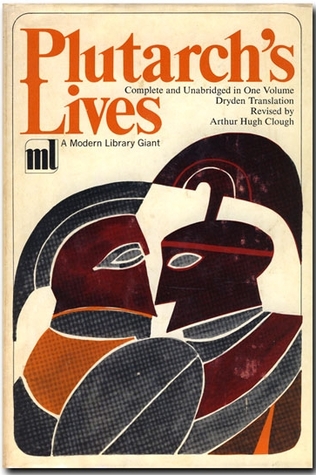
In Plutarch's "Parallel Lives," the characters play significant roles in shaping history, politics, and warfare. Each character represents a different historical period and showcases the challenges, triumphs, and complexities of their respective eras. The characters are known figures in ancient Greece and Rome, who greatly influenced their societies.
Character Descriptions
- Alexander the Great: A military genius and king of Macedonia, who conquered vast territories and created one of the largest empires in history.
- Julius Caesar: A Roman general, statesman, and dictator who played a crucial role in the demise of the Roman Republic and the rise of the Roman Empire.
- Demosthenes: An Athenian statesman and orator known for his powerful speeches and opposition to Philip II of Macedon.
- Cicero: A Roman philosopher, lawyer, and statesman who championed the republican ideals and fought against tyranny.
- Themistocles: An Athenian politician and general who played a key role in the Greek victory against the Persians in the Battle of Salamis.
- Aristides: An Athenian statesman and general known for his honesty and just rule, earning him the epithet "the Just."
- Pericles: An Athenian statesman and general who led Athens during its golden age and was responsible for numerous cultural and architectural achievements.
- Alcibiades: A controversial Athenian statesman and general known for his charisma, military prowess, and political maneuvering.
- Agesilaus II: A Spartan king who reigned during the decline of Sparta and played a significant role in the Spartan military tradition.
- Pompey: A Roman general and statesman who played a significant role in the Roman Republic's politics and military campaigns.
Character Traits
- Alexander the Great: Ambitious, fearless, strategic, charismatic, and influential.
- Julius Caesar: Intelligent, ambitious, persuasive, strategic, and charismatic.
- Demosthenes: Articulate, patriotic, persuasive, insightful, and determined.
- Cicero: Intelligent, eloquent, principled, strategic, and influential.
- Themistocles: Clever, courageous, patriotic, strategic, and resilient.
- Aristides: Just, honest, wise, principled, and respected.
- Pericles: Visionary, charismatic, eloquent, strategic, and influential.
- Alcibiades: Charismatic, manipulative, ambitious, cunning, and persuasive.
- Agesilaus II: Courageous, disciplined, proud, resilient, and strategic.
- Pompey: Skilled general, influential, ambitious, strategic, and charismatic.
Character Background
- Alexander the Great: Born in 356 BC in Macedonia, he became king at the age of 20 and embarked on a military campaign to conquer Persia and establish a vast empire.
- Julius Caesar: Born in 100 BC in Rome, he rose to prominence through military victories and political maneuvering, eventually becoming the dictator of Rome.
- Demosthenes: Born in 384 BC in Athens, he became a prominent statesman and orator, known for his opposition to Macedonian expansionism.
- Cicero: Born in 106 BC in Rome, he gained fame as a philosopher, lawyer, and orator, actively participating in Roman politics during a turbulent period.
- Themistocles: Born in 524 BC in Athens, he played a crucial role in the Greek victory over the Persians in the Battle of Salamis.
- Aristides: Born in 530 BC in Athens, he became known for his just rule and was a key figure in the Persian Wars.
- Pericles: Born in 495 BC in Athens, he led Athens during its golden age, promoting democracy and supporting artistic and architectural endeavors.
- Alcibiades: Born in 450 BC in Athens, he was known for his political maneuvering and military successes, but also for his controversial actions.
- Agesilaus II: Born in 444 BC in Sparta, he became king and played a significant role in Spartan military campaigns.
- Pompey: Born in 106 BC in Rome, he was a skilled general who played a crucial role in Roman politics and military campaigns.
Character Arcs
- Alexander the Great: From a young king with ambitious dreams to a conqueror who built one of the largest empires in history, Alexander's arc showcases his military prowess and the impact of his conquests on various cultures.
- Julius Caesar: From a skilled general and influential statesman to the dictator of Rome, Caesar's arc demonstrates his rise to power and the consequences of his actions on the Roman Republic.
- Demosthenes: From a passionate orator opposing Macedonian expansionism to a symbol of Athenian resistance, Demosthenes' arc portrays his efforts to protect Athenian democracy.
- Cicero: From a renowned philosopher and orator to a political figure entangled in the struggles of the Roman Republic, Cicero's arc highlights his attempts to uphold republican ideals.
- Themistocles: From a clever general leading the Greeks to victory against the Persians to a political exile, Themistocles' arc showcases his strategic brilliance and subsequent fall from grace.
- Aristides: From a respected statesman to an influential figure in the Persian Wars, Aristides' arc demonstrates his commitment to justice and Athenian interests.
- Pericles: From a visionary leader during Athens' golden age to a figure grappling with the consequences of war, Pericles' arc illustrates his impact on Athenian culture and his leadership during challenging times.
- Alcibiades: From a charismatic and influential figure to a controversial exile, Alcibiades' arc reflects his political maneuvering and the consequences of his actions on Athenian politics.
- Agesilaus II: From a courageous Spartan king to a key player in Spartan military campaigns, Agesilaus II's arc portrays his efforts to maintain Spartan traditions and influence.
- Pompey: From a skilled general and influential figure in Roman politics to a tragic end, Pompey's arc highlights his rise to power and eventual downfall in the Roman Republic.
Relationships
The characters in "Parallel Lives" have various relationships, often shaped by politics, alliances, and conflicts. Some notable relationships include:
- Alexander the Great and Julius Caesar: Though belonging to different historical periods, their military accomplishments and ambitions create an intriguing parallel between the two.
- Cicero and Julius Caesar: Cicero's political opposition to Caesar highlights the tension between their ideologies and their opposing roles in the Roman Republic.
- Demosthenes and Alexander the Great: Demosthenes' opposition to Alexander's conquests showcases the conflict between an advocate for Athenian independence and a powerful conqueror.
- Themistocles and Aristides: These two Athenian statesmen and generals had contrasting approaches to governance, with Themistocles' strategic brilliance often overshadowing Aristides' reputation for justice.
- Pericles and Alcibiades: Both influential figures in Athenian politics, their relationship reveals the complex dynamics of power, manipulation, and political rivalries.
- Agesilaus II and Pompey: These skilled military leaders from different city-states represent the changing tides of power and influence in ancient Greece and Rome.
In conclusion, Plutarch's "Parallel Lives" offers a captivating exploration of historical figures, their roles, traits, backgrounds, character arcs, and relationships. Each character's unique qualities and contributions shed light on the complexities of ancient Greek and Roman societies, making the book a valuable resource for understanding the historical and political landscape of the time.


