Estimated read time: 8 min read
One Sentence Summary
"Pobby and Dingan" is a poignant story about a young girl whose imaginary friends reveal the power of belief and the resilience of the human spirit in the face of grief.
Table of Contents
Introduction
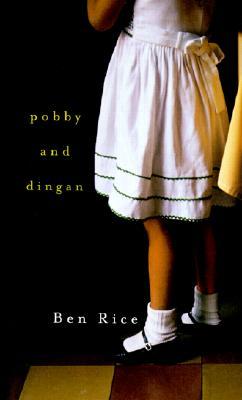
Imagine a tiny, seemingly quiet outback town where the invisible becomes visible and childhood innocence turns into a profound journey of healing. Pobby and Dingan, a novella by Australian author Ben Rice, is a heartwarming and poignant tale that explores the power of imagination, grief, and community. Far more than a simple children’s story, this novella uses the lens of a young girl’s invisible friends to illuminate deeper truths about loss, hope, and human connection. In this summary, we will delve into the narrative’s compelling layers, unveiling why Pobby and Dingan stands as a significant work in contemporary Australian literature and beyond.
Historical Context
Set in the 1990s, Pobby and Dingan situates itself in the harsh yet beautiful Australian outback, a landscape often portrayed in literature as both a place of isolation and profound spiritual experience. The town of Lightning Ridge, known for its opal mining, provides a raw and somewhat gritty backdrop that contrasts with the ethereal world inhabited by the invisible friends, Pobby and Dingan.
This period in Australia was marked by a growing awareness of remote communities’ struggles and a renewed interest in indigenous and rural narratives. While the novella does not explicitly delve into political issues, it subtly reflects the socio-economic hardships faced by small mining towns, capturing a slice of Australian life often overlooked in mainstream discourse.
Brief Synopsis
Plot Overview
Pobby and Dingan centers on Kellyanne Williamson, a young girl who claims to have two invisible friends named Pobby and Dingan. When her brother Ashmol, initially skeptical and dismissive, begins to believe in these invisible companions, the story takes an emotional turn. The disappearance of Pobby and Dingan triggers a crisis for Kellyanne, and the community’s response weaves a touching narrative about empathy, belief, and reconciliation.
Setting
The novella unfolds in Lightning Ridge, a dusty and desolate opal mining town that feels both physically and emotionally remote. The starkness of the landscape mirrors the isolation the characters feel, yet the town’s close-knit community provides a backdrop for unexpected warmth and solidarity. The atmosphere is a blend of harsh reality and magical realism, where the invisible world of Pobby and Dingan coexists with the tangible struggles of life.
Main Characters
To better understand the dynamics of the story, here is a table outlining the key characters:
| Name | Role | Key Traits | Importance to the Plot |
|---|---|---|---|
| Kellyanne Williamson | Protagonist, young girl | Imaginative, sensitive, vulnerable | Central figure whose belief in Pobby and Dingan drives the narrative |
| Ashmol Williamson | Kellyanne’s brother | Skeptical turned caring | His evolving belief marks the emotional core of the story |
| Pobby and Dingan | Invisible friends | Imaginary, symbolic | Represent innocence, grief, and hope |
| The Community | Town residents | Initially doubtful, supportive eventually | Their acceptance reflects broader themes of empathy and understanding |
Plot Summary
Part 1: Introduction to the Invisible
Kellyanne’s world is rich with the presence of Pobby and Dingan, her invisible friends. Ashmol, her older brother, mocks her, refusing to acknowledge these spectral companions. This initial tension sets the stage for the novella’s exploration of belief versus skepticism. Kellyanne’s attachment to her invisible friends is not merely childish fantasy but a coping mechanism for loneliness in a bleak environment.
Part 2: The Disappearance
The plot takes a dramatic turn when Pobby and Dingan vanish. Kellyanne’s distress disrupts the town’s routine, exposing the raw emotional undercurrents beneath the surface of everyday life. Ashmol’s transformation from cynic to believer is gradual but sincere, driven by his desire to help his sister heal. This section highlights the fragility of human connections and the importance of empathy.
Part 3: Search and Solidarity
Ashmol leads a search for Pobby and Dingan, engaging the entire community. This collective effort symbolizes a shared humanity that transcends individual skepticism. The invisible friends become a catalyst for communal bonding, turning a personal tragedy into a collective experience. It is a narrative crescendo that balances humor, sorrow, and hope.
Part 4: Resolution and Healing
Without spoiling the emotional climax, the novella concludes with a subtle but powerful message about acceptance and the enduring impact of childhood innocence. The characters find a new equilibrium, having learned that belief—in others, in hope—can heal wounds invisible to the eye.
Themes and Motifs
The Power of Imagination
At its core, Pobby and Dingan is a tribute to the imagination’s transformative power. Kellyanne’s invisible friends symbolize the inner worlds children create to make sense of harsh realities. This theme resonates universally, reminding readers that imagination can be both a sanctuary and a bridge to understanding.
Grief and Loss
The novella poignantly addresses grief, not through overt tragedy but through subtle emotional shifts. Kellyanne’s attachment and subsequent loss of her invisible friends mirror the experience of losing something deeply personal and intangible. The story invites reflection on how individuals and communities process loss differently.
Community and Empathy
The transformation of Lightning Ridge’s townspeople from dismissive to supportive reflects the theme of empathy. The novella suggests that understanding others’ pain requires openness to perspectives beyond the visible and tangible. This motif emphasizes social cohesion in the face of adversity.
Childhood Innocence and Resilience
Kellyanne embodies the delicate balance between innocence and resilience. Her journey illustrates how childhood innocence is not naivety but a profound strength that enables survival and growth in difficult circumstances.
Literary Techniques and Style
Ben Rice employs a straightforward, unadorned prose style that mirrors the simplicity and harshness of the outback setting. This clarity allows the emotional depth of the story to emerge naturally without melodrama.
Narrative Structure
The novella unfolds linearly with a tight focus on Kellyanne and Ashmol’s perspectives. This structure facilitates a gradual emotional reveal, engaging readers with increasing empathy.
Symbolism
- Pobby and Dingan: Beyond being imaginary friends, they symbolize hope, loss, and the unseen emotional realities of human life.
- Lightning Ridge: The town itself acts as a symbol of isolation and community coexistence.
Realism and Magical Realism
Rice blends stark realism with elements of magical realism. The invisible friends are not material but are as real in emotional impact as any physical character, blurring boundaries between reality and imagination.
Dialogue and Characterization
The dialogue is naturalistic, capturing the rhythms and vernacular of Australian outback speech. Characterization is achieved through subtle interactions rather than explicit exposition, enhancing authenticity.
Author's Background
Ben Rice is an Australian author known for his evocative storytelling rooted in rural and outback settings. Pobby and Dingan is his most celebrated work, earning critical acclaim for its delicate treatment of complex emotional themes. Rice’s writing often explores the intersection of childhood and adulthood, reality and fantasy, drawing on his experiences and observations of Australian life.
His impact lies in bringing marginalized voices and remote communities into literary focus, challenging stereotypes about rural life with nuanced, compassionate narratives.
Key Takeaways
- Imagination is a vital emotional resource, especially in difficult environments.
- Grief can be subtle and non-linear, often requiring community support for healing.
- Empathy bridges divides between skepticism and belief, isolation and connection.
- Childhood innocence holds profound strength and resilience.
- Invisible realities matter as much as visible ones in human experience.
Reader's Takeaway
Readers will find Pobby and Dingan both emotionally moving and intellectually stimulating. The novella encourages a reconsideration of how we perceive belief, reality, and community. It challenges the cynicism often associated with adulthood, inviting readers to reconnect with the imaginative and empathetic capacities that define our shared humanity.
The story’s warmth and humor, juxtaposed with its poignant themes, make it a memorable read that resonates with students and lecturers interested in literature, psychology, and cultural studies.
Conclusion
Ben Rice’s Pobby and Dingan is a masterful exploration of the invisible threads that bind us—imagination, grief, and community. Through the eyes of a young girl and her invisible friends, the novella invites readers into a world where belief transcends skepticism and where healing begins with empathy. Its vivid setting, memorable characters, and universal themes ensure its place as a valuable literary work for readers seeking depth and heart. Dive into Pobby and Dingan to experience a story that lingers long after the last page is turned.
Pobby and Dingan FAQ
What is the central theme of 'Pobby and Dingan'?
'Pobby and Dingan' explores themes of childhood imagination, grief, and the impact of loss on a small community.
Who are Pobby and Dingan in the story?
Pobby and Dingan are imaginary friends of the protagonist's sister, Kellyanne, and play a crucial role in the narrative.
Where is the story set?
The story is set in a remote Australian opal mining town, which provides a unique backdrop for the narrative.
What genre does 'Pobby and Dingan' belong to?
'Pobby and Dingan' is a work of literary fiction with elements of magical realism and coming-of-age themes.
How does the loss of Pobby and Dingan affect the characters?
The disappearance of Pobby and Dingan triggers a journey of understanding and healing for Kellyanne and her brother, highlighting the power of belief.
Is 'Pobby and Dingan' suitable for young readers?
Yes, the book is accessible to young adult readers but also contains deeper themes that appeal to adult audiences.
What inspired Ben Rice to write 'Pobby and Dingan'?
Ben Rice was inspired by his observations of childhood innocence and the imaginative worlds that children create.
Has 'Pobby and Dingan' received any awards?
Yes, the novella has been critically acclaimed and has won several literary awards, including the Commonwealth Writers' Prize for Best First Book.
What is the narrative style of the book?
'Pobby and Dingan' is narrated in a straightforward yet poetic style, capturing the voice of the protagonist and the emotional depth of the story.