
Estimated read time: 10 min read
One Sentence Summary
In "Riders of the Purple Sage," a mysterious gunslinger arrives in a Utah border town to help a woman rancher fight oppression and personal vendettas amid the stark beauty of the western frontier.
Table of Contents
Introduction
Imagine a wild American West where the land is as untamed as its people, and justice is measured by the swiftness of a gun. Riders of the Purple Sage by Zane Grey is more than a classic Western—it’s a vivid tapestry of love, vengeance, and survival set against the breathtaking backdrop of Utah’s canyons. First published in 1912, this novel launched Grey’s career and helped define the Western genre, influencing generations of storytellers from John Ford to Louis L’Amour. If you think Westerns are all about gunfights and cattle rustling, think again—this book dives deep into morality, faith, gender roles, and the struggle for personal freedom.
Whether you’re a college student analyzing American literature or a lecturer seeking fresh insights, this summary will guide you through the story’s wild terrain while highlighting its enduring literary and historical significance. Saddle up for a ride through one of the American West’s most iconic novels!
Historical Context
The American West in the Late 19th Century
Set in the 1870s, Riders of the Purple Sage takes place during a period of rapid expansion and conflict in the American West. Settlers, outlaws, Mormons, and Native Americans all vied for survival and dominance. The novel’s Utah setting reflects tensions between Mormon settlers and outsiders, a theme central to the plot.
Real-Life Inspirations
Zane Grey was inspired by accounts of Mormon frontier settlements and their sometimes fraught relationship with non-Mormons (“Gentiles”). The novel’s depiction of polygamy and religious authority mirrors real historical tensions. Grey’s own travels in the Southwest provided the vivid landscape descriptions that anchor the novel.
Brief Synopsis
Plot Overview
Riders of the Purple Sage tells the story of Jane Withersteen, a fiercely independent Mormon ranch owner fighting to keep her land and freedom against the dogmatic leaders of her community. When Jane befriends the mysterious gunman Lassiter and a wounded rider named Venters, she finds herself at the center of a dramatic struggle involving religious zealotry, hidden identities, and forbidden love. The stakes? Freedom, justice, and the very soul of the Utah frontier.
Setting
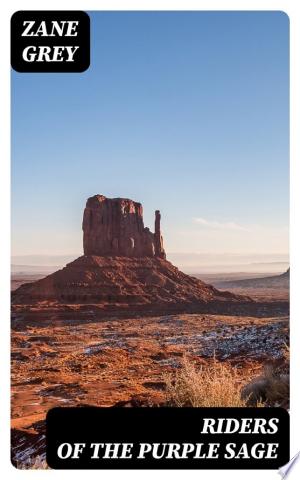
The novel’s action unfolds in the remote, rugged canyons and sage-covered plateaus of southern Utah. This wild setting is as much a character as any person, shaping destinies with its beauty and peril. Grey’s descriptions of purple-hued cliffs, labyrinthine canyons, and endless skies evoke both awe and danger, reflecting the psychological landscapes of the characters themselves.
Main Characters
Here’s a handy table summarizing the novel’s key players:
| Name | Role | Key Traits | Importance to Plot |
|---|---|---|---|
| Jane Withersteen | Mormon ranch owner | Independent, compassionate, devout | Central figure resisting patriarchal authority; source of conflict |
| Lassiter | Mysterious gunman | Ruthless, haunted, just | Drives action; embodies outsider justice and personal redemption |
| Bern Venters | Young Gentile rider | Loyal, courageous, idealistic | Jane’s ally; his journey parallels her struggle |
| Fay Larkin | Orphaned girl | Innocent, resilient, secretive | Symbolizes hope and the future; key to plot’s climax |
| Elder Tull | Mormon elder, antagonist | Authoritative, manipulative | Represents oppressive religious authority |
| Judkins | Jane’s loyal rider | Brave, loyal, practical | Aids Jane in defending her ranch |
| Bishop Dyer | Mormon bishop, antagonist | Charismatic, ruthless | Major antagonist, drives much of the conflict |
| Bess (The Masked Rider) | Outlaw’s companion, Venters’ love interest | Mysterious, strong-willed, vulnerable | Central to Venters’ subplot; her identity is a major reveal |
Plot Summary
Let’s break down the novel’s winding plot into digestible sections:
1. Jane Withersteen’s Dilemma
Jane Withersteen, a wealthy Mormon ranch owner, is under attack—figuratively and literally—by the leaders of her own church. Elder Tull, determined to gain control of Jane’s land and force her into a polygamous marriage, employs intimidation, sabotage, and threats. Jane’s refusal to conform, and her kindness toward non-Mormons, especially the Gentile rider Bern Venters, puts her at odds with her community.
2. The Arrival of Lassiter
Enter Lassiter, a mysterious gunman with a reputation for hunting down Mormons responsible for the disappearance of his sister. He rides into Cottonwoods just as Tull is about to whip Venters, and his presence shifts the balance of power. Lassiter’s code of justice and his growing affection for Jane complicate her situation but also offer her a lifeline.
3. Venters’ Exile and Discovery
After saving Venters, Jane is forced to let him go for his own safety. Venters heads into the wilds, where he confronts the notorious cattle rustler Oldring and his mysterious masked companion. Venters’s journey leads him to a hidden valley where he discovers Bess, the Masked Rider, wounded and vulnerable. As he nurses her back to health, a bond forms between them, revealing secrets that shake everything Venters thought he knew about Oldring’s gang.
4. The Siege of Withersteen House
Back at Withersteen House, Jane’s troubles escalate. Her employees are intimidated or driven away, her cattle are stolen, and her resources dwindle. Tull and Bishop Dyer increase the pressure, seeking to break her spirit. Lassiter stands as Jane’s only protector, and his resolve to defend her grows even as he is drawn toward violent retribution.
5. Showdowns and Revelations
Both plotlines hurtle toward dramatic confrontations. Lassiter’s quest for vengeance and Jane’s struggle for autonomy collide with the community’s rigid hierarchy. Venters and Bess must decide whether to risk everything for a new life together. The novel crescendos in a series of shootouts, escapes, and moral reckonings that leave the purple sage stained with blood and hope.
Themes and Motifs
1. Individual Freedom vs. Social Oppression
Jane’s fight to maintain her independence against religious tyranny is the novel’s beating heart. Grey examines the costs of conformity and the courage required to defy unjust authority.
2. Justice and Vengeance
Lassiter represents the blurred line between justice and revenge. His personal vendetta against the Mormon hierarchy raises questions about the morality of frontier justice.
3. Gender Roles and Female Agency
Jane Withersteen is a rare figure in early Westerns—a woman of property and principle. Her struggle to assert herself in a patriarchal society resonates with ongoing debates about gender and power.
4. Nature as Sanctuary and Adversary
The Utah landscape is both refuge and obstacle. Hidden valleys offer sanctuary for Venters and Bess, while the open sagebrush plains expose characters to danger. Nature reflects the characters’ emotional states and shapes their destinies.
5. Faith and Doubt
The novel interrogates religious faith, both as a source of comfort and as a tool of oppression. Jane’s crisis of faith and her compassion for outsiders challenge the boundaries of belief.
Table: Key Themes in Riders of the Purple Sage
| Theme | Description | Example from Text |
|---|---|---|
| Individual Freedom | Struggle against rigid authority | Jane’s resistance to Tull’s demands |
| Justice vs. Vengeance | Morality of personal revenge | Lassiter’s pursuit of his sister’s abductors |
| Gender & Power | Female agency vs. patriarchal control | Jane’s ownership of Withersteen ranch |
| Nature’s Duality | Landscape as both haven and hazard | Hidden valley vs. open plains |
| Faith and Doubt | Questioning religious dogma | Jane’s evolving relationship with Mormonism |
Literary Techniques and Style
1. Vivid Descriptive Prose
Grey’s evocative descriptions of the Utah landscape set the gold standard for Western fiction. His use of color, light, and sensory detail immerses readers in a world both beautiful and brutal.
2. Multiple Perspectives
The narrative alternates between Jane’s, Lassiter’s, and Venters’s viewpoints, offering a panoramic view of the conflict. This multi-threaded approach adds depth and suspense.
3. Symbolism
The “purple sage” itself is more than a backdrop—it symbolizes the wild, untamed spirit of the West and the possibility of renewal. Hidden valleys represent hope and new beginnings.
4. Realism and Romanticism
Grey combines gritty realism—gunfights, betrayals, moral ambiguity—with romantic elements: star-crossed lovers, redemptive transformations, and the dream of a better life.
5. Dialogue and Dialect
Characters speak in a blend of formal and colloquial language, capturing the cadences of frontier speech. Grey’s dialogue reveals character and heightens dramatic tension.
Author’s Background
Zane Grey: Dentist Turned Literary Legend
Pearl Zane Grey (1872–1939) was an Ohio-born dentist who longed for adventure. Inspired by the stories of the Old West and his own travels, Grey wrote prolifically about cowboys, outlaws, and wilderness—all from the comfort of his study (when not on fishing trips). Riders of the Purple Sage was his breakthrough, followed by dozens of bestsellers.
Literary Influences and Legacy
Grey drew on dime novels, frontier folklore, and classic adventure tales. His work inspired countless films, radio shows, and even comic books. Critics have debated his prose style, but his impact on the Western genre is undisputed—he helped transform Westerns from pulp entertainment into serious literature.
Key Takeaways
- Riders of the Purple Sage is a foundational work of the Western genre.
- The novel explores themes of justice, freedom, gender, and faith.
- Jane Withersteen is a pioneering female protagonist in American fiction.
- The Utah landscape is central to the story’s mood and meaning.
- Zane Grey’s influence on American culture and literature is profound and enduring.
Reader’s Takeaway
Prepare to be swept away by a story that’s as exciting as it is emotionally rich. You’ll find yourself cheering for Jane’s courage, questioning Lassiter’s methods, and marveling at the wild beauty of the purple sage. Whether you’re studying American literature or simply love a good adventure, this novel offers a thrilling ride and plenty to ponder long after the last shot is fired.
Conclusion
Riders of the Purple Sage remains a touchstone of American storytelling—a thrilling, thoughtful tale that explores what it means to be free in a world of shifting loyalties and harsh landscapes. Zane Grey’s unforgettable characters and vivid settings invite readers to lose themselves in the mythic West, while his probing questions about authority, justice, and redemption resonate today. If you haven’t yet explored Grey’s purple-hued world, now’s the perfect time to saddle up and ride into literary history.
For those eager to dive deeper, consider examining the novel’s portrayal of faith, its influence on later Westerns, or the enduring appeal of its independent heroine. Happy reading, and may your own journey through the purple sage be just as unforgettable!
Riders of the Purple Sage FAQ
What is 'Riders of the Purple Sage' about?
'Riders of the Purple Sage' is a classic Western novel by Zane Grey set in Utah in the 1870s. It follows the story of Jane Withersteen, a Mormon ranch owner, who faces persecution from her community. The novel intertwines themes of justice, freedom, and love, as the mysterious gunman Lassiter arrives to help Jane fight against oppression.
Who are the main characters in 'Riders of the Purple Sage'?
The main characters include Jane Withersteen, a strong-willed ranch owner; Lassiter, a gunslinger with a mysterious past; Bern Venters, Jane's loyal rider; and Fay Larkin, a young girl caught up in the turmoil.
What is the significance of the Purple Sage in the novel?
The Purple Sage refers to the vast, beautiful, and sometimes dangerous landscape of the Utah frontier, where much of the novel's action takes place. It symbolizes the wildness and freedom of the American West.
When was 'Riders of the Purple Sage' published?
'Riders of the Purple Sage' was first published in 1912.
Why is 'Riders of the Purple Sage' considered a classic Western novel?
The novel helped define the Western genre with its vivid descriptions of the landscape, complex characters, and themes of justice, individualism, and romance. Zane Grey's storytelling set the standard for many Western novels and films that followed.
Are there sequels or related works to 'Riders of the Purple Sage'?
Yes, Zane Grey wrote a sequel called 'The Rainbow Trail' (also known as 'The Desert Crucible'), which continues the story of some of the main characters.
Has 'Riders of the Purple Sage' been adapted into film or other media?
Yes, the novel has been adapted into several films and television movies, starting from silent films in the early 20th century up to modern adaptations.
What themes are explored in 'Riders of the Purple Sage'?
Key themes include religious intolerance, the struggle for personal freedom, justice, love, and the power of redemption.
Is 'Riders of the Purple Sage' based on real events?
No, the novel is a work of fiction, though Zane Grey drew inspiration from real landscapes and historical tensions in the American West.