

Synopsis
Covers the whole plot, including the ending.
- Difficulty
- Easy
- Pacing
- Moderate
- Mood
- Intriguing, Whimsical, Adventurous, Heartwarming
- Read it if
- You enjoy character-driven mysteries set in a unique fantasy world, with a focus on diplomacy and self-discovery rather than epic battles.
- Skip it if
- You prefer high-action fantasy with a traditional 'hero's journey' and strong magical elements.
River Secrets Plot Summary
Covers the whole plot, including the ending.
A Soldier's Reluctance
Razo, a young man from the Forest, is an unlikely soldier in the Bayern army. He is not good with a sword and prefers observing to fighting. He constantly questions his place, feeling like a burden and thinking Captain Geric, the leader of the Queen's Guard, pities him. Despite his self-doubt, Geric chooses Razo for an elite diplomatic mission: escorting Ambassador S ac to Tira, a rival country. Razo's internal conflict is clear as he trains, often losing fights. Yet, he has a unique talent for noticing details and understanding people that his comrades miss, hinting at his true strengths.
Journey to Tira and First Impressions
The Bayern group, including Razo, Captain Geric, and Ambassador S ac, begins the long trip to Tira. As they travel south, Razo observes the changing land and the people they meet. Tira is a country of extremes: sun-baked deserts and green, irrigated fields. Its society has strict social levels and a general distrust of outsiders. Razo's sharp observational skills immediately pick up on subtle cues and tensions among the Tirans, noticing their guarded expressions and the tension in the air. This hints at the challenges they will face in this new land.
Arrival and a Grim Discovery
The Bayern group finally arrives at the Tirans' royal compound, a place of stark beauty and strict rules. Soon after they get there, they are shocked to find a dead body—one of the Tirans' own soldiers. This murder immediately casts a shadow over the diplomatic mission, turning what was meant to be a negotiation into a possible international incident. Razo, with his sharp eyes and quiet nature, is the first to notice important details at the crime scene, details that more experienced soldiers and guards overlook. This event forces Razo to face his unease with violence and recognize the unexpected value of his unique perspective in a crisis.
Razo's Unconventional Investigation
After the murder, Razo quietly begins his own investigation. This is different from the more traditional and often forceful methods of his fellow soldiers. He is drawn to the common people of Tira—stable boys, servants, and market vendors—people often ignored by those in power. His gentle manner and genuine curiosity help him earn their trust. He learns valuable bits of gossip, rumors, and observations that official channels miss. He becomes friends with a stable boy named Lale, who provides important insights into the daily lives and hidden tensions within the Tiran compound, showing that information can come from unexpected places.
A Growing Body Count
As the diplomatic mission continues, the tension in Tira grows with the discovery of more dead bodies. The murders are not isolated but seem to be part of a larger, more sinister plot. Each new death makes Bayern's position more difficult, making them both suspects and potential targets. Captain Geric works to maintain order and protect his soldiers, while Ambassador S ac tries to navigate the increasingly hostile political situation. Razo, feeling the weight of the growing body count, intensifies his unofficial investigation. He realizes that the solution to the mystery might lie in the subtle patterns and overlooked details he has been observing, a task he feels uniquely suited for.
Unraveling the Conspiracy
Through his persistent observations and conversations, Razo starts to put together the information he has gathered. He notices inconsistencies in statements, strange behaviors among certain Tiran officials, and patterns in the murders that suggest a deeper conspiracy rather than random acts of violence. He discovers that the murders are linked to a power struggle within Tira's ruling class, with various groups vying for control. His insights are often dismissed by more conventional thinkers, but Geric, recognizing Razo's unique talent, begins to pay more attention to his quiet soldier's deductions. Razo's ability to 'hear' what people are not saying proves very helpful.
The River's Secret
Razo's investigation eventually leads him to understand the true reason behind the murders and the political unrest: control over the precious river that sustains Tira. The river is not just a source of water but also a symbol of power and wealth. Its management is central to the conflict between the ruling family and ambitious factions. He realizes that the 'river secrets' are not just about water rights, but about the very lifeblood of Tira and the deep resentments surrounding its distribution. This revelation connects all the seemingly separate pieces of the puzzle and clarifies the high stakes of the ongoing power struggle.
Confrontation and Capture
With Razo's important insights, Captain Geric and the Bayern soldiers move to confront those behind the conspiracy. The confrontation is tense and dangerous, happening amidst the political maneuvering of the Tiran court. Razo, despite not being good at fighting, plays a vital role by identifying key conspirators and providing crucial information at the right moments, allowing Geric to strategically corner the guilty parties. The Bayern soldiers, with Geric's leadership, manage to arrest the main figures responsible for the murders and the destabilization of Tira, preventing more bloodshed and bringing a temporary end to the crisis.
A Difficult Resolution
Although the immediate threat is gone and the conspirators are exposed, the resolution is not simple. Tira's political situation remains fragile and deeply affected by the events. The Bayern group, having uncovered a major internal conflict, must carefully balance not overstepping their diplomatic role while ensuring justice. Ambassador S ac works to negotiate a path forward for Bayern's relationship with Tira, while Geric ensures the safety of his soldiers. Razo reflects on the complexities of Tiran society and the compromises needed to maintain peace, even when facing injustice. He understands that not all wounds heal quickly.
Razo's Return and Self-Acceptance
The Bayern group, having survived the dangerous mission, finally returns home. Razo is no longer the self-doubting soldier who left. His experiences in Tira, where his unique talents for observation and understanding people proved very valuable, have changed him. He has learned to appreciate his quiet strength and the power of his empathy, realizing that heroism comes in many forms, not just with a sword. He returns with a new sense of purpose and confidence, no longer questioning his place in the world or in the Queen's Guard. He understands that his true value lies in his ability to 'see' and 'hear' what others cannot.
Principal Figures
Razo
Protagonist
A gentle, observant Bayern soldier who discovers his true strength lies in empathy and perception.
Razo is a young man from the Forest, chosen to be a soldier despite his lack of combat prowess. He is quiet, introspective, and highly observant, often feeling like an outsider among his more boisterous comrades. He possesses a unique ability to notice subtle details and understand people's unspoken feelings and motivations. His empathy allows him to connect with individuals from all walks of life, making him an unconventional but highly effective investigator. He struggles with self-doubt and the expectations placed upon soldiers, but his journey to Tira forces him to embrace his true talents.
Relationships: Captain Geric (Mentor and commander; Geric recognizes and fosters Razo's unique talents.); Lale (Friend and informant; a stable boy in Tira who helps Razo with his investigation.); Ambassador S ac (Diplomatic leader; Razo serves as her escort and unofficial investigator.)
Captain Geric
Supporting
The pragmatic and discerning leader of the Queen's Guard, who trusts Razo's unconventional abilities.
Captain Geric is a seasoned and respected soldier, the leader of the Queen's Guard. He is pragmatic, disciplined, and fiercely protective of his men. Unlike many, he possesses a keen judgment of character and sees beyond Razo's apparent weaknesses, recognizing his potential and unique strengths. Geric serves as a mentor figure to Razo, providing him with opportunities and trusting his instincts even when they seem unconventional. He is a skilled diplomat and strategist, navigating the complex political landscape of Tira while ensuring the safety and success of his mission.
Relationships: Razo (Commander and mentor; he trusts Razo's insights and protects him.); Ambassador S ac (Colleague and superior; he provides security for her diplomatic mission.)
Ambassador S ac
Supporting
The wise and experienced Bayern diplomat leading the mission to Tira.
Ambassador S ac is a shrewd and experienced diplomat from Bayern. She is the official leader of the mission to Tira, tasked with negotiating peace and fostering alliances. She is intelligent, observant, and capable of navigating complex political situations with grace and firmness. While she relies on Geric for security, she also quietly observes the unfolding events and appreciates Razo's subtle contributions to understanding the Tiran situation. She represents Bayern's diplomatic face and often acts as a bridge between the military and political objectives.
Relationships: Razo (Subordinate in her delegation; she recognizes his quiet usefulness.); Captain Geric (Security detail leader; she relies on him for protection and strategic advice.)
Lale
Supporting
A humble Tiran stable boy who becomes Razo's trusted informant and friend.
Lale is a young Tiran stable boy working in the royal compound. He is kind, observant, and initially wary of the Bayern foreigners. However, Razo's gentle demeanor and genuine interest quickly earn Lale's trust. As someone from the lower social strata, Lale has access to gossip and information that circulates among the servants and common folk, which proves invaluable to Razo's investigation. He represents the everyday Tiran citizen caught in the political turmoil, and his friendship with Razo highlights the possibility of connection across cultural divides.
Relationships: Razo (Friend and confidant; he provides Razo with crucial information.)
The Tiran Commander (unnamed)
Supporting
A high-ranking Tiran military official, initially suspicious of the Bayern, who slowly aids the investigation.
This unnamed Tiran military commander is a stern and formidable figure, responsible for security within the Tiran compound. He is initially suspicious of the Bayern delegation, viewing them as potential threats or complications. However, as the murders escalate and Razo's unconventional insights begin to make sense, he grudgingly starts to cooperate with Geric and allows Razo some leeway. He embodies the rigid hierarchy and cautious nature of Tiran society but ultimately seeks justice for his people, even if it means working with outsiders.
Relationships: Captain Geric (Official counterpart; they work together, often with friction, to solve the murders.); Razo (Initially dismissive; eventually respects Razo's insights.)
Queen Anid (Mentioned)
Mentioned
The Queen of Bayern, whose authority and peace-seeking efforts are the backdrop for the mission.
Queen Anid is the benevolent ruler of Bayern, mentioned as the sovereign who dispatched the diplomatic mission to Tira. Her desire for peace and stable relations with neighboring countries drives the entire plot. While she does not appear directly, her presence is felt through the actions of her representatives, particularly Captain Geric and Ambassador S ac, who operate under her authority and in service of her vision for Bayern. She embodies the stable and just rule that Bayern represents in contrast to Tira's internal strife.
Relationships: Razo (Her soldier, serving her kingdom.); Captain Geric (Her loyal captain, carrying out her orders.)
Themes & Insights
The Power of Unconventional Strengths
This theme explores how often overlooked abilities can be the most powerful. Razo's journey shows that observation, empathy, and quiet perception are as valuable as, if not more than, traditional combat skills. His ability to 'hear' what people do not say and connect with people from all backgrounds helps him solve the mystery where force or political maneuvering fail. The book supports the idea that true strength is embracing one's unique talents, even if they do not fit common ideas of heroism.
“He was a soldier. He couldn't fight. But he could see. And he could hear. And he could feel what others felt.”
Identity and Self-Acceptance
Razo's internal struggle with his identity as a soldier is central to this theme. He constantly doubts his worth because he does not fit the typical warrior mold. His journey to Tira forces him to face these insecurities and accept that his gentle nature and keen perception are not weaknesses but strengths. By the end of the story, Razo accepts who he is, understanding that his unique perspective makes him valuable, not his ability to wield a sword. This theme resonates with anyone who feels like an outsider or struggles to find their place.
“He was not a fighter. He was a listener. And sometimes, a listener was exactly what was needed.”
The Nature of Diplomacy and Conflict
The novel looks at the complexities of international relations, showing that diplomacy is not just about formal talks but also about understanding cultural differences, hidden motives, and the human element. The mission to Tira quickly turns from a diplomatic visit into a murder investigation, showing how external events can derail political goals. The conflict over the 'river secrets' shows that disputes often come from deep cultural and resource-based tensions. These require more than just military action to resolve. The book suggests that true peace requires empathy and understanding across borders.
“Peace was not just the absence of war, but the careful tending of people's hearts and hopes.”
Prejudice and Understanding
Prejudice appears in different ways throughout the story, from the Tirans' distrust of the Bayern outsiders to the social divisions within Tiran society. Razo's ability to overcome these barriers by befriending people like Lale, a stable boy, shows the power of genuine human connection over preconceived notions. The novel demonstrates how prejudice can blind people to the truth and keep conflict going. Empathy and a willingness to understand different perspectives are important for bridging divides and uncovering hidden truths. It supports looking beyond superficial differences.
“He saw the stable boy, not as a servant, but as a person with his own thoughts and his own stories.”
Plot Devices & Literary Techniques
The Unreliable Narrator (Self-Perception)
Razo's initial self-assessment is constantly challenged by his actual contributions.
While not a truly unreliable narrator in the traditional sense, Razo's internal monologue and self-perception act as a significant plot device. He consistently believes himself to be inadequate, clumsy, and unfit for soldiering. This internal 'unreliability' creates dramatic irony, as the reader quickly perceives his true talents for observation and empathy, which Razo himself struggles to acknowledge. This device builds suspense around his eventual self-acceptance and highlights the theme of unconventional strengths, as his perceived weaknesses are actually his greatest assets.
The MacGuffin (River Secrets)
The 'river secrets' serve as the central mystery driving the plot.
The 'river secrets' act as a MacGuffin, initially an abstract concept that encapsulates the underlying tensions and power struggles in Tira. While it eventually reveals itself to be about actual control over the river's resources, its initial ambiguity and the mystery surrounding it propel Razo's investigation and give purpose to the murders. It represents the hidden truth that Razo must uncover, providing a tangible goal for his unique observational skills and serving as the catalyst for the political intrigue and violence that unfolds.
Foreshadowing (Razo's Observations)
Razo's early, seemingly insignificant observations hint at future dangers and plot points.
Throughout the narrative, Razo's keen observational skills serve as a constant source of foreshadowing. Early in the journey and upon arrival in Tira, he notices subtle shifts in people's expressions, unusual quietness, or seemingly insignificant details about the environment. These small observations, often dismissed by others, later prove to be crucial clues or warnings of impending danger or revelations. This device not only builds suspense but also reinforces Razo's unique talent, showing how his quiet attention to detail is more effective than overt investigation.
Fish Out of Water
Razo's gentle nature and lack of combat skill make him an unlikely hero in a military setting.
The 'fish out of water' trope is central to Razo's character arc. As a gentle, empathetic young man from the Forest, he feels completely out of place in the rigid, combat-focused world of the Bayern army. His inability to wield a sword effectively and his preference for observation over confrontation mark him as an anomaly among his peers. This device highlights his journey of self-discovery, as he learns that his 'unsuitability' for traditional soldiering is precisely what makes him uniquely suited to solve the Tiran mystery, turning his perceived weakness into an unexpected strength.
River Secrets Quotes
“Sometimes the things we want are not the things we should want.”
“It was not enough to be good; one had to be good for something.”
“The river knew secrets. It carried them from mountain to sea, whispering them to anyone who listened.”
“Sometimes the bravest thing you can do is ask for help.”
“Love was not a thing to be earned, but a gift to be given.”
“A queen could be strong without carrying a sword.”
“The greatest battles were often fought not with swords, but with words and wits.”
“Trust was a fragile thing, easily broken and hard to mend.”
“Silence could be a weapon, or a shield, or a comfort.”
“It wasn't about being perfect, but about being true.”
“Even the smallest gesture could change the course of a life.”
“Fear was a cold companion, but it could also be a guide.”
“There were many kinds of strength, and not all of them involved muscles or magic.”
“A story was a living thing, changing with each telling.”
Quiz
10 questions on the plot and the characters. Each answer comes with a short explanation.
Question 1
What is Razo's initial self-perception regarding his suitability as a soldier at the beginning of 'River Secrets'?
- He believes he is the most skilled swordsman in his company.
- He feels he is a strong leader and strategist.
- He thinks he is clumsy with a sword and often bested by his brothers.
- He is confident in his physical strength but lacks tactical knowledge.
Show answer
C. He thinks he is clumsy with a sword and often bested by his brothers. Razo's initial insecurity stems from his perceived lack of soldiering skills; he notes he can barely swing a sword and is easily wrestled by his brothers.
Question 2
Which country is Bayern's 'great enemy' that Razo and the ambassador's escort mission travels to?
- Kildenree
- Tira
- Queendom of Bayern
- Esten
Show answer
B. Tira The mission involves escorting the ambassador into Tira, which is explicitly stated as Bayern's great enemy.
Question 3
What is the very first significant event that Razo encounters upon the Bayern's arrival in Tira?
- He attends a grand diplomatic ball.
- He discovers a dead body.
- He is immediately captured by Tiran soldiers.
- He has a friendly encounter with the Tiran king.
Show answer
B. He discovers a dead body. The text states, 'But when the Bayern arrive in the strange southern country, Razo discovers the first dead body,' setting the stage for the mystery.
Question 4
What unique talent or skill does Razo primarily rely on and develop throughout the story to aid the mission?
- Exceptional swordsmanship and combat prowess.
- Diplomatic negotiation and formal speech-making.
- His ability to observe, listen, and befriend people from all social strata.
- Mastery of ancient Bayern magic.
Show answer
C. His ability to observe, listen, and befriend people from all social strata. Razo excels at observation and befriending both the high and low born, allowing him to gather vital information, which is his true strength.
Question 5
How does Razo's captain's decision to include him on the elite mission initially affect Razo's self-esteem?
- It makes him feel immensely proud and confident in his abilities.
- He suspects it's an act of pity, reinforcing his belief that he's not a true soldier.
- He believes it's a test to prove his magical talents.
- It prompts him to immediately seek out combat training to prove himself worthy.
Show answer
B. He suspects it's an act of pity, reinforcing his belief that he's not a true soldier. Razo is sure it's out of pity that his captain asks him to join, indicating his low self-esteem regarding his soldiering capabilities.
Question 6
What is a central theme explored in 'River Secrets' regarding personal abilities, as highlighted by the book's description?
- Only those with inherent magical skills can truly make a difference.
- Physical strength and combat are the most important attributes for success.
- Even those without special magical skills can discover unexpected talents within themselves.
- Diplomacy is always more effective than direct action in resolving conflicts.
Show answer
C. Even those without special magical skills can discover unexpected talents within themselves. The description explicitly states, 'Enter a world where even those with no special magical skills find in themselves something they never imagined,' which is a core theme.
Question 7
What is the primary motivation for Razo to 'embrace his own talents' by the end of the story?
- To gain personal glory and a higher rank in the Bayern army.
- To impress the Tiran ambassador and secure a permanent position in Tira.
- To ensure the Bayern soldiers, including himself, return home alive.
- To uncover ancient Tiran magical secrets for Bayern.
Show answer
C. To ensure the Bayern soldiers, including himself, return home alive. The description states Razo 'must embrace his own talents in order to get the Bayern soldiers home again, alive,' indicating his motivation is the safety of his comrades.
Question 8
How does Razo's role on the mission evolve from his initial perception of himself?
- He starts as a skilled warrior and ends as a reluctant diplomat.
- He begins as an insecure, seemingly unqualified soldier and becomes the key figure whose unique talents solve the crisis.
- He transitions from being a follower to becoming the primary magical practitioner of the group.
- He remains a background character, never fully contributing to the mission's success.
Show answer
B. He begins as an insecure, seemingly unqualified soldier and becomes the key figure whose unique talents solve the crisis. Razo starts with self-doubt ('can barely swing a sword') but ultimately 'must embrace his own talents' to get the soldiers home, showing a significant evolution from insecurity to crucial contributor.
Question 9
What specific detail about Razo's family life contributes to his self-perception as less capable than a typical soldier?
- His brothers are all accomplished scholars, making him feel unacademic.
- His brothers are forever wrestling him to the ground, highlighting his physical weakness.
- His parents are both renowned generals, setting an impossibly high standard.
- He is the only one in his family without any magical abilities.
Show answer
B. His brothers are forever wrestling him to the ground, highlighting his physical weakness. The text states, 'his brothers are forever wrestling him to the ground,' which directly contributes to his feeling physically inadequate as a soldier.
Question 10
How does 'River Secrets' connect to Shannon Hale's previous work, 'The Goose Girl'?
- It is a direct sequel, featuring the same main character, Anidori-Kiladra.
- It introduces a completely new world and magic system unrelated to 'The Goose Girl'.
- It returns the reader to the intrigue and magic of Bayern, the setting first introduced in 'The Goose Girl'.
- It features a minor character from 'The Goose Girl' as the new protagonist.
Show answer
C. It returns the reader to the intrigue and magic of Bayern, the setting first introduced in 'The Goose Girl'. The description clearly states, 'Shannon Hale returns the reader to the intrigue and magic of Bayern, first introduced in her critically acclaimed novel, The Goose Girl,' establishing a shared setting.
River Secrets FAQ
What is the primary conflict Razo faces at the beginning of 'River Secrets'?
Razo's main conflict is his profound insecurity about his own abilities, particularly his physical prowess as a soldier. He constantly compares himself unfavorably to his stronger brothers and fellow soldiers, believing his inclusion in the elite mission is out of pity rather than merit.
Where does the elite mission take Razo and the Bayern soldiers?
The mission takes Razo and the Bayern soldiers to Tira, Bayern's long-standing enemy to the south. Their purpose is to escort the Bayern ambassador and establish diplomatic relations, a journey into unfamiliar and potentially hostile territory.
What significant event marks the Bayern's arrival in Tira?
Soon after their arrival in Tira, Razo discovers the first dead body, a critical event that immediately thrusts the Bayern contingent into a murder investigation. This discovery sets a tense and dangerous tone for their diplomatic mission.
What unique skill does Razo discover he possesses during the investigation?
Razo discovers he possesses an extraordinary talent for observation and understanding people, particularly their emotions and subtle cues. He can 'read' the unspoken language of others, which proves invaluable in uncovering secrets and motives in Tira.
Who are some of the key individuals Razo befriends in Tira?
Razo befriends a diverse group in Tira, including the high-born Lady Dasha, the young maid Geric, and the stable boy, whose different perspectives and information prove crucial to his investigation. These relationships help him navigate the complex social landscape of Tira.
How does 'River Secrets' connect to the events and characters of 'The Goose Girl'?
'River Secrets' is set in the same world as 'The Goose Girl,' specifically in the kingdom of Bayern, and features secondary characters from the first book, such as Enna, Finn, and Isi. While Razo is a new protagonist, the established political landscape and magical elements from 'The Goose Girl' provide the foundation for his story.
What is the significance of the 'river secrets' mentioned in the title?
The 'river secrets' refer to the hidden truths and unspoken knowledge that flow beneath the surface of Tiran society, much like a river. Razo's ability to 'read' people allows him to tap into these underlying currents of emotion and information, revealing the true nature of events and individuals.
What is the nature of the magic in Tira compared to Bayern?
While Bayern is known for its elemental magic (wind, fire, water, stone), Tira's unique magical affinity is not explicitly detailed but implied to be different, focusing more on the nuanced interactions and social dynamics Razo observes. The contrast highlights Razo's non-magical, yet equally powerful, talent.
How does Razo's internal struggle with self-worth impact his initial investigation?
Razo's low self-worth initially makes him hesitant to voice his observations or trust his instincts, fearing he'll be dismissed. However, this very insecurity also makes him highly attuned to the subtle behaviors of others, as he's constantly assessing social dynamics, which paradoxically aids his detective work.
What psychological shift does Razo undergo regarding his definition of strength?
Razo shifts his definition of strength from purely physical prowess to include intellectual and emotional intelligence. He learns that his empathy, observational skills, and ability to connect with people are forms of strength as vital, if not more so, than wielding a sword in resolving complex situations.
How does Razo's outsider status in Tira contribute to his effectiveness?
As an outsider, Razo lacks the ingrained biases and expectations of Tiran society, allowing him to see situations with fresh eyes. He isn't bound by their social hierarchies or political allegiances, which enables him to approach suspects and witnesses without preconceived notions and build trust across different classes.
What role does empathy play in Razo's character development?
Empathy is central to Razo's development; it's the core of his unique talent. By deeply understanding the emotions and motivations of others, he not only solves the mystery but also grows personally, learning to value his own empathetic nature as a powerful asset rather than a weakness.
Is Razo's talent for 'reading' people a form of magic, or something else?
This is open to interpretation. While not explicitly defined as elemental magic like in Bayern, Razo's heightened intuition borders on the supernatural. It could be seen as an innate, non-magical talent honed to an extraordinary degree, or a subtle, unrecognized form of emotional magic unique to him.
How does the book challenge traditional notions of heroism?
The book challenges traditional heroism by presenting Razo, an unlikely, physically unheroic protagonist, as the true hero. It argues that heroism isn't solely about physical strength or magical power, but also about intelligence, empathy, and the courage to trust one's unique abilities, even if they're unconventional.
What is the underlying message about diplomacy and understanding between rival nations?
The book suggests that true diplomacy requires more than formal agreements; it demands genuine understanding and empathy between cultures and individuals. Razo's ability to bridge divides and understand Tiran perspectives is crucial for the Bayern mission, highlighting the importance of personal connection in international relations.
Could the 'river secrets' also refer to the hidden truths within Razo himself?
Yes, absolutely. The 'river secrets' metaphor can extend to Razo's own journey of self-discovery. He uncovers his hidden talents and strengths, revealing the 'secrets' of his true potential that were submerged beneath his insecurities and self-doubt, much like the hidden currents of a river.
How does the murder mystery genre element serve the larger themes of the book?
The murder mystery serves as a compelling plot device to force Razo to confront his insecurities and utilize his unique observational skills. It provides a tangible external conflict through which the themes of self-worth, unconventional heroism, and cross-cultural understanding can be explored and ultimately resolved.
What does Razo's relationship with Enna demonstrate about friendship and support?
Razo's friendship with Enna demonstrates the importance of supportive relationships, where friends see and value each other's unique strengths, even when they struggle to see them themselves. Enna's belief in Razo, despite his self-doubt, helps him to eventually recognize and embrace his own talents.
About the author

Shannon Hale is an American author known for her work in children's and young adult fiction. Her notable books include "The Goose Girl," "Princess Academy," "Book of a Thousand Days," "River Secrets," "Forest Born," and "Palace of Stone," which often feature themes of adventure and self-discovery. Hale's storytelling has garnered a dedicated readership and critical attention.
Similar books
- The Goose Girl
Shannon Hale
4.1 (131k) average on GoodreadsFantasySet in the same world, features similar prose and character development.
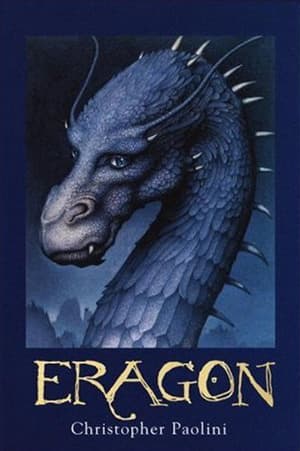
- Eragon
Christopher Paolini
3.9 (1.4M) average on GoodreadsFantasyWhile Eragon offers a grand, epic fantasy with high-stakes magical battles and a chosen one narrative, River Secrets provides a more intimate, character-driven story focused on a 'quiet hero' and non-magical problem-solving. Hale's book prioritizes internal growth and detective work over large-scale conflicts.
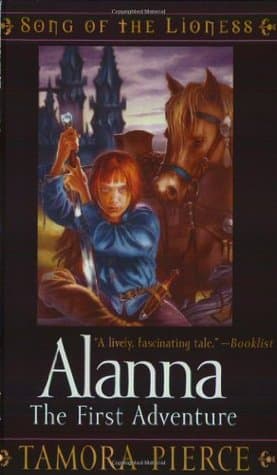
- Alanna: The First Adventure
Tamora Pierce
4.2 (116k) average on GoodreadsFantasyTamora Pierce's Alanna series features a strong female protagonist who defies gender norms through physical prowess and magical talent. River Secrets, conversely, focuses on a male protagonist who succeeds through observation, wit, and emotional intelligence, offering a different model of heroism that emphasizes intellectual and diplomatic skills rather than direct combat or magic.
- Harry Potter and the Sorcerer's Stone
J.K. Rowling
4.5 (7M) average on GoodreadsFantasyRescued from a miserable life under the stairs, an orphaned boy discovers he's a wizard destined for a magical school, where he uncovers a dangerous secret tied to the dark wizard who murdered his parents.
- The Hunger Games
Suzanne Collins
4.3 (6.4M) average on GoodreadsFantasyIn a future where children fight to the death on live television, Katniss Everdeen volunteers for the arena, turning a death sentence into a fight for survival and a spark of rebellion.
- 1984
George Orwell
4.2 (3.1M) average on GoodreadsPoliticsIn a future where surveillance and thought control are absolute, a man's search for truth clashes with the Party, showing that hope can be a form of rebellion.




Enjoyed the summary?
A summary gives you the shape of the book. The book itself has the detail, the examples and the voice.
Find River Secrets on AmazonAs an Amazon Associate, BookBrief earns from qualifying purchases. How we're funded