

Estimated read time: 7 min read
One Sentence Summary
In "Sad Cypress," Hercule Poirot investigates a complex murder case involving love, jealousy, and a disputed inheritance after a woman dies under suspicious circumstances.
Table of Contents
Introduction
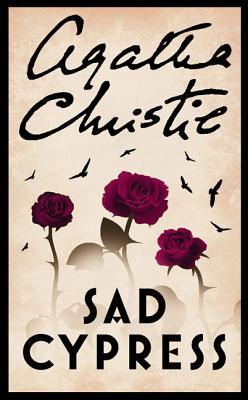
Agatha Christie's Sad Cypress is a captivating mystery novel that weaves a tale of love, betrayal, and justice. Part of the celebrated Hercule Poirot series, this 1940 novel stands out for its psychological depth and courtroom drama. It showcases Christie's mastery in crafting suspense, richly developed characters, and an intricate plot that keeps readers guessing until the final revelation. For students and lecturers exploring detective fiction, Sad Cypress offers an illuminating case study in narrative structure and thematic exploration within the Golden Age of mystery writing.
Historical Context
Set against the backdrop of early 20th-century England, Sad Cypress reflects societal norms and the legal system of its time. The story unfolds shortly before World War II, a period when British society was marked by traditional class distinctions and evolving gender roles. Christie's portrayal of the English legal process and social dynamics provides a window into this era's culture.
The novel’s title references the cypress tree—a symbol of mourning and death—foreshadowing the tragic elements central to the story. Christie, writing during the interwar years, was influenced by the societal tensions and psychological complexities of her time, which she skillfully embeds in the narrative.
Brief Synopsis
Plot Overview
Sad Cypress centers on the mysterious death of Mary Gerrard, a wealthy young woman who succumbs to poisoning after changing her will. Suspicion falls on Elinor Carlisle, Mary’s devoted friend and heir, who is accused of murder. Hercule Poirot, the brilliant Belgian detective, is called upon to unravel the truth. The narrative explores themes of jealousy, trust, and the pursuit of justice as Poirot meticulously examines the evidence and motives.
Setting
The story primarily takes place in the fictional English county of Kent, with key scenes set in serene country houses and the imposing courtroom. The atmosphere balances the tranquility of the English countryside with the tense undercurrents of suspicion and deceit, reflecting the contrast between appearance and reality.
Main Characters
| Name | Role | Key Traits | Importance to the Plot |
|---|---|---|---|
| Hercule Poirot | Detective | Methodical, perceptive, precise | Protagonist who investigates the murder |
| Elinor Carlisle | Accused/murder suspect | Loyal, intelligent, compassionate | Central figure, accused of poisoning Mary Gerrard |
| Mary Gerrard | Victim | Wealthy, kind-hearted, cautious | Her death triggers the murder investigation |
| Roddy Gerrard | Mary's fiancé | Devoted, emotional, protective | Provides insight into Mary’s relationships |
| Dr. Humbleby | Family doctor | Professional, observant | Offers medical testimony vital to the case |
| Sir George Ralston | Lawyer/Prosecutor | Ambitious, persuasive | Leads the prosecution against Elinor Carlisle |
Plot Summary
Part 1: The Tragedy Unfolds
The novel opens with Mary Gerrard’s sudden death, initially attributed to natural causes. However, the discovery of a lethal poison in her system quickly transforms the case into a murder investigation. Elinor Carlisle, who stood to inherit Mary’s fortune following the latter’s change of will, becomes the prime suspect. The narrative delves into Elinor’s background, her close relationship with Mary, and the complex dynamics with other characters.
Part 2: Investigation and Suspicion
Hercule Poirot enters the story, employing his trademark analytical skills to dissect the conflicting accounts of witnesses. The investigation uncovers a web of jealousy, financial motives, and hidden resentments. Poirot’s meticulous questioning reveals inconsistencies in alibis and testimonies, heightening the suspense.
Part 3: The Courtroom Drama
The trial of Elinor Carlisle forms the novel’s climax. Christie vividly depicts courtroom scenes, emphasizing the tension and emotional turmoil experienced by the accused. Through a series of cross-examinations and revelations, the narrative explores the themes of justice and truth. Poirot’s final deductions challenge assumptions and expose the real culprit, bringing the mystery to a dramatic resolution.
Themes and Motifs
Justice and Morality
Sad Cypress probes the complexities of justice, questioning the reliability of evidence and the potential for miscarriages of justice. The novel underscores the moral ambiguities faced by individuals when confronted with loyalty, love, and self-preservation.
Loyalty and Betrayal
The friendship between Elinor and Mary forms the emotional core of the story. The tension between loyalty and betrayal drives the plot, as characters navigate shifting alliances and concealed emotions.
Appearance vs. Reality
Christie expertly plays with appearances, illustrating how characters’ outward behavior can mask deeper truths. This motif resonates throughout the narrative, reinforcing the detective genre’s focus on uncovering hidden realities.
Symbolism of the Cypress
The cypress tree, traditionally associated with mourning, symbolizes both death and the enduring nature of grief. Its presence in the novel’s title and thematic structure enriches the narrative’s emotional depth.
Literary Techniques and Style
Christie employs a third-person narrative that closely follows key characters, allowing readers insight into their thoughts and motivations. Her prose is clear and economical, yet rich in psychological nuance. The novel’s structure balances a detailed investigation with character-driven drama, maintaining suspense without overwhelming complexity.
Notable techniques include:
- Red herrings: Misleading clues divert attention, a hallmark of Christie’s mysteries.
- Foreshadowing: Subtle hints prepare readers for plot twists.
- Courtroom realism: Detailed depiction of legal procedures enhances authenticity.
- Character contrasts: Juxtaposing personalities highlights thematic tensions.
Christie’s style remains accessible yet intellectually engaging, making Sad Cypress a compelling read for both casual fans and academic study.
Author's Background
Agatha Christie (1890–1976), known as the "Queen of Mystery," authored over 60 detective novels and numerous short stories. Her background in pharmacy during World War I influenced her accurate use of poisons in her plots. Christie’s writing is celebrated for its ingenious plotting, memorable characters like Hercule Poirot and Miss Marple, and her significant impact on the detective fiction genre.
Sad Cypress reflects Christie’s mature style, combining psychological insight with traditional mystery elements. Her legacy includes shaping modern crime fiction and inspiring countless adaptations in film and theater.
Key Takeaways
- The novel exemplifies Christie’s skill in blending psychological complexity with a classic whodunit structure.
- It highlights the limitations of the legal system and the importance of rigorous investigation.
- The story explores human emotions, particularly loyalty and jealousy, as catalysts for crime.
- The use of symbolism enriches the narrative’s thematic resonance.
- Poirot’s methodical approach demonstrates the power of observation and logic in solving mysteries.
Reader's Takeaway
Readers will find Sad Cypress both intellectually stimulating and emotionally engaging. The novel encourages reflection on the nature of justice and the intricacies of human relationships. Its courtroom scenes offer a fascinating look at legal drama, while the psychological depth adds richness beyond a typical mystery. Whether for entertainment or academic analysis, Sad Cypress provides a rewarding experience, illustrating why Agatha Christie remains a beloved figure in literature.
Conclusion
Sad Cypress stands as a testament to Agatha Christie’s enduring talent in crafting mysteries that are as psychologically profound as they are suspenseful. Its exploration of justice, loyalty, and deception invites readers to question appearances and consider the complexities of human behavior. For students and lecturers, the novel offers fertile ground for analysis of narrative techniques, themes, and genre conventions. Enthusiastic readers will find themselves drawn into a masterful tale that underscores why Christie’s work continues to captivate generations. Dive into Sad Cypress and uncover the secrets beneath its mournful cypress trees—there’s much more than meets the eye.
Sad Cypress FAQ
What is the main plot of Sad Cypress?
Sad Cypress is a detective novel featuring Hercule Poirot, who investigates the mysterious death of a woman named Mary Gerrard and the subsequent trial of Elinor Carlisle, accused of poisoning Mary.
Who is the detective in Sad Cypress?
The detective in Sad Cypress is the famous Belgian detective Hercule Poirot.
Is Sad Cypress part of a series?
Yes, Sad Cypress is one of the many novels featuring Agatha Christie's detective Hercule Poirot.
What genre does Sad Cypress belong to?
Sad Cypress is a mystery and detective fiction novel.
When was Sad Cypress first published?
Sad Cypress was first published in 1940.
Are there any major themes in Sad Cypress?
Major themes in Sad Cypress include justice, deception, love, and the complexities of human emotions.
Is Sad Cypress based on a true story?
No, Sad Cypress is a work of fiction created by Agatha Christie.
What is the significance of the title 'Sad Cypress'?
The title 'Sad Cypress' refers to a line from Shakespeare's play Hamlet, symbolizing mourning and sadness, which reflects the novel’s themes.
Are there any adaptations of Sad Cypress?
Sad Cypress has been adapted into television episodes as part of the Poirot series and also radio dramatizations.
What makes Sad Cypress unique among Agatha Christie's works?
Sad Cypress stands out for its courtroom drama elements and the deep emotional conflicts explored between the characters, alongside a classic Poirot investigation.


