
Synopsis
Covers the whole plot, including the ending.
- Difficulty
- Easy
- Pacing
- Fast
- Mood
- Humorous, Heartwarming, Chaotic, Romantic, Nostalgic
- Read it if
- You love chaotic family dynamics, a wedding setting, and a sweet, funny coming-of-age story with a touch of romance.
- Skip it if
- You prefer low-stakes plots, dislike large ensemble casts, or are looking for a very serious and dramatic read.
Save the Date Plot Summary
Covers the whole plot, including the ending.
The Grant Family Reunion Begins
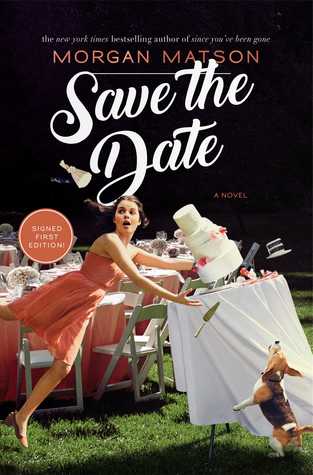
Seventeen-year-old Charlie Grant is excited for her oldest sister Linnie's wedding at their family home, a house in rural Connecticut that will soon be sold. This weekend is the first time in years all four of her older siblings—Linnie, Mike, JJ, and Danny—will be together. Charlie, a cartoonist, hopes to draw the event, saving these last moments before everything changes. She wants to make the weekend perfect, ignoring her own college decisions and the arrival of her childhood crush, Jesse Foster, who is now a groomsman. However, small problems quickly appear, hinting at the disaster to come.
Arrivals, Awkwardness, and an Alarm
As the Grant family and wedding guests arrive, Charlie's plan for a perfect weekend starts to fall apart. Her brother Danny brings an awful girlfriend, Tiffany, upsetting everyone. A stray dog, later named Barky, shows up and is noisy. The house alarm keeps going off, causing constant trouble. Charlie's childhood crush, Jesse Foster, is there, creating tension. Amidst the growing chaos, Charlie is drawn to the wedding planner's nephew, Bill, who is charming and helpful. These early problems show the challenges the family will face before Linnie's wedding.
The Tuxedo Debacle and Neighborly Nuisance
The wedding weekend continues to worsen. Linnie's fiancé, Ben, finds his tuxedo missing, leading to a frantic search. The Grants' neighbor, Mr. Henderson, seems to want to ruin the wedding, complaining about noise and threatening to call the police. The papergirl, who dislikes the Grant family, keeps delivering the newspaper to the wrong house and causes small annoyances. Charlie, overwhelmed, struggles to stay positive. She talks to Bill, finding comfort in his calm way amidst the chaos, while also dealing with her feelings for Jesse.
Rain, Relatives, and Relationship Revelations
A big rainstorm hits the Grant home, making outdoor wedding plans harder. The bad weather forces guests inside, increasing family tensions. Relatives who haven't spoken in years are forced to be close, leading to awkward moments. Charlie watches her siblings more closely, realizing their lives have changed in ways she hadn't understood. She sees Linnie's stress, Mike's quiet problems, JJ's attempts to impress, and Danny's unawareness. These observations challenge Charlie's perfect idea of her family, making her see their adult lives.
The Missing Justice of the Peace
Just when things seem bad enough, the Justice of the Peace cannot be found. Frantic calls and searches follow, adding huge pressure to Linnie and Ben. Charlie, seeing her sister's worry, feels the weight of the disaster. The family works together, trying to find a replacement, but options are few due to the last-minute need and the storm. This event shows the family's ability to unite in a crisis, despite their differences, and makes Charlie step up to help solve the problem.
Band Trouble and Guest Quirks
The wedding band arrives with a 'covers only' rule, disappointing Linnie, who wanted original music. This small but important detail further breaks her vision for the perfect wedding. Meanwhile, the odd group of wedding guests, including quirky relatives and friends, add to the comedy. Charlie, with her sketchbook, watches everyone, drawing their absurd and endearing qualities. The interactions among guests show the complex dynamics of the Grant family and their friends, giving Charlie lots of material for her art.
Confessions and Compromises
Amidst the growing chaos, Charlie finally deals with her long-standing feelings for Jesse Foster. However, her connection with Bill, the wedding planner's nephew, becomes clear. She struggles with what she expected versus what she feels. The Grant family has to make big changes to the wedding. The outdoor ceremony is moved inside, and other plans are changed due to the problems. These changes, initially upsetting, lead to unexpected moments of closeness and laughter, showing the family's strength and ability to adapt.
The Wedding Day: Unexpected Blessings
The wedding day arrives, and Linnie and Ben's ceremony happens. It is not the perfect event Charlie had imagined, but it has an improvised charm and real emotion that makes it special. The family works together, with different members helping to fill gaps and solve last-minute problems. Charlie, with her sketchbook, captures the real, beautiful moments of the day – the laughter, the tears, and the love that connects her family. The wedding, despite its flaws, becomes a celebration of love and family, and their ability to find joy in chaos.
A New Perspective
As the wedding ends, Charlie's view changes. She realizes that her search for a 'perfect' last weekend was about trying to stop time and prevent change. Seeing her family handle the chaos with humor, strength, and love, she understands that true happiness does not come from perfect ideals but from accepting the messy, unpredictable reality of life. She accepts that her family will change, and that the house, though loved, is just a place for their memories, not the memories themselves. This helps her look to her own future with new clarity.
Embracing the Future
With the wedding done, Charlie accepts her family home being sold. She understands that while the house holds many memories, the people in it are what truly matter. She also finds clarity about her college decisions, no longer feeling pressure to hold onto the past. Most importantly, Charlie fully accepts her feelings for Bill, seeing their real connection. She realizes that holding onto the past means missing out on the exciting possibilities of the future, for herself and for her family. The weekend, though chaotic, leads to new beginnings.
Save the Date Characters
Charlie Grant
Protagonist
A seventeen-year-old aspiring cartoonist trying to preserve her family's past.
Charlie is the youngest of five Grant siblings, an observant and artistic teenager who uses her sketchbook to process the world around her. She is initially driven by a strong desire to create one last 'perfect' family weekend before their childhood home is sold, fearing the changes that lie ahead. She idealizes her family and their past, often struggling to see them as complex individuals rather than fixed roles. Her internal conflict revolves around her reluctance to embrace the future, including her own college choices and burgeoning romantic feelings.
Relationships: Linnie Grant (Eldest sister, getting married, source of Charlie's initial focus.); Bill (Love interest, wedding planner's nephew, provides calm and a new perspective.); Jesse Foster (Childhood crush, represents a comfortable but stagnant past.); Grant Family (Her siblings and parents, whose dynamics she observes and eventually understands more deeply.)
Linnie Grant
Supporting
The eldest Grant sister, whose wedding is the central event of the story.
Linnie is the eldest Grant sibling and the bride-to-be. She is detail-oriented and initially stressed about her wedding plans, wanting everything to be perfect. She carries the weight of being the first to leave home and start her own family, and her wedding signifies a major shift for the entire Grant family. Despite the chaos, she demonstrates resilience and a deep love for her fiancé, Ben, and her family. She represents the impending changes Charlie is so resistant to.
Relationships: Charlie Grant (Younger sister, Linnie's wedding is a catalyst for Charlie's growth.); Ben (Fiancé, a stable and loving partner.); Grant Family (Her siblings and parents, whose presence and support are vital for her wedding.)
Bill
Love Interest
The wedding planner's charming and grounded nephew, who connects with Charlie.
Bill is the nephew of the wedding planner and becomes an unexpected love interest for Charlie. He is calm, observant, and possesses a quiet strength. Unlike Jesse, who represents Charlie's past, Bill embodies the potential for her future. He offers Charlie a fresh perspective on the chaos, often finding humor and beauty in the imperfections. His presence helps Charlie to see beyond her idealized vision of the weekend and embrace new possibilities.
Relationships: Charlie Grant (Love interest, their connection develops organically over the chaotic weekend.)
Jesse Foster
Supporting
Charlie's childhood crush, representing her past and reluctance to move on.
Jesse Foster is Charlie's long-standing childhood crush and a groomsman in Linnie's wedding. He represents Charlie's comfort zone and the idealized past she struggles to leave behind. While he is kind and familiar, his presence subtly highlights Charlie's reluctance to embrace new experiences and relationships. His interactions with Charlie are often tinged with nostalgia, but ultimately, he serves as a foil to Bill, prompting Charlie to re-evaluate what she truly desires.
Relationships: Charlie Grant (Childhood crush, a lingering romantic interest from the past.)
Mike Grant
Supporting
One of Charlie's older brothers, a quiet and somewhat reserved sibling.
Mike is one of Charlie's older brothers, often portrayed as more reserved and perhaps a bit melancholic compared to his siblings. He has his own personal struggles and quiet anxieties that Charlie gradually becomes aware of. His presence highlights the fact that each sibling has their own complex adult life, challenging Charlie's simplistic view of her family. He contributes to the family dynamic through his quieter observations and occasional dry wit.
Relationships: Charlie Grant (Younger sister, whom he cares for but with whom he has less overt interaction than other siblings.); Grant Family (His siblings and parents, part of the larger family dynamic.)
Danny Grant
Supporting
Charlie's fun-loving but sometimes oblivious older brother.
Danny is one of Charlie's older brothers, known for his laid-back attitude and tendency to bring home questionable girlfriends. He is often the source of comic relief but also represents a certain obliviousness to the family's deeper emotional currents. His arrival with Tiffany, his 'awful' girlfriend, is a major source of early chaos and humor. Danny's character underscores the idea that family members, even beloved ones, can be flawed and sometimes frustrating.
Relationships: Charlie Grant (Younger sister, often exasperated by his choices.); Tiffany (His 'awful' girlfriend, a source of family tension and humor.); Grant Family (His siblings and parents, part of the larger family dynamic.)
JJ Grant
Supporting
Charlie's older brother, who often tries to impress and maintain a certain image.
JJ is another of Charlie's older brothers, often characterized by his attempts to present a successful and put-together image. He is concerned with appearances and can be a bit of a showman. His interactions with the family reveal underlying insecurities and a desire for approval. Charlie observes his efforts to impress, adding another layer to her understanding of her siblings' complex adult lives. He contributes to the overall dynamic by adding a touch of performative humor and occasional tension.
Relationships: Charlie Grant (Younger sister, whom he often teases or tries to impress.); Grant Family (His siblings and parents, part of the larger family dynamic.)
Mr. Henderson
Mentioned
The Grants' curmudgeonly neighbor, who constantly complains about the wedding.
Mr. Henderson is the Grant family's grumpy and perpetually complaining neighbor. He embodies external obstacles and the resistance to change, constantly threatening to call authorities over noise and other perceived infringements. While not a central character, his presence adds a layer of comedic antagonism and further complicates the already chaotic wedding preparations. He serves as a minor antagonist, providing additional stress for the family.
Relationships: Grant Family (Antagonistic neighbor, constantly complaining about them.)
Save the Date Themes
The Impermanence of the Past and Embracing Change
Charlie's main problem is trying to keep the past, especially her perfect idea of her family and their life in their childhood home. The house sale and Linnie's wedding mean big changes she fears. Through the chaotic weekend, Charlie learns that trying to stop time does not work and that happiness comes from accepting life's natural flow. The many wedding problems make her realize that perfection is not needed for joy, and that her family's love is not tied to a place or a moment. This shows in her initial refusal to think about college or her future, and her eventual acceptance of Bill.
“Sometimes, trying to keep everything like it was in the past means missing out on the future.”
The Reality of Family vs. Idealized Family
Charlie starts the book with an idealized view of her older siblings and family. She expects a perfect reunion. However, as the wedding weekend progresses, she sees the adult complexities, tensions, and individual problems of each family member—Linnie's stress, Mike's quiet worries, Danny's bad choices, and JJ's insecurities. The fighting relatives and unexpected problems make her see her family not as a perfect unit, but as flawed, loving people living their own lives. This change in view lets her appreciate their strength and love more, even in chaos, as seen when they all work together despite the missing Justice of the Peace.
“Families were like that. Messy. Complicated. And worth it.”
Finding Love in Unexpected Places
Charlie starts the weekend still liking Jesse Foster, who represents a familiar past. However, the chaotic wedding leads her to an unexpected connection with Bill, the wedding planner's nephew. Bill's calm way, observation skills, and humor in the disaster draw Charlie in. This theme shows how real connection can grow in unexpected situations and with unexpected people, challenging Charlie's ideas of romance. Her journey from wanting Jesse to having real feelings for Bill is a core part of her personal growth.
“Maybe the best things didn't come from careful planning, but from happy accidents.”
The Beauty of Imperfection
The entire wedding weekend shows the beauty found in imperfection. From the lost tuxedo and the broken alarm to the uncooperative band and the missing Justice of the Peace, nothing goes as planned. Charlie, at first upset by each problem, slowly learns to appreciate the improvised charm and real moments that come from the chaos. The wedding, far from the perfect event Linnie and Charlie imagined, becomes a unique and heartfelt celebration, proving that real joy can be found in the messy reality of life. The family's ability to laugh and adapt makes the imperfect perfect.
“It wasn't perfect. But it was ours. And it was beautiful.”
Plot Devices & Literary Techniques
The Impending House Sale
A looming event that drives Charlie's desire to preserve the past.
The decision to sell the Grant family home serves as a central catalyst for Charlie's emotional journey. It represents the end of an era and the onset of inevitable change, fueling her desperate need to create one last 'perfect' family memory. This device creates a sense of urgency and nostalgia throughout the narrative, anchoring Charlie's resistance to the future and her idealized view of the past. The house itself functions as a character, holding memories and symbolizing the family's shared history.
The Series of Wedding Disasters
A continuous stream of mishaps that disrupt plans and force characters to adapt.
The accumulation of various wedding disasters—a stray dog, a malfunctioning alarm, a missing tuxedo, a troublesome neighbor, a storm, a missing Justice of the Peace, an uncooperative band—is a primary plot device. These events create comedic chaos, drive the narrative forward, and force the characters, especially Charlie, to confront their expectations and adapt. Each problem chips away at the illusion of perfection, ultimately leading to Charlie's realization that true joy isn't found in flawless execution but in resilience and connection.
Charlie's Sketchbook
A tool for observation and emotional processing for the protagonist.
Charlie's sketchbook serves as a crucial plot device, allowing her to process and document the chaotic events of the weekend. It functions as both a narrative lens, showing the reader what Charlie observes and focuses on, and a symbol of her artistic aspirations. As the story progresses, her drawings evolve from idealized depictions to more realistic and humorous portrayals of her family, mirroring her own emotional growth and acceptance of reality. It's how she captures the 'messy, complicated' truth.
Childhood Crush vs. New Connection
A romantic dilemma that highlights Charlie's internal conflict between past and future.
The presence of Jesse Foster, Charlie's long-standing childhood crush, juxtaposed with her developing connection with Bill, the wedding planner's nephew, creates a significant romantic plot device. This dilemma externalizes Charlie's internal struggle between clinging to the familiar comfort of the past (Jesse) and embracing the exciting, uncertain possibilities of the future (Bill). Her choice between them mirrors her larger thematic journey of accepting change and moving forward in her life.
Save the Date Quotes
“Sometimes you have to let go of the picture of what you thought things would be like and just enjoy what they are.”
“It’s funny how you can live with people your whole life and still not really know them.”
“Maybe the best way to figure out what you want is to try a bunch of things you don't.”
“The thing about memories is that they're not always accurate. Sometimes they're just the stories we tell ourselves.”
“It's never too late to start over, to try something new, to be someone different.”
“Grief is a funny thing. It doesn’t just go away. It changes, it softens, but it’s always there.”
“Sometimes the biggest adventures are the ones that happen right in your own backyard.”
“You can't force people to be who you want them to be. You just have to love them for who they are.”
“The best kind of magic is the kind you make yourself.”
“It's okay to not have all the answers. Sometimes the best path is the one you discover as you go.”
“Family isn't always perfect, but it's always family.”
“Sometimes the things we're most afraid of are the things that end up being the most wonderful.”
“Life doesn't always go according to plan, and sometimes that's a good thing.”
“The greatest stories aren't always in books. Sometimes they're in the people around you.”
Quiz
10 questions on the plot and the characters. Each answer comes with a short explanation.
Question 1
What is the primary reason Charlie Grant is looking forward to her sister's wedding weekend?
- She wants to meet new people and make friends.
- It's the last time all four of her older siblings will be under one roof before the family home is sold.
- She is excited to help plan the wedding details.
- She is hoping to get a job working with the wedding planner.
Show answer
B. It's the last time all four of her older siblings will be under one roof before the family home is sold. Charlie is desperate for one last perfect weekend with all her siblings together before the house is sold and everything changes.
Question 2
Which of these is NOT listed as one of the problems contributing to the chaotic wedding weekend?
- A missing wedding cake.
- An unexpected dog with a penchant for howling.
- A papergirl with a grudge.
- A house alarm that won't stop going off.
Show answer
A. A missing wedding cake. The book mentions a howling dog, a papergirl with a grudge, and a faulty house alarm as problems, but not a missing wedding cake.
Question 3
What is Charlie's initial priority for the wedding weekend, before all the chaos ensues?
- Deciding what college to attend.
- Making the weekend perfect and focusing on family time.
- Reuniting with her longstanding crush, Jesse Foster.
- Helping her sister with her wedding vows.
Show answer
B. Making the weekend perfect and focusing on family time. Charlie wants to focus on making the weekend perfect, explicitly stating that decisions about college and Jesse Foster can wait.
Question 4
Who is Jesse Foster to Charlie?
- Her sister's fiancé.
- The wedding planner's nephew.
- Her longstanding crush.
- A neighbor bent on sabotage.
Show answer
C. Her longstanding crush. The synopsis mentions Charlie reuniting with her 'longstanding crush Jesse Foster'.
Question 5
What is one specific issue mentioned regarding the wedding entertainment?
- The DJ refuses to play any popular songs.
- The band will only play cover songs.
- The magician's act is cancelled.
- The dance floor is too small.
Show answer
B. The band will only play cover songs. Among the many disasters, the synopsis specifically states, 'The band will only play covers.'
Question 6
What major change is happening to Charlie's family home after the wedding weekend?
- It's undergoing a major renovation.
- It's being converted into a bed and breakfast.
- It is being sold.
- A new family member is moving in.
Show answer
C. It is being sold. Charlie is desperate for one last perfect weekend 'before the house is sold and everything changes.'
Question 7
Besides the family's internal issues, what natural event adds to the wedding weekend's chaos?
- A heatwave.
- A sudden snowfall.
- A storm that is bent on drenching everything.
- An earthquake.
Show answer
C. A storm that is bent on drenching everything. The synopsis mentions 'a storm that is bent on drenching everything,' adding to the weekend's challenges.
Question 8
What is the central theme Charlie learns by the end of the chaotic weekend?
- That she should never try to plan anything important.
- That her family is not as perfect as she thought, but still lovable.
- That trying to keep everything like it was in the past means missing out on the future.
- That she should always prioritize her own happiness over family expectations.
Show answer
C. That trying to keep everything like it was in the past means missing out on the future. The final sentence of the synopsis states, 'And she'll realize that sometimes, trying to keep everything like it was in the past means missing out on the future.'
Question 9
What specific problem arises with one of Charlie's brothers?
- He brings home an awful girl unannounced.
- He refuses to help with any of the wedding preparations.
- He gets into a fight with the groom.
- He loses the wedding rings.
Show answer
A. He brings home an awful girl unannounced. Among the many problems listed, the synopsis includes 'the (awful) girl her favorite brother brought home unannounced.'
Question 10
Who is the 'unexpectedly, distractedly cute' character Charlie encounters?
- Jesse Foster, her longstanding crush.
- The justice of the peace.
- The wedding planner's nephew.
- One of the band members.
Show answer
C. The wedding planner's nephew. The synopsis explicitly states, 'And the wedding planner's nephew is unexpectedly, distractedly cute.'
Save the Date FAQ
What is Charlie Grant's primary goal at the beginning of the novel, and why is this weekend so important to her?
Charlie's main goal is to have one last 'perfect' weekend with all four of her older siblings reunited at their family home before it's sold. She desperately wants to recapture the nostalgic joy and unity of their past, believing this weekend is her final chance to experience their traditional family dynamic before everything changes irrevocably.
Who is getting married, and what are some initial signs that the wedding weekend will be chaotic?
Charlie's older sister, Linnie, is getting married. Early signs of chaos include an unexpected howling dog, a malfunctioning house alarm, a papergirl with a grudge, feuding relatives, and the unannounced arrival of her brother's 'awful' girlfriend, setting a tone of impending disaster.
Who is Jesse Foster, and what is Charlie's history with him?
Jesse Foster is Charlie's long-standing crush, a friend from her past who she has romantic feelings for. Their reunion during the wedding weekend adds a layer of personal anticipation and potential romantic development to Charlie's already complex emotional state.
What are some of the major external obstacles or 'disasters' that plague the wedding weekend?
The weekend is plagued by a litany of disasters: a missing tuxedo, a neighbor bent on sabotage, a severe storm, a missing justice of the peace, a band that only plays covers, and generally 'crazy' guests. These external forces constantly disrupt Charlie's attempts to maintain order.
Besides Jesse, who is the 'unexpectedly, distractedly cute' character Charlie encounters, and what role does he play?
The 'unexpectedly, distractedly cute' character is the wedding planner's nephew. He serves as a new romantic interest for Charlie, offering a potential distraction from her past crush on Jesse and symbolizing the possibility of a new future rather than clinging to old attachments.
How does the sale of the family home symbolize Charlie's internal conflict and journey?
The impending sale of the family home directly symbolizes Charlie's struggle to let go of the past and embrace change. The house represents her childhood, family traditions, and her idealized view of her siblings, making its sale a catalyst for her to confront her fear of the future.
What specific 'hidden details' about her family does Charlie learn over the three days, shattering her perfect image of them?
Charlie learns that her siblings have their own problems, secrets, and evolving lives that don't fit her idealized memories. For instance, she discovers underlying tensions between relatives, the true nature of her siblings' relationships, and that their 'perfect' past wasn't as flawless as she remembered, revealing their human complexities.
How does the 'awful' girl her favorite brother brings home contribute to Charlie's evolving understanding of her family?
The 'awful' girl challenges Charlie's perception of her favorite brother and his choices, forcing her to see him as an individual with his own life and relationships, separate from her childhood adoration. This disrupts her idealized image of him and her family unit.
What is the significance of the wedding band only playing covers, beyond just being a comedic disaster?
Beyond being a comedic disaster, the band only playing covers subtly reflects Charlie's desire to 'replay' the past and her inability to accept new melodies or original compositions for her future. It mirrors her resistance to embracing the unique, unpredictable present.
Analyze Charlie's psychological motivation for wanting a 'perfect' last weekend.
Charlie's motivation stems from a deep-seated fear of change and a longing for the security and nostalgia of her childhood. She idealizes the past as a coping mechanism against the uncertainties of her future, particularly regarding college and her family dynamics, seeking comfort in what was rather than embracing what will be.
How does the constant chaos psychologically impact Charlie, and how does she adapt?
Initially, the constant chaos causes Charlie immense stress and frustration as it directly opposes her desire for perfection. However, as the weekend progresses, she gradually learns to let go of control and appreciate the imperfect, finding unexpected joy and authenticity amidst the pandemonium, signaling her psychological growth.
Discuss the psychological difference between Charlie's feelings for Jesse Foster and her attraction to the wedding planner's nephew.
Charlie's feelings for Jesse represent her attachment to the past and an idealized, long-standing crush, symbolizing her comfort zone. Her attraction to the wedding planner's nephew, however, signifies her openness to new experiences and a potential future, embodying a shift away from nostalgia towards new possibilities.
In what ways does Charlie's perception of 'family' evolve by the end of the book?
By the end, Charlie's perception of 'family' shifts from an idealized, static unit to a dynamic, imperfect, and ever-changing entity. She realizes that family isn't about perfectly recreating the past, but about loving and accepting each other, flaws and all, as they navigate their individual lives.
What is the central theme the book explores regarding holding onto the past versus embracing the future?
The central theme is that clinging too tightly to idealized versions of the past prevents one from fully experiencing and embracing the future. The book suggests that true happiness and growth come from accepting change, letting go of what was, and being open to new possibilities and relationships.
How does the 'missing tuxedo' or 'missing justice of the peace' serve as a metaphor for Charlie's journey?
These missing elements metaphorically represent the 'missing' pieces in Charlie's idealized plan for the weekend and her life. They force her to confront imperfections and adapt, illustrating that life rarely goes according to a perfect script and that flexibility is essential for moving forward.
Is the ending of 'Save the Date' optimistic or bittersweet for Charlie, and why?
The ending is largely optimistic for Charlie. While there's a bittersweet acknowledgement of the past fading, her acceptance of change, newfound understanding of her family, and openness to a new romantic interest indicate a positive outlook. She chooses growth over nostalgia.
What message does the author convey about the nature of 'perfection' through the chaotic wedding weekend?
The author conveys that true 'perfection' isn't about flawless execution or recreating an idealized past, but rather about finding joy, connection, and authenticity amidst the imperfections and chaos of real life. It's about embracing the messy, unpredictable beauty of family and relationships.
How does the resolution of the conflict with the 'neighbor bent on sabotage' contribute to the overall message?
The resolution of the neighbor conflict, however it unfolds, likely reinforces the idea that not all external problems can be controlled or perfectly resolved. It might teach Charlie to prioritize her internal peace and family relationships over external grievances, further solidifying her acceptance of life's imperfections.
About the author

Morgan Matson is an American author known for her young adult fiction. Her notable works include "Second Chance Summer," "The Unexpected Everything," and "Save the Date," which explore themes of friendship, family, and personal growth. Matson's writing often resonates with readers for its relatable characters and emotional depth.
Similar books
- When Dimple Met Rishi
Sandhya Menon
3.7 (44k) average on GoodreadsYoung AdultFeatures a family wedding setting, humor, and a focus on cultural traditions and young love.
- Tweet Cute
Emma Lord
4.0 (20k) average on GoodreadsYoung AdultOffers a fun, modern YA romance with witty banter and a lighthearted tone.
- Harry Potter and the Sorcerer's Stone
J.K. Rowling
4.5 (7M) average on GoodreadsFantasyRescued from a miserable life under the stairs, an orphaned boy discovers he's a wizard destined for a magical school, where he uncovers a dangerous secret tied to the dark wizard who murdered his parents.
- The Hunger Games
Suzanne Collins
4.3 (6.4M) average on GoodreadsFantasyIn a future where children fight to the death on live television, Katniss Everdeen volunteers for the arena, turning a death sentence into a fight for survival and a spark of rebellion.
- To Kill a Mockingbird
Harper Lee
4.3 (4.5M) average on GoodreadsHistorical FictionIn the 1930s Jim Crow South, Harper Lee writes about racial injustice, moral growth, and the quiet courage of a lawyer father, Atticus Finch, as seen through his young daughter's eyes.
- The Fault in Our Stars
John Green
4.2 (3.6M) average on GoodreadsYoung AdultA girl with a terminal illness finds her story rewritten when a charming boy with a similar past enters her life at a cancer support group, leading to a star-crossed romance.





Enjoyed the summary?
A summary gives you the shape of the book. The book itself has the detail, the examples and the voice.
Find Save the Date on AmazonAs an Amazon Associate, BookBrief earns from qualifying purchases. How we're funded