
Estimated read time: 10 min read
One Sentence Summary
A group of troubled teenagers discovers they can shift between parallel worlds, but each shift brings new dangers and moral dilemmas as they fight for survival.
Table of Contents
Introduction
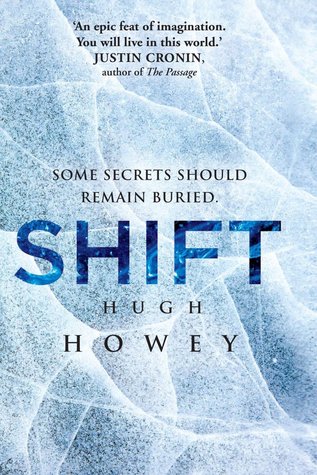
Imagine if, in the blink of an eye, your entire world turned upside down. That’s the premise at the heart of Shift by Jeff Povey, a fast-paced, mind-bending thriller that fuses the paranoia of modern dystopian fiction with the raw angst of teenage life. Blending the supernatural with gritty realism, Povey’s novel takes readers on a wild ride through parallel worlds, forcing its protagonists—and us—to confront questions about identity, morality, and the nature of reality itself.
Shift is not your average young adult adventure. It’s a story where every choice matters, every relationship is tested, and survival means far more than just staying alive. Filled with dark humor, suspense, and plenty of twists, this book is tailor-made for college students and lecturers looking for a narrative that’s as thought-provoking as it is entertaining.
Historical Context
The YA Dystopian Boom
Shift was published in 2014, during a time when young adult dystopian fiction was at its peak. Series like The Hunger Games, Divergent, and Maze Runner had already stormed bookshelves and cinemas. These stories tapped into anxieties about technology, authority, and the uncertain future awaiting young people. While Shift shares some DNA with these blockbusters, it distinguishes itself by plunging into the speculative realm of parallel universes—a concept both tantalizing and terrifying.
Inspirations and Literary Tradition
Jeff Povey’s background as a screenwriter and novelist shines through in his pacing and dialogue. The book draws inspiration from classic sci-fi and speculative fiction—think The Butterfly Effect, Fringe, and even echoes of Philip K. Dick. There’s also a clear nod to the tradition of ensemble survival stories, where group dynamics and moral dilemmas are as pivotal as the external dangers.
Brief Synopsis
Plot Overview
The Basics—Without Spoilers
Three teens—Scott, Aubrey, and Jack—are on the run from the law after a botched break-in. When they take shelter in a mysterious building, their world quite literally “shifts.” Suddenly, the streets are deserted, the rules have changed, and they are not alone. In this new world, violent doppelgängers known as “Shifters” roam, hunting anyone who doesn’t belong.
As the trio searches for answers, they form uneasy alliances with other survivors. Together, they must navigate a landscape where trust is a luxury and every decision could lead to oblivion. The stakes? Not just their own lives, but the fabric of reality itself.
Setting
Where and When?
Shift is set in contemporary Britain, but the specifics quickly blur as the protagonists jump between parallel worlds. The initial familiar city streets become distorted, with empty buildings, shifting landmarks, and a creeping sense of danger. The atmosphere is tense, claustrophobic, and laced with the uncanny—think urban decay meets The Twilight Zone.
The setting serves not just as background, but as an active player in the story. Each shift reveals new dangers and mysteries, creating a sense of disorientation that mirrors the characters’ inner turmoil. The world is both familiar and alien, keeping readers constantly on edge.
Main Characters
Here’s a quick reference table to keep our cast of characters straight:
| Name | Role | Key Traits | Importance to Plot |
|---|---|---|---|
| Scott | Protagonist, Narrator | Sarcastic, resourceful, insecure | Central perspective, group linchpin |
| Aubrey | Friend, Love Interest | Smart, tough, emotionally guarded | Drives emotional stakes, moral compass |
| Jack | Friend, Troubled Soul | Impulsive, loyal, haunted by guilt | Wildcard, sparks conflict and action |
| Zara | Survivor, Outsider | Sharp, cynical, fiercely independent | Adds tension, challenges group dynamics |
| The Shifters | Antagonists | Ruthless, inhuman, relentless | Embodiment of threat, raise stakes |
Each character brings a unique perspective, and their interactions drive much of the novel’s tension and humor.
Plot Summary
To make things easy to follow, let’s break the plot into major acts, each representing a key phase in the story’s development.
Act One: The Catastrophe
Scott, Aubrey, and Jack are three teens with a knack for finding trouble. What starts as a routine act of rebellion—a break-in—goes horribly wrong. Fleeing the scene, they stumble into a building that feels off. Suddenly, with a jolt, their reality “shifts.” The city is eerily deserted. There’s no sign of life, no traffic, and worst of all, no way back.
As they piece together what’s happened, they encounter their first Shifter—a twisted, violent version of a human, hell-bent on their destruction. The trio barely escapes, shaken and desperate for answers.
Act Two: The New Rules
The group discovers they’re not alone. Zara, a street-smart survivor, has been navigating the shifts on her own. She explains the basics: they’re caught in a cycle, moving between parallel worlds whenever a “shift” occurs. Each world is subtly—or drastically—different, and the Shifters are always on the hunt.
Tensions flare as the group struggles to trust one another. Jack’s impulsiveness puts them in danger, while Aubrey’s pragmatism keeps them alive. Scott, our narrator, tries to hold the group together, but doubts gnaw at him. Are they the real versions of themselves? What happens if they die in this world?
Act Three: The Moral Maze
As they adapt to this new reality, the group is forced to make impossible choices. They meet other survivors—some helpful, others dangerous. The lines between friend and foe blur, especially as the threat of the Shifters grows. Paranoia sets in: can they even trust each other, or are any of them Shifters in disguise?
The world itself becomes increasingly unstable. Shifts happen more frequently, and each new world seems more hostile than the last. The group faces betrayals, losses, and moments of unexpected heroism.
Act Four: The Final Stand
With the rules of reality unraveling, Scott and his friends must confront both external threats and their own inner demons. The climax tests their loyalty, courage, and sense of self. The stakes are nothing less than survival—not just of their bodies, but of their very identities.
The ending leaves enough unresolved to provoke thought and set up the next book, but delivers a satisfying emotional payoff.
Themes and Motifs
Identity and Self-Doubt
At its core, Shift is about identity. The parallel worlds force the characters—and readers—to question: what makes us who we are? Is it our choices, our memories, or something deeper? The threat of the Shifters, who are both “us” and “not us,” literalizes the fear of losing oneself.
Trust and Betrayal
Survival hinges on trust, but in a world where anyone could be a Shifter, trust becomes dangerous. The group’s shifting alliances and betrayals mirror real-life struggles with loyalty and suspicion, especially in high-stress environments.
The Nature of Reality
Povey toys with reality itself. Each shift brings a new set of rules, new dangers, and new moral dilemmas. This motif taps into broader philosophical questions: How do we know what’s real? What would we do if everything we knew was upended?
Coming of Age
Despite the supernatural trappings, Shift is a coming-of-age story. The characters are forced to grow up fast, making life-or-death decisions and grappling with the consequences. Their journey is as much about inner transformation as external survival.
Humor in the Dark
Dark, irreverent humor is threaded throughout the novel. The characters quip and banter, using humor as a coping mechanism in the face of horror. This not only endears them to the reader, but also adds a human touch to the relentless suspense.
Literary Techniques and Style
Narrative Structure
Povey uses a tight, first-person narrative from Scott’s perspective, immersing readers in the chaos and confusion of the shifts. The pacing is brisk, with short chapters and cliffhangers that keep the pages turning.
Symbolism
The shifts themselves are a potent symbol. They represent not just changes in reality, but the instability of adolescence—where every day can feel like a new world, fraught with unknown dangers.
Realism and Dialogue
Despite the fantastical premise, Povey grounds his story in believable dialogue and authentic teen voices. The banter, arguments, and moments of vulnerability ring true, making it easy for readers to empathize with the characters.
Suspense and Twists
The author excels at ratcheting up suspense, using the unpredictability of the shifts to keep readers guessing. Just when you think you’ve figured out the rules, Povey throws a wrench in the works.
Author's Background
About Jeff Povey
Jeff Povey is a British screenwriter and novelist, best known for his work on television dramas such as EastEnders and Casualty. His experience in writing for TV is evident in the novel’s cinematic pacing, snappy dialogue, and keen sense of character dynamics.
Influences and Impact
Povey’s influences range from classic science fiction to contemporary thrillers. His ability to blend speculative concepts with grounded, relatable characters has earned him a loyal following. Shift stands out as a fresh take on the YA dystopian genre, offering a more psychological and existential spin than many of its contemporaries.
Other Works
Povey has continued the Shift series with sequels, expanding the universe and deepening the philosophical questions raised in the first book. His work is recommended for anyone interested in stories that combine action, suspense, and big ideas.
Key Takeaways
- Shift explores the fragility of identity in a world where reality is constantly changing.
- Trust and loyalty are tested to their limits when survival is at stake.
- The novel uses the concept of parallel worlds to ask deep philosophical questions about selfhood and reality.
- Humor and authentic characterization make the story both entertaining and emotionally resonant.
- The fast-paced, suspenseful narrative keeps readers engaged from start to finish.
Reader's Takeaway
Reading Shift is like being strapped into a roller coaster with no idea where the next turn will lead. It’s exhilarating, terrifying, and thought-provoking all at once. The book doesn’t just offer thrills; it asks you to consider what you would do if everything you knew was suddenly up for grabs. For college students, it’s a reminder that the transition to adulthood is itself a kind of “shift”—one filled with uncertainty, risk, and, ultimately, growth.
You’ll laugh, you’ll gasp, and you’ll probably find yourself looking over your shoulder the next time you walk down a deserted street. More importantly, you’ll come away with a deeper appreciation for the ties that bind us—and the choices that define us.
Conclusion
In a crowded field of YA dystopian fiction, Shift by Jeff Povey carves out its own niche with a blend of supernatural thrills, dark humor, and genuine emotional depth. It’s a story about more than just surviving parallel worlds; it’s about surviving yourself. Whether you’re a student looking for a gripping read or a lecturer seeking fresh material for discussion, Shift delivers.
Don’t just take our word for it—pick up Shift and see where the next turn might take you. Who knows? You might just find your world shifted, too.
Ready for more? Dive into the Shift series and see how far the rabbit hole goes. With its blend of action, philosophy, and real-world resonance, this is one contemporary thriller you won’t want to miss. Happy reading!
Shift FAQ
What is 'Shift' by Jeff Povey about?
'Shift' is a young adult science fiction novel about three teens who, after escaping from bullies, discover a parallel world filled with danger and their own dark doppelgängers. The book explores their struggle to survive and return home while the boundaries between worlds blur.
Who are the main characters in 'Shift'?
The main characters are Rev, Billy, and Mikey—three teenagers who find themselves in an alternate reality and must rely on each other to survive against menacing versions of themselves and unfamiliar threats.
Is 'Shift' part of a series?
Yes, 'Shift' is the first book in a trilogy by Jeff Povey. The story continues in the sequels 'Delete' and 'Escape.'
What genre is 'Shift'?
'Shift' falls under the young adult (YA) science fiction and thriller genres, with elements of adventure, suspense, and alternate reality.
What age group is 'Shift' suitable for?
'Shift' is primarily aimed at teenagers and young adults, typically ages 13 and up, due to its themes of violence, survival, and identity.
What themes are explored in 'Shift'?
'Shift' explores themes such as identity, survival, friendship, the consequences of choices, and the dark sides of human nature through the concept of parallel universes and doppelgängers.
Is there any violence or mature content in 'Shift'?
Yes, 'Shift' contains scenes of violence and tension as the characters face physical threats and moral dilemmas. However, it is generally appropriate for the YA audience.
How do readers describe the pace and style of 'Shift'?
Readers often describe 'Shift' as fast-paced, action-packed, and suspenseful, with short chapters and a gripping narrative that keeps readers engaged.
Do I need to read the entire trilogy to understand 'Shift'?
'Shift' can be read as a standalone story, but the ending leaves room for further exploration in the sequels. Reading the series provides a fuller understanding of the characters and plot developments.


