

Synopsis
Covers the whole plot, including the ending.
- Difficulty
- Easy
- Pacing
- Fast
- Mood
- Suspenseful, Gritty, Tense, Action-packed
- Read it if
- You enjoy fast-paced zombie apocalypse stories with a high school setting and character-driven survival.
- Skip it if
- You dislike gore, intense violence, or stories centered on typical high school archetypes.
Sick Plot Summary
Covers the whole plot, including the ending.
The Truant Morning and the First Signs
Brian, his best friend Chad, and their usual skipping crew—Miguel, Sam, and Jesse—are behind the fence of North Mesa High. Suddenly, a violent incident unfolds on campus: a student, Matt, attacks another, biting them. What seems like drug-fueled rage quickly escalates as more students show similar aggressive behavior. The school goes into lockdown, but reports are vague, leaving the truant group outside the immediate danger and disconnected from loved ones inside. Brian worries about his younger sister, Kenzie, and his ex-girlfriend, Laura, who suffers from severe anxiety.
Seeking Sanctuary in the Theater
Deciding they cannot stay outside, Brian, Chad, Miguel, Sam, and Jesse breach the school's perimeter. They navigate the dangerous hallways, seeing classmates and teachers turn into 'sick' attackers. Their goal is the theater department, a large, relatively isolated area Brian knows well. Inside, they find a small group of theater students led by the pragmatic Sage, along with the observant Noah and others like Penny. The theater group has already barricaded themselves, having seen the outbreak firsthand. An alliance forms between the two groups, united by the common threat.
The Search for Kenzie and Laura
Brian worries about Kenzie and Laura. Despite Chad's reluctance and Sage's objections about the dangers, Brian convinces a small team to venture into the school to find them. The group, including Brian, Chad, Sage, and Miguel, plans a route through less-trafficked areas, using their knowledge of the school's layout. They encounter more 'sick' individuals, learning to evade or incapacitate them. The stakes rise with every step, and the group's relationships are tested, revealing strengths and weaknesses in their makeshift leadership and trust.
A Perilous Journey to the Library
The search party's journey is dangerous. They navigate through the library, a known location for Laura, and encounter many 'sick' students. Brian's leadership is challenged as they make difficult decisions about who to help and how to proceed without sacrificing the mission. They find Laura in severe panic, barely able to function, and manage to get her out. Their next goal is to find Kenzie, last known to be in the science wing. The group's numbers shrink as they face aggressive encounters, and the reality of their situation sinks in for everyone.
The Science Wing and a Desperate Reunion
Reaching the science wing, Brian finds Kenzie barricaded in a classroom with a few other survivors, including her friend Sarah. The reunion is brief, overshadowed by the immediate threat. The 'sick' swarm the area, forcing the group into a desperate fight. During the escape, Miguel sacrifices himself to protect the others, creating a diversion that allows Brian, Kenzie, Laura, Chad, and Sage to escape. Miguel's death reminds them of the danger and deeply affects the remaining survivors, especially Chad, who was close to him. They retreat, battered and grieving, back towards the theater.
Reinforcing the Theater and Growing Tensions
Back in the theater, the survivors deal with their losses and the grim reality of their containment. The theater is reinforced, but resources like food and water are limited. Tensions rise among the diverse group, especially between the 'skip-class' kids and the 'theater' kids, as well as with the new arrivals. Laura's panic attacks become a challenge, needing constant attention and affecting morale. Brian tries to maintain order and hope, while Sage emerges as a pragmatic leader, focused on survival and resource management. The group must decide on their next step: stay or try to escape the school entirely.
A Glimmer of Hope and a New Threat
Noah, the quiet theater tech, discovers a possible escape route through the school's ventilation system or maintenance tunnels, offering a path outside. This discovery brings hope but also highlights the challenges of moving a group, including an incapacitated Laura and younger Kenzie, through confined spaces. Before they can fully plan their escape, the 'sick' begin to show disturbing coordination. They launch a more organized and relentless assault on the theater's barricades, suggesting a primitive intelligence or a dominant 'sick' individual leading them, forcing the survivors to fight for their lives within their sanctuary.
The Final Stand in the Theater
The 'sick' breach the theater's outer defenses, forcing the survivors into a desperate last stand. Brian, Chad, and Sage lead the defense, using props, stage equipment, and their wits to fend off the attackers. Several minor characters are lost in the chaos, emphasizing the brutality of their situation. Laura, surprisingly, shows clarity and strength, contributing to the defense despite her usual fragility. Kenzie also shows resilience. The battle is fierce, pushing everyone to their limits, as they realize staying in the theater is no longer an option.
Escape Through the Tunnels
With the theater overrun, Noah guides the remaining survivors—Brian, Chad, Kenzie, Laura, and Sage—into the maintenance tunnels. The journey through the dark, cramped, and treacherous passages is claustrophobic and terrifying. They encounter isolated 'sick' individuals within the tunnels, leading to tense, close-quarters encounters. The group must work together, trusting Noah's knowledge of the school's underbelly. Laura's anxiety threatens to resurface, but the urgency of their escape keeps her focused. Brian and Chad's friendship is tested but strengthened, and Sage proves invaluable in her practical decision-making, while Kenzie's innocence is a powerful motivator.
The Outside World and Uncertain Future
The group emerges from the tunnels, finding themselves outside the school. The world they step into is not the one they left. Evidence of widespread chaos and destruction is apparent, indicating the virus has spread beyond the school's walls. Military presence is hinted at, but also a sense of abandonment. They are free from the immediate danger of North Mesa High but now face a larger, unknown threat. The ending leaves their long-term survival uncertain, emphasizing the devastating impact of the outbreak and the beginning of a new, dangerous reality for Brian and his companions. Their journey has just begun.
Principal Figures
Brian
Protagonist
A rebellious but caring high school student thrust into leadership.
Brian is initially portrayed as a typical high school slacker, prone to skipping class with his friends. However, beneath his rebellious exterior lies a deep sense of responsibility, particularly towards his younger sister, Kenzie, and a lingering concern for his ex-girlfriend, Laura. He is resourceful and brave, often taking the lead in dangerous situations, driven by his desire to protect his loved ones. He's not naturally a leader, but the crisis forces him to step up, make difficult decisions, and confront his own fears. His character is defined by his loyalty and his evolving understanding of what it means to survive.
Relationships: Chad (Best friend, loyal companion, occasional foil); Kenzie (Younger sister, primary motivation for Brian's actions); Laura (Ex-girlfriend, source of emotional complexity and concern); Sage (Uneasy alliance, co-leader, pragmatic counterpoint); Miguel (Friend, fellow truant, loyal member of the skip-class group)
Chad
Supporting
Brian's loyal best friend, providing comic relief and unwavering support.
Chad is Brian's best friend and a fellow truant. He provides much-needed comic relief and a sense of normalcy in the dire circumstances. Though not as outwardly brave or decisive as Brian, Chad is fiercely loyal and reliable, always sticking by his friend's side. He initially struggles with the horror of the situation, often using humor to cope, but he eventually demonstrates his own courage and resilience. His bond with Brian is a central emotional anchor of the story, highlighting the strength of friendship under pressure. He's more impulsive than Brian but always has his back.
Relationships: Brian (Best friend, inseparable companion); Miguel (Close friend, fellow truant)
Kenzie
Supporting
Brian's younger sister, embodying innocence and vulnerability.
Kenzie is Brian's younger sister, and her safety is Brian's primary motivation throughout the ordeal. She represents innocence and vulnerability in a world gone mad. Despite her age, Kenzie shows remarkable resilience and bravery, often surprising Brian with her ability to cope with the horrors around her. Her presence serves as a constant reminder of what they are fighting for, and her well-being dictates many of Brian's most dangerous decisions. She is a symbol of hope and the future, inspiring the adults to keep going.
Relationships: Brian (Older brother, protector); Laura (Acquaintance, fellow survivor)
Laura
Supporting
Brian's ex-girlfriend, struggling with severe panic attacks in a crisis.
Laura is Brian's ex-girlfriend, known for her severe anxiety and panic attacks, which are exacerbated by the outbreak. Her vulnerability makes her a significant challenge for the group, requiring constant care and protection. Despite her struggles, she is not entirely helpless; she has moments of unexpected strength and clarity, proving that even those with visible weaknesses can contribute to survival. Her character highlights the psychological toll of the crisis and the importance of empathy and patience in extreme situations. Her journey is about overcoming her own internal battles as much as the external threat.
Relationships: Brian (Ex-boyfriend, protector, source of complex emotions); Kenzie (Acquaintance, fellow survivor)
Sage
Supporting
A pragmatic and resourceful theater student who emerges as a co-leader.
Sage is a theater student and initially the de facto leader of the theater kids. She is pragmatic, resourceful, and possesses a strong sense of self-preservation. She is not afraid to speak her mind or challenge Brian's decisions, often providing a logical, strategic counterpoint to his more emotional impulses. Sage quickly adapts to the crisis, focusing on barricading, rationing, and planning. Her intelligence and calm demeanor under pressure make her an invaluable member of the group, and she forms an uneasy but effective co-leadership with Brian. She represents the practical side of survival.
Relationships: Brian (Uneasy alliance, co-leader, strategic partner); Noah (Fellow theater student, loyal subordinate)
Miguel
Supporting
A loyal and brave member of Brian's skip-class group.
Miguel is one of Brian's friends from the skip-class group. He is loyal, brave, and quick to action. He follows Brian into the school without hesitation and proves to be a reliable fighter and protector. Miguel embodies the spirit of camaraderie and sacrifice, ultimately making the ultimate sacrifice to ensure the escape of his friends. His death serves as a stark reminder of the deadly stakes and deeply impacts the remaining survivors, particularly Chad and Brian. He is a character who demonstrates courage in the face of overwhelming odds.
Noah
Supporting
A quiet and observant theater tech, possessing crucial knowledge of the school.
Noah is a quiet, observant theater tech student. He is not a fighter, but his detailed knowledge of the school's hidden passages, ventilation systems, and maintenance tunnels proves to be invaluable for the group's survival. He is intelligent and resourceful in his own way, offering practical solutions and guidance when physical strength is not enough. Noah represents the 'brains' of the operation, demonstrating that different skills are essential for survival. His quiet demeanor belies a deep understanding of his surroundings, which ultimately saves the group.
Relationships: Sage (Fellow theater student, leader); Brian (Follows his leadership during escape)
The Sick
Antagonist
Students and teachers transformed into bloodthirsty, aggressive attackers.
The 'sick' are the primary antagonists of the story. They are former students and teachers of North Mesa High who have been infected by a rapidly spreading virus, turning them into mindless, bloodthirsty attackers. They are not traditional zombies; they are fast, aggressive, and incredibly difficult to kill, exhibiting a primitive, pack-like intelligence as the outbreak progresses. Their presence transforms the familiar school environment into a terrifying death trap, forcing the survivors to confront the loss of their former lives and friends. They represent the unknown, uncontrollable horror of the pandemic.
Relationships: Brian (Main threat to his and his group's survival)
Themes & Insights
Survival and Adaptation
A main theme is the struggle for survival during an unprecedented crisis. Characters like Brian, Chad, and Sage must adapt quickly to a world where their familiar school is a death trap. They learn to fight, scavenge, and make difficult decisions for the group. This is clear when Brian leads against the 'sick,' or when Sage rations supplies. It is about shedding normalcy and embracing the primal instinct to live, often at great personal cost.
“This isn't a game, Brian. This is real. And if we don't start acting like it, we're all dead.”
Friendship and Loyalty
Friendship and loyalty are tested and strengthened throughout the story. Brian and Chad's loyalty to each other, and Brian's protectiveness of Kenzie, drive much of the plot. Even new alliances, like between the 'skip-class' kids and 'theater' kids, show the power of solidarity in a crisis. Miguel's sacrifice for his friends highlights this theme. The story emphasizes that survival is a collective effort, dependent on trust and mutual support.
“We're not leaving anyone behind. Not if I can help it.”
Loss of Innocence and Normalcy
The outbreak shatters the innocent world of high school, forcing the teenage characters to face horrors and violence. Familiar hallways become sites of terror, and classmates become monstrous attackers. This is especially clear through Kenzie's perspective as she sees her world break down. The characters lose their innocence, forced to mature quickly and make adult decisions about life and death. The shift from skipping class to fighting for survival highlights the abrupt end of their carefree youth.
“This used to be our school. Now it's a tomb.”
Leadership and Responsibility
The crisis pushes ordinary teenagers into leadership roles, making them responsible for others' lives. Brian, initially reluctant, grows into the role, making tough calls and inspiring hope. Sage also becomes a pragmatic and effective leader, balancing Brian's impulsiveness with strategic thinking. The burden of leadership is heavy, involving ethical dilemmas and personal sacrifices. This theme explores how individuals rise to the occasion under extreme pressure, revealing strengths they never knew they had.
“Someone has to make the decisions, even the bad ones.”
The Nature of Humanity Under Pressure
The novel explores how different individuals react to extreme stress and fear. Some, like Miguel, show bravery and self-sacrifice, while others, like Laura, struggle with debilitating fear. The 'sick' represent the primal, animalistic side of humanity unleashed. The story examines the thin line between civilization and savagery, both within the infected and within the survivors, who sometimes resort to brutal acts to stay alive. It questions what remains of humanity when society collapses, and what values are worth preserving.
“Are we really any different from them, sometimes?”
Plot Devices & Literary Techniques
The Confined Setting (North Mesa High)
The high school as a microcosm of the collapsing world.
The entire story takes place within the confines of North Mesa High School, which serves as a powerful symbol. The familiar environment, typically a place of learning and social interaction, transforms into a deadly, inescapable labyrinth. This confined setting intensifies the claustrophobia and horror, as the characters are trapped with their attackers. It also acts as a microcosm, reflecting the larger breakdown of society outside, making their small struggle feel universally significant. The school's various departments (theater, library, science wing) provide distinct challenges and opportunities for the survivors, utilizing the familiar layout to create tension.
The Unseen Threat (The Virus)
The mysterious and rapidly spreading virus as the catalyst for chaos.
The virus itself is a crucial plot device. Its mysterious origin and rapid, gruesome transformation of people into 'sick' attackers drive the entire narrative. The lack of information about the virus's cause or cure amplifies the characters' helplessness and fear. It's an unseen, insidious enemy that strips away humanity, forcing the survivors to fight against their former friends and teachers. The virus's effect on the 'sick' – their speed, aggression, and later, hints of coordination – continuously escalates the threat, preventing the survivors from ever feeling truly safe and pushing them to their limits.
The Reluctant Leader
Brian's transformation into a leader despite his initial nature.
Brian embodies the 'reluctant leader' trope. Initially a slacker more interested in skipping class, the crisis forces him to step up and take charge. His concern for Kenzie and Laura acts as a powerful motivator, but his leadership is not without hesitation or self-doubt. This device allows for character growth and adds realism, as an unprepared teenager grapples with immense responsibility. It highlights that leadership isn't just about strength, but also about care, adaptability, and the willingness to make difficult choices, even when terrified. His journey from truant to protector defines much of the story's emotional core.
The Divided Group (Cliques)
The initial segregation of high school cliques forced into unity.
The story begins with clear high school cliques: Brian's 'skip-class' friends and the 'theater kids.' This initial division acts as a plot device to explore themes of prejudice, cooperation, and breaking down social barriers under duress. The crisis forces these disparate groups to unite for survival, challenging their preconceived notions about each other. The friction and eventual collaboration between them highlight how adversity can forge unexpected bonds and reveal hidden strengths in individuals previously dismissed or overlooked. The blending of these groups, particularly through characters like Brian and Sage, demonstrates the power of collective action.
Sick Quotes
“The world was ending. Not with a bang, but with a cough.”
“Hope is a dangerous thing. It makes you do stupid stuff.”
“You don't know what you've got till it's gone. And then, sometimes, you don't even remember what it was.”
“Fear is a virus too. It spreads faster than anything physical.”
“There are no good choices anymore, only less terrible ones.”
“Sometimes, the only way to save someone is to let them go.”
“Silence. It used to be peaceful. Now it's just... empty.”
“Survival isn't about strength, it's about stubbornness.”
“We build walls to keep things out, but sometimes they just trap us in.”
“The past is a ghost that walks beside you, even when there's no one else left.”
“Even in the darkest places, a little light can make a difference. Even if it's just a flicker.”
“You learn quickly what you can live without. And what you absolutely can't.”
“The monsters aren't just outside. Sometimes, they're the ones you thought you knew.”
“Every sunrise is a victory. Every breath, a rebellion.”
“There's a difference between living and just existing. We're trying to live.”
Quiz
10 questions on the plot and the characters. Each answer comes with a short explanation.
Question 1
Where are Brian and Chad initially safe (and stuck) when the virus breaks out?
- The school library
- The theater department
- The principal's office
- The gymnasium
Show answer
B. The theater department The synopsis explicitly states that Brian and Chad are safe (and stuck) in the theater department when the outbreak begins.
Question 2
What distinguishes Brian and his friends from the 'cool crowd' at school?
- They are star athletes.
- They are honor roll students.
- They are misfits and troublemakers who frequently skip class.
- They are part of the debate team.
Show answer
C. They are misfits and troublemakers who frequently skip class. The description states Brian and his friends are 'the misfits and the troublemakers—the ones who jump their high school’s fence to skip class regularly.'
Question 3
What is the primary goal Brian and his group decide upon after the outbreak?
- To find a way to escape the school entirely.
- To barricade the theater department permanently.
- To find Brian's sister, Kenzie, and ex-girlfriend, Laura, and bring them to the theater.
- To fight all the infected students and teachers.
Show answer
C. To find Brian's sister, Kenzie, and ex-girlfriend, Laura, and bring them to the theater. The text states, 'Brian and Chad, along with some of the theater kids... decide to find the girls and bring them to the safety of the theater.'
Question 4
What specific problem does Brian's ex-girlfriend, Laura, have, according to the description?
- An anger management problem
- A panic attack problem
- A severe allergy
- A fear of enclosed spaces
Show answer
B. A panic attack problem The synopsis mentions Brian's 'ex-girlfriend with a panic attack problem, Laura.'
Question 5
What is the nature of the virus's effect on the infected individuals?
- It turns them into slow-moving, mindless zombies.
- It makes them bloodthirsty attackers who don't die easily.
- It causes them to fall into a deep coma.
- It gives them superhuman strength and intelligence.
Show answer
B. It makes them bloodthirsty attackers who don't die easily. The text describes the infected as 'bloodthirsty attackers who don’t die easily.'
Question 6
What dynamic is suggested to change between Brian and the 'theater kids' during the crisis?
- They will become rivals for leadership.
- Brian will realize he had previously underestimated and ignored them.
- They will betray Brian to save themselves.
- They will try to convince Brian to join their drama club.
Show answer
B. Brian will realize he had previously underestimated and ignored them. The description notes Brian had 'never given the time of day before' to the theater kids, implying a shift in his perception and interaction with them during the crisis.
Question 7
What broader theme is suggested by the phrase 'it will test everything they thought they knew about themselves and their classmates'?
- The importance of academic success.
- The idea that appearances and social hierarchies can be deceiving under extreme pressure.
- The necessity of following school rules.
- The unreliability of memory.
Show answer
B. The idea that appearances and social hierarchies can be deceiving under extreme pressure. This phrase directly points to a theme of self-discovery and challenging preconceptions, especially concerning social roles and individual capabilities when faced with a life-or-death situation.
Question 8
Which well-known pop culture reference is used to describe the premise of 'Sick'?
- Harry Potter meets Twilight
- Breakfast Club meets The Walking Dead
- Lord of the Flies meets Zombieland
- The Hunger Games meets Dawn of the Dead
Show answer
B. Breakfast Club meets The Walking Dead The very first line of the synopsis states, 'Breakfast Club meets The Walking Dead as a group of unlikely allies tries to survive a deadly outbreak.'
Question 9
Considering Brian and his friends are 'misfits' who 'jump their high school’s fence to skip class regularly,' what initial advantage might this give them in a school-wide lockdown scenario?
- They would have superior academic knowledge to devise a plan.
- Their familiarity with breaking rules and navigating the school unconventionally might make them more adaptable.
- They would have better access to the school's emergency supplies.
- They would naturally be immune to the virus.
Show answer
B. Their familiarity with breaking rules and navigating the school unconventionally might make them more adaptable. Their established tendency to 'jump their high school’s fence to skip class regularly' implies a comfort with circumventing rules and knowing less-traveled paths, which could be an asset in a lockdown where conventional routes are dangerous.
Question 10
What does the phrase 'The whole school goes on lockdown' imply about the immediate environment Brian and his group must navigate?
- The school has been completely abandoned and is empty.
- External help is readily available just outside the school perimeter.
- They are trapped within the school building, which is sealed off from the outside, and potentially filled with danger.
- All students and staff are safe in designated lockdown zones.
Show answer
C. They are trapped within the school building, which is sealed off from the outside, and potentially filled with danger. A 'lockdown' in this context, especially with a deadly virus, implies being sealed inside a dangerous environment, cut off from external assistance, and forced to contend with internal threats.
Sick FAQ
What is the core premise of 'Sick' by Tom Leveen?
'Sick' follows a group of high school outcasts, led by Brian, who find themselves trapped in their school when a rapidly spreading, zombie-like virus turns their classmates and teachers into violent, nearly unstoppable attackers. Their primary goal becomes surviving the lockdown and reuniting with loved ones amidst the chaos.
Who are the main protagonists introduced at the beginning of the story?
The initial protagonists are Brian, the fence-jumping 'misfit' who serves as the primary viewpoint character, and his best friend, Chad. They are first found safe in the theater department, setting the stage for their quest to find others.
What kind of affliction affects the students and teachers, turning them into antagonists?
A deadly virus rapidly transforms the infected into 'bloodthirsty attackers.' These attackers are characterized by their aggression, lack of conventional mortality (they 'don't die easily'), and relentless pursuit of the uninfected.
Where does the initial group of survivors, including Brian and Chad, find temporary safety?
Brian and Chad are initially safe and stuck in the school's theater department. This location becomes a temporary sanctuary and a strategic point from which they launch their rescue mission.
Who are the two key female characters Brian is motivated to find and protect?
Brian is driven to find and protect his sister, Kenzie, and his ex-girlfriend, Laura. Laura is specifically mentioned to have a 'panic attack problem,' adding another layer of urgency and difficulty to their rescue.
How does the 'Breakfast Club' comparison manifest in the group dynamics?
The 'Breakfast Club' element emerges as Brian, Chad, and the 'theater kids' – individuals Brian previously disregarded – are forced to collaborate. This unlikely alliance breaks down social barriers and reveals hidden strengths and vulnerabilities among different high school cliques.
Are there any specific details about the virus's origin or how it spreads that become relevant later?
The provided synopsis does not detail the virus's origin or specific transmission methods, focusing instead on its immediate, devastating effects. The narrative primarily explores the human response to the outbreak rather than the scientific specifics of the pathogen itself.
What role do the 'misfits' and 'troublemakers' like Brian play in their survival advantage?
Their established habit of 'jumping their high school’s fence to skip class regularly' implies a certain resourcefulness, disregard for rules, and perhaps a familiarity with navigating the school's less-traveled paths. These traits likely prove crucial for survival and movement through a dangerous, locked-down environment.
Does Laura's 'panic attack problem' become a significant plot point or obstacle during the escape?
Yes, Laura's panic attack problem is specifically highlighted in the setup, suggesting it will be a significant challenge. It likely adds emotional tension and practical difficulties to her rescue and the group's overall escape strategy, testing Brian's resolve and the group's patience.
How does the crisis force Brian to re-evaluate his perceptions of his classmates?
The crisis forces Brian to interact with and rely on the 'theater kids' he previously ignored, fundamentally altering his perceptions. He must look past superficial cliques and recognize the courage, skills, and humanity in individuals he had never given the time of day before, fostering unexpected bonds.
What psychological impact does seeing familiar faces, like teachers and classmates, as 'bloodthirsty attackers' have on the protagonists?
Seeing familiar figures transformed into monsters likely creates immense psychological trauma, blurring the lines between friend and foe and forcing the protagonists to commit acts they never imagined. This cognitive dissonance would be a constant source of emotional distress and moral conflict.
How does Brian's protective instinct for Kenzie and Laura shape his character arc?
Brian's determination to find Kenzie and Laura likely transforms him from a rebellious misfit into a responsible leader. His protective instinct pushes him beyond his comfort zone, forcing him to make difficult decisions and develop resilience, ultimately testing 'everything they thought they knew about themselves'.
In what ways might the 'lockdown' scenario symbolize broader anxieties or themes?
The school lockdown could symbolize the feeling of being trapped by societal expectations, the sudden loss of control in adolescence, or the vulnerability of seemingly safe environments. It amplifies themes of isolation, forced maturity, and the breakdown of established order.
Is the 'survival' aspect purely physical, or does it also involve a moral or emotional struggle?
The survival aspect is deeply intertwined with moral and emotional struggles. Beyond physical evasion of attackers, the characters must contend with difficult choices, the loss of innocence, confronting their own fears, and deciding who to trust, making their journey a test of character as much as endurance.
How might the ending challenge or subvert typical Young Adult zombie apocalypse tropes?
The synopsis suggests a focus on character development and unexpected alliances, potentially subverting tropes by emphasizing psychological survival and interpersonal growth over sheer gore or heroism. The outcome for Brian, Kenzie, and Laura, especially given Laura's condition, could offer a more nuanced or bittersweet resolution than a simple 'escape'.
What is the significance of the theater department as a safe haven?
The theater department, typically a place of creativity and performance, serves as a ironic sanctuary. Its labyrinthine nature, props, and potential for hiding spots make it a practical refuge, but it also symbolically represents a space where individuals can shed their everyday roles and reveal their true selves under duress.
Does the book explore the concept of leadership emerging from unexpected places?
Absolutely. Brian, initially presented as a 'misfit' and 'troublemaker,' is thrust into a leadership role due to his initiative and determination to save his sister and ex-girlfriend. This directly explores how crises can reveal innate leadership qualities in individuals outside traditional social hierarchies.
How does the title 'Sick' reflect the multi-faceted nature of the story?
The title 'Sick' refers not only to the literal virus causing the outbreak but also potentially to the 'sick' state of society, the 'sick' feeling of fear and despair, or even the 'sick' irony of outcasts becoming heroes. It hints at both physical illness and a deeper malaise.
About the author

Tom Leveen is an author known for his work in young adult fiction. His book "Sick" explores themes of mental health and personal struggle. Leveen's writing often reflects his interest in the complexities of adolescence and the challenges faced by young people.
Similar books
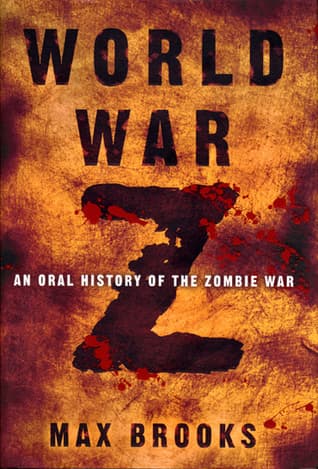
- World War Z: An Oral History of the Zombie War
Max Brooks
4.0 (440k) average on GoodreadsFantasyExplores a global zombie pandemic with intense survival scenarios and the breakdown of society.
- Contagion
Erin Bowman
3.8 (1k) average on GoodreadsThrillerYoung adult sci-fi horror with a deadly virus outbreak and a desperate fight for survival.
- Uglies
Scott Westerfeld
3.9 (560k) average on GoodreadsFantasyWhile both Sick and Uglies feature young protagonists in speculative futures, Westerfeld's series excels in developing a rich, multifaceted cast of secondary characters who drive significant emotional and plot development. Sick occasionally struggles with this, focusing more intently on the immediate survival of its core protagonist.
- The Hunger Games
Suzanne Collins
4.3 (6.4M) average on GoodreadsFantasyThe Hunger Games explores a large-scale, systemic dystopian society with a prolonged history of oppression. Sick, by contrast, focuses on the immediate, localized horror of a rapidly unfolding epidemic, offering a more contained and visceral survival narrative rather than broad societal commentary or intricate world-building.
- The Maze Runner
James Dashner
4.0 (1.1M) average on GoodreadsFantasyDashner's The Maze Runner presents an elaborate, engineered dystopian world with complex mysteries and a focus on uncovering a larger conspiracy. Sick is less about a grand conspiracy and more about the raw, immediate struggle for survival against a biological threat, keeping its scope tighter and more character-focused.
- Harry Potter and the Sorcerer's Stone
J.K. Rowling
4.5 (7M) average on GoodreadsFantasyRescued from a miserable life under the stairs, an orphaned boy discovers he's a wizard destined for a magical school, where he uncovers a dangerous secret tied to the dark wizard who murdered his parents.





Enjoyed the summary?
A summary gives you the shape of the book. The book itself has the detail, the examples and the voice.
Find Sick on AmazonAs an Amazon Associate, BookBrief earns from qualifying purchases. How we're funded