

Synopsis
Covers the whole plot, including the ending.
- Difficulty
- Medium
- Pacing
- Slow
- Mood
- Dark, Suspenseful, Atmospheric, Disturbing, Psychological
- Read it if
- You enjoy dark, psychological thrillers with a strong sense of dread and explore the unraveling of a family under external pressure.
- Skip it if
- You prefer lighthearted stories, clear resolutions, or explicit plot action over psychological tension and ambiguity.
Sleeping Dogs Plot Summary
Covers the whole plot, including the ending.
The Arrival of the Stranger
The story introduces the isolated, unnamed family living on a desolate farm: the quiet, protective Mother; the distant, often absent Father; and the three children, the eldest, a nameless girl who narrates; the middle child, a boy named Thomas; and the youngest, a girl named Grace. Their life is one of quiet routine and unspoken tensions. One day, a charismatic and unsettling stranger named Miro appears, claiming to be a distant relative. He arrives uninvited and immediately begins to involve himself in their lives, his presence disrupting the family's fragile balance. Miro's initial charm and curiosity quickly turn into a more invasive and manipulative manner, unsettling the children, particularly the narrator, who senses a threat in his persistent questions and observations about their past.
Unearthing the Past
Miro's presence forces the family to confront long-buried secrets and traumas. He seems to know their past, asking pointed questions about the death of a previous family member, a young boy named Michael, who died years ago under mysterious circumstances. His inquiries create paranoia and suspicion in the household. The narrator recalls fragmented memories of Michael and the events surrounding his death, which the family has carefully avoided discussing. Miro's relentless pursuit of the truth, combined with his unsettling knowledge, begins to break down the family's facade of normalcy, leaving them vulnerable. The Mother becomes more agitated, while the Father grows more withdrawn.
The Children's Fear
As Miro's stay lengthens, the children, especially the narrator and Thomas, become deeply disturbed by his presence. Miro's games and stories, initially captivating, take on a sinister edge. He tells tales that seem to mirror their own unspoken fears and secrets, hinting at the darkness in their family history. The narrator observes Miro's manipulative interactions with each family member, noting how he preys on their individual weaknesses and anxieties. Grace, the youngest, is initially charmed but eventually succumbs to the general fear. The children feel a growing dread, understanding instinctively that Miro is a threat, but are powerless to speak or resist his influence, as their parents are either too caught up in their own reactions or too passive to intervene. The isolation of the farm intensifies their sense of entrapment.
The Mother's Desperation
The Mother, initially hesitant and then increasingly defensive, tries to assert control and repel Miro. She attempts to shield her children from his questions and unsettling presence, often resorting to quiet defiance or direct, though ineffective, confrontations. Her efforts are undermined by the Father's passivity and Miro's persistent psychological manipulation. The Mother's past trauma, particularly related to Michael's death, begins to resurface, making her vulnerable to Miro's attacks. She struggles to maintain the family's fragile peace, but Miro's relentless pressure, combined with the weight of their shared history, slowly breaks her down. Her attempts to protect her family only highlight their increasing vulnerability and the futility of their resistance against Miro's insidious influence.
The Father's Retreat
The Father, a man of few words and a distant presence even before Miro's arrival, retreats further as Miro's influence grows. He avoids direct confrontation, spending more time away from the house or remaining silent during Miro's unsettling conversations. His passivity leaves the Mother and children exposed to Miro's torment. The narrator observes her father's inability or unwillingness to protect his family, a weakness that deepens the children's insecurity. His detachment suggests a history of avoidance and a reluctance to engage with the family's emotional life, making him an ineffective barrier against the encroaching darkness Miro brings. His retreat symbolizes the broader breakdown of the family unit under pressure.
Miro's Dominance
Miro's psychological games intensify, and he gradually asserts complete dominance over the household. He manipulates each family member, exploiting their weaknesses and fears. He creates an atmosphere where no one feels safe, and truth becomes distorted. His presence becomes a constant, oppressive force, and the family's daily routines are warped by his whims. Miro's control is psychological, a slow erosion of their individual wills and collective sanity. The children are particularly affected, their innocence replaced by dread and helplessness. The farm, once a sanctuary, becomes a prison, its isolation now a trap that amplifies Miro's power and the family's despair. He begins to dictate their actions and thoughts, twisting their reality.
The Truth About Michael
Through Miro's relentless probing and the family's fractured memories, the truth about Michael's death slowly comes to light. It is revealed that Michael, the older brother, died years ago in an accident involving the children, an event that was suppressed and never properly grieved or discussed. The narrator recalls fragments of the incident, hinting at a shared, unspoken guilt among the siblings, and perhaps even the parents, for their role or inaction. Miro’s specific knowledge of this event confirms his sinister connection to their past. The revelation is devastating, shattering the fragile peace the family had maintained. The truth, once hidden, is now fully exposed, inflicting immense pain and revealing the deep, festering wound at the heart of the family's history. The accident was a secret carefully guarded, yet its impact shaped their entire lives.
Descent into Madness
As the secrets unravel and Miro's influence peaks, the family's mental state deteriorates rapidly. Paranoia sets in, and the lines between reality and delusion blur. The Mother becomes increasingly withdrawn and distressed, while the Father's absence becomes more pronounced, leaving the children vulnerable. The children, particularly the narrator, experience vivid and disturbing dreams and memories, blurring the past and present. The once cohesive family unit shatters into isolated individuals, each grappling with their own torment. The house, once a home, becomes a place of madness and despair, echoing with unspoken accusations and unresolved grief. Miro's presence has not only exposed their secrets but has also driven them to the brink of insanity, fulfilling his destructive agenda.
The Narrator's Burden
The nameless narrator, the eldest child, bears the heaviest burden of observation and understanding. She is the one piecing together the fragments of memory and Miro's hints, trying to comprehend the full scope of their family's tragedy. Her narrative voice is quiet, reflective, and increasingly desperate as she witnesses her family's disintegration. She feels a profound helplessness, unable to stop the inevitable decline. Her internal struggle is central to the story, as she tries to reconcile her childhood memories with the horrifying truths Miro uncovers. She carries the weight of the past and the present, a silent witness to the destruction wrought by the stranger and the family's own unaddressed demons. Her innocence is irrevocably lost, replaced by a deep and painful understanding of human cruelty and the fragility of peace.
Miro's Departure
Having achieved his destructive goal, Miro eventually departs as mysteriously as he arrived. He leaves the family utterly broken, their secrets exposed, their sanity fractured, and their relationships irrevocably damaged. His departure is not a relief, but rather the culmination of their torment, leaving them to pick up the pieces of a life he has systematically dismantled. The family is left in profound despair and disarray, a shell of their former selves. The silence that follows his absence is not peaceful, but heavy with the weight of their revealed truths and the psychological scars he has inflicted. The story implies that Miro's purpose was purely to uncover and destroy, leaving a lasting legacy of pain and madness.
Aftermath and Desolation
In the aftermath of Miro's departure, the family is left in profound desolation. The farm, once a refuge, now feels haunted by the revealed truths and the psychological damage inflicted. The Mother is a shadow of her former self, lost in grief and despair. The Father remains distant, his passivity now a permanent fixture. The children are traumatized, their innocence shattered. The narrator, though still alive, is burdened by the knowledge and the experience, forever changed by Miro's invasion. The family's silence, once a means of protection, now signifies their complete breakdown and inability to heal. There is no sense of resolution or recovery, only the lingering echoes of a past that Miro forced into the open, leaving them to live with the unbearable consequences of their unaddressed traumas and secrets.
Principal Figures
The Narrator
Protagonist
The eldest daughter, a quiet observer of her family's disintegration.
The unnamed eldest daughter is the story's protagonist and narrator. She is a quiet, observant, and deeply sensitive girl who acts as the family's internal witness. She is intelligent and perceptive, picking up on the subtle shifts in her family's dynamics and Miro's insidious manipulations. She carries the burden of memory and the responsibility of piecing together the fragmented truths about her family's past, particularly the death of her brother, Michael. Her innocence is gradually eroded by the unfolding horror, leaving her traumatized but with a profound, if painful, understanding of her family's secrets.
Relationships: Mother (Observes her mother's attempts to protect the family and her eventual breakdown.); Father (Perceives her father's distance and passive failure to protect the family.); Thomas (Shares a bond of fear and confusion with her brother.); Grace (Feels protective of her younger sister.); Miro (Views Miro with growing suspicion, fear, and eventually, a deep sense of dread as he unravels their lives.)
Miro
Antagonist
A charismatic and manipulative stranger who unravels the family's secrets.
Miro is the enigmatic and sinister antagonist. He arrives uninvited, claiming to be a distant relative, and quickly establishes himself within the family's isolated home. He is charismatic and charming on the surface, but beneath lies a manipulative and cruel intent. Miro possesses an uncanny ability to intuit the family's deepest secrets and uses this knowledge to systematically dismantle their emotional and psychological defenses. His motivation seems to be the exposure of truth, regardless of the devastating consequences, acting as a catalyst for the family's decay. He embodies the external force that awakens the 'sleeping dogs' of their past.
Relationships: The Family (Acts as a psychological tormentor and truth-exposer to all family members.)
The Mother
Supporting
The protective but ultimately overwhelmed matriarch.
The Mother is a quiet, protective figure who attempts to maintain the family's fragile peace and shield her children from the darker aspects of their past. She carries the weight of unspoken grief and trauma, particularly concerning the death of her son, Michael. Initially resistant to Miro's probing, she eventually succumbs to his psychological manipulation and the resurfacing of her own painful memories. Her efforts to protect her family are ultimately futile, leading to her own emotional and mental collapse, symbolizing the devastating impact of unaddressed trauma.
Relationships: The Narrator (Tries to protect her daughter, but ultimately fails.); Father (Shares a strained and distant relationship with her husband.); Miro (Engages in a psychological battle, eventually overwhelmed by his manipulations.)
The Father
Supporting
A distant and passive figure who fails to protect his family.
The Father is a largely absent and passive figure, both physically and emotionally. He is characterized by his silence and detachment, often retreating from the family's emotional turmoil. His inability or unwillingness to confront Miro or address the family's underlying issues leaves his wife and children vulnerable. His passivity suggests a deep-seated avoidance of conflict and pain, which ultimately contributes to the family's downfall. His presence highlights the theme of male inaction and the breakdown of traditional protective roles in the face of psychological menace.
Relationships: The Narrator (Is perceived by his daughter as distant and ineffective.); Mother (Shares a strained and distant relationship with his wife.); Miro (Avoids direct confrontation with Miro, effectively allowing his influence to grow.)
Thomas
Supporting
The middle child, frightened and disturbed by Miro's presence.
Thomas is the middle child, a boy whose innocence is quickly shattered by Miro's presence. He is sensitive and easily frightened, reacting with visible distress to Miro's unsettling games and stories. He shares a bond of fear and confusion with his older sister, the narrator, as they both try to make sense of the unfolding madness. His reactions highlight the vulnerability of children to psychological manipulation and the devastating impact of family secrets on their emotional well-being. He represents the direct emotional toll Miro's actions take on the younger generation.
Relationships: The Narrator (Shares a bond of fear and unspoken understanding with his sister.); Miro (Is a victim of Miro's psychological games and manipulation.)
Grace
Supporting
The youngest child, initially charmed, then scared by Miro.
Grace is the youngest child, initially drawn to Miro's charismatic facade. Her innocence makes her particularly vulnerable to his charm, but as his true nature becomes apparent and the family's atmosphere darkens, she too becomes frightened. Her reactions serve to emphasize the pervasive and insidious nature of Miro's influence, affecting even the most innocent member of the family. Her gradual fear highlights the slow creep of dread that envelops the household, as Miro's destructive force spares no one.
Relationships: Miro (Initially charmed by Miro, then becomes scared of him.)
Michael
Mentioned
The deceased older brother, whose death is the family's darkest secret.
Michael is the deceased older brother, whose death years ago under mysterious circumstances is the central, unaddressed trauma of the family. Though never seen alive in the narrative, his memory and the circumstances of his death are the 'sleeping dogs' that Miro awakens. The family's silence surrounding his death has shaped their entire existence, creating a fragile peace built on avoidance. The revelation of the truth about Michael's death is the climax of Miro's destructive quest, leading to the family's complete breakdown. He is a symbol of suppressed grief and unresolved guilt.
Relationships: The Family (His death is the central trauma that defines the family's unspoken history and guilt.)
Themes & Insights
The Destructive Power of Secrets
The novel powerfully shows how unaddressed secrets, especially those involving trauma and death, can fester and destroy a family. The family's carefully constructed peace relies on suppressing Michael's death, creating a fragile foundation. Miro's arrival acts as a catalyst, forcing these 'sleeping dogs' to awaken. The exposure of the truth, though seemingly inevitable, leads not to healing but to madness and desolation, demonstrating that some truths, when violently unearthed, can be more destructive than the lies they replace. The family's silence, intended to protect, ultimately becomes their undoing, making them vulnerable to Miro's manipulative probing.
“Secrets are like sleeping dogs. You should let them lie.”
The Fragility of Family Bonds
Hartnett explores the precarious nature of family relationships, especially when strained by unaddressed grief, guilt, and a lack of open communication. The family on the farm appears outwardly cohesive, but beneath the surface, deep cracks exist due to their shared, unspoken trauma. Miro's presence exploits these existing vulnerabilities, systematically isolating each member and turning them against each other, or into themselves. The Father's passivity and the Mother's desperation highlight how easily these bonds can shatter under pressure, leading to a complete disintegration of the family unit. The isolation of the farm further emphasizes their entrapment within these deteriorating relationships.
“The house was a cage, and Miro had the key.”
Loss of Innocence
The novel vividly portrays the devastating impact of psychological trauma and the exposure of dark secrets on the innocence of children. The narrator, Thomas, and Grace are forced to confront the horrifying realities of their family's past and the cruelty of human nature through Miro's actions. Their childhood is irrevocably scarred by the pervasive fear, paranoia, and the unraveling of their parents' sanity. The narrator, in particular, carries the heavy burden of understanding, losing her innocence not through personal transgression, but through witnessing the destruction of her world. The once simple, if quiet, life on the farm is replaced by a landscape of dread and shattered trust.
“We were children, but Miro made us old.”
Isolation and Vulnerability
The physical isolation of the farm is a powerful metaphor for the family's emotional and psychological isolation. Cut off from the outside world, they become an easy target for Miro's manipulations. This isolation amplifies their vulnerability, as there is no external relief or intervention possible. The lack of connection to others prevents them from seeking help or gaining perspective, trapping them within their own deteriorating dynamics. The farm, initially a sanctuary, becomes a prison, intensifying the sense of dread and helplessness as Miro systematically dismantles their lives without any external checks or balances. Their self-imposed solitude becomes their downfall.
“The wind howled, but no one heard us.”
Plot Devices & Literary Techniques
The Unnamed Narrator
A first-person perspective that enhances the sense of subjective reality and dread.
The use of an unnamed first-person narrator, the eldest daughter, places the reader directly into her subjective experience of fear, confusion, and growing understanding. Her lack of a name universalizes her experience while simultaneously making it deeply personal. This perspective creates a sense of immediacy and intimacy, allowing the reader to witness the family's disintegration through the eyes of an innocent but increasingly traumatized child. Her quiet, observant voice emphasizes the psychological nature of the horror and the slow, insidious unraveling of sanity, making the reader question what is real alongside her.
The Isolated Farm
A remote setting that intensifies the family's entrapment and vulnerability.
The remote, unnamed farm serves as a crucial plot device, creating a claustrophobic and inescapable atmosphere. Its isolation from society means there is no external intervention possible once Miro arrives, trapping the family with their tormentor and their secrets. This setting amplifies their vulnerability and the psychological horror, as the characters are forced to confront their past and their breakdown without any escape. The desolate landscape mirrors the family's internal emotional barrenness and their eventual desolation, making the physical space a powerful symbol of their entrapment and decay.
Miro's Enigmatic Nature
The antagonist's mysterious origins and motivations create suspense and psychological terror.
Miro's lack of a clear backstory or discernible motivation (beyond a drive to uncover secrets) makes him a more unsettling and powerful antagonist. He appears almost as a force of nature or a malevolent spirit, rather than a conventional human villain. This enigmatic quality prevents the family (and the reader) from fully understanding or predicting his actions, thereby increasing the suspense and psychological terror. He functions as a catalyst, existing solely to expose and destroy, embodying the 'truth' that the family has suppressed, making him a terrifying and relentless force. His mystery contributes to the dreamlike, nightmarish quality of the narrative.
Foreshadowing and Imagery
Subtle hints and recurring motifs that build a sense of impending doom.
Hartnett employs subtle foreshadowing and evocative imagery to build a pervasive sense of dread and inevitability. References to 'sleeping dogs' and the decaying nature of the farm itself hint at the buried secrets and the family's eventual disintegration. The imagery of silence, shadows, and the harsh, unforgiving landscape reinforces the themes of isolation and psychological decay. These literary devices create an unsettling atmosphere from the outset, preparing the reader for the tragic revelations and the family's descent into madness, making the unfolding horror feel both inevitable and deeply disturbing.
Sleeping Dogs Quotes
“The past was a country, and they were all foreigners there now.”
“Sometimes the quietest people had the loudest thoughts.”
“Grief was a thing with teeth, and it bit hard.”
“Secrets were like splinters; they festered if you didn't dig them out.”
“The world didn't stop for anyone's sorrow.”
“Children saw things adults often chose to ignore.”
“Hope was a fragile bird, easily startled.”
“Silence could be more deafening than any shout.”
“Every family had its ghosts, whether they spoke of them or not.”
“Some wounds never truly healed, they just scabbed over.”
“The truth was a heavy thing, and not everyone could carry it.”
“Even in the darkest places, there were glimmers, if you looked hard enough.”
“Memory was a tricky thing, playing tricks, blurring edges.”
“Sometimes the greatest courage was just to keep going.”
Quiz
10 questions on the plot and the characters. Each answer comes with a short explanation.
Question 1
What is the name of the stranger who arrives at the family's home and disrupts their lives?
- Mr. Black
- Mr. White
- Mr. Grey
- Mr. Green
Show answer
B. Mr. White The stranger who intrudes upon the family's isolated life and brings their secrets to light is named Mr. White.
Question 2
Which family member is initially the most resistant to Mr. White's presence and attempts to uncover their secrets?
- The Mother
- The Father
- The Youngest Child
- The Eldest Child
Show answer
B. The Father The Father is initially the most confrontational and resistant to Mr. White's probing questions and presence, trying to protect the family's fragile peace.
Question 3
What is the primary metaphor suggested by the title 'Sleeping Dogs' in relation to the family's secrets?
- The family owns a pack of dogs that are often asleep.
- It refers to old, forgotten memories that are best left undisturbed.
- The family members are tired and lethargic.
- The house is old and decaying, like a sleeping dog.
Show answer
B. It refers to old, forgotten memories that are best left undisturbed. The idiom 'let sleeping dogs lie' directly relates to the family's deep, dark secrets that they have buried and wish to keep undisturbed, which Mr. White insists on waking.
Question 4
Where does the family primarily reside, contributing to their isolation?
- A bustling city apartment
- A remote, isolated house in the countryside
- A suburban cul-de-sac
- A small village by the sea
Show answer
B. A remote, isolated house in the countryside The family lives in a remote, isolated house, which contributes to their insular nature and the intensity of Mr. White's intrusion.
Question 5
Which of the following is NOT a characteristic of Mr. White's methods for uncovering the family's secrets?
- Gentle persuasion
- Direct confrontation
- Manipulative storytelling
- Physical threats and violence
Show answer
D. Physical threats and violence While Mr. White is unsettling and manipulative, he does not resort to physical threats or violence. His power lies in psychological manipulation and relentless questioning.
Question 6
What is the central theme explored by the novel regarding the nature of truth?
- Truth is always liberating and should be sought at all costs.
- Truth is subjective and depends on individual perception.
- Truth can be destructive and some secrets are better left buried.
- Truth is irrelevant in the face of strong family bonds.
Show answer
C. Truth can be destructive and some secrets are better left buried. The novel heavily explores the idea that uncovering certain truths can be profoundly destructive, leading to the family's decay rather than their healing.
Question 7
As Mr. White's presence continues, what begins to happen to the family members' relationships with each other?
- They become stronger and more unified against the outsider.
- They become increasingly distrustful and fragmented.
- They find new ways to communicate and resolve conflicts.
- They ignore Mr. White and return to their normal routines.
Show answer
B. They become increasingly distrustful and fragmented. Mr. White's probing causes the family members to turn on each other, as old resentments and hidden truths surface, leading to deep distrust and fragmentation.
Question 8
Which of the following literary devices is predominantly used to convey the family's internal struggles and the unsettling atmosphere?
- Lighthearted humor and satire
- Stream of consciousness narration from multiple perspectives
- Symbolism, allegory, and psychological tension
- Direct, journalistic reporting of events
Show answer
C. Symbolism, allegory, and psychological tension Hartnett employs rich symbolism (like the 'sleeping dogs'), allegory, and a pervasive sense of psychological tension to create the novel's dark and unsettling mood and convey the characters' internal turmoil.
Question 9
What is the ultimate fate of the family by the end of the novel, largely due to Mr. White's intervention?
- They achieve catharsis and begin to heal their past wounds.
- They successfully drive Mr. White away and restore their peace.
- They experience a complete breakdown, leading to madness and disintegration.
- They relocate to a new home, leaving their past behind.
Show answer
C. They experience a complete breakdown, leading to madness and disintegration. The family undergoes a tragic and complete breakdown, their individual and collective sanity unraveling as their deepest secrets are exposed and their bonds are irrevocably shattered.
Question 10
Mr. White can be interpreted as a symbolic representation of what concept within the narrative?
- The force of external justice and retribution.
- The inescapable nature of the past and the consequences of buried truths.
- A benevolent helper guiding the family towards self-discovery.
- A random, meaningless disruption of order.
Show answer
B. The inescapable nature of the past and the consequences of buried truths. Mr. White often functions as an allegorical figure, embodying the relentless and often destructive nature of the past, and the way buried truths will inevitably surface to demand reckoning.
Sleeping Dogs FAQ
What is the core premise of 'Sleeping Dogs' and who are the central characters?
'Sleeping Dogs' centers on the isolated and reclusive family of Brindabella, her father, and her older brother, Joe. Their quiet, almost stagnant existence is violently disrupted by the arrival of the mysterious stranger, Adrian, who insinuates himself into their lives with an unsettling agenda to unearth their hidden past.
How does Adrian manage to gain access and influence within the family, despite their initial wariness?
Adrian is charismatic and manipulative, initially appearing helpful and charming. He subtly exploits the family's vulnerabilities and isolation, particularly Brindabella's longing for connection and her father's passivity, slowly eroding their defenses and planting seeds of doubt and suspicion among them.
What is the nature of the 'darkest secrets' Adrian is so intent on uncovering?
The family harbors a deeply buried and traumatic secret related to the death of Brindabella's mother and a younger sibling years prior. Adrian believes there was foul play or a cover-up, and he relentlessly pushes the family to confront the truth of what happened, no matter how painful.
How does the family's remote setting contribute to the novel's atmosphere and plot?
Their isolated farmhouse, surrounded by desolate rural landscapes, emphasizes their emotional and physical detachment from the outside world. This isolation makes them more susceptible to Adrian's influence and intensifies the claustrophobic tension as their internal conflicts escalate without external intervention or escape.
What role does Brindabella play in the unfolding drama, and how does she change throughout the story?
Brindabella is initially a sheltered and somewhat naive observer, caught between her loyalty to her family and her growing fascination with Adrian's revelations. She evolves from a passive participant to a more active seeker of truth, ultimately having to make difficult choices about her family's future and her own understanding of reality.
Are there any subtle hints about Adrian's true identity or his connection to the family before his motives are fully revealed?
Yes, there are subtle clues, such as Adrian's uncanny knowledge of specific family details or his intense, almost personal, investment in their past. His initial questions are too precise to be purely random, suggesting a pre-existing connection or extensive prior research into their history.
What is the significance of the recurring motif of 'sleeping dogs' in the narrative?
The 'sleeping dogs' motif directly refers to the family's suppressed secrets and the dangers of disturbing them. Adrian, in his relentless pursuit of truth, intentionally 'wakes' these dogs, leading to the destructive consequences that unfold as the family's painful past is dragged into the light.
Are there any symbolic objects or recurring imagery that foreshadow the family's decay?
The dilapidated state of the farmhouse itself, slowly crumbling and mirroring the family's internal disarray, serves as a strong symbol. Also, the oppressive heat and dust of the setting can be seen as reflecting the suffocating atmosphere and the slow, grinding erosion of the family's sanity and structure.
How does the novel explore the psychological impact of guilt and suppressed trauma on the characters?
The novel vividly portrays how unaddressed guilt and trauma manifest in various ways: the father's withdrawal and passivity, Joe's simmering resentment and aggression, and Brindabella's confusion and desperate search for clarity. Adrian's arrival forces these buried feelings to the surface, leading to severe emotional breakdowns.
Discuss the psychological dynamics between Brindabella and her brother, Joe, particularly as Adrian's influence grows.
Brindabella and Joe share a complex sibling bond, tinged with unspoken tension and a shared burden of their past. As Adrian manipulates them, their relationship becomes strained; Joe grows increasingly protective and suspicious, while Brindabella, seeking answers, sometimes questions Joe's loyalty and motives, leading to a rift.
What is Adrian's psychological motivation for tormenting the family? Is he purely malicious, or is there a deeper drive?
Adrian's motivation appears to be a complex mix. While his methods are cruel, he seems driven by a twisted sense of justice or a need to expose what he perceives as a great wrong. He might be seeking personal retribution, or perhaps he believes he is helping the family by forcing them to confront their truth, albeit through destructive means.
How does the novel depict the psychological vulnerability of isolation and the breakdown of trust within a family unit?
The isolation of the family makes them incredibly vulnerable to external manipulation, as Adrian systematically dismantles their existing fragile trust. He isolates each member further, sowing seeds of doubt about others' intentions and memories, leading to paranoia and the ultimate disintegration of their familial bonds.
To what extent is Adrian a 'villain' versus an 'agent of truth,' even if a destructive one?
This is a key interpretive question. Adrian certainly acts as a destructive force, causing immense pain and breakdown. However, he is also undeniably an agent of truth, forcing the family to confront a reality they had suppressed. Whether his ends justify his horrific means is left for the reader to ponder, blurring the lines of traditional villainy.
Does the ending offer any sense of resolution or redemption for the surviving characters, or is it purely tragic?
The ending is largely ambiguous and tinged with tragedy, leaving a lingering sense of loss and irreparable damage. While there might be a fragile new beginning for some characters, particularly Brindabella, it comes at a very high cost, suggesting that true redemption or complete healing is a long and difficult path, if achievable at all.
How does 'Sleeping Dogs' compare to Sonya Hartnett's other works, particularly 'Wilful Blue,' in terms of themes or style?
'Sleeping Dogs' shares Hartnett's characteristic exploration of dark family secrets, psychological intensity, and the fragility of innocence, similar to 'Wilful Blue.' Both novels feature a bleak, atmospheric setting and delve into the destructive power of the past, often with a lyrical yet unsettling prose style.
Is the novel suggesting that some secrets are better left buried, or that truth, however painful, is always necessary?
The novel doesn't offer a simple answer. It powerfully illustrates the devastating consequences of unearthing buried truths, suggesting that some 'sleeping dogs' can indeed cause irreparable harm when awakened. However, it also implies that the suppression of truth leads to its own kind of decay, leaving readers to weigh the costs of both revelation and concealment.
How does the narrative perspective, primarily Brindabella's, influence our understanding of the events and Adrian's character?
Brindabella's perspective grounds the story in a sense of youthful bewilderment and a desperate need for understanding. Her initial naivety and subsequent disillusionment shape our perception of Adrian as both alluring and terrifying. We experience the family's breakdown through her eyes, making the psychological horror more immediate and personal.
Similar books
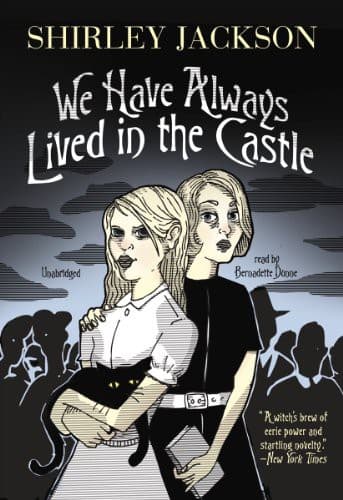
- We Have Always Lived in the Castle
Shirley Jackson
4.0 (118k) average on GoodreadsThrillerExplores family isolation, psychological decay, and an unsettling atmosphere.
- The Lottery
Shirley Jackson
4.1 (58k) average on GoodreadsScience FictionFeatures a slow build-up of dread and a dark revelation within a community/family unit.
- The Cement Garden
Ian McEwan
3.5 (29k) average on GoodreadsLiterary FictionFocuses on a family's isolation and descent into disturbing behavior after a traumatic event.
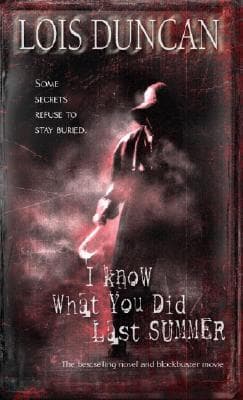
- I Know What You Did Last Summer
Lois Duncan
3.5 (12k) average on GoodreadsThrillerDuncan's novel offers a more conventional suspense plot with external threats and a clearer path to justice. Hartnett's focus is on internal decay, psychological horror, and the insidious nature of unresolved guilt, making the threat more existential and internal.
- Harry Potter and the Sorcerer's Stone
J.K. Rowling
4.5 (7M) average on GoodreadsFantasyRescued from a miserable life under the stairs, an orphaned boy discovers he's a wizard destined for a magical school, where he uncovers a dangerous secret tied to the dark wizard who murdered his parents.
- The Hunger Games
Suzanne Collins
4.3 (6.4M) average on GoodreadsFantasyIn a future where children fight to the death on live television, Katniss Everdeen volunteers for the arena, turning a death sentence into a fight for survival and a spark of rebellion.




Enjoyed the summary?
A summary gives you the shape of the book. The book itself has the detail, the examples and the voice.
Find Sleeping Dogs on AmazonAs an Amazon Associate, BookBrief earns from qualifying purchases. How we're funded