
Estimated read time: 7 min read
One Sentence Summary
A high school freshman navigates the challenges of adolescence, friendship, and family while coping with the unexpected absence of his older brother.
Table of Contents
Introduction
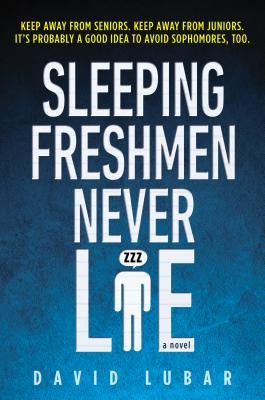
"Sleeping Freshmen Never Lie" by David Lubar is a witty and heartfelt young adult novel that captures the chaotic, humorous, and often confusing world of high school from the perspective of a freshman navigating new challenges. This coming-of-age tale explores themes of identity, friendship, family, and resilience with sharp humor and relatable insight. It’s a book that resonates deeply with students and educators alike, offering both laughs and thoughtful reflections on the adolescent experience.
Set against the backdrop of the American high school scene, Lubar’s novel stands out for its authentic voice and clever narrative style. It’s significant within young adult literature for addressing the trials of growing up in a way that is both entertaining and emotionally genuine.
Historical Context
Although "Sleeping Freshmen Never Lie" is a contemporary novel, it reflects the enduring dynamics of American high school life in the early 21st century. The story captures the cultural atmosphere of the 2000s, a period marked by evolving social norms, increased academic pressures, and the ubiquitous influence of technology and pop culture among teens.
Lubar’s work draws inspiration from classic coming-of-age stories, yet it updates the genre with modern sensibilities and humor. The book doesn’t delve deeply into historical events but situates itself firmly within the day-to-day realities of modern adolescents, making it a relevant read for today’s students.
Brief Synopsis
Plot Overview
At its core, "Sleeping Freshmen Never Lie" follows Scott Hudson, a 14-year-old boy who has just started high school. He’s suddenly confronted with a barrage of new experiences: difficult classes, social hierarchies, crushes, family troubles, and the daunting prospect of growing up. Scott’s life becomes a whirlwind of awkward moments, personal growth, and unexpected challenges.
The narrative unfolds through Scott’s humorous and candid journal entries, chronicling his attempts to survive freshman year while keeping his sanity. Without giving too much away, Scott’s journey is one of self-discovery, resilience, and learning to navigate the complex world of adolescence.
Setting
The story takes place in a typical American suburban high school during the early 2000s. The school setting is vividly portrayed, from the intimidating hallways and crowded cafeterias to the classrooms filled with quirky teachers and diverse student groups. This atmosphere creates a relatable and immersive environment for readers, capturing both the excitement and anxiety of high school life.
Main Characters
| Name | Role | Key Traits | Importance to Plot |
|---|---|---|---|
| Scott Hudson | Protagonist / Freshman | Funny, honest, awkward, observant | Narrator and central figure; drives the story’s emotional core |
| Casey Hudson | Scott’s sister | Popular, confident, supportive | Represents typical older sibling challenges and support |
| Scott’s Mom | Parent | Caring, supportive | Provides emotional grounding and family dynamics |
| Scott’s Dad | Parent | Practical, sometimes distant | Adds complexity to family relationships |
| Various Teachers | Educators | Varied personalities | Influence Scott’s academic and personal growth |
| Friends and Classmates | Peers | Diverse, dynamic | Reflect social challenges and support systems |
Plot Summary
Freshman Year Begins
Scott’s freshman year starts with the typical mix of excitement and dread. He’s thrust into a world where everyone seems more confident and experienced. His journal entries convey his inner turmoil and attempts to decode the social rules of high school.
Academic and Social Challenges
Scott struggles with demanding classes and the pressure to fit in. He experiences the highs and lows of teenage friendships and begins to understand the complexities of social hierarchies. His humor and self-awareness make these experiences both poignant and entertaining.
Family Dynamics
Scott’s relationship with his family adds depth to the narrative. His sister Casey’s popularity contrasts with his own social awkwardness, while his parents provide both comfort and confusion. These interactions highlight the challenges of growing up within a family.
Personal Growth and Resilience
As the year progresses, Scott faces setbacks and disappointments but also moments of triumph and insight. His journal becomes a tool for reflection and a way to make sense of his changing world. He learns valuable lessons about honesty, courage, and the importance of staying true to oneself.
Themes and Motifs
Identity and Self-Discovery
One of the novel’s central themes is Scott’s journey to understand who he is beyond the labels of ‘freshman’ or ‘awkward kid.’ Lubar explores how identity is shaped through experiences and relationships, emphasizing the fluid nature of self-perception during adolescence.
Friendship and Social Acceptance
The book delves into the complexities of teenage friendships, including loyalty, betrayal, and the desire to belong. Scott’s interactions reveal the fragile and often confusing nature of peer relationships.
Family Relationships
Family plays a significant role in Scott’s development. The novel examines the dynamics between siblings and parents, highlighting the support and misunderstandings that coexist in family life.
Humor as Coping
Lubar uses humor not only to entertain but also as a motif for coping with life’s challenges. Scott’s witty commentary provides relief and insight, illustrating how laughter can be a powerful tool in facing adversity.
Literary Techniques and Style
David Lubar employs a first-person journal format, giving readers direct access to Scott’s thoughts and feelings. This narrative style creates intimacy and immediacy, making Scott’s experiences vivid and relatable.
The author’s use of humor—often dry and self-deprecating—balances the novel’s more serious themes, making the story accessible and engaging. Lubar’s prose is clear, concise, and sprinkled with cultural references that enhance the authenticity of the teenage voice.
Symbolism appears subtly, with recurring motifs such as Scott’s journal representing his inner world and struggles. The novel’s realistic dialogue and detailed characterizations contribute to its strong sense of place and time.
Author's Background
David Lubar is an American author known for his contributions to young adult and children’s literature. With a background in writing humorous and imaginative stories, Lubar brings a unique voice to adolescent fiction. His works often blend humor with heartfelt exploration of youth issues.
Lubar’s writing style reflects his understanding of teenage psychology and the challenges of growing up, making his books particularly resonant with young readers and educators. Other notable works include Toothpaste Millionaire and Hidden Talents, which also explore themes of self-discovery and personal growth.
His legacy in YA literature is marked by his ability to address serious topics with levity and warmth, encouraging readers to embrace their quirks and challenges.
Key Takeaways
- Adolescence is a complex, often confusing journey filled with challenges and opportunities for growth.
- Humor can be a powerful tool to navigate difficult experiences and maintain perspective.
- Friendship and family are central to personal identity and emotional support during teenage years.
- Honesty with oneself and others fosters resilience and self-acceptance.
- High school, with all its social dynamics, is a formative stage that shapes future confidence and self-understanding.
Reader's Takeaway
Readers of "Sleeping Freshmen Never Lie" can expect an intellectually engaging and emotionally resonant experience. The novel’s humor and authenticity provide comfort to those facing similar adolescent trials. It encourages empathy and understanding across generations—helping adults recall their own youth and helping teens feel seen and validated.
The book offers valuable insights into the nature of growing up, emphasizing that mistakes and awkward moments are part of life’s learning curve. Ultimately, Scott’s story is an invitation to embrace change with courage and humor.
Conclusion
"Sleeping Freshmen Never Lie" is a standout young adult novel that combines humor, heart, and honesty to capture the essence of freshman year. David Lubar’s sharp wit and insightful storytelling make it a must-read for anyone interested in the adolescent experience.
This book not only entertains but also educates, providing readers with tools to better understand themselves and others. Whether you’re a student, teacher, or simply a lover of coming-of-age stories, Lubar’s work offers meaningful reflections on growth, friendship, and resilience.
Dive into Scott Hudson’s world and discover why surviving freshman year is both a rite of passage and a story worth telling.
Sleeping Freshmen Never Lie FAQ
What is the main theme of 'Sleeping Freshmen Never Lie'?
'Sleeping Freshmen Never Lie' primarily explores themes of adolescence, identity, and the challenges of starting high school.
Who is the protagonist of the book?
The protagonist is Scott Hudson, a freshman navigating the complexities of high school life.
What genre does the book belong to?
The book is a young adult novel with elements of humor and coming-of-age.
What challenges does Scott face in high school?
Scott deals with making new friends, handling academic pressure, family issues, and adjusting to a new social environment.
Is 'Sleeping Freshmen Never Lie' suitable for middle school readers?
Yes, it is appropriate for middle school and early high school readers, as it addresses relatable issues with humor and sensitivity.
Does the book include any significant family dynamics?
Yes, Scott's relationships with his family members, especially his older brother, play an important role in the story.
What is the tone of the book?
The tone is humorous and heartfelt, balancing the awkwardness of adolescence with genuine emotional moments.
Are there any romantic elements in the story?
Yes, Scott experiences crushes and explores early teenage romantic feelings as part of his high school journey.
Does the book address any serious topics?
While mostly lighthearted, the book touches on topics like bullying, family struggles, and self-acceptance.
Has 'Sleeping Freshmen Never Lie' received any awards or recognition?
The book has been well-received by readers and educators for its relatable portrayal of adolescence, though specific awards may vary.


