
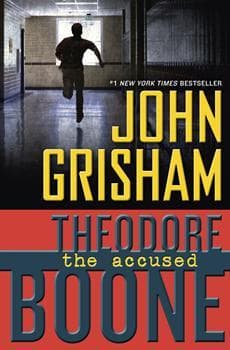
Synopsis
Covers the whole plot, including the ending.
- Difficulty
- Easy
- Pacing
- Moderate
- Mood
- Suspenseful, Intriguing, Fast-paced
- Read it if
- You enjoy legal thrillers with a young protagonist, mysteries involving court cases, or are a fan of John Grisham's style adapted for a younger audience.
- Skip it if
- You prefer adult-oriented legal thrillers, or are looking for complex, morally ambiguous characters and plots.
The Accused Plot Summary
Covers the whole plot, including the ending.
A New School Year and a Familiar Face
Theodore 'Theo' Boone begins eighth grade at Strattenburg Middle School, still known as the 'kid lawyer' because of his role in Pete Duffy's high-profile murder trial. His parents, both lawyers, are busy with their own work. Theo's uncle, Ike Boone, a disbarred lawyer and mentor, continues to advise and support Theo. Early in the school year, Theo learns from his parents that Pete Duffy, accused of murdering his wife, Myra, has been granted a retrial because of a technicality with evidence. This news worries Strattenburg, as many thought Duffy was guilty and now fear he might go free.
The Duffy Retrial Begins
Pete Duffy's retrial starts, attracting significant media and public attention. Theo's parents, especially his mother, Marcella Boone, are deeply involved, as her law firm represents the prosecution. Theo, with his strong interest in law and past experience with the case, follows the proceedings closely. He attends court sessions when he can, watching the lawyers, the judge, and Duffy. The prosecution, led by Theo's mother and the district attorney, continues to build its case, presenting evidence and witness statements, while the defense tries to find flaws in their arguments and create doubt about Duffy's guilt.
A Break-in and Missing Evidence
One evening, Theo finds that his small, makeshift law office in his parents' basement has been broken into. At first, he thinks it is just vandalism, but he quickly sees that a specific file about the Pete Duffy case is gone. This file contained a critical piece of evidence: a detailed timeline Theo had carefully made, which showed Duffy's movements on the night of the murder. The theft immediately makes Theo suspect that someone connected to Duffy's defense, or perhaps Duffy himself, is trying to weaken the prosecution's case by removing key information he had gathered.
Theo's Investigation
Alarmed by the break-in and the specific theft, Theo decides to investigate on his own, with quiet help from his Uncle Ike. Theo believes the theft is directly linked to the Duffy retrial and is determined to get his missing timeline back. He and Ike revisit the crime scene, looking for clues the police might have missed. Theo talks to his friends and contacts, asking for any information about suspicious activity around his house or anyone showing unusual interest in the Duffy case. He uses his sharp observation skills and legal sense to figure out possible reasons and suspects for the burglary, focusing on those who would benefit from the timeline's disappearance.
Suspects Emerge
As Theo investigates further, several possible suspects appear. He considers Pete Duffy, thinking Duffy might be desperate enough to try to sabotage the prosecution. Theo also looks into Duffy's known associates and members of his new defense team, wondering if any of them would use such tactics. He discusses these possibilities with Ike, who offers insights into criminal minds and legal strategies. Theo starts to watch individuals connected to the case more closely, subtly observing their behavior in and out of court, trying to figure out who might have had a reason and a chance to break into his office and steal the important timeline.
A Confrontation and a Threat
Theo's investigation leads him to an uncomfortable meeting with one of his main suspects, a person loosely connected to Pete Duffy's past. During their tense talk, Theo quietly asks for information about the break-in. The suspect, however, becomes defensive and makes a veiled threat, warning Theo to stop interfering with the Duffy case. This meeting confirms Theo's suspicion that he is on the right track and that the theft of his timeline is indeed connected to efforts to help Duffy's defense. Despite the danger, Theo's determination to find the truth only grows.
The Trial Intensifies
The Pete Duffy retrial becomes more intense, with the prosecution and defense giving their closing arguments. Theo's mother and the District Attorney work hard to convince the jury of Duffy's guilt, while Duffy's defense team uses every legal move to create reasonable doubt. Theo attends these sessions, observing the jury's reactions and the lawyers' strategies. He feels the pressure building, especially knowing that his stolen timeline could have been a powerful tool for the prosecution. The courtroom is full of tension as everyone waits for the jury's decision, which will determine Duffy's fate.
A Breakthrough and the Truth
Through his persistent investigation, a chance encounter, and a key tip from an unexpected source, Theo finally uncovers the truth behind the break-in. He learns that the person responsible was not directly connected to Duffy's defense team but an opportunistic individual who thought the timeline could be sold for a high price to Duffy's supporters. Theo manages to track down the burglar and get his stolen timeline back, confirming its importance. This discovery is a significant breakthrough, not just for Theo but potentially for the ongoing retrial, as it restores a vital piece of evidence.
Returning the Evidence
With the timeline recovered, Theo immediately takes it to his mother, Marcella Boone. She is surprised but quickly sees the importance of the recovered evidence. During a critical moment in the retrial, Marcella cleverly introduces Theo's carefully made timeline, which directly contradicts parts of the defense's story and strengthens the prosecution's case. The timeline, presented as evidence, helps clarify Duffy's movements and further implicates him in his wife's murder, shifting the trial's momentum back to the prosecution and surprising many in the courtroom.
The Verdict and Its Aftermath
After much thought, the jury in the Pete Duffy retrial delivers its verdict. Helped by Theo's timeline and the prosecution's strong case, the jury finds Pete Duffy guilty of his wife's murder. The verdict brings relief and a sense of justice to Strattenburg, especially for those who believed Duffy was guilty from the start. Theo feels a deep sense of accomplishment and justification, knowing his persistence and legal skill played a crucial role in ensuring justice was served. The case further strengthens his reputation as a capable young legal mind.
Theo's Future in Law
After the Pete Duffy case ends, Theo thinks about his experiences and his growing love for the law. His involvement in the retrial, the break-in, and finding crucial evidence has only made him more determined to pursue a career in law. He continues to learn from his parents and Uncle Ike, absorbing every piece of legal knowledge he can. The challenges he faced and overcame in 'The Accused' reinforce his belief in the importance of justice and his ability to contribute to it, setting the stage for his continued growth as a young legal talent in Strattenburg.
The Accused Characters
Theodore 'Theo' Boone
Protagonist
A thirteen-year-old legal prodigy with a passion for justice.
Theo is an intelligent and inquisitive eighth-grader in Strattenburg, known for his uncanny understanding of the legal system. He is the son of two lawyers, Marcella and Woods Boone, and often finds himself involved in legal cases, much to his parents' mix of pride and concern. Driven by a strong sense of right and wrong, Theo is unafraid to pursue the truth, even when it puts him in difficult situations. He is resourceful, observant, and possesses a sharp legal mind beyond his years, often noticing details that seasoned professionals miss.
Relationships: Marcella Boone (mother, fellow lawyer, mentor); Woods Boone (father, fellow lawyer, supportive figure); Ike Boone (uncle, disbarred lawyer, mentor, confidant); Pete Duffy (accused murderer, Theo's legal adversary)
Marcella Boone
Supporting
Theo's mother and a dedicated prosecutor.
Marcella is Theo's mother and a highly respected lawyer in Strattenburg, working as a prosecutor for the District Attorney's office. She is intelligent, driven, and committed to upholding justice. While she often worries about Theo's involvement in dangerous legal matters, she also recognizes and respects his legal talents, often relying on his insights. Marcella is a strong role model for Theo, demonstrating ethical legal practice and perseverance in challenging cases, especially during the Pete Duffy retrial.
Relationships: Theodore Boone (son, legal collaborator); Woods Boone (husband); Pete Duffy (prosecutor in his case)
Woods Boone
Supporting
Theo's father and a real estate lawyer.
Woods is Theo's father and a successful real estate lawyer. He is generally calm, pragmatic, and provides a stable home environment for Theo. While not directly involved in criminal law like Marcella, he offers Theo practical advice and emotional support. Woods often acts as a grounding force for Theo, encouraging him to be careful but also supporting his intellectual curiosity and passion for the law. He is proud of Theo's accomplishments but constantly reminds him of the potential dangers of his chosen path.
Relationships: Theodore Boone (son); Marcella Boone (wife)
Ike Boone
Supporting
Theo's disbarred uncle and an invaluable mentor.
Ike Boone is Theo's eccentric uncle, a former lawyer who was disbarred due to past mistakes but maintains a sharp legal mind and a vast network of contacts. He lives a somewhat reclusive life but is fiercely loyal to Theo, acting as his primary legal mentor and confidant. Ike provides Theo with street smarts, practical investigative techniques, and a cynical yet realistic perspective on the justice system. His past experiences make him wary of the system, but he encourages Theo's idealism and provides crucial, often unofficial, assistance.
Relationships: Theodore Boone (nephew, mentee); Marcella Boone (sister-in-law); Woods Boone (brother)
Pete Duffy
Antagonist
Accused murderer whose retrial is the central focus.
Pete Duffy is a local businessman accused of murdering his wife, Myra. He was initially tried and believed guilty by many in Strattenburg, but a legal technicality granted him a retrial. Duffy is portrayed as manipulative and cunning, desperate to avoid conviction. His desperation drives much of the plot, as he or his associates appear willing to go to extreme lengths to undermine the prosecution's case, including potentially orchestrating the theft of Theo's evidence.
Relationships: Theodore Boone (legal adversary); Marcella Boone (prosecutor)
Judge Henry Gantry
Supporting
The presiding judge in the Pete Duffy retrial.
Judge Gantry is a fair and experienced judge who presides over the high-profile Pete Duffy retrial. He maintains order in his courtroom and ensures that legal procedures are followed correctly. While impartial, he is a figure of authority and represents the formal legal system within the story. Theo observes Judge Gantry's decisions and demeanor closely, learning about the intricacies of judicial process.
Relationships: Theodore Boone (observer in his courtroom); Marcella Boone (lawyer in his courtroom)
April Finnemore
Supporting
Theo's close friend.
April is one of Theo's closest friends and often a source of support and normalcy in his life, which is frequently consumed by legal matters. She is intelligent and empathetic, though not directly involved in the legal aspects of the plot. Her presence reminds Theo of his life outside of the courtroom and provides a contrast to the intense world of legal thrillers he inhabits.
Relationships: Theodore Boone (close friend)
Woody
Supporting
Theo's school friend.
Woody is another one of Theo's school friends, often seen with Theo and April. He represents the typical teenage life that Theo also tries to balance with his legal interests. While not directly involved in the Duffy case, Woody's presence helps to ground Theo in his everyday life and provides a sense of camaraderie.
Relationships: Theodore Boone (friend)
The Accused Themes
Justice vs. Legal Loopholes
This theme looks at the conflict between what is morally right and what is legally allowed. Pete Duffy's retrial, given due to a legal detail despite many believing he was guilty, shows how legal procedures, while meant to protect rights, can sometimes hinder justice. Theo's frustration with the system, combined with his resolve to make Duffy accountable, shows this conflict. The theft of his timeline further highlights how far people will go to use or bypass the law.
“The law, Theo had learned, was often a slow, messy business, full of loopholes and technicalities that could frustrate justice.”
The Power of Youthful Intuition
The novel shows that age does not stop someone from having wisdom or insight, especially in legal matters. Theo, at just thirteen, repeatedly shows a sharp understanding of legal strategy, human nature, and investigation methods that often match or exceed those of adults. His ability to connect different pieces of information, his careful attention to detail (seen in his timeline), and his courage to act on his instincts are central to solving the mystery of the stolen evidence and helping convict Duffy. This theme celebrates the fresh perspective and pure idealism of youth.
“Sometimes, the freshest eyes see the clearest truth.”
The Dangers and Responsibilities of Knowledge
Theo's extensive legal knowledge and involvement in serious cases come with significant risks. The break-in at his office and the veiled threat he receives come directly from his legal skill and the important evidence he has. This highlights the dangers of uncovering uncomfortable truths, especially for someone so young. The theme explores the responsibility that comes with such knowledge and the courage needed to act on it, even when personal safety is at risk. Theo learns that seeking justice can be a dangerous path.
“With great knowledge, Theo, comes great responsibility. And sometimes, great danger.”
Family and Mentorship
Theo's family is very important to his development and safety. His parents, Marcella and Woods, provide both a legal base and emotional support, though with different levels of concern for his involvement in dangerous cases. More importantly, his Uncle Ike acts as a key mentor, offering practical advice, street smarts, and a unique view of the legal world. This theme shows how a strong network of supportive, knowledgeable people can guide a young prodigy, helping him handle complex challenges and grow personally and professionally. Their combined wisdom helps Theo succeed where he might otherwise fail.
“You can learn a lot from books, Theo, but the real lessons are found in the streets and in the courtroom, if you know how to look and listen.”
Plot Devices & Literary Techniques
The Stolen Timeline
A crucial piece of evidence created by Theo that goes missing.
Theo's meticulously crafted timeline of Pete Duffy's movements on the night of the murder serves as the central MacGuffin and plot driver. Its creation establishes Theo's legal prowess, and its theft ignites his personal investigation, adding a layer of mystery and urgency beyond the retrial itself. The timeline's absence creates tension for the prosecution, and its eventual recovery by Theo is a pivotal moment that directly impacts the trial's outcome, showcasing Theo's invaluable contribution to justice.
Red Herrings
Misleading clues and suspects to distract from the true culprit.
As Theo investigates the break-in, the narrative introduces several red herrings, leading Theo and the reader to suspect various individuals connected to Pete Duffy's defense or his past. These diversions create suspense and complicate Theo's investigation, making him question motives and allegiances. They serve to deepen the mystery surrounding the theft and highlight Theo's deductive reasoning as he sifts through false leads to uncover the actual perpetrator, who turns out to be an unexpected figure.
Mentor Figure (Ike Boone)
An experienced, albeit unconventional, guide for the protagonist.
Ike Boone functions as a classic mentor figure for Theo. Despite being disbarred, Ike possesses a wealth of legal knowledge, street smarts, and a network of contacts that prove invaluable to Theo's investigations. He offers advice, challenges Theo's assumptions, and provides discreet assistance without directly involving himself in the formal legal process. Ike's role allows Theo to explore avenues beyond conventional legal channels, offering a more nuanced and often cynical perspective on the justice system, which balances Theo's youthful idealism.
The Retrial
A second chance at justice, fraught with new challenges.
The Pete Duffy retrial itself serves as a significant plot device. It provides the overarching framework for the story, bringing back a known antagonist and raising the stakes for Theo. The retrial highlights the imperfections and complexities of the legal system, where technicalities can overturn previous verdicts. It allows for a fresh examination of evidence and motives, creating opportunities for Theo's involvement and demonstrating how a previous injustice can be rectified, albeit through a challenging and often dangerous process.
The Accused Quotes
“The truth was a weapon, and sometimes it was best to keep it sheathed.”
“Justice, in their world, was a commodity, bought and sold like anything else.”
“Fear was a powerful motivator, capable of making good people do terrible things.”
“Every secret had a shelf life, and eventually, the dust would settle.”
“Sometimes, the loudest voices were the ones with the least to say.”
“In the shadow of a lie, the truth often found a way to glow brighter.”
“The law was a labyrinth, easy to get lost in, impossible to escape once trapped.”
“Innocence was a fragile thing, easily shattered by suspicion and rumor.”
“The greatest battles were often fought not in courtrooms, but in the quiet corners of the mind.”
“Silence could be as damning as any confession.”
“Kids, he thought, they always saw things adults tried to ignore.”
“The system wasn't designed for justice; it was designed for conviction.”
“Hope was a dangerous thing, especially when built on shaky ground.”
“Every lie woven into the fabric of a story eventually unravelled, thread by painful thread.”
Quiz
10 questions on the plot and the characters. Each answer comes with a short explanation.
Question 1
What is the name of Theo's best friend who was abducted in a previous case?
- April Finnemore
- Woody Ackers
- Bobby Escobar
- Chase Whipple
Show answer
A. April Finnemore Theo's best friend, April Finnemore, was abducted in a previous book, a significant event in Theo's past cases.
Question 2
What is Theo Boone's primary age in the series when he is involved in these legal cases?
- Ten
- Thirteen
- Sixteen
- Eighteen
Show answer
B. Thirteen The book description explicitly states that Theo Boone is thirteen years old, making his legal involvement remarkable for his age.
Question 3
In 'The Accused', what is the general nature of the 'biggest challenge yet' that Theo faces?
- A complex murder trial with new evidence
- A personal legal battle involving his own family
- A new unfolding of events in Strattenburg requiring his legal insight
- Helping a friend escape a wrongful accusation of theft
Show answer
C. A new unfolding of events in Strattenburg requiring his legal insight The summary mentions 'the latest unfolding of events in Strattenburg' as the source of Theo's 'biggest challenge yet', indicating a new, undefined legal situation.
Question 4
What role do Theo's parents typically play in his legal investigations, given their professions?
- They actively discourage his involvement in legal cases.
- They are both lawyers and often provide him with advice and resources.
- His mother is a lawyer, but his father is a police officer.
- They are unaware of the extent of his legal activities.
Show answer
B. They are both lawyers and often provide him with advice and resources. Theo's parents are both lawyers, providing him with a strong legal background and often indirect support or guidance, though he often acts independently.
Question 5
Which of the following best describes the setting of Theo Boone's adventures?
- A sprawling metropolis with a high crime rate
- A small, quiet rural town with few legal troubles
- The fictional town of Strattenburg, known for its legal system
- Various international locations as Theo travels for cases
Show answer
C. The fictional town of Strattenburg, known for its legal system The book description explicitly mentions 'Strattenburg' as the town where the events unfold, making it the primary setting.
Question 6
What characteristic makes Theo Boone uniquely suited to his legal pursuits despite his young age?
- He has a photographic memory of all legal precedents.
- His innate curiosity, keen observation skills, and understanding of the law.
- He possesses a secret identity that allows him access to restricted areas.
- He is mentored by a retired Supreme Court Justice.
Show answer
B. His innate curiosity, keen observation skills, and understanding of the law. Theo's success stems from his natural aptitude for legal thinking, his ability to observe details, and his persistent curiosity.
Question 7
What specific type of legal case did Theo Boone uncover 'key evidence' in, as mentioned in the summary?
- A high-profile civil rights violation case
- A groundbreaking murder trial
- A complex corporate fraud investigation
- An environmental pollution lawsuit
Show answer
B. A groundbreaking murder trial The summary states Theo 'uncovered key evidence in a groundbreaking murder trial', referring to his past achievements.
Question 8
What is a recurring theme in the Theodore Boone series, particularly highlighted by his age and involvement in serious legal matters?
- The corruption inherent in all legal systems.
- The importance of youth activism in political movements.
- Justice can be found through unconventional means and by unlikely heroes, regardless of age.
- The inevitable failure of the legal system without adult intervention.
Show answer
C. Justice can be found through unconventional means and by unlikely heroes, regardless of age. A central theme is that even a young person like Theo can make a significant difference in the pursuit of justice, often through unconventional means.
Question 9
How does John Grisham's established reputation as a 'master of the legal thriller' influence the reader's expectations for 'The Accused'?
- It suggests the book will primarily focus on courtroom drama and legal procedures.
- It implies a shift towards fantasy elements in the plot.
- It guarantees a lighthearted, comedic tone throughout the story.
- It indicates a focus on international espionage rather than local legal issues.
Show answer
A. It suggests the book will primarily focus on courtroom drama and legal procedures. Grisham's reputation as a legal thriller master signals that readers can expect intricate legal plots, courtroom tension, and suspense related to the justice system.
Question 10
What distinguishes Theo Boone from typical protagonists in young adult mystery novels, based on the provided text?
- His reliance on supernatural abilities to solve crimes.
- His direct involvement in complex legal cases and understanding of the judicial system.
- He solves mysteries primarily through technological gadgets.
- His adventures are exclusively set in historical periods.
Show answer
B. His direct involvement in complex legal cases and understanding of the judicial system. Theo's unique aspect is his deep engagement with the formal legal system, uncovering evidence and understanding complex trials, which is uncommon for a thirteen-year-old protagonist.
The Accused FAQ
What is the central legal challenge Theo faces in 'The Accused'?
In 'The Accused,' Theo Boone finds himself defending his friend Woody, who is accused of vandalism and breaking and entering at the Strattenburg Mall. The case initially seems straightforward but quickly escalates, threatening Woody with serious consequences and a permanent record.
Who is Woody and what is his relationship with Theo?
Woody is Theo Boone's best friend, known for being a bit of a troublemaker but generally good-hearted. Their friendship is central to the plot, as Theo's determination to clear Woody's name drives much of the narrative and showcases his loyalty.
What evidence initially points to Woody's guilt?
Initial evidence against Woody includes security footage placing him near the mall, along with eyewitness accounts from mall security. Furthermore, items taken from the vandalized stores are found in his possession, making the case against him seem quite strong at first glance.
How does Theo prepare for Woody's defense, given his age?
Despite his age, Theo utilizes his extensive knowledge of the law gained from his lawyer parents, conducting his own investigations, interviewing witnesses, and meticulously examining evidence. He also relies on his parents' guidance and resources, subtly learning courtroom strategies.
What role do Theo's parents play in this case?
Theo's parents, both lawyers, provide invaluable support and subtle mentorship, offering legal advice, access to their firm's resources, and a sounding board for Theo's theories. They allow him significant autonomy while ensuring he operates within legal and ethical boundaries, shaping his understanding of justice.
Are there any subtle clues about the true culprit's identity early in the book?
Yes, there are subtle clues, such as inconsistencies in witness testimonies regarding the vandal's build and unusual details about the type of items stolen. Theo also notices the true culprit's strange behavior and evasiveness during his initial interviews, hinting at their eventual unmasking.
How does the mall's security system become a critical plot point?
The mall's security system is initially presented as foolproof, but Theo discovers blind spots and glitches, particularly regarding camera angles and recording times. These imperfections become crucial for challenging the prosecution's timeline and eventually proving Woody's innocence by revealing another individual.
Is there a connection between this case and previous events in the series, such as the murder trial or the abduction?
While 'The Accused' focuses on a new, distinct case, it subtly builds on Theo's established reputation as a sharp young legal mind, a reputation earned in previous books. His past successes, particularly in the murder trial, give him credibility and confidence to tackle this new challenge, though no direct plot overlap occurs.
What is the psychological impact of being accused on Woody?
Woody experiences significant emotional distress, including fear, anxiety, and feelings of betrayal and hopelessness. The accusation deeply affects his self-esteem and future prospects, highlighting the profound psychological toll that even a false accusation can have on a young person.
How does Theo's empathy influence his approach to the case?
Theo's strong empathy for Woody fuels his relentless pursuit of justice, driving him to look beyond the obvious evidence and consider alternative explanations. His understanding of Woody's character and the potential unfairness of the situation motivates his thorough investigation and defense strategies.
What psychological tactics does the prosecution use against Woody?
The prosecution employs tactics designed to intimidate Woody, such as highlighting the severity of the charges and the potential consequences of a conviction. They also try to exploit his known history of minor mischievous acts to paint him as a habitual offender, creating a psychological disadvantage.
How does Theo handle the pressure and moral dilemmas of defending his friend?
Theo handles the pressure by meticulously focusing on facts and legal procedures, compartmentalizing his personal feelings while remaining fiercely loyal to Woody. He grapples with the moral dilemma of potentially exposing another person's wrongdoing while prioritizing his friend's freedom, demonstrating his developing ethical compass.
Does the book suggest that the justice system is inherently flawed for young people?
The book subtly suggests that the justice system can be intimidating and potentially unfair, especially for young people who may lack the resources or understanding to navigate it effectively. It highlights how easily a young person can be misjudged or railroaded without proper representation, emphasizing the importance of advocates like Theo.
What broader message about truth and perception does 'The Accused' convey?
'The Accused' strongly conveys the message that initial perceptions and seemingly conclusive evidence can be misleading. It emphasizes the importance of digging deeper, questioning assumptions, and seeking the full truth, rather than relying solely on superficial appearances or convenient narratives.
Is there a debate about whether Theo's actions are appropriate for his age?
Yes, there's an implicit debate, as Theo's level of involvement and legal acumen are extraordinary for a thirteen-year-old. While his actions are crucial to the plot, some might question the realism of a minor conducting such a complex defense, prompting discussion about the boundaries of youthful agency in the legal world.
How does the book explore themes of loyalty and friendship?
The book deeply explores themes of loyalty and friendship through Theo's unwavering commitment to Woody, even when all evidence points against him. Theo's willingness to go to great lengths to defend his best friend underscores the profound bond between them and the sacrifices true friendship demands.
What is the significance of the title 'The Accused'?
The title 'The Accused' directly refers to Woody, who is falsely accused of a crime, but also subtly alludes to the vulnerability of anyone facing the powerful machinery of the legal system. It highlights the central conflict of the story: the struggle of an innocent person against damaging accusations.
Does the book offer a critique of media sensationalism in legal cases?
While not a primary focus, the book subtly touches on how initial reports and public opinion can quickly condemn an accused individual, even before all facts are known. This hints at the dangers of sensationalism and its potential to prejudice a case.
About the author

John Grisham is an American author known for his legal thrillers. His notable works include A Time to Kill, The Client, The Pelican Brief, The Runaway Jury, The Rainmaker, and The Chamber. Grisham's novels often explore themes of justice and morality within the legal system.
Similar books
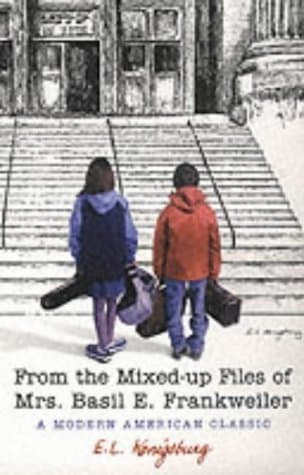
- From the Mixed-Up Files of Mrs. Basil E. Frankweiler
E.L. Konigsburg
4.2 (189k) average on GoodreadsChildren'sFeatures resourceful young protagonists solving a mystery independently.
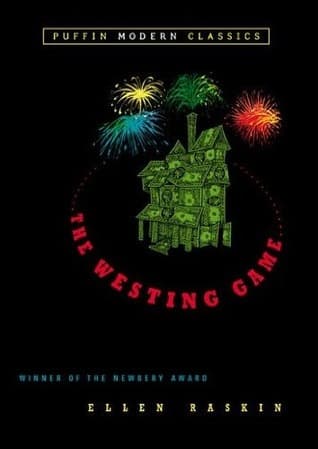
- The Westing Game
Ellen Raskin
4.0 (165k) average on GoodreadsChildren'sA mystery where young characters piece together clues to solve a complex puzzle.
- We Were Liars
E. Lockhart
3.8 (465k) average on GoodreadsThriller"The Accused" is a compelling mystery, but We Were Liars offers far greater psychological depth and explores moral ambiguity with more sophistication. Grisham prioritizes plot over character interiority, whereas Lockhart masterfully intertwines both, creating a more resonant emotional impact.
- One of Us Is Lying
Karen M. McManus
4.0 (216k) average on GoodreadsThrillerWhile both books are mystery-driven, One of Us Is Lying excels in character development, with each protagonist undergoing significant internal growth alongside the external mystery. "The Accused" maintains a tighter focus on Theo and the legal puzzle, resulting in less profound character arcs compared to McManus's ensemble cast.
- Angels & Demons
Dan Brown
3.9 (2.7M) average on GoodreadsThrillerA Harvard symbologist races through Rome's ancient sites, deciphering cryptic clues to unmask the Illuminati and stop a vengeful plot to destroy the Vatican with a stolen antimatter weapon.
- Gone Girl
Gillian Flynn
4.1 (2.3M) average on GoodreadsThrillerA wife's sudden disappearance on her fifth anniversary reveals a web of lies and psychological warfare, exposing the secrets within a seemingly perfect marriage.




Enjoyed the summary?
A summary gives you the shape of the book. The book itself has the detail, the examples and the voice.
Find The Accused on AmazonAs an Amazon Associate, BookBrief earns from qualifying purchases. How we're funded