
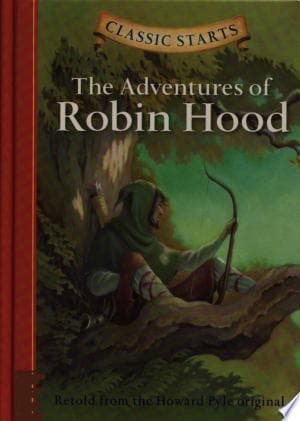
Synopsis
Covers the whole plot, including the ending.
- Difficulty
- Easy
- Pacing
- Fast
- Mood
- Adventurous, Heroic, Swashbuckling, Whimsical
- Read it if
- You enjoy classic tales of heroism, adventure, and justice, with a focus on good triumphing over evil.
- Skip it if
- You prefer complex character development or morally ambiguous narratives.
The Adventures of Robin Hood Plot Summary
Covers the whole plot, including the ending.
The Outlaw's Birth: Robin Hood of Locksley
The story introduces Robin Hood, born Robin Fitzooth, later Robin of Locksley. He is a skilled archer. One day, in Sherwood Forest, he meets King's foresters who mock his youth and challenge his skill. Robin wagers with a forester and wins, splitting the target's arrow. The forester, angry at his loss and Robin's disrespect, insults him. Robin defends himself, shooting and killing the forester. He must flee into Sherwood Forest, becoming an outlaw, hunted by the law but determined to live free.
Little John: A Mighty Friendship Forged
In Sherwood Forest, Robin Hood finds a narrow bridge over a brook. A large stranger, seven feet tall, stands on the other side and will not let him pass. A verbal challenge becomes a physical one. Robin does not use his bow; they fight with quarterstaffs. The stranger is a strong opponent, knocking Robin into the brook. Amused and impressed, Robin invites him to join his outlaws. The giant agrees. Robin renames him Little John, marking the start of their friendship and Little John's role as Robin's trusted man.
Will Scarlet and the Rescue of the Butcher
Robin Hood meets a butcher on his way to Nottingham market, buying his meat and disguise. He then takes the butcher's place, selling meat cheaply, which gets the Sheriff of Nottingham's attention. The Sheriff invites Robin, still disguised, to dine. Robin boasts of his many cattle in Sherwood Forest. The greedy Sheriff, hoping for profit, goes with Robin into the forest to see these 'herds.' Deep in Sherwood, Robin reveals his identity and, with his men, takes the Sheriff's money, sending him back empty-handed. Later, Robin also meets his distressed nephew, Will Scarlet, and welcomes him to the band, seeing his loyalty and skill.
Friar Tuck: The Battle and the Baptism
One day, Robin Hood and his men look for a priest to hear mass. Robin finds a jolly, portly friar by a stream and asks for passage. The friar, Friar Tuck, demands Robin carry him. A comical argument leads to a staff fight. Like Little John, Friar Tuck is a powerful opponent, throwing Robin into the stream. Impressed by the friar's strength and humor, Robin invites him to join his outlaws. Friar Tuck, tired of his solitary life and wanting adventure, agrees, becoming a spiritual guide and a comedic member of the men, known for his love of food, drink, and fighting.
Allan-a-Dale and the Rescue of Fair Ellen
Robin Hood meets a sad young minstrel, Allan-a-Dale, upset because his love, Fair Ellen, is being forced to marry an old, rich knight. The wedding is the next day. Robin, a supporter of true love, promises to help Allan-a-Dale. On the wedding day, Robin and his men enter the church. As the ceremony begins, Robin reveals himself and stops it. With his men's help, he ensures Fair Ellen marries Allan-a-Dale. Friar Tuck performs their wedding, adding another story of Robin Hood's justice to the forest legends.
The Silver Arrow: The Nottingham Archery Contest
The Sheriff of Nottingham, unable to catch Robin Hood, plans a grand archery contest with a silver arrow as the prize, knowing Robin's pride will make him attend. Despite warnings, Robin disguises himself and goes to Nottingham. He easily outshoots all competitors. As he claims his prize, the Sheriff's men recognize him and try to capture him. With his men, who had also entered the crowd, Robin makes a daring escape back into Sherwood Forest, silver arrow in hand, making his legend grow.
The Rescue of Will Stutely
One day, Will Stutely, one of Robin Hood's men, is captured by the Sheriff's men near Nottingham. He is condemned to be hanged. News of Will Stutely's execution reaches Robin Hood. Angry at the injustice and loyal to his men, Robin gathers his band and plans a rescue. They ambush the procession taking Will Stutely to the gallows. A fierce battle follows, with the men fighting the Sheriff's guards. Through their strength, skill, and courage, they free Will Stutely from the noose, bringing him back to Sherwood Forest safely, showing the bond within Robin's band.
The King's Disguise: Richard Lionheart Returns
After years away, King Richard the Lionheart secretly returns to England from the Crusades, disguised as a monk. He wants to see the state of his kingdom and the loyalty of his subjects, especially the outlaws of Sherwood Forest. He meets Robin Hood and his men, who, unaware of his identity, invite him to dine. The 'monk' observes Robin's justice, generosity, and his men's loyalty. King Richard then reveals his identity to a surprised Robin Hood. Robin, happy at his king's return, pledges allegiance. The King, impressed by Robin, pardons him and his men, inviting them to join his service.
Robin Hood's Pardon and Service to the King
After King Richard's revelation, Robin Hood and his men receive a full pardon. They leave Sherwood Forest and enter the King's service, becoming part of his court. Robin Hood, no longer an outlaw, serves his King faithfully, using his archery skills and leadership for the crown. His men also find new roles, moving from forest life to life within the kingdom's official structure. This period is a big change, as they are now legitimate subjects, fighting for the King rather than against his corrupt officials, showing their loyalty to the true monarch.
The Return to Sherwood and Robin's Final Days
After King Richard's death, his brother King John becomes king. King John, a cruel ruler, does not honor Richard's pardon. Robin Hood finds court life unsatisfying and misses Sherwood's freedom. He eventually returns to his forest, again becoming an outlaw, though with fewer men. As he ages, he falls ill and seeks help from his cousin, the Prioress of Kirklees Abbey. The Prioress, perhaps with bad intentions, bleeds him too much. Sensing his end, Robin asks Little John for his bow one last time. He shoots an arrow, asking to be buried where it falls, marking his final resting place in the forest he loved.
The Adventures of Robin Hood Characters
Robin Hood
Protagonist
The skilled archer and noble outlaw of Sherwood Forest.
Robin Hood, born Robin Fitzooth, later Robin of Locksley, is the charismatic and just leader of the merry men. He is an unparalleled archer, quick-witted, and possesses a strong moral compass, dedicated to fighting injustice, particularly against the poor and oppressed by the corrupt Sheriff of Nottingham and Prince John. Despite being an outlaw, he adheres to a strict code of honor, never harming women or children, and always keeping his word. His generosity and daring make him a beloved figure among the common folk. He is driven by a desire for fairness and loyalty to the true King Richard.
Relationships: Little John (Best friend and loyal lieutenant); Maid Marian (Love interest (though less prominent in Pyle's version)); Friar Tuck (Jovial companion and spiritual advisor); Will Scarlet (Nephew and loyal follower); Sheriff of Nottingham (Arch-nemesis); King Richard the Lionheart (True sovereign and eventual pardoner)
Little John
Supporting
Robin Hood's giant, quarterstaff-wielding, and fiercely loyal second-in-command.
Little John is Robin Hood's most trusted and loyal friend, first encountered in a memorable quarterstaff duel on a narrow bridge. Despite his immense size and strength, earning him the ironic nickname 'Little John,' he possesses a keen wit and a steadfast devotion to Robin. He is a formidable fighter, particularly with a quarterstaff, and often acts as Robin's confidant and enforcer. His presence provides both comic relief and unwavering support, making him an indispensable member of the merry men. He is often the one to carry out important tasks and stands by Robin until the very end.
Relationships: Robin Hood (Best friend and leader); Merry Men (Fellow outlaws and companions)
Friar Tuck
Supporting
The jolly, stout, and strong friar who joins Robin's band.
Friar Tuck is a jovial and robust friar, known for his love of food, drink, and a good fight. He meets Robin Hood in a humorous encounter involving a stream and a staff duel, where he proves his surprising strength. Despite his clerical vows, he is not averse to merriment or wielding a quarterstaff in defense of justice. He serves as the spiritual guide for the merry men, often performing marriages and offering blessings, but he is equally adept at contributing to their adventures with his physical prowess and good humor. He adds a unique blend of piety and earthiness to the outlaw band.
Relationships: Robin Hood (Leader and companion); Merry Men (Fellow outlaws and friends)
Will Scarlet
Supporting
Robin Hood's nephew, a skilled swordsman and loyal member of the band.
Will Scarlet is Robin Hood's nephew, known for his fine clothing, sharp wit, and exceptional skill with a sword. He is a fierce and loyal member of the merry men, often one of the first to join Robin in battle. While not as prominent as Little John or Friar Tuck in terms of individual escapades, his presence is consistent, and he is depicted as a reliable and courageous fighter. His noble lineage connects Robin to a past life, and his loyalty underscores the familial bonds within the outlaw group.
Relationships: Robin Hood (Uncle and leader); Merry Men (Fellow outlaws)
Sheriff of Nottingham
Antagonist
The corrupt and greedy official constantly trying to capture Robin Hood.
The Sheriff of Nottingham is the primary local antagonist, representing the oppressive and unjust authority of Prince John. He is depicted as greedy, cowardly, and often foolish, constantly devising schemes to capture Robin Hood, only to be outwitted or humiliated. His motivations are driven by personal gain and a desire to enforce the harsh laws against the common people. He is a symbol of the tyranny that Robin Hood and his men fight against, and his repeated failures highlight Robin's cleverness and the effectiveness of his outlaw justice.
Relationships: Robin Hood (Arch-nemesis); Prince John (Superior, who he serves)
King Richard the Lionheart
Supporting
The true and just King of England, absent for much of the story.
King Richard the Lionheart is the rightful King of England, revered by Robin Hood and his loyal subjects. His prolonged absence on the Crusades allows Prince John and corrupt officials like the Sheriff of Nottingham to oppress the people. Richard embodies justice, nobility, and fair rule. His eventual return, disguised as a monk, serves as a pivotal moment, as he personally witnesses Robin Hood's honorable deeds and ultimately pardons him, restoring order and justice to the land. He represents the ideal monarch whom Robin and his men are truly loyal to.
Relationships: Robin Hood (Loyal subject (eventually)); Prince John (Brother and usurper)
Prince John
Antagonist
The cruel and avaricious brother of King Richard, who usurps power.
Prince John is the younger brother of King Richard and the de facto ruler of England during Richard's absence. He is portrayed as a cruel, avaricious, and cowardly figure who exploits his position to enrich himself and oppress the populace. He embodies the unjust authority that Robin Hood fights against. His reign is marked by tyranny and corruption, making him the ultimate symbol of the injustice that forces men like Robin into outlawry. He is responsible for the suffering of the common people and the reason why Robin's actions are deemed necessary.
Relationships: King Richard the Lionheart (Brother and rightful king); Sheriff of Nottingham (Subordinate and accomplice)
Allan-a-Dale
Supporting
A minstrel and member of Robin's band, known for his music and loyalty.
Allan-a-Dale is a talented minstrel who joins Robin Hood's band after Robin helps him reclaim his true love, Fair Ellen, from an unwanted marriage. He is known for his beautiful singing and skill with a lute, providing entertainment and morale for the merry men. While not a fighter in the same vein as Little John or Will Scarlet, his musical talents are highly valued, and his story highlights Robin Hood's commitment to justice and true love. He represents the artistic and romantic spirit within the outlaw community.
Relationships: Robin Hood (Leader and rescuer); Fair Ellen (True love and wife)
Will Stutely
Supporting
A loyal and brave member of the merry men, known for his daring.
Will Stutely is one of Robin Hood's most loyal and courageous followers, often involved in scouting missions and daring exploits. His capture by the Sheriff of Nottingham and subsequent rescue by Robin Hood and the merry men is a significant event, demonstrating the strong bonds of loyalty and camaraderie within the outlaw band. He is a reliable fighter and a testament to the unwavering support Robin receives from his men.
Relationships: Robin Hood (Leader); Merry Men (Fellow outlaws)
The Adventures of Robin Hood Themes
Justice vs. Law
A main theme is the conflict between the oppressive law of the Sheriff of Nottingham and Prince John, and the justice Robin Hood provides. Robin and his men act outside the legal system, but their actions aim to correct wrongs, protect the innocent, and give wealth from the corrupt rich to the poor. This shows that true justice can exist outside formal legality when the formal system is unfair. For example, Robin's actions of robbing the rich to give to the poor, or rescuing Allan-a-Dale from an unwanted marriage, show this moral code.
“For I shall rob the rich and give to the poor, and all for the honor of England and the good of her folk.”
Loyalty and Brotherhood
The strong bonds of loyalty among Robin Hood and his men are important. Their commitment to each other appears in many rescues and shared difficulties. The stories of Little John's and Friar Tuck's arrival, or the rescue of Will Stutely from the gallows, show the strength of these relationships. This theme emphasizes camaraderie, mutual support, and shared goals in adversity, creating a strong moral core for the outlaw community in Sherwood Forest.
“If one of us falls, the rest will stand by him to the last drop of our blood.”
Freedom and Nature
Sherwood Forest is a character, representing freedom, refuge, and a safe place from the oppressive outside world. The men thrive in nature, living by their own rules. This theme explores the difference between society's artificial rules and the freedom of the wild. Robin's return to Sherwood after serving King Richard shows his connection to the forest and his preference for its free existence, symbolizing a return to his true self away from court life.
“Here in the greenwood, we are free; no king nor sheriff can bind us here.”
Corruption of Power
The story shows how unchecked power corrupts, mainly through Prince John and the Sheriff of Nottingham. Their greed, cruelty, and abuse of authority cause the suffering of common people and make Robin Hood's outlaw actions necessary. The story critiques tyrannical rule and shows how those in power can exploit their positions for personal gain, leading to injustice and rebellion from the oppressed. This theme is resolved, for a time, with the return of the just King Richard.
“For the land groaned under the heavy hand of Prince John and his cruel officers.”
Plot Devices & Literary Techniques
Disguise
A recurring element used by Robin Hood and his men to outwit their enemies.
Disguise is a frequently employed plot device, allowing Robin Hood and his merry men to move freely among their enemies, gather information, and execute their plans. Robin often disguises himself as a butcher, a monk, or a simple yeoman, notably during the Nottingham archery contest to win the silver arrow. This device highlights Robin's cleverness and resourcefulness, enabling him to infiltrate hostile environments and directly challenge the Sheriff without immediate capture, adding an element of suspense and humor to many of the escapades.
Archery Contest
A classic trap set by the Sheriff, which Robin cannot resist.
The archery contest serves as a recurring narrative trope and a test of Robin Hood's pride and skill. The Sheriff of Nottingham often uses the lure of a grand prize, like the silver arrow, to draw Robin out of Sherwood Forest, betting on his inability to resist such a challenge to his legendary prowess. This device creates high-stakes tension, as Robin risks capture to prove his unmatched skill. It effectively showcases his extraordinary talent while also highlighting the constant cat-and-mouse game between him and the Sheriff.
The Quarterstaff Duel
A traditional form of combat used to introduce and test new characters.
The quarterstaff duel is a significant plot device used to introduce and establish the strength and character of key merry men, particularly Little John and Friar Tuck. These encounters are more than just fights; they are tests of skill, honor, and wit. Robin, forgoing his bow, engages in fair combat, and his willingness to fight fairly and his subsequent acceptance of defeat (or victory) lead to the formation of loyal friendships. This device emphasizes the importance of physical prowess and mutual respect in the formation of Robin's band.
The Absent King
The political backdrop that allows for the rise of outlaws and injustice.
The absence of King Richard the Lionheart is a crucial political plot device that sets the stage for the entire narrative. His departure on the Crusades creates a power vacuum, allowing Prince John to usurp authority and enabling corrupt officials like the Sheriff of Nottingham to oppress the common people. This absence justifies Robin Hood's outlawry as a form of righteous resistance against an unjust interim rule, transforming him from a simple criminal into a champion of the people and a loyal subject awaiting his true king's return. The King's eventual return signifies the restoration of order and justice.
The Adventures of Robin Hood Quotes
“But I tell thee, friend, that I have never yet harmed any man in all my life unless he has first harmed me.”
“For I am a king in my own way, and rule my forest as surely as the king rules his castle.”
“He who steals from the rich to give to the poor is no thief, but a friend to the needy.”
“A merry life do we lead in the greenwood, with never a care to trouble us.”
“For every man has a right to live, and to live in freedom if he can.”
“The law is made for the rich to oppress the poor, and I will have none of it.”
“In Sherwood Forest, we make our own laws, and they are laws of fairness and kindness.”
“A true friend is worth more than all the gold in Nottingham.”
“Let no man say that Robin Hood fears to face his enemies, for I will meet them with bow in hand.”
“The forest is our home, and we will defend it against any who would take it from us.”
“Better to die free in the greenwood than live as a slave in a castle.”
“We may be outlaws, but we are honest men at heart, and that is more than can be said for many in high places.”
“For in helping others, we find our own happiness and purpose.”
“The arrow that flies true is like justice—it finds its mark without fail.”
Quiz
10 questions on the plot and the characters. Each answer comes with a short explanation.
Question 1
What is Robin Hood's primary motivation for robbing from the rich?
- To become wealthy himself
- To fund his lavish lifestyle in Sherwood Forest
- To give to the poor and help those in need
- To overthrow King John and take the throne
Show answer
C. To give to the poor and help those in need Robin Hood's defining characteristic is his commitment to social justice—he steals from corrupt nobles and officials who exploit the poor, then redistributes the wealth to help the common people, making him a folk hero.
Question 2
Where does Robin Hood and his band of merry men primarily live and operate?
- Nottingham Castle
- London
- Sherwood Forest
- A village near the river
Show answer
C. Sherwood Forest Sherwood Forest serves as the main hideout and base of operations for Robin Hood and his followers, providing cover for their activities against the Sheriff of Nottingham and King John.
Question 3
Who is the main antagonist that Robin Hood frequently clashes with?
- Friar Tuck
- Little John
- The Sheriff of Nottingham
- Allan-a-Dale
Show answer
C. The Sheriff of Nottingham The Sheriff of Nottingham is Robin Hood's primary foe, representing the corrupt authority of King John and constantly trying to capture or defeat Robin and his band.
Question 4
How does Robin Hood first meet Little John?
- They fight on a narrow bridge, and Robin is knocked into the water
- Little John is captured by the Sheriff and rescued by Robin
- They meet at an archery contest organized by the Sheriff
- Robin finds him lost in Sherwood Forest
Show answer
A. They fight on a narrow bridge, and Robin is knocked into the water In a classic encounter, Robin Hood and Little John meet on a log bridge over a stream. They fight with quarterstaffs, and Little John wins by knocking Robin into the water, after which Robin invites him to join the merry men.
Question 5
What role does Friar Tuck play in Robin Hood's band?
- He is the group's cook and forager
- He serves as a spiritual advisor and skilled fighter
- He is the treasurer who manages stolen goods
- He acts as a spy in Nottingham Castle
Show answer
B. He serves as a spiritual advisor and skilled fighter Friar Tuck is a jovial, robust friar who provides religious guidance to the band but is also a capable fighter, often joining in their adventures and adding humor to the group.
Question 6
Why does Robin Hood help Allan-a-Dale?
- To rescue him from being executed by the Sheriff
- To help him win a archery competition for a prize
- To reunite him with his true love who is being forced to marry another
- To recruit him as a musician for the merry men
Show answer
C. To reunite him with his true love who is being forced to marry another Allan-a-Dale is a minstrel whose sweetheart is being forced into marriage with an old knight. Robin Hood intervenes to stop the wedding and helps the couple marry for love instead.
Question 7
What is a key theme illustrated by Robin Hood's actions against King John?
- The importance of royal authority and obedience
- The value of wealth accumulation for personal gain
- Resistance against tyranny and injustice
- The necessity of strict forest laws for conservation
Show answer
C. Resistance against tyranny and injustice Robin Hood's defiance of King John and the Sheriff represents a fight against oppressive rule and corruption, highlighting themes of justice, rebellion, and standing up for the oppressed.
Question 8
In what way does Robin Hood typically demonstrate his superior archery skills?
- By shooting an apple off someone's head
- By winning archery contests in disguise
- By teaching archery to the poor villagers
- By using a crossbow instead of a longbow
Show answer
B. By winning archery contests in disguise Robin Hood often enters archery tournaments organized by the Sheriff while disguised, winning them with his unmatched skill and then revealing his identity to embarrass his enemies.
Question 9
How does the story resolve the conflict between Robin Hood and King John?
- Robin Hood is captured and executed by the King
- King John pardons Robin and makes him a noble
- King Richard returns, restores justice, and Robin is forgiven
- Robin Hood leads a successful rebellion and becomes king
Show answer
C. King Richard returns, restores justice, and Robin is forgiven The return of King Richard the Lionheart from the Crusades resolves the conflict, as Richard is a just ruler who pardons Robin Hood for his actions against the corrupt regime of King John.
Question 10
What symbolic significance does Sherwood Forest have in the story?
- It represents the dangers of wilderness and isolation
- It symbolizes freedom and a refuge from oppressive society
- It stands for the economic resources exploited by the rich
- It signifies the boundary between England and Scotland
Show answer
B. It symbolizes freedom and a refuge from oppressive society Sherwood Forest serves as a symbolic sanctuary where Robin Hood and his men can live by their own rules, free from the corruption and injustice of Nottingham and King John's court, embodying ideals of liberty and resistance.
The Adventures of Robin Hood FAQ
What is 'The Adventures of Robin Hood' about?
The book follows Robin Hood, an outlaw who lives in Sherwood Forest with his band of Merry Men, robbing from the rich to give to the poor. He battles against the corrupt Sheriff of Nottingham and King John while helping the oppressed common people of England.
Why should I read 'The Adventures of Robin Hood'?
This classic adventure story offers non-stop action, memorable characters, and timeless themes of justice and rebellion against tyranny. Howard Pyle's version established many iconic elements of the Robin Hood legend that continue to influence modern adaptations.
What is the background/setting of 'The Adventures of Robin Hood'?
The story is set in 12th century England during the reign of King Richard the Lionheart's absence, when his brother Prince John ruled as regent. Most of the action takes place in Sherwood Forest and surrounding Nottinghamshire, with occasional scenes in Nottingham town and other locations.
What are the most memorable quotes from the book?
Key quotes include Robin's famous declaration 'I'll rob the rich to give to the poor' and his challenge 'I'll match my longbow against any man in England.' The Merry Men's motto 'We steal from the rich and give to the poor' encapsulates their mission throughout the story.
What writing style does Howard Pyle use?
Pyle writes in a vivid, descriptive style that brings medieval England to life, with formal dialogue that reflects the period. His narrative balances action sequences with character development, creating an engaging adventure story accessible to younger readers while maintaining literary quality.
What minor details add significant meaning to the story?
Robin's use of a quarterstaff rather than a sword in his first meeting with Little John establishes his preference for non-lethal combat when possible. The recurring motif of green clothing worn by the Merry Men symbolizes their connection to the forest and their role as protectors of nature's justice.
What are some subtle foreshadowing moments?
Early mentions of King Richard's eventual return foreshadow the story's resolution where Richard pardons Robin. Robin's repeated narrow escapes from the Sheriff establish the pattern of his eventual triumphant survival against all odds.
What unexpected character connections exist?
Maid Marian is revealed to be connected to both the nobility Robin opposes and the common people he protects, creating tension in their relationship. Friar Tuck's religious position contrasts with his martial skills, showing how even clergy could be drawn into Robin's rebellion.
What are unspoken character motivations?
The Sheriff of Nottingham's relentless pursuit of Robin stems not just from duty but from wounded pride after being repeatedly outwitted. Little John's initial challenge to Robin masks his desire for worthy companionship rather than mere leadership.
What psychological complexities do characters exhibit?
Robin Hood displays complexity by being both a ruthless outlaw to the nobility and a generous protector to the poor. King John's cruelty stems from insecurity about his temporary power and fear of his brother Richard's return.
What are the major emotional turning points?
Robin's transformation from nobleman to outlaw after being wronged establishes his lifelong mission. The formation of the Merry Men creates his surrogate family, and his reunion with King Richard provides emotional closure to his outlaw status.
How do relationship dynamics evolve between characters?
Robin and Little John progress from adversaries to inseparable brothers-in-arms. Robin's relationship with Maid Marian evolves from childhood friendship to romantic partnership despite their different social stations. The Merry Men develop from individual outlaws into a cohesive band with shared purpose.
Which parts remain ambiguous or open-ended?
The exact circumstances of Robin's death are not detailed in most versions, leaving his ultimate fate somewhat open. The long-term impact of his redistribution of wealth on Nottingham's economy is never fully explored.
What are controversial scenes or decisions in the story?
Robin's vigilantism raises questions about whether stealing is justified even for noble ends. His sometimes cruel humiliation of the Sheriff and other nobles contrasts with his generosity to the poor, creating moral complexity.
How does 'The Adventures of Robin Hood' end and what does it mean?
The story ends with King Richard's return and pardon of Robin Hood, allowing him to marry Maid Marian and live lawfully. This resolution suggests that true justice ultimately prevails and rebellion is justified only until legitimate authority is restored.
What historical context influences the story's themes?
The conflict between Norman rulers and Saxon commoners reflects England's post-Conquest social tensions. Robin's loyalty to the absent King Richard versus the present King John mirrors medieval debates about legitimate authority versus effective power.
About the author
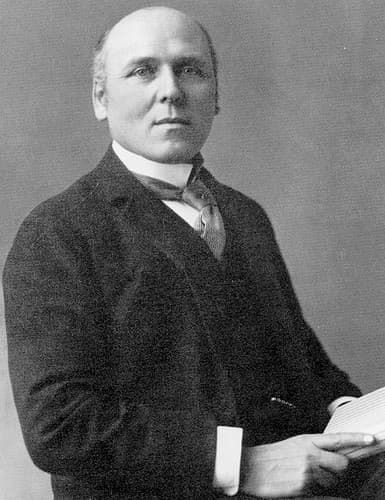
Howard Pyle was an American author and illustrator known for his contributions to children's literature in the late 19th and early 20th centuries. He is best known for his retellings of classic tales, including "The Story of King Arthur and His Knights" and "The Adventures of Robin Hood," which have become enduring works in the genre of adventure fiction.
Similar books
- King Arthur and His Knights of the Round Table
Roger Lancelyn Green
3.9 (5k) average on GoodreadsFantasyBoth are classic retellings of legendary heroes and their adventures with a loyal band of followers.
- Treasure Island
Robert Louis Stevenson
Features a classic adventure narrative with daring escapades and a clear distinction between heroes and villains.
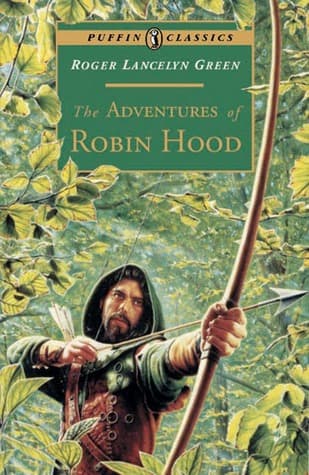
- The Adventures of Robin Hood
Roger Lancelyn Green
4.1 (12k) average on GoodreadsFantasyGreen's adaptation, like Pyle's, aims for a coherent narrative for younger readers and shares many structural similarities. However, Green often employs a slightly more direct and less ornate prose style compared to Pyle's distinctive, rich Victorian language. Pyle's work is often seen as the more definitive and artistically integrated version due to his original illustrations and unique voice.
- Harry Potter and the Sorcerer's Stone
J.K. Rowling
4.5 (7M) average on GoodreadsFantasyRescued from a miserable life under the stairs, an orphaned boy discovers he's a wizard destined for a magical school, where he uncovers a dangerous secret tied to the dark wizard who murdered his parents.
- The Hunger Games
Suzanne Collins
4.3 (6.4M) average on GoodreadsFantasyIn a future where children fight to the death on live television, Katniss Everdeen volunteers for the arena, turning a death sentence into a fight for survival and a spark of rebellion.
- Nineteen Eighty-Four
George Orwell
4.2 (5.5M) average on GoodreadsFictionWinston Smith dreams of truth and rebellion in a world where Big Brother watches all, but he confronts the terrifying power of a regime that controls not just actions, but thoughts.



Enjoyed the summary?
A summary gives you the shape of the book. The book itself has the detail, the examples and the voice.
Find The Adventures of Robin Hood on AmazonAs an Amazon Associate, BookBrief earns from qualifying purchases. How we're funded