
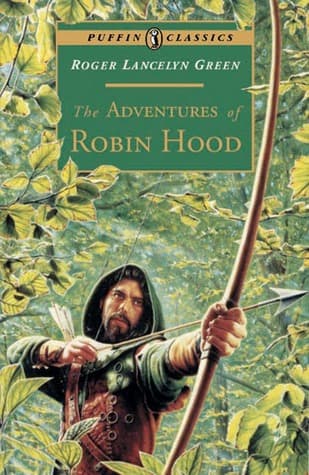
Synopsis
Covers the whole plot, including the ending.
- Difficulty
- Easy
- Pacing
- Moderate
- Mood
- Adventurous, Heroic, Swashbuckling, Whimsical
- Read it if
- You love classic tales of heroism, adventure, and justice, with a clear distinction between good and evil. Perfect for introducing younger readers to historical legends.
- Skip it if
- You prefer morally ambiguous characters or complex, gritty narratives over straightforward heroic adventures.
The Adventures of Robin Hood Plot Summary
Covers the whole plot, including the ending.
The Outlaw of Sherwood Forest
The story starts with Robin Hood, originally Robert Fitzooth, Earl of Huntingdon, on his way to an archery contest. He meets some of the Sheriff of Nottingham's foresters who mock his skill. Robin makes a wager and wins. When one forester insults him, Robin shoots the man with an arrow. This act, though in self-defense, makes him an outlaw. Fleeing into Sherwood Forest, Robin begins to gather others who have also suffered under unfair authority, forming his legendary group of 'Merrie Men' dedicated to justice and resistance against Prince John and the Sheriff of Nottingham.
Gathering the Merrie Men
As Robin settles in Sherwood Forest, he meets and recruits several well-known figures. He first meets Little John, a giant, during a memorable duel on a narrow bridge, where Robin is thrown into the stream. Impressed by his strength, Robin invites him to join. Next, he meets Much, the Miller's Son, a simple but loyal man, and Will Scarlet, his nephew, a skilled swordsman. Later, Robin outwits the Friar Tuck, who eventually joins the group, providing spiritual guidance and humor. These early meetings show Robin's charm and his ability to draw different talents to his cause, forming the core of his loyal followers.
The Sheriff's Traps and Robin's Clever Escapes
The Sheriff of Nottingham, angered by Robin Hood's defiance and constant raids on wealthy travelers, plans many ways to capture him. He often sets traps, like archery contests with tempting prizes, knowing Robin's pride in his skill. At one such event, Robin, disguised as a common yeoman, wins the golden arrow but is recognized and must make a quick escape with his men. The Sheriff's men also try to ambush Robin in the forest, but Robin's superior knowledge of Sherwood, his informants, and his Merrie Men's loyalty consistently allow him to turn the situation around, often embarrassing the Sheriff and giving his stolen goods to the poor.
Meeting Maid Marian
Maid Marian, Robin Hood's childhood sweetheart, joins his personal life. Marian, disguised as a knight or shepherdess, goes into Sherwood Forest to find Robin. Their reunion is tender and happy, confirming their deep love. Marian, a brave woman, chooses to leave her noble life to stay with Robin, becoming a part of the Merrie Men. She often gives advice, disguises herself to gather information, and sometimes joins their adventures, proving to be a valuable and loved member of the outlaw group. This adds a romantic side to Robin's fight for justice.
The Rescue of Allan-a-Dale
One notable adventure involves Allan-a-Dale, a young minstrel, who asks Robin Hood for help. Allan is sad because his true love, Ellen, is being forced into an unwanted marriage with an old, wealthy knight by her family. Robin, always a champion of true love and justice, plans. Disguised as a minstrel, Robin enters the wedding ceremony. At the right moment, the Merrie Men burst in, stopping the wedding. Ellen is reunited with Allan-a-Dale, and Friar Tuck, after a brief talk, performs a proper marriage ceremony for the young lovers. This shows Robin's commitment to fixing wrongs beyond just robbing the rich.
The King's Return and the Pardon
After years of Prince John's rule and the Sheriff's oppression, news reaches Sherwood Forest that King Richard the Lionheart has returned from the Crusades. Richard, disguised as a pilgrim or monk, goes into Sherwood to see the famous outlaw himself. He is impressed by Robin Hood's generosity, his loyalty to the true king, and his commitment to justice for the poor. Revealing his true identity, King Richard pardons Robin Hood and all his Merrie Men, restoring their lands and titles. This moment is a turning point, as Robin's years as an outlaw end, and he is welcomed back into society as a loyal subject of the rightful king.
Life After Outlawry
After King Richard's pardon, Robin Hood, now Earl of Huntingdon, and his Merrie Men try to rejoin normal society. Many of his men go back to their old jobs or positions. Robin himself tries to live as a nobleman, but the structured, often false world of the court feels stifling after the freedom and friendship of Sherwood Forest. The change is hard, as the call of the greenwood and the simple justice they gave as outlaws stays with them. This period shows the difficulties of adjusting to peace after a long time of rebellion and adventure.
The Death of King Richard
The short time of peace and stability ends with the death of King Richard the Lionheart. With Richard gone, his brother, Prince John, takes the throne as King John. This immediately brings back the oppressive conditions that had made Robin an outlaw years earlier. The Sheriff of Nottingham, who had been held back by Richard, gets his power back and renews his persecution of the common people and his hunt for Robin Hood. This turn of events casts a shadow over the land, making Robin and his companions consider their future and the renewed need for their unique justice.
Return to Sherwood
Facing King John's renewed rule and increasing injustices, Robin Hood cannot stand by. The call of Sherwood Forest, the desire to protect the innocent and punish the corrupt, is too strong. He gathers his most loyal companions, including Little John, Will Scarlet, and Friar Tuck, who are also unhappy with the new reign. Together, they make the hard but necessary decision to return to their former life as outlaws in Sherwood Forest, again becoming the champions of the oppressed. This return shows their strong commitment to justice, even if it means giving up their own peace and safety.
Robin Hood's Final Days
Years pass, and Robin Hood, now old but still strong, falls ill. Looking for a cure, he goes to Kirklees Priory, where his aunt, the Prioress, lives. However, in a tragic betrayal, the Prioress, influenced by the Sheriff of Nottingham or perhaps out of fear, bleeds Robin to death under the guise of medical treatment. With his last strength, Robin asks Little John for his bow and an arrow. He shoots the arrow from the window, asking to be buried where it falls. He dies peacefully, surrounded by his loyal friends, in the forest he loved. His death marks the end of an era, but his legend, as a symbol of freedom and justice, lives on.
The Adventures of Robin Hood Characters
Robin Hood
Protagonist
The legendary outlaw, champion of the poor and oppressed.
Robin Hood, originally Robert Fitzooth, Earl of Huntingdon, is a skilled archer, swordsman, and master of disguise. He is driven by a strong sense of justice and a deep loyalty to the rightful King Richard, and to the common people. He is charismatic, clever, and courageous, often using wit and cunning to outsmart his enemies rather than brute force. While an outlaw, he adheres to a strict moral code: he robs from the rich (especially corrupt officials and greedy churchmen) and gives to the poor, never harming women or children. His leadership inspires unwavering loyalty from his Merrie Men, making him a symbol of hope and resistance against tyranny.
Relationships: Maid Marian (Childhood sweetheart and beloved wife); Little John (Closest friend and loyal lieutenant); Friar Tuck (Confidante, spiritual advisor, and companion); Sheriff of Nottingham (Sworn enemy and persecutor); King Richard (Rightful king and eventual pardoner); Prince John (Usurper and tyrannical ruler)
Little John
Supporting
Robin Hood's loyal and formidable second-in-command.
Little John is a giant of a man, known for his immense strength and skill with a quarterstaff. He is Robin Hood's most trusted friend and lieutenant, often providing the physical might and unwavering loyalty necessary for the Merrie Men's success. Despite his size, he is good-natured and possesses a keen sense of humor. He famously joins Robin's band after a staff-fighting duel where he bests Robin. Little John's unwavering devotion and practical wisdom make him an indispensable member of the outlaw group, always ready to fight by Robin's side.
Relationships: Robin Hood (Closest friend and leader); Merrie Men (Fellow outlaw and comrade)
Maid Marian
Supporting
Robin Hood's beloved, spirited, and courageous partner.
Maid Marian is Robin Hood's true love and betrothed, a noblewoman who chooses to forsake her privileged life to join Robin in Sherwood Forest. She is intelligent, brave, and resourceful, often disguising herself to assist the Merrie Men or gather information. Marian is not a damsel in distress; she is a strong, independent woman who is a loyal and active participant in Robin's cause, providing both emotional support and practical assistance. Her presence adds romance and depth to Robin's character, highlighting his commitment to love and personal freedom alongside his fight for justice.
Relationships: Robin Hood (Childhood sweetheart and beloved wife); Merrie Men (Companion and ally)
Friar Tuck
Supporting
The jolly, stout, and surprisingly strong holy man of the Merrie Men.
Friar Tuck is a portly, fun-loving, and somewhat gluttonous friar who joins Robin Hood's band. Despite his love for food and drink, he is a formidable fighter, especially with a quarterstaff, and possesses surprising strength. He provides spiritual guidance, performs marriages, and offers comic relief within the group. Friar Tuck is fiercely loyal to Robin and the cause, often using his clerical guise to aid the outlaws or to gather intelligence. His presence highlights the diverse nature of the Merrie Men and the moral ambiguity of their outlaw status, as a man of God supports their actions.
Relationships: Robin Hood (Leader and friend); Merrie Men (Fellow outlaw and comrade)
Will Scarlet
Supporting
Robin Hood's nephew, a skilled swordsman and loyal Merrie Man.
Will Scarlet is Robin Hood's nephew, known for his fine clothes, sharp wit, and exceptional skill with a sword. He is one of the earliest and most steadfast members of the Merrie Men, bringing a sense of elegance and chivalry to the group. Will is courageous in battle and fiercely loyal to Robin, often leading smaller skirmishes or acting as a scout. His presence connects Robin to his noble lineage and reinforces the idea that the outlaws are not merely common criminals but men of honor fighting for a just cause.
Relationships: Robin Hood (Uncle and leader); Merrie Men (Fellow outlaw and comrade)
Sheriff of Nottingham
Antagonist
The cruel and greedy official, Robin Hood's primary adversary.
The Sheriff of Nottingham is the primary antagonist, a corrupt and tyrannical official who serves Prince John. He is obsessed with capturing Robin Hood, driven by a combination of greed, fear, and a desire to enforce his oppressive rule. The Sheriff is often portrayed as cunning but ultimately foolish, as Robin Hood consistently outwits him. He represents the oppressive authority and injustice that Robin Hood and his Merrie Men fight against, embodying the corruption rampant under Prince John's regency. His repeated failures provide much of the narrative's conflict and humor.
Relationships: Robin Hood (Sworn enemy); Prince John (Superior and ally in corruption)
King Richard the Lionheart
Supporting
The rightful King of England, absent during much of the story.
King Richard is the rightful king of England, revered by his loyal subjects, including Robin Hood. His absence during the Crusades creates the power vacuum that allows Prince John and the Sheriff of Nottingham to oppress the people. Richard is portrayed as a just and wise ruler, whose eventual return brings an end to Robin's outlawry. He represents legitimate authority and justice, serving as the ultimate arbiter of right and wrong in the story's political landscape. His return symbolizes the restoration of order and the triumph of good over evil.
Relationships: Robin Hood (Loyal subject and champion); Prince John (Brother and usurper)
Prince John
Antagonist
The treacherous and tyrannical brother of King Richard.
Prince John is the younger, ambitious, and cruel brother of King Richard. While Richard is away on the Crusades, John attempts to usurp the throne and rules England with an iron fist, imposing heavy taxes and allowing his corrupt officials, like the Sheriff of Nottingham, to oppress the common people. He embodies tyranny, greed, and treachery, serving as the ultimate political antagonist to Robin Hood's fight for justice. His reign of terror is the direct cause of much of the suffering that Robin and his men seek to alleviate.
Relationships: King Richard (Brother and rival for the throne); Sheriff of Nottingham (Subordinate and ally in corruption)
Much the Miller's Son
Supporting
A simple but loyal member of the Merrie Men.
Much the Miller's Son is one of Robin Hood's earliest recruits, a commoner who joins the Merrie Men after being wronged by the Sheriff's men. He is known for his loyalty, simplicity, and skill with a bow. While not as prominent as Little John or Will Scarlet, Much represents the ordinary people who are driven to outlawry by injustice and find protection and purpose under Robin Hood's leadership. He underscores the idea that Robin's band is composed of men from all walks of life, united by a common cause.
Relationships: Robin Hood (Leader); Merrie Men (Fellow outlaw and comrade)
The Adventures of Robin Hood Themes
Justice vs. Tyranny
The main theme is the conflict between Robin Hood's pursuit of justice for common people and the rule of Prince John and the Sheriff of Nottingham. Robin and his Merrie Men correct corrupt power, representing a natural law that favors fairness and kindness over strict, unfair legalism. This appears in their 'robbing from the rich and giving to the poor,' directly challenging the rulers' unfair taxes and exploitation. The story consistently argues that true justice protects the vulnerable, even if it means breaking unjust laws.
“For as long as Prince John rules, there will be no justice in England save that which we ourselves can win.”
Freedom and the Natural World
Sherwood Forest is not just a place but a character, symbolizing freedom, refuge, and a return to natural order. For Robin Hood and his Merrie Men, the forest offers safety from unfair laws and a place where they can live by their own rules. This theme contrasts the wild freedom of the forest with the stifling, corrupt world of castles and courts. The ability to live off the land, move freely, and rely on friendship rather than strict rules shows the appeal of a life outside typical society, where justice is quick and fair.
“The greenwood is our king's forest, and here we shall live freely, taking only what we need and giving to those who have nothing.”
Loyalty and Brotherhood
The bond between Robin Hood and his Merrie Men is a strong theme, showing loyalty, friendship, and mutual support. Despite their different backgrounds, the men are united by shared experiences of injustice and their strong devotion to Robin and his cause. This brotherhood appears in their willingness to risk their lives for each other, their shared meals and laughter, and their group resistance against the Sheriff. This theme highlights the strength found in unity and the importance of personal loyalty against widespread corruption, creating a strong sense of community within the outlaw group.
“We are brothers of the greenwood, and no man shall stand alone while he has a comrade by his side.”
Ingenuity and Disguise
Robin Hood's intelligence and his skill with disguises are important to his success, showing that cleverness can be more powerful than brute force. Robin often outwits his enemies by taking on different appearances—a potter, a butcher, a minstrel, or a monk—allowing him to enter enemy strongholds, gather information, or escape capture. This theme shows that cleverness and planning are as powerful as, if not more powerful than, physical strength, especially against a larger enemy. It also adds a fun, dramatic element to the adventures, as readers look forward to how Robin will trick his enemies next.
“A quick wit and a clever disguise are often better weapons than a sword or an arrow, Master Sheriff.”
Plot Devices & Literary Techniques
The Archery Contest
A recurring trap and showcase of skill.
The archery contest serves as a recurring plot device, often initiated by the Sheriff of Nottingham as a trap to lure Robin Hood out of hiding, knowing his pride in his skill. It consistently provides a dramatic setting for Robin to demonstrate his unparalleled archery prowess, often winning the golden arrow. Despite the danger, Robin's ability to appear in disguise, win the prize, and then make a daring escape with the help of his Merrie Men, highlights his cunning and the loyalty of his followers, while further humiliating the Sheriff. It's a classic setup for suspense and a display of the hero's defining talent.
Disguise and Deception
Robin Hood's primary method for outwitting his enemies.
Disguise and deception are fundamental plot devices employed by Robin Hood throughout his adventures. Robin frequently adopts various personas—a potter, a butcher, a minstrel, a monk, or a simple yeoman—to infiltrate enemy territory, gather intelligence, or escape capture. This device allows for comedic interactions, builds suspense, and showcases Robin's intelligence and adaptability. It underscores the theme that wit and cunning can overcome brute force and corrupt authority, often leading to the humiliation of the Sheriff and his men, while reinforcing Robin's legendary trickster persona.
The Greenwood as Sanctuary
Sherwood Forest as a safe haven and symbol of freedom.
Sherwood Forest acts as a powerful plot device, serving as the primary setting and a symbolic sanctuary for Robin Hood and his Merrie Men. It is their refuge from the law, a place where they can live freely according to their own code of justice. The forest's vastness, natural resources, and the outlaws' intimate knowledge of its paths and hiding places provide a strategic advantage against the Sheriff's forces. This device emphasizes the contrast between the corrupt world outside and the relatively pure, free existence within the greenwood, strengthening the themes of freedom and resistance against tyranny.
The Absent King
A political catalyst for conflict and moral justification.
The prolonged absence of King Richard on the Crusades is a crucial political plot device. It creates a power vacuum that allows his treacherous brother, Prince John, and his corrupt officials, like the Sheriff of Nottingham, to oppress the common people. This absence provides the moral justification for Robin Hood's outlawry, as he acts not against the rightful king, but against the usurping tyranny. Richard's eventual return serves as a dramatic turning point, bringing a temporary resolution to the conflict and a pardon for Robin, before his subsequent death reignites the struggle.
The Adventures of Robin Hood Quotes
“He that takes from the rich to give to the poor commits no sin, but rather a good deed.”
“I am Robin Hood, and I fear no man in all England.”
“For every arrow that flies, a tyrant's power dies.”
“The forest is our home, and in its shadows we find our freedom.”
“A true king serves his people, not his own greed.”
“Merry men we are, for in laughter we find strength against sorrow.”
“An arrow may pierce a heart, but kindness can heal a kingdom.”
“The Sheriff's gold weighs heavy with the tears of the poor.”
“In Sherwood, every man is judged by his deeds, not his birth.”
“A forest without outlaws is like a crown without a king—empty.”
“Our bows are strung with the hope of a better England.”
“To rob the rich is easy, but to give wisely is the true challenge.”
“The greenwood hears no lies, only the truth of a man's character.”
“We fight not for glory, but for the right to live free.”
Quiz
10 questions on the plot and the characters. Each answer comes with a short explanation.
Question 1
What is the primary reason Robin Hood becomes an outlaw in Sherwood Forest?
- He was banished for stealing from the rich to give to the poor.
- He was falsely accused of poaching deer by the Sheriff of Nottingham.
- He refused to pay taxes to Prince John.
- He led a rebellion against King Richard's absence.
Show answer
B. He was falsely accused of poaching deer by the Sheriff of Nottingham. In Green's version, Robin Hood is outlawed after being falsely accused of poaching the King's deer by the Sheriff of Nottingham, which forces him to flee into Sherwood Forest.
Question 2
Who is Robin Hood's loyal companion and second-in-command among the Merrie Men?
- Friar Tuck
- Little John
- Will Scarlet
- Much the Miller's Son
Show answer
B. Little John Little John is depicted as Robin Hood's closest friend and trusted lieutenant, often leading the Merrie Men in Robin's absence.
Question 3
What is the main theme emphasized in Roger Lancelyn Green's version of 'The Adventures of Robin Hood'?
- Romantic love between Robin and Maid Marian.
- The struggle for justice against tyranny.
- Supernatural elements in medieval England.
- The importance of religious piety.
Show answer
B. The struggle for justice against tyranny. Green's retelling focuses on Robin Hood as a champion of the poor and oppressed, highlighting themes of justice, rebellion against cruel rulers like Prince John, and fairness.
Question 4
How does Robin Hood typically outwit the Sheriff of Nottingham in their encounters?
- By using magic spells learned from a wizard.
- Through disguises and clever traps in Sherwood Forest.
- By bribing the Sheriff's guards.
- By challenging him to formal duels.
Show answer
B. Through disguises and clever traps in Sherwood Forest. Robin Hood frequently uses disguises, ambushes, and the forest's terrain to trick and escape the Sheriff, showcasing his daring and strategic mind.
Question 5
Which character is known for his immense strength and skill with a quarterstaff?
- Friar Tuck
- Little John
- Will Scarlet
- Alan-a-Dale
Show answer
B. Little John Little John is famously strong and adept with a quarterstaff, often winning fights through sheer power and combat prowess.
Question 6
What role does Maid Marian play in Green's version of the story?
- She is a fierce warrior who fights alongside Robin.
- She is a noblewoman who supports Robin's cause and often aids him secretly.
- She is a witch who provides magical assistance.
- She is the Sheriff's daughter who betrays Robin.
Show answer
B. She is a noblewoman who supports Robin's cause and often aids him secretly. Maid Marian is portrayed as a compassionate noblewoman loyal to Robin Hood, sometimes helping him by providing information or refuge.
Question 7
Why does Robin Hood target wealthy travelers and nobles in Sherwood Forest?
- To fund his lavish lifestyle in the forest.
- To redistribute wealth to the poor and oppressed.
- To exact revenge for personal grievances.
- To provoke Prince John into a direct confrontation.
Show answer
B. To redistribute wealth to the poor and oppressed. Robin Hood robs from the rich to give to the poor, embodying his role as a champion against injustice and economic inequality under Prince John's rule.
Question 8
In Green's version, what is the significance of the archery contests organized by the Sheriff?
- They are used to recruit soldiers for Prince John's army.
- They serve as traps to capture Robin Hood, who often participates in disguise.
- They celebrate the Sheriff's birthday annually.
- They determine who becomes the new Sheriff of Nottingham.
Show answer
B. They serve as traps to capture Robin Hood, who often participates in disguise. The Sheriff frequently hosts archery contests as ploys to lure Robin Hood out of hiding, but Robin cleverly attends in disguise and wins, escaping capture.
Question 9
Which of the following is a key detail about Friar Tuck's character in this book?
- He is a strict ascetic who disapproves of Robin's merrymaking.
- He is a jovial, hearty friar who joins the Merrie Men and provides spiritual guidance.
- He is a spy for Prince John pretending to be a friar.
- He is a skilled blacksmith who forges weapons for the outlaws.
Show answer
B. He is a jovial, hearty friar who joins the Merrie Men and provides spiritual guidance. Friar Tuck is characterized as a cheerful and robust friar who becomes part of Robin's band, offering humor and moral support while engaging in their adventures.
Question 10
How does Roger Lancelyn Green's retelling differ from some other versions of the Robin Hood legend?
- It includes more historical accuracy about medieval England.
- It focuses on synthesizing various myths and ballads into a coherent narrative.
- It portrays Robin Hood as a tragic figure who dies early in the story.
- It eliminates all supernatural elements found in older tales.
Show answer
B. It focuses on synthesizing various myths and ballads into a coherent narrative. Green's version is noted for bringing 'sense and clarity' to the diverse Robin Hood legends, weaving together different ballads and stories into a unified and exciting narrative for readers.
The Adventures of Robin Hood FAQ
What is 'The Adventures of Robin Hood' about?
The book follows Robin Hood, a Saxon nobleman turned outlaw, who becomes the champion of the poor and oppressed against the cruel rule of Prince John and the Sheriff of Nottingham. With his band of Merrie Men in Sherwood Forest, he robs from the rich to give to the poor, outwitting his enemies through daring raids, archery contests, and clever disguises while supporting the rightful king, Richard the Lionheart.
Why should I read 'The Adventures of Robin Hood'?
Roger Lancelyn Green's version offers a cohesive and exciting retelling of the classic legends, blending adventure, humor, and moral clarity. It presents Robin Hood as a timeless hero of justice and rebellion, with vivid scenes like the archery tournament and escapes from Nottingham Castle that appeal to both children and adults seeking spirited historical fantasy.
What is the background/setting of 'The Adventures of Robin Hood'?
Set in 12th-century England during the reign of King Richard I, the story takes place primarily in Sherwood Forest and Nottinghamshire, with forays into towns like Nottingham. The historical context involves Saxon resentment against Norman oppression, with Prince John exploiting power in Richard's absence, creating a backdrop of social inequality and political turmoil.
What are the most memorable quotes?
Key quotes include Robin's motto, 'Rob from the rich to give to the poor,' and his declaration, 'I am Robin Hood, and my men and I take from the rich to give to the needy.' Another notable line is Little John's humorous challenge, 'I'll teach you to shoot straight, master,' during their first meeting at the river crossing.
What writing style does the author use?
Roger Lancelyn Green employs a clear, narrative-driven style with a focus on action and dialogue, making it accessible for younger readers while retaining the epic feel of medieval ballads. The prose is lively and descriptive, emphasizing Robin's cunning and bravery without excessive complexity, blending folklore with structured storytelling.
What minor details add significant meaning?
Details like Robin's use of a horn to summon his men symbolize unity and resistance, while the recurring motif of green clothing represents his connection to Sherwood Forest and nature. The inclusion of specific Saxon customs, such as feasting in the forest, subtly reinforces the cultural divide between Saxons and Normans.
What are some subtle foreshadowing moments?
Early encounters, like Robin sparing the life of a forester who later aids him, foreshadow his network of allies. The Sheriff's repeated failures to capture Robin hint at his eventual downfall, and mentions of King Richard's eventual return build anticipation for the story's resolution and restoration of justice.
What unexpected character connections exist?
Friar Tuck, initially introduced as a jovial monk, becomes a key strategist for Robin's band. Maid Marian, often depicted as a love interest, also secretly aids the outlaws by gathering intelligence in Nottingham. Even minor characters like Much the Miller's Son have ties to broader Saxon resistance networks.
What are unspoken character motivations?
Robin Hood's rebellion is driven not just by justice but by personal loss and Saxon pride, hinted at through his noble background. The Sheriff's cruelty stems from a desire for power and fear of rebellion, while Prince John's actions are motivated by greed and insecurity over his brother Richard's legacy.
What psychological complexities do characters exhibit?
Robin balances idealism with pragmatism, showing mercy to foes but executing ruthless plans when necessary. Little John's loyalty masks a fierce independence, and the Sheriff's obsession with capturing Robin reveals a deep-seated envy and frustration that clouds his judgment.
What are the major emotional turning points?
Key moments include Robin's initial outlawing, which sparks his crusade; the death of allies like Will Scarlet, fueling his resolve; and his reunion with King Richard, bringing validation and hope. The archery tournament where Robin reveals himself also marks a peak of tension and triumph.
How do relationship dynamics evolve?
Robin and Little John's relationship grows from a competitive river fight to deep mutual trust. Robin and Maid Marian's bond shifts from childhood friendship to romantic partnership strengthened by shared risks. The Merrie Men evolve from a disparate group into a disciplined brotherhood united by common cause.
Which parts remain ambiguous or open-ended?
The exact fate of some villains like the Sheriff is left somewhat open, with implications rather than explicit conclusions. Robin's final years and death are hinted at but not detailed, leaving room for interpretation about his legacy and the ongoing struggle for justice in England.
What are controversial scenes or decisions?
Robin's decision to kill in certain raids, such as against Guy of Gisborne, sparks debate over his methods versus his noble goals. The portrayal of Prince John and Normans as uniformly cruel has been critiqued for historical simplification, though it serves the story's moral framework.
'The Adventures of Robin Hood' ending explained: how it ends & what it means
The story concludes with King Richard's return, pardoning Robin and restoring order, symbolizing the triumph of rightful authority over tyranny. Robin's integration back into society suggests that rebellion is justified only until justice is restored, emphasizing themes of loyalty, redemption, and the cyclical nature of power.
About the author
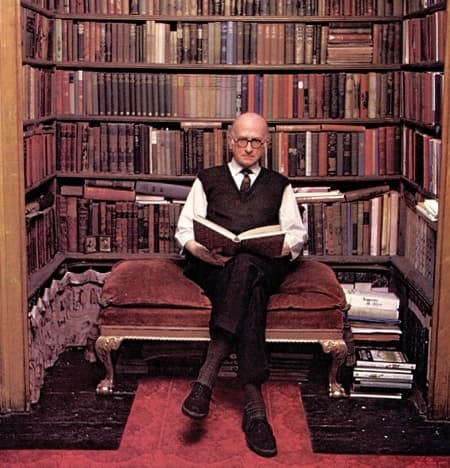
Roger Lancelyn Green was a British author known for his works of fiction that often draw on mythology and folklore. His notable books include "The Adventures of Robin Hood," which retells the legendary tales of the outlaw, and "King Arthur and His Knights of the Round Table," a retelling of the Arthurian legends.
Similar books
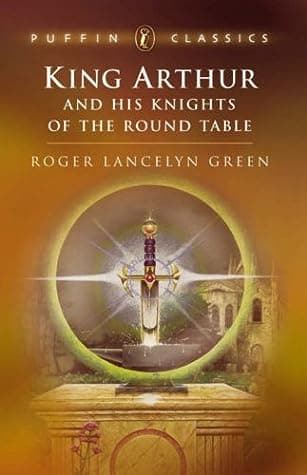
- King Arthur and His Knights of the Round Table
Roger Lancelyn Green
3.9 (5k) average on GoodreadsFantasyAnother classic retelling of English legends by the same author, focusing on chivalry and adventure.
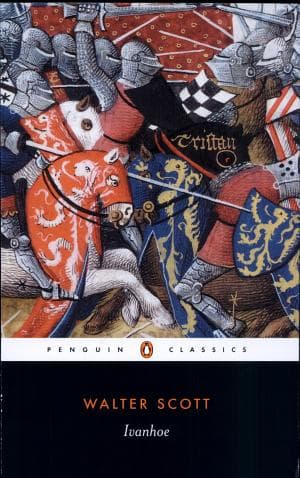
- Ivanhoe
Walter Scott
3.8 (87k) average on GoodreadsHistorical FictionA historical novel set in the same period, featuring Robin Hood (as Locksley) and similar themes of justice and English identity.
- Harry Potter and the Sorcerer's Stone
J.K. Rowling
4.5 (7M) average on GoodreadsFantasyRescued from a miserable life under the stairs, an orphaned boy discovers he's a wizard destined for a magical school, where he uncovers a dangerous secret tied to the dark wizard who murdered his parents.
- The Hunger Games
Suzanne Collins
4.3 (6.4M) average on GoodreadsFantasyIn a future where children fight to the death on live television, Katniss Everdeen volunteers for the arena, turning a death sentence into a fight for survival and a spark of rebellion.
- 1984
George Orwell
4.2 (3.1M) average on GoodreadsPoliticsIn a future where surveillance and thought control are absolute, a man's search for truth clashes with the Party, showing that hope can be a form of rebellion.
- Divergent
Veronica Roth
4.2 (2.9M) average on GoodreadsFantasyIn a society divided by virtues, a sixteen-year-old's difference from the norm starts a rebellion that threatens her world.




Enjoyed the summary?
A summary gives you the shape of the book. The book itself has the detail, the examples and the voice.
Find The Adventures of Robin Hood on AmazonAs an Amazon Associate, BookBrief earns from qualifying purchases. How we're funded