
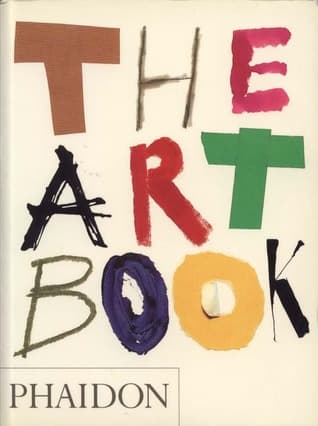
Core Idea
- Difficulty
- Easy
- Read it if
- You want a broad, accessible, and visually rich introduction to art history that prioritizes individual works and artists over strict chronology, or you're looking for a reference guide to discover new artists or revisit classics.
- Skip it if
- You are seeking a deep, academic dive into specific art movements, theoretical frameworks, or a continuous chronological narrative of art history.
Key Takeaways from The Art Book
Beyond Chronology and 'Isms'
Art's true impact transcends rigid historical categorization.
The traditional art history approach, often arranged by time or by art movement (Impressionism, Cubism, etc.), can create barriers and hide the common ideas in human creativity. By presenting artists in an A-Z format, 'The Art Book' suggests a more open appreciation of art, where a medieval master can be next to a contemporary one without historical bias. This makes the reader look at art for its visual power, emotional impact, and technical skill, rather than through the lens of a specific movement or time. It suggests that the conversation between artworks, no matter their origin, is richer and more insightful when freed from set categories, showing unexpected connections and new ideas that might otherwise be missed.
“The Art Book debunks art historical classifications by throwing together brilliant examples of all periods, schools, visions and techniques.”
In the book: The book's entire structure, an A-Z listing of artists from medieval to modern times, directly challenges the conventional chronological or movement-based organization found in many art history texts. For example, placing an artist like Jan van Eyck (early Northern Renaissance) near Vincent van Gogh (Post-Impressionism) due to alphabetical order, rather than historical sequence.
Try this: When encountering new art, actively resist the urge to immediately categorize it by period or style. Instead, focus first on your direct visual and emotional response. Ask: What is the artist trying to communicate? How is it made? What does it make me feel? Only after this initial engagement should historical context be considered, allowing for a more authentic and less prejudiced interaction with the artwork.
Related ideas: art-history-reimagined, deconstructed-chronology
The Power of a Single Definitive Work
One masterpiece can encapsulate an artist's entire vision and impact.
For many artists, especially those with many works, choosing a 'definitive work' is difficult, but 'The Art Book' does it. This approach shows the strong impact a single, well-chosen piece can have in showing an artist's main idea. It encourages a focused look, prompting viewers to deeply examine the chosen work's composition, technique, symbolism, and historical background, instead of quickly looking at many pieces. This single focus acts as a way in, offering a deep understanding of the artist's main ideas and contribution to the art world, proving that a deep look at one piece can often be more revealing than a broad look at many.
“Each artist is represented by a full-page colour plate of a definitive work, accompanied by explanatory and illuminating information on the image and its creator.”
In the book: The book's format dedicates a full page to a single image for each of the 500 artists. For instance, for Leonardo da Vinci, the choice of the 'Mona Lisa' or 'The Last Supper' as a definitive work, or for Frida Kahlo, a specific self-portrait, serves as the primary visual representation and entry point to their entire body of work.
Try this: When studying an artist, rather than trying to consume everything, select one or two widely recognized 'masterpieces' and spend significant time analyzing them. Research their context, symbolism, and technical execution. This deep dive can provide a more robust understanding of the artist's core ideas than a superficial overview of many works.
Related ideas: masterpiece-analysis, essential-artwork
Art as a Universal Language
Visual expression transcends cultural and temporal barriers, speaking to shared human experiences.
By placing artists from very different backgrounds and times together, 'The Art Book' shows art as a universal language. It shows how basic human experiences—love, loss, spirituality, power, beauty, death—are explored and shown through different visual ways over centuries and continents. The book's unusual arrangement allows for comparisons across cultures that show similarities in artistic purpose or emotional effect, even when the aesthetic styles are very different. This perspective helps people appreciate the shared human desire to create and communicate, confirming that art is not just a cultural item but a basic part of the human condition, able to bridge differences and build empathy.
“The Art Book presents a fresh and original approach to art: an unparalleled visual sourcebook and a celebration of our rich and multi-faceted culture.”
In the book: The book's A-Z structure, which could place an ancient Egyptian sculptor next to a contemporary Chinese performance artist, forces the reader to consider the underlying human motivations and expressions connecting their work, despite vast cultural and historical differences. The shared experience of 'seeing' and 'interpreting' is emphasized over historical context.
Try this: Actively seek out art from cultures and periods unfamiliar to you. Instead of focusing on what you don't understand, look for common themes, emotions, or visual patterns that resonate with your own experiences. Use art as a bridge to understand different perspectives and common humanity.
Related ideas: cross-cultural-art, universal-aesthetics
The Demystification of Artistic Genius
Understanding the 'how' behind the 'what' makes art more accessible.
Often, art can feel difficult or exclusive, seen as only for 'geniuses' whose methods are unclear. 'The Art Book,' with its short but informative entries and extra glossaries, works to make the creative process understandable. By explaining key technical terms and art movements, it gives readers the words and ideas needed to understand how art is made and why certain choices were made. This allows viewers to move beyond just admiring a piece to actively engaging with its construction and meaning, leading to a deeper, more intellectual appreciation. It suggests that artistic genius, though rare, often comes from mastering a craft and new ways of using techniques, which anyone can understand and appreciate.
“Glossaries of artistic movements and technical terms are included, making this a valuable work of reference as well as a feast for the eyes.”
In the book: The inclusion of glossaries for artistic movements and technical terms (e.g., chiaroscuro, impasto, fresco) directly provides the reader with the tools to understand the creation process and the context of the art, rather than just passively observing it.
Try this: When viewing an artwork, go beyond its subject matter and consider the techniques employed. Research unfamiliar terms or movements mentioned in the accompanying text. Understanding the technical decisions an artist made can unlock a deeper appreciation for their skill and the complexity of their vision.
Related ideas: technical-literacy, art-vocabulary
Visual Literacy as a Core Skill
Engaging with diverse art sharpens observational skills and critical thinking.
In a world that is increasingly visual, the ability to 'read' images well is important. 'The Art Book' is a good way to learn visual literacy by presenting 500 different visual challenges. Each full-page picture needs attention, making the viewer analyze composition, color, form, and content. The text provides a way to understand, but the main engagement is visual. This constant exposure to different artistic methods, from Renaissance realism to abstract expressionism, improves observation skills, encourages critical questions, and expands one's ability to understand complex visual information. It suggests that engaging with art is not just aesthetic pleasure, but an important exercise in thinking, necessary for living in the modern world.
“An unparalleled visual sourcebook and a celebration of our rich and multi-faceted culture.”
In the book: The book's format, with a full-page color plate for each artist, prioritizes the visual experience. The concise explanatory text then acts as a guide, prompting deeper observation and interpretation of the image rather than just providing historical facts.
Try this: Practice 'slow looking' when engaging with art. Spend at least 5-10 minutes with a single image, noticing details, colors, textures, and how your eye moves across the composition before reading any accompanying text. Try to articulate what you see and feel before external information influences your perception.
Related ideas: visual-analysis, critical-seeing
Art as a Mirror of Culture and History
Each artwork offers a unique window into its era's values, beliefs, and societal structures.
Beyond their beauty, artworks are valuable historical records, showing the cultural, social, and political situations in which they were made. 'The Art Book's' short descriptions with each piece often place the artwork in its historical time, showing how artists respond to their environment, challenge norms, or express common ideas. From religious art of the medieval period to the social commentary of modern art, each piece acts as a time capsule, offering insights into human hopes, worries, and achievements. Understanding this connection improves both our appreciation of the art and our understanding of human history, showing that art is never truly separate from its surrounding world.
“Explanatory and illuminating information on the image and its creator.”
In the book: The accompanying text for each artwork frequently details the historical context, the social or religious significance of the subject matter, or the artist's personal circumstances, linking the artwork directly to its cultural milieu. For example, explaining the political satire in a Goya print or the religious symbolism in a Fra Angelico fresco.
Try this: When encountering a piece of art, research the historical period in which it was created. What were the dominant political, religious, or social ideas of that time? How might these factors have influenced the artist's choice of subject, style, or message? This contextualization enriches your understanding of both art and history.
Related ideas: cultural-context, historical-interpretation
The Enduring Relevance of the Human Hand
Despite technological advances, the unique touch of the artist remains irreplaceable.
While 'The Art Book' covers centuries and different art movements, from detailed medieval altarpieces to bold abstract sculptures, a common idea is the focus on the human hand and mind behind the creation. Even in a time with digital media and AI-generated art, this book celebrates the individual craftsmanship, vision, and often hard work involved in making physical artworks. It shows the unique, irreplaceable quality of an artist's touch, their direct work with materials, and the physical form of their imagination. This focus reminds us of the value of human cleverness and skill, suggesting that true artistic impact often comes from the unique, personal expression of an individual, a quality that goes beyond any medium or time.
“500 great painters and sculptors from medieval to modern times.”
In the book: The book explicitly focuses on 'painters and sculptors,' highlighting traditional forms of art-making that involve direct physical interaction with materials. Even with modern artists, the emphasis is on their unique style and technique, such as Pollock's drip paintings or Rodin's sculptural forms, which are inherently tied to the artist's physical action.
Try this: When viewing art, pay close attention to the texture, brushstrokes, or marks left by the artist's hand. Consider the physical process involved in its creation. If possible, experiment with a traditional art medium yourself (e.g., painting, sculpting) to gain a deeper appreciation for the skill and effort involved.
Related ideas: craftsmanship, artistic-agency
Art as a Catalyst for Personal Discovery
Engaging with art can reveal insights about oneself and one's perspective.
Beyond historical or technical understanding, art has potential for personal discovery. 'The Art Book,' by presenting such a large and varied collection, encourages viewers to explore their own aesthetic preferences, emotional responses, and intellectual interests. What do you like? What do you dislike? Why? These questions, brought up by the different artworks, lead to self-reflection and a deeper understanding of one's own values, biases, and worldview. It is not just about learning about the artists, but about learning about yourself through their creations. This journey of self-reflection, helped by seeing beauty and strong expression, is one of the most enriching parts of engaging with art.
“A feast for the eyes.”
In the book: The book's 'debunking' of traditional classifications and its A-Z format, which removes prescriptive viewing paths, implicitly encourages the reader to form their own opinions and discover their own connections, fostering personal rather than institutionally guided aesthetic preferences.
Try this: Keep a journal while looking at art. Write down your immediate reactions, questions, and feelings before consulting any information about the piece. Reflect on why certain artworks appeal to you and others don't. This practice helps articulate your personal aesthetic and emotional landscape.
Related ideas: aesthetic-preference, self-reflection-through-art
The Enduring Dialogue of Influence and Innovation
Artists are always in conversation with those who came before and those who challenge the present.
Despite its A-Z structure breaking traditional classifications, 'The Art Book' shows the continuous conversation between artists across time. New ideas rarely appear out of nowhere; they often come from a deep understanding of, and reaction to, established traditions. While not directly showing lines of influence, the wide range of artists presented allows the careful reader to see echoes, adaptations, and big changes. An artist might reject academic realism, but their rejection is still a response to it. This constant interaction of respect, borrowing, and rebellion drives art's development. The book, by presenting many individual expressions, implicitly shows that art is a living, changing thing, always shaped by its past and moving towards its future.
“By breaking with traditional classifications, The Art Book presents a fresh and original approach to art.”
In the book: While the book doesn't explicitly draw linear connections, the sheer volume and diversity of artists from different periods, presented side-by-side, allows the reader to intuitively spot similarities in theme, technique, or compositional choices across centuries, hinting at unseen influences or shared human concerns. For example, recognizing a classical pose reinterpreted by a modern sculptor.
Try this: When you encounter a new artwork, consider what traditions or styles the artist might be responding to, either by embracing them or consciously rejecting them. How does their work build upon or deviate from established norms? This helps place the artwork within a broader artistic conversation.
Related ideas: artistic-lineage, creative-evolution
Art as a Source of Pure Joy and Aesthetic Pleasure
Beyond analysis, art's fundamental purpose is often to delight and inspire.
While critical analysis, historical context, and technical understanding are valuable, 'The Art Book' ultimately reminds us of art's basic power to simply delight and inspire. The phrase 'a feast for the eyes' captures this main idea: art, at its most basic, offers great aesthetic pleasure. Whether it is the bright colors of a Fauvist painting, the detailed work of a Renaissance portrait, or the calm simplicity of a minimalist sculpture, the beauty and cleverness of human creation can bring joy, wonder, and awe. This strong, emotional response is often the first and most lasting connection we have with art, serving as a powerful reminder that not everything needs to be taken apart to be deeply appreciated and enjoyed.
“A feast for the eyes.”
In the book: The entire presentation of the book, with its full-page color plates and high-quality production, is designed to be visually appealing and engaging, emphasizing the aesthetic experience as primary. The term 'feast for the eyes' directly speaks to this intent.
Try this: Allow yourself moments of pure, uncritical enjoyment when looking at art. Don't feel pressured to analyze every piece. Sometimes, simply appreciating the beauty, skill, or emotional impact of an artwork is enough. Let it wash over you and notice the feelings it evokes.
Related ideas: aesthetic-experience, artistic-delight
The Art Book Quotes
“Art is not what you see, but what you make others see.”
“Every artist dips his brush in his own soul, and paints his own nature into his pictures.”
“The history of art is the history of revivals.”
“To create one's own world takes courage.”
“Art is the lie that enables us to realize the truth.”
“Reference in art is not imitation, but a dialogue with tradition.”
“Creativity is allowing yourself to make mistakes. Art is knowing which ones to keep.”
“The purpose of art is washing the dust of daily life off our souls.”
“In art, the hand can never execute anything higher than the heart can imagine.”
“History remembers the artists who dared to break the rules.”
“Art is the most intense mode of individualism that the world has known.”
“Reference materials are the artist's library, a wellspring of inspiration.”
“Creativity takes courage, to challenge the status quo and explore the unknown.”
“The history of art is a mirror to human civilization, reflecting its triumphs and struggles.”
Quiz
10 questions on the main ideas. Each answer comes with a short explanation.
Question 1
What is the primary organizational structure of 'The Art Book' by Phaidon Press?
- Chronological order from medieval to modern times
- Grouped by artistic movements or schools
- Alphabetical order by artist's name
- Thematic categories based on techniques
Show answer
C. Alphabetical order by artist's name The book is described as 'an A to Z guide,' meaning it organizes 500 artists alphabetically by name, which breaks from traditional art historical classifications like chronology or movements.
Question 2
How many artists are featured in 'The Art Book'?
- 250
- 500
- 750
- 1000
Show answer
B. 500 The book explicitly states it covers '500 great painters and sculptors,' making it a comprehensive reference work spanning from medieval to modern times.
Question 3
What accompanies each artist's entry in 'The Art Book'?
- A black-and-white sketch and a brief biography
- A full-page color plate of a definitive work and explanatory text
- Multiple small images and a list of exhibitions
- A technical analysis and comparative charts
Show answer
B. A full-page color plate of a definitive work and explanatory text Each artist is represented by 'a full-page colour plate of a definitive work, accompanied by explanatory and illuminating information on the image and its creator,' providing both visual and contextual insights.
Question 4
What is one key way 'The Art Book' breaks with traditional art historical approaches?
- By focusing only on modern artists
- By excluding sculptors to concentrate on painters
- By throwing together examples from all periods and schools alphabetically
- By using only text without images
Show answer
C. By throwing together examples from all periods and schools alphabetically The book 'debunks art historical classifications by throwing together brilliant examples of all periods, schools, visions and techniques' in an alphabetical format, offering a fresh perspective compared to chronological or movement-based organization.
Question 5
Which of the following is included in 'The Art Book' to enhance its value as a reference work?
- A timeline of art history events
- Glossaries of artistic movements and technical terms
- Interviews with contemporary artists
- A guide to art museums worldwide
Show answer
B. Glossaries of artistic movements and technical terms The book includes 'glossaries of artistic movements and technical terms,' which help readers understand context and terminology, making it more useful as a reference beyond just visual enjoyment.
Question 6
What time period does 'The Art Book' cover?
- Only the Renaissance to the 19th century
- From prehistoric to contemporary art
- From medieval to modern times
- Exclusively the 20th century
Show answer
C. From medieval to modern times The book spans 'from medieval to modern times,' providing a broad historical range that includes various eras without being limited to a specific century or movement.
Question 7
How does 'The Art Book' aim to serve as a visual sourcebook?
- By including only abstract art to challenge viewers
- By providing high-quality color plates for each artist in a standardized format
- By using digital animations to illustrate techniques
- By focusing on lesser-known artists to uncover hidden gems
Show answer
B. By providing high-quality color plates for each artist in a standardized format Each artist is represented by 'a full-page colour plate of a definitive work,' creating a consistent visual presentation that makes the book an 'unparalleled visual sourcebook' for art enthusiasts.
Question 8
What is a key argument or theme of 'The Art Book' regarding art history?
- Art should be studied primarily through technical analysis
- Traditional classifications like periods and schools limit understanding by separating artists artificially
- Only Western art is worth including in comprehensive guides
- Artists' biographies are more important than their artworks
Show answer
B. Traditional classifications like periods and schools limit understanding by separating artists artificially By 'throwing together brilliant examples of all periods, schools, visions and techniques' alphabetically, the book challenges the idea that art must be categorized strictly by historical or stylistic groupings, promoting a more integrated view.
Question 9
In what way does 'The Art Book' celebrate culture, as mentioned in its description?
- By highlighting only European cultural achievements
- By including diverse artists and works that represent a multi-faceted cultural heritage
- By focusing on political art to comment on social issues
- By excluding modern art to preserve traditional values
Show answer
B. By including diverse artists and works that represent a multi-faceted cultural heritage The book is described as 'a celebration of our rich and multi-faceted culture,' suggesting it includes a wide range of artists and styles from different times and places, reflecting diversity rather than a narrow focus.
Question 10
What practical application does 'The Art Book' offer for someone new to art?
- Step-by-step tutorials for creating art
- A structured curriculum for art history courses
- An accessible reference with visual examples and glossaries to build foundational knowledge
- A critical review of each artist's commercial success
Show answer
C. An accessible reference with visual examples and glossaries to build foundational knowledge With its full-page color plates, explanatory text, and glossaries, the book serves as 'a valuable work of reference' that helps beginners visually explore and understand key artists and terms without prior expertise.
The Art Book FAQ
What is The Art Book by Phaidon Press?
The Art Book is an A to Z reference guide featuring 500 great painters and sculptors from medieval to modern times. It presents each artist with a full-page color plate of a definitive work and explanatory text, breaking traditional art historical classifications by mixing periods, schools, and techniques.
How is The Art Book different from traditional art history books?
Unlike traditional art books that organize content chronologically or by movement, The Art Book debunks classifications by presenting artists alphabetically, throwing together diverse periods and styles. This creates a fresh, comparative approach that highlights visual connections across art history.
Does The Art Book include glossaries and reference materials?
Yes, The Art Book includes glossaries of artistic movements and technical terms, making it a valuable reference work. These supplements help readers understand context and terminology, enhancing the educational value alongside the visual feast of artworks.
What time periods does The Art Book cover?
The Art Book covers artists from medieval to modern times, spanning centuries of art history. It includes a wide range of periods and schools, from early masters to contemporary creators, providing a broad overview within its alphabetical format.
How does The Art Book present each artist?
Each artist is represented by a full-page color plate of a definitive artwork, accompanied by explanatory information about the image and its creator. This format combines visual impact with insightful commentary, making art accessible and engaging.
Is The Art Book suitable for beginners or experts?
The Art Book is designed for both beginners and experts, offering an accessible entry point with its visual focus and clear explanations, while its unconventional approach and reference materials provide depth for more knowledgeable readers. It serves as both an introduction and a sourcebook.
What is the 'fresh approach' mentioned in The Art Book's description?
The fresh approach refers to breaking with traditional art historical classifications by organizing artists alphabetically instead of by period or movement. This encourages readers to see connections across different eras and styles, fostering a more original and comparative understanding of art.
How does The Art Book compare to other Phaidon art books?
While Phaidon publishes many art books, The Art Book is unique in its alphabetical, cross-period format that mixes diverse artists. Unlike more specialized or chronological Phaidon titles, it offers a broad, visual survey designed to challenge conventional art history narratives.
Does The Art Book work as a coffee table book?
Yes, The Art Book works excellently as a coffee table book due to its high-quality full-page color plates and visually striking design. It's both a decorative piece and an educational resource, inviting casual browsing or deeper study.
What types of artists are included in The Art Book?
The Art Book includes 500 painters and sculptors from various periods, schools, visions, and techniques. It features a diverse selection from medieval to modern times, showcasing iconic and lesser-known artists to represent a multifaceted view of art history.
About the author

Phaidon Press is a publisher known for its focus on art, design, and photography. They are recognized for producing high-quality non-fiction books, including "The Art Book," which provides an accessible overview of significant artists and movements throughout history. Phaidon Press has established a reputation for its visually engaging and informative publications.
Similar books
- The Story of Art
E.H. Gombrich
3.9 (311k) average on GoodreadsReferenceExplore thousands of years of human creativity, from ancient cave art to modern masterpieces, with Gombrich's classic account, updated with new insights into art's changing story.
- The New Drawing on the Right Side of the Brain
Betty Edwards
3.9 (297k) average on GoodreadsPsychologyLearn to draw by using the often-ignored visual side of your brain, changing how you see the world.
- Go Ask Alice
Anonymous
3.7 (293k) average on GoodreadsReferenceA teenage girl's diary chronicles her swift decline into 1970s drug culture, from an innocent game to addiction, ending in her tragic death.
- Their Eyes Were Watching God
Zora Neale Hurston
3.9 (266k) average on GoodreadsReferenceIn early 20th-century Florida, Janie Crawford searches for identity, love, and independence, defying social norms to find her voice.
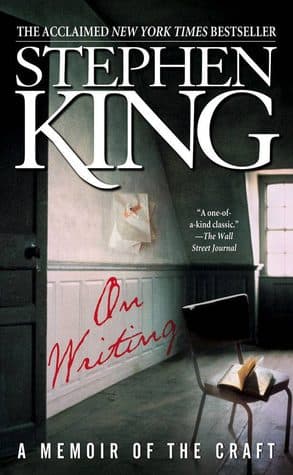
- On Writing: A Memoir of the Craft
Stephen King
4.3 (222k) average on GoodreadsBiography - Holy Bible: King James Version
Anonymous
4.4 (220k) average on GoodreadsReferenceThis foundational text, spanning millennia and continents, combines divine revelation, human history, and lasting wisdom, shaping the spiritual and ethical outlook of Western civilization.



Enjoyed the summary?
A summary gives you the shape of the book. The book itself has the detail, the examples and the voice.
Find The Art Book on AmazonAs an Amazon Associate, BookBrief earns from qualifying purchases. How we're funded