
Estimated read time: 5 min read
One Sentence Summary
"The Bluest Eye" explores the devastating effects of racism and internalized self-hatred on a young black girl.
Table of Contents
Introduction
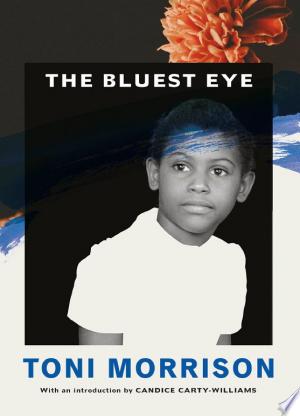
"The Bluest Eye" is a powerful novel written by Nobel Prize-winning author Toni Morrison. First published in 1970, it explores the impact of racism and societal standards of beauty on the self-image and identity of a young African American girl. Set in Ohio in the 1940s, the novel delves deep into the psychological and emotional struggles of its characters, shedding light on the complexities of race, beauty, and the quest for self-acceptance.
Brief Synopsis
Plot Overview
"The Bluest Eye" is set in Lorain, Ohio, and revolves around the life of a young African American girl named Pecola Breedlove. Pecola is deeply affected by the pervasive white beauty standards and longs for blue eyes, believing that they would bring her the acceptance and love she craves. The novel tackles the harsh realities of racism, poverty, and abuse, while also exploring the impact of societal beauty norms on individuals.
Setting
The story primarily takes place in Lorain, Ohio, during the years following the Great Depression. The town serves as a microcosm of the societal issues prevalent in America at the time, including racial segregation, economic disparity, and the pervasive influence of white beauty standards.
Main Characters
The novel features several significant characters, each grappling with their own struggles and desires:
| Character | Description |
|---|---|
| Pecola Breedlove | A young African American girl who yearns for blue eyes and is deeply affected by the societal beauty standards. |
| Claudia MacTeer | Pecola's friend, who serves as a narrator and provides insight into the challenges faced by African American girls. |
| Cholly Breedlove | Pecola's abusive father, whose own traumatic past shapes his destructive behavior. |
| Pauline Breedlove | Pecola's emotionally distant and disillusioned mother, who is obsessed with the perceived glamour of white society. |
| Soaphead Church | A light-skinned man who preys on Pecola's vulnerability, representing the damaging influence of societal prejudices. |
Summary of Different Story Points Over Chapters
Chapter 1-4
The novel introduces the Breedlove family and the MacTeer family, as well as the dynamics between the characters. Pecola's desire for blue eyes is established, and the pervasive influence of white beauty standards is evident.
Chapter 5-8
The narrative delves into the traumatic experiences of Pecola's parents, shedding light on the cycle of abuse and the impact of internalized racism on their lives.
Chapter 9-12
Pecola's experiences at school and with her peers further highlight the damaging effects of societal beauty norms, as well as the complexities of racial identity and self-worth.
Chapter 13-16
The story takes a darker turn as Pecola faces intense emotional and psychological turmoil, with the narrative delving into the tragic consequences of her longing for blue eyes.
Main Events
- Pecola's interactions with her peers and the community reflect the pervasive influence of white beauty standards and the impact of racism on self-esteem.
- The traumatic past experiences of Cholly and Pauline Breedlove are unveiled, shedding light on the cycle of abuse and the damaging effects of internalized racism.
- Pecola's emotional and psychological struggles intensify, leading to tragic consequences that highlight the devastating impact of societal beauty norms and racial prejudice.
Themes and Insights
Racism and Its Psychological Impact
The novel delves deep into the psychological and emotional ramifications of racism, portraying how it distorts self-perception and contributes to identity crises, especially among African American individuals.
Beauty Standards and Self-Worth
Morrison's exploration of beauty standards highlights the damaging effects of societal norms on individuals who do not fit the conventional standards, shedding light on the quest for self-acceptance and the impact of beauty ideals on self-worth.
Cycle of Trauma and Abuse
Through the characters of Pecola, Cholly, and Pauline, the novel illuminates the cyclical nature of trauma and abuse, emphasizing how the legacy of past experiences perpetuates destructive behavior and emotional turmoil.
Power Dynamics and Vulnerability
The narrative examines power dynamics and vulnerability, particularly concerning the exploitation of individuals like Pecola by those who hold societal privilege, shedding light on the insidious nature of prejudice and manipulation.
Reader's Takeaway
"The Bluest Eye" offers a profound and thought-provoking exploration of race, beauty, and the complexities of self-image and identity. Readers are confronted with the harsh realities of racism and the damaging impact of societal beauty standards, prompting deep reflection on issues of self-worth, cultural norms, and the human experience.
Conclusion
Toni Morrison's "The Bluest Eye" stands as a poignant and compelling work that delves into the complexities of race, beauty, and identity. Through its powerful storytelling and rich character development, the novel offers profound insights into the psychological and emotional toll of racism, societal beauty norms, and the quest for self-acceptance. With its enduring relevance, the novel continues to resonate with readers, challenging them to confront difficult truths and consider the profound implications of societal standards on individual lives.
The Bluest Eye FAQ
What is the main theme of The Bluest Eye?
The main themes of The Bluest Eye include beauty standards, racial identity, and the impact of trauma on young girls.
What is the setting of The Bluest Eye?
The Bluest Eye is set in Lorain, Ohio, in the 1940s, and focuses on the experiences of African American characters.
Who is the author of The Bluest Eye?
The Bluest Eye was written by Toni Morrison, a renowned American author and Nobel Prize winner.
What is the significance of the title 'The Bluest Eye'?
The title refers to the desire for physical beauty and acceptance, particularly in the context of racial discrimination and societal standards.
What age group is The Bluest Eye suitable for?
The Bluest Eye is suitable for mature readers, as it deals with complex themes and contains some mature content.