
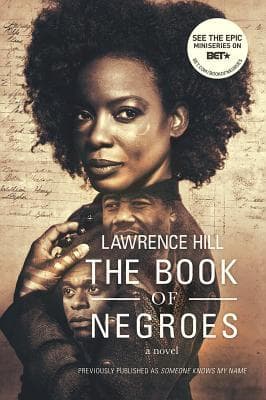
Synopsis
Covers the whole plot, including the ending.
- Difficulty
- Medium
- Pacing
- Moderate
- Mood
- Harrowing, Resilient, Reflective, Educational, Emotional
- Read it if
- You're looking for a powerful, meticulously researched historical account of slavery told through the eyes of an unforgettable protagonist, exploring themes of resilience, loss, and the fight for freedom.
- Skip it if
- You prefer light-hearted or fast-paced narratives, or find detailed descriptions of historical trauma and violence too distressing.
The Book of Negroes Plot Summary
Covers the whole plot, including the ending.
A Fula Girl's Early Life and Abduction
Aminata Diallo, a smart and curious girl from the village of Bayo in West Africa, lives happily with her parents. Her mother teaches her midwifery, and her father teaches her storytelling and navigation. She is good with languages and observes her surroundings well. Her life changes suddenly when, at age eleven, slave traders attack her village. Her parents are murdered, and Aminata, with other villagers, is captured. She endures a difficult march to the coast, seeing great suffering and death, losing her innocence due to the brutality of her captors.
The Middle Passage and the Loss of Innocence
Packed into a slave ship, Aminata experiences the horrors of the Middle Passage. She sees the brutal conditions, disease, starvation, and despair that cause many to jump overboard. Amidst this suffering, she forms a bond with Chekura, a young man captured from a nearby village. She also learns of a planned revolt, which is brutally stopped. This further shows her the cruel reality of her situation. When she arrives in South Carolina, she is separated from Chekura and sold at auction to a cruel plantation owner named Robinson Appleby.
Life on a South Carolina Plantation
On Appleby's indigo plantation in South Carolina, Aminata works hard and suffers. She is physically abused and raped by Appleby. Despite the hardship, she secretly continues to learn to read and write, a skill her parents started teaching her. She also reunites briefly with Chekura, and they marry in a secret ceremony. Aminata gives birth to a son, Mamadu, but Appleby tragically takes him from her and sells him, a loss that deeply affects her. She eventually escapes Appleby's cruel rule, helped by a white woman who sympathizes with her.
New York and the Revolutionary War
Aminata goes to New York City, where she works as a domestic servant for a Jewish couple, the Lindo family. They treat her well and help her further her education in reading and writing. As the American Revolutionary War continues, the British promise freedom to slaves who join their side. Aminata, using her literacy, helps Captain John Clarkson, a British abolitionist. She is given the task of recording the names of Black Loyalists seeking passage to Nova Scotia in 'The Book of Negroes,' a historical document that promises freedom and land.
The Journey to Nova Scotia and Renewed Hardship
Aminata, with thousands of other Black Loyalists, goes on a dangerous journey to Nova Scotia, believing they are going to a place of true freedom. However, when they arrive in Birchtown, they find that the promises of land and equality are mostly unfulfilled. They face harsh winters, poor land, and widespread racial discrimination from the white loyalists already living there. Aminata struggles to survive, working odd jobs and facing constant prejudice, realizing that true freedom is still out of reach even in this promised land.
The Birth of May and the Search for Chekura
While in Nova Scotia, Aminata gives birth to a daughter, May, after a brief reunion with Chekura before they were separated in New York. She loves May, but the joy is mixed with the constant struggle to survive and the lingering pain of Mamadu's loss and Chekura's absence. She hopes to find Chekura again, searching for him among the new Black Loyalists and looking for any news of him. The harsh realities of Birchtown make raising May very difficult, showing how the British promises failed.
The Sierra Leone Company and the Return to Africa
Disappointed by the broken promises and racism in Nova Scotia, Aminata becomes an active voice among the unhappy Black Loyalists. She learns about the Sierra Leone Company, a plan by British abolitionists to create a free black colony in Africa, Freetown. Seeing this as a chance for true self-rule and a return to her homeland, Aminata decides to join the expedition. She believes this new venture offers the best hope for a truly free life for herself and her community, despite the dangers and uncertainties of the journey.
The Founding of Freetown and Further Disillusionment
Aminata makes the difficult journey back to Africa, landing in what will become Freetown, Sierra Leone. The initial hope for a self-governing black settlement quickly fades as the colonists face new forms of exploitation and control from the British administrators of the Sierra Leone Company. The land is hard, resources are scarce, and diseases are common. Aminata, using her literacy and intelligence, becomes a teacher and an advocate for her community, speaking out against injustices and fighting for the rights and promised independence of the settlers. She finds herself again dealing with a system meant to limit their freedom.
The Search for Her Roots and the Fulani People
Despite the problems in Freetown, Aminata feels a strong desire to reconnect with her roots. She travels into the African interior, hoping to find her original village of Bayo or at least some trace of her Fula people. This journey is dangerous, with threats from warring tribes and slave traders. While she does not find Bayo, she meets other Fula communities and learns more about her heritage. This brings some closure and understanding to her past, even as it shows the terrible impact of the slave trade on the continent.
London and the Abolitionist Movement
Aminata eventually travels to London, England, invited by the British abolitionist movement. Her life story, a testament to the brutality of slavery and human resilience, becomes a powerful tool in their campaign. She meets important figures like Granville Sharp and William Wilberforce, sharing her experiences and speaking publicly about the horrors she has endured. Her direct, clear testimonies put a human face on the arguments against slavery, making her a valuable asset to the cause, though she often feels like a symbol rather than a person.
The Book of Negroes and Lasting Legacy
In London, Aminata continues her work, helping to publicize the stories of those enslaved and advocating for their freedom. She helps the abolitionist cause by giving firsthand accounts and by her presence, showing the suffering and strength of enslaved people. Her testimony before the British Parliament is important, as she tells her life's journey, the injustices, and the lasting hope for freedom. She uses her voice to demand justice, leaving a lasting mark on the fight for abolition and securing her place as a survivor and a strong advocate for human rights.
Principal Figures
Aminata Diallo
Protagonist
A Fula woman abducted from Africa, who navigates the horrors of slavery and becomes a beacon of resilience.
Aminata is a fiercely intelligent, resourceful, and resilient Fula woman with a remarkable memory and a gift for languages. Her journey begins in innocence in Bayo, West Africa, and takes her through the unimaginable brutality of the slave trade, forced labor, sexual assault, and profound loss. Despite the constant trauma, she maintains an unyielding spirit, a deep desire for freedom, and a commitment to justice. Her literacy, learned and honed under dire circumstances, becomes her most powerful weapon and a key to her survival and advocacy.
Relationships: Chekura (Husband and enduring love); Mamadu (Son, tragically lost); May (Daughter, also tragically lost/separated); Robinson Appleby (Cruel slave owner and rapist); John Clarkson (British abolitionist and employer, a respectful ally); Georgia (Friend and fellow slave in South Carolina); Sam Fraunces (Black Loyalist leader in New York); Daddy Moses (Elderly Black Loyalist and spiritual guide in Nova Scotia)
Chekura
Supporting
Aminata's first love and husband, separated from her multiple times by the slave trade.
Chekura is a young man from a neighboring village who is captured and enslaved alongside Aminata. He becomes her first love and husband, sharing moments of tenderness and hope amidst the brutality of their enslavement. He is protective and loyal, though his ability to protect Aminata is limited by their circumstances. Their paths repeatedly cross and diverge, representing the fragmented nature of families and relationships under slavery. His enduring love for Aminata provides her with strength and a connection to her past.
Relationships: Aminata Diallo (Wife and enduring love)
Robinson Appleby
Antagonist
The cruel and abusive plantation owner in South Carolina who enslaves Aminata.
Robinson Appleby is a brutal and callous indigo plantation owner in South Carolina. He embodies the worst aspects of the slave system, treating his enslaved people as property to be exploited and abused. He is responsible for raping Aminata and selling her infant son, Mamadu, demonstrating a complete disregard for human dignity and familial bonds. His character represents the systemic cruelty and dehumanization inherent in chattel slavery, driving much of Aminata's early suffering and her deep-seated desire for freedom.
Relationships: Aminata Diallo (Slave owner and abuser)
John Clarkson
Supporting
A British naval officer and abolitionist who assists Black Loyalists and befriends Aminata.
Captain John Clarkson is a genuine British abolitionist who plays a crucial role in Aminata's life. He is tasked with overseeing the evacuation of Black Loyalists from New York to Nova Scotia and later the establishment of Freetown, Sierra Leone. Unlike many white figures in the novel, Clarkson demonstrates a degree of genuine empathy and respect for the Black Loyalists. He recognizes Aminata's intelligence and literacy, employing her to record names in 'The Book of Negroes' and later relying on her counsel. He represents the more benevolent, if still flawed, face of the abolitionist movement.
Relationships: Aminata Diallo (Employer and respectful ally)
Georgia
Supporting
An older, resilient slave woman who mentors Aminata on Appleby's plantation.
Georgia is an older, experienced slave woman on Appleby's plantation who takes Aminata under her wing. She teaches Aminata about the harsh realities of plantation life, how to survive, and how to navigate the complex social dynamics among enslaved people. Georgia is pragmatic and resilient, having endured immense suffering herself, but she also possesses a deep well of compassion and wisdom. She acts as a surrogate mother figure for Aminata during a critical period of her life, offering guidance and a sense of community.
Relationships: Aminata Diallo (Mentor and friend)
Daddy Moses
Supporting
An elderly, spiritual leader among the Black Loyalists in Nova Scotia.
Daddy Moses is an revered elder and spiritual leader in the Black Loyalist community in Nova Scotia. He provides spiritual comfort, guidance, and a sense of continuity for the displaced community. His wisdom and unwavering faith help many to cope with the profound disappointments and hardships they face in Birchtown. He represents the strength of community and the importance of spiritual resilience in the face of oppression, reminding Aminata of the traditions and values of her African heritage.
Relationships: Aminata Diallo (Spiritual guide and community elder)
Mamed
Mentioned
Aminata's beloved father, a respected jeweler and storyteller.
Mamed is Aminata's father, a respected jeweler and storyteller in their village of Bayo. He instills in Aminata a love for learning, a keen sense of observation, and the art of navigation and language. His wisdom and gentle guidance are foundational to Aminata's early development. His brutal murder during the slave raid is the catalyst for Aminata's journey into slavery, and his memory remains a guiding force throughout her life, representing the lost paradise of her childhood.
Relationships: Aminata Diallo (Father)
Sira
Mentioned
Aminata's mother, a skilled midwife and teacher.
Sira is Aminata's mother, a respected midwife in their village. She teaches Aminata the skills of midwifery and imparts a strong sense of practicality and resilience. Her love and teachings contribute significantly to Aminata's early education and her understanding of women's health. Like her husband, Sira is murdered during the slave raid, her loss deeply impacting Aminata and further solidifying the trauma of her abduction. Her memory inspires Aminata's compassion and her desire to help others.
Relationships: Aminata Diallo (Mother)
Themes & Insights
The Enduring Power of the Human Spirit and Resilience
Aminata's journey shows human resilience when facing great suffering. Despite being abducted, surviving the Middle Passage, forced labor, sexual assault, and losing her family and children, Aminata never truly gives up. She consistently finds ways to adapt, learn, and fight for her freedom and the freedom of others. Her ability to hold onto hope, even in the darkest times, and to keep striving for a better life, whether through literacy, advocacy, or building community, is central to the book. This is clear when she secretly learns to read and write on Appleby's plantation, using her mind as a tool for survival and, eventually, freedom.
“I had walked a long way to get here. From Bayo to the coast. Across the ocean. To South Carolina, and then to New York, and then to Nova Scotia. I had learned to read and write, to listen and to speak. I had lost my children and found them again, in a way. I had seen the worst of humankind and the best. And I would keep walking, for as long as I could.”
The Dehumanizing Impact of Slavery and Racism
The book details the widespread and dehumanizing nature of the transatlantic slave trade and later racial prejudice. From the brutal capture and Middle Passage to the daily violence and psychological torment on plantations, and the systemic discrimination faced by 'freed' slaves in Nova Scotia and even Sierra Leone, the book shows how slavery took away people's identity, family, and basic human rights. Characters like Robinson Appleby embody this cruelty, seeing enslaved people as property. The broken promises to the Black Loyalists in Nova Scotia further show how racism continued to deny true freedom and equality, even after legal emancipation.
“I was a thing, a beast of burden, a body to be used, then discarded. They did not see me as a person. They saw only the blackness of my skin and the strength of my back.”
The Search for Home and Belonging
Aminata's entire life is a constant search for a place where she can truly belong and feel safe. Stolen from her home of Bayo, she constantly tries to create a sense of community and family. Her various 'homes'—Appleby's plantation, the Lindo household, Birchtown, Freetown, and eventually London—are all temporary and imperfect. Each offers a different kind of belonging, but none provides the complete comfort of her lost childhood. Her journey back to Africa and her search for her Fula people highlight her deep desire to reconnect with her roots and find a place where her identity is fully recognized and respected, not constantly questioned or denied.
“My home was not a place, but a memory. A place I had lost, and a place I longed to find again.”
The Power of Literacy and Storytelling
Literacy and storytelling are important tools for survival, resistance, and identity in the book. Aminata's ability to read and write, first learned from her parents and later practiced in secret, gives her power in a world designed to keep her subservient. It allows her to record names in 'The Book of Negroes,' write letters, and ultimately, tell her own story. Storytelling, a tradition from her Fula heritage, helps preserve history, share experiences, and find meaning amidst trauma. Her spoken testimonies in London are key to the abolitionist cause, showing how personal stories can influence public opinion and drive social change.
“I learned that words were a kind of weapon, and that to know them was to hold a power that could not be taken away.”
The Complexities of Freedom
The book looks at the complex and often hard-to-reach nature of freedom. For Aminata and other enslaved people, freedom is not a single event but a continuous struggle. The British promise of freedom for Black Loyalists during the Revolutionary War turns out to be conditional and incomplete, leading to more disappointment in Nova Scotia. Even in Freetown, a colony founded on the idea of self-rule, the settlers face new forms of control and exploitation. The story shows that legal emancipation does not automatically mean true liberty, which includes economic independence, social equality, and the ability to live without fear of oppression. Aminata's eventual 'freedom' in London comes with the burden of being a symbol, highlighting the ongoing challenges even for those who escape direct enslavement.
“Freedom, I learned, was not a place. It was a journey. And it was never truly finished.”
Plot Devices & Literary Techniques
First-Person Narrative
The story is told entirely from Aminata Diallo's perspective.
The novel is narrated in the first person by Aminata Diallo, providing an intimate and deeply personal account of her life. This allows readers to experience her trauma, resilience, and evolving understanding of the world directly through her eyes. Her unique voice, shaped by her Fula heritage, her intelligence, and her experiences, lends authenticity and emotional weight to the historical events, making her journey intensely relatable and harrowing. The first-person perspective ensures that the reader is always privy to Aminata's inner thoughts and feelings, fostering a strong connection to her character.
The Book of Negroes (Document)
A real historical document central to the plot and Aminata's role.
The actual historical document, 'The Book of Negroes,' functions as a pivotal plot device. It is a ledger used by the British to record the names of Black Loyalists evacuated from New York to Nova Scotia, promising them freedom and land. Aminata's role in compiling this book, using her literacy skills, gives her agency and connects her directly to a significant historical event. The document represents both a promise of freedom and, later, the betrayal of that promise, as many listed individuals did not receive the land they were due. It symbolizes the complex and often broken agreements made with formerly enslaved people.
Flashbacks and Framing Device
The story is framed by Aminata's later life, with extensive flashbacks.
The novel uses a framing device, with an elderly Aminata in London recounting her life story to abolitionists. This structure allows her to reflect on her past with the wisdom of experience, providing context and emotional depth to earlier events. The narrative is largely composed of extensive flashbacks, beginning with her childhood and progressing chronologically through her life. This device emphasizes the cyclical nature of her struggles and triumphs, and highlights the enduring impact of her past on her present advocacy for abolition, giving her testimony a powerful, cumulative effect.
Literacy as a Tool for Survival and Empowerment
Aminata's ability to read and write serves as a crucial skill and source of power.
Aminata's literacy, first nurtured by her parents and later developed in secret, is a recurring and powerful plot device. It sets her apart from most other enslaved people and provides her with unique opportunities. It allows her to secure work with the Lindos, become the scribe for 'The Book of Negroes,' teach in Freetown, and ultimately, present her testimony in London. Her ability to read and write is not just a skill; it's a means of gaining information, asserting her intelligence, documenting injustices, and ultimately, empowering her to fight for freedom and carve out a meaningful existence in a world determined to silence her.
The Book of Negroes Quotes
“Before I was Minny, I was Aminata. And before I was Aminata, I was something else, too, a child who had not yet been given a name.”
“My mind had been so long closed to the thought of freedom that it took me a moment to grasp what he was saying.”
“I was a free black woman, and I would make my own way. I would not be bought and sold again. I would not be owned.”
“My father used to say that the world was a big place, and there were many kinds of people in it, and all of them were worth knowing.”
“The ocean was a vast, indifferent beast, and we were its helpless cargo.”
“To forget was to die. To remember was to live, even if it meant living with pain.”
“I had been taught that the white man’s God was a God of love, but I saw little love in their actions.”
“The Book of Negroes was not just a list of names. It was a testament to survival, a record of lives that had refused to be erased.”
“When you have nothing left to lose, you have everything to gain.”
“My words were my most powerful weapon, sharper than any blade.”
“Freedom was not a gift; it was a struggle, fought for inch by agonizing inch.”
“I was a woman who had crossed oceans, outwitted slave catchers, and faced down the scorn of those who thought me less than human.”
“To be truly free, one had to be free in spirit, not just in body.”
“The world was full of good people and bad people, and often it was hard to tell the difference until it was too late.”
Quiz
10 questions on the plot and the characters. Each answer comes with a short explanation.
Question 1
What is Aminata's original African name, given to her by her mother?
- Mamadu
- Aminata Diallo
- Fatimah
- Sankofa
Show answer
B. Aminata Diallo Aminata's full name, given to her by her mother, is Aminata Diallo, a detail she carries with her throughout her journey.
Question 2
What skill does Aminata possess from her childhood that becomes crucial for her survival and eventual role in recording the Book of Negroes?
- Expert weaving
- Exceptional hunting abilities
- Reading and writing Arabic
- Advanced navigation skills
Show answer
C. Reading and writing Arabic Aminata learned to read and write Arabic from her father as a child, a rare skill for a slave that later allows her to transcribe the Book of Negroes.
Question 3
In which present-day country is Aminata's home village of Bayo located?
- Senegal
- Ghana
- Mali
- Nigeria
Show answer
C. Mali Aminata is abducted from her village in Mali at the age of 11, setting the stage for her arduous journey.
Question 4
What is the name of the man Aminata falls in love with and marries, only to be repeatedly separated from him?
- John Clarkson
- Chekura Tiana
- Solomon Lindo
- Samuel Fraunces
Show answer
B. Chekura Tiana Aminata's great love is Chekura Tiana, who she meets on the slave ship and marries, enduring multiple heartbreaking separations.
Question 5
What specific event occurs on the slave ship that demonstrates the brutality of the slave trade and Aminata's early exposure to violence?
- A massive storm that capsizes the ship
- A successful slave revolt led by Aminata
- The brutal repression of a slave revolt
- A contagious disease outbreak killing most of the crew
Show answer
C. The brutal repression of a slave revolt During the Middle Passage, Aminata witnesses the brutal repression of a slave revolt, highlighting the violence inherent in her enslavement.
Question 6
Why does Aminata initially go to Nova Scotia after the American Revolutionary War?
- To reunite with her family who had settled there
- To work for the British as an interpreter
- As part of the promise of land and freedom for Loyalists and freed slaves by the British
- To escape persecution from American slave owners
Show answer
C. As part of the promise of land and freedom for Loyalists and freed slaves by the British Aminata is sent to Nova Scotia as part of the British promise of land and a new life for freed slaves who sided with them during the Revolutionary War.
Question 7
What is 'The Book of Negroes' in the historical context of the novel?
- A secret journal kept by slaves to document their experiences
- A registry of all enslaved people in the American colonies
- A real historical document listing Black Loyalists who evacuated New York for Nova Scotia
- A fictional book written by Aminata detailing her life story
Show answer
C. A real historical document listing Black Loyalists who evacuated New York for Nova Scotia The Book of Negroes is a real historical document, a register compiled by the British listing Black Loyalists who were evacuated from New York to Nova Scotia, in which Aminata plays a pivotal role.
Question 8
What is the name of the settlement in Africa that Aminata helps to establish for freed slaves, which eventually becomes Freetown?
- Gambia
- Sierra Leone
- Liberia
- Gold Coast
Show answer
B. Sierra Leone Aminata joins a group of freed slaves on an odyssey back to Africa, specifically to establish a settlement in Sierra Leone, which eventually becomes Freetown.
Question 9
Which prominent British abolitionist does Aminata eventually meet and work with in London?
- Thomas Jefferson
- William Wilberforce
- George Washington
- Olaudah Equiano
Show answer
B. William Wilberforce In London, Aminata becomes a living icon for William Wilberforce and other abolitionists, lending her voice and story to their cause.
Question 10
What is a central theme explored through Aminata's repeated losses and resilience throughout the novel?
- The futility of resistance against oppression
- The enduring power of identity and the human spirit in the face of unimaginable adversity
- The inevitable triumph of evil over good
- The economic benefits of the transatlantic slave trade
Show answer
B. The enduring power of identity and the human spirit in the face of unimaginable adversity Aminata's story, marked by the loss of her children, separation from her love, and continuous struggle, powerfully illustrates the resilience of the human spirit and the enduring importance of maintaining one's identity despite brutal circumstances.
The Book of Negroes FAQ
What is the central premise of 'The Book of Negroes'?
The novel follows the extraordinary life of Aminata Diallo, an African woman abducted from her village in Mali at age 11 in 1755. Her journey spans continents, from the horrors of the Middle Passage and slavery in America to the struggles of freedom in Nova Scotia and the eventual return to Africa, culminating in her advocacy for abolition in London.
Who is Aminata Diallo, and what makes her journey unique?
Aminata Diallo is the protagonist, a resilient and intelligent woman who endures unimaginable hardship, including slavery, rape, and the loss of her family. Her unique journey involves not only survival but also active participation in historical events, such as recording names for 'The Book of Negroes' and becoming an abolitionist icon.
What is 'The Book of Negroes' within the context of the novel and history?
'The Book of Negroes' is a real historical document that listed the names of over 3,000 Black Loyalists who escaped to British lines during the American Revolutionary War and were granted passage to Nova Scotia. In the novel, Aminata is instrumental in compiling this document, giving voice and identity to the freed slaves.
How does the novel depict the experience of slavery in South Carolina?
The novel vividly portrays the brutality of slavery on a South Carolina indigo plantation, where Aminata is sold to Robinson Appleby. She endures forced labor, the trauma of rape by Appleby, and witnesses the constant threat of violence and dehumanization faced by enslaved people.
What challenges does Aminata face after gaining freedom in Nova Scotia?
Despite being free, Aminata and other Black Loyalists face harsh conditions in Birchtown, Nova Scotia, including racial prejudice, broken promises of land, and economic hardship. She experiences continued oppression and the devastating loss of her daughter, May, highlighting the limits of their newfound 'freedom'.
What is the significance of the character Chekura to Aminata's story?
Chekura is Aminata's one true love, whom she meets on the slave ship and later reunites with in South Carolina. He represents her enduring connection to her African heritage and her capacity for love amidst suffering. Their forced separations and the eventual tragic loss of Chekura profoundly shape Aminata's life and motivations.
How does Aminata's skill as a 'granny woman' or midwife develop throughout the novel?
Aminata's midwifery skills are a crucial thread, learned from her mother in Africa. This knowledge not only provides her with a valuable trade and a means of survival in various locations but also connects her to her heritage and allows her to serve her community, offering hope and healing in dire circumstances.
What role does the character Sam Fraunces play in Aminata's time in New York?
Sam Fraunces, a real historical figure, offers Aminata refuge and employment in New York. His tavern serves as a significant meeting place for both British and American figures during the Revolutionary War, and his generosity provides Aminata with a crucial period of relative safety and opportunity to learn to read and write more proficiently.
How does Aminata's journey back to Africa differ from her initial abduction?
Her return to Africa with the Sierra Leone Company is a voluntary, albeit fraught, journey driven by hope and a desire for true self-determination, contrasting sharply with her traumatic abduction. While still facing challenges and disappointments in Freetown, this journey represents a conscious effort to reclaim her heritage and build a new society.
How does Aminata's capacity for resilience evolve throughout her life?
Aminata's resilience is forged through repeated trauma, from witnessing her parents' murder and the loss of her children to enduring slavery and systemic racism. She doesn't just survive; she actively adapts, learns, and fights back, using her intelligence and skills to navigate impossible situations and maintain her sense of self.
What psychological impact do the numerous losses have on Aminata?
The repeated losses of her family – parents, children, and Chekura – inflict deep psychological wounds on Aminata, manifesting as profound grief and a constant sense of yearning. Yet, these losses also fuel her determination to survive and honor their memory, pushing her forward in her quest for freedom and justice.
How does Aminata maintain her identity and sense of self despite being subjected to dehumanization?
Aminata fiercely guards her identity by clinging to her language (Bambara), her African name, and the memories of her village and family. Her literacy, learned from her father, also becomes a powerful tool for self-expression and resistance, affirming her humanity in the face of attempts to strip it away.
What is the psychological toll of Aminata's role as a 'storyteller' and witness to history?
As a witness and later a storyteller, Aminata carries the immense psychological burden of remembering and recounting the atrocities she experienced and observed. This role, while empowering and vital for historical record, undoubtedly causes secondary trauma and requires immense emotional strength to continuously relive painful memories.
To what extent is 'The Book of Negroes' a story of redemption, or simply survival?
While Aminata undeniably survives unimaginable horrors, the narrative leans more towards redemption in a broader sense, not just for her but for the historical record. Her journey from enslaved person to abolitionist icon, and her efforts to give voice to others, offer a form of redemption by reclaiming agency and shaping history.
How does the novel challenge traditional narratives of the American Revolution?
The novel offers a crucial counter-narrative to the romanticized view of the American Revolution by highlighting the hypocrisy of 'freedom' for white colonists while enslaved Africans were denied theirs. It exposes how the British offered freedom to slaves who joined their side, creating a complex and often overlooked aspect of the war.
Is Aminata's eventual arrival in London a triumph or a bittersweet end?
Aminata's arrival in London as an icon for the Abolitionist movement is a triumph in terms of her influence and recognition. However, it's also bittersweet, as she remains separated from her family and home, still a 'stranger' in a foreign land, reflecting the ongoing complexities and costs of her extraordinary life.
How does the author use Aminata's voice to convey the broader historical context?
Lawrence Hill uses Aminata's first-person narrative to personalize and humanize a vast historical period. Through her eyes, readers experience the slave trade, the American Revolution, the challenges in Nova Scotia, and the founding of Sierra Leone, making abstract historical events deeply personal and emotionally resonant.
What is the novel's stance on the concept of 'home' for Aminata?
The novel suggests that 'home' for Aminata is not a fixed geographical location but a fluid concept tied to her cultural identity, memories, and the people she loves. Though she physically returns to Africa, her true 'home' is arguably found in her resilience and her unwavering connection to her heritage, regardless of her physical location.
About the author

Lawrence Hill is a Canadian author known for his fiction that often explores themes of identity, race, and history. His notable work, "The Book of Negroes," tells the story of a young African woman during the American Revolution and has received significant recognition, including the Rogers Writers' Trust Fiction Prize.
Similar books
- Beloved
Toni Morrison
3.9 (325k) average on GoodreadsLiterary FictionExplores the psychological scars of slavery and a mother's fierce love amidst unimaginable loss.
- Homegoing
Yaa Gyasi
4.4 (175k) average on GoodreadsLiterary FictionTraces the descendants of two half-sisters, one sold into slavery and one marrying an Englishman, across generations.
- The Underground Railroad
Colson Whitehead
4.0 (290k) average on GoodreadsLiterary FictionA gripping and imaginative narrative about a young woman's escape from slavery.
- To Kill a Mockingbird
Harper Lee
4.3 (4.5M) average on GoodreadsHistorical FictionIn the 1930s Jim Crow South, Harper Lee writes about racial injustice, moral growth, and the quiet courage of a lawyer father, Atticus Finch, as seen through his young daughter's eyes.
- The Great Gatsby
F. Scott Fitzgerald
3.9 (3.8M) average on GoodreadsHistorical FictionIn the opulent Roaring Twenties, a mysterious millionaire's lavish parties hide his desperate, tragic pursuit of a lost love, exposing the emptiness within the American Dream.
- Pride and Prejudice
Jane Austen
4.3 (3M) average on GoodreadsHistorical FictionIn a society focused on status and money, Elizabeth Bennet navigates love and pride, challenging Mr. Darcy and social expectations to find true affection.




Enjoyed the summary?
A summary gives you the shape of the book. The book itself has the detail, the examples and the voice.
Find The Book of Negroes on AmazonAs an Amazon Associate, BookBrief earns from qualifying purchases. How we're funded