
Synopsis
Covers the whole plot, including the ending.
- Difficulty
- Medium
- Pacing
- Moderate
- Mood
- Thought-provoking, Melancholy, Resilient, Cultural
- Read it if
- You are interested in post-colonial African literature, female protagonists challenging societal norms, and explorations of tradition versus modernity.
- Skip it if
- You prefer fast-paced thrillers or stories with a definitively happy ending.
The Bride Price Plot Summary
Covers the whole plot, including the ending.
The Move to Ibuza
The story begins with the death of Aku-nna's father, Ezekiel Odia, in Lagos. Following Igbo custom, his widow, Ma Blackie (Agnes), and their two children, Aku-nna and Nna-nna, must return to Ezekiel's village, Ibuza, to be inherited by his younger brother, Okonkwo. Aku-nna, still grieving, dislikes moving from the busy city of Lagos to the more traditional village life. She is a good student, and the idea of leaving her education distresses her. The family arrives in Ibuza, and Aku-nna immediately feels the weight of traditional expectations placed on her as a young woman.
Life Under Okonkwo's Roof
When they arrive in Ibuza, Ma Blackie and her children join Okonkwo's household. Okonkwo, a strict and traditional man, immediately sees Aku-nna's beauty and intelligence not as personal qualities, but as traits that will bring a large bride price. He begins to limit her movements and interactions, especially with young men, to protect her 'value.' Aku-nna, at first compliant, feels increasingly restricted by the village's rigid customs and her uncle's possessive gaze. Her education continues off and on, but her main role is now seen as a future wife who will bring wealth to her family.
Meeting Chike
During her time in Ibuza, Aku-nna meets Chike, a young teacher studying to become a doctor. Chike is smart, kind, and respectful, and Aku-nna is drawn to him. However, Chike belongs to the 'Osu' caste, a group descended from former slaves, making him an outcast in traditional Ibuza society. Marriage between an 'Osu' and a free-born person like Aku-nna is forbidden and a serious taboo. Despite social barriers, Aku-nna and Chike develop a secret affection, exchanging glances and stolen conversations. Their love grows against a harsh social structure, directly challenging Ibuza tradition.
Okonkwo's Plans and Aku-nna's Defiance
Okonkwo, determined to get a high bride price, finds a wealthy, older man named Okoboshi as a suitor for Aku-nna. Okoboshi is known for his wealth and would pay a large sum, raising Okonkwo's status. Aku-nna is horrified by the thought of marrying a man she does not love, especially since her heart belongs to Chike. She openly refuses Okonkwo, stating she will not marry Okoboshi. This act of rebellion is unheard of and shames Okonkwo and the family. Her defiance is met with anger and threats, but Aku-nna remains firm, unwilling to be a mere possession.
The Elopement
Facing an unavoidable forced marriage to Okoboshi, Aku-nna decides to elope with Chike. This act greatly violates tradition, as it means Aku-nna's family will not receive a bride price, denying Okonkwo the wealth and prestige he wanted. The elopement is a desperate move for love and freedom, but it comes at a huge cost. By running away, Aku-nna cuts ties with her family and community, becoming an outcast. Chike, also defying tradition, commits to Aku-nna and takes her to live with him in a nearby town, away from Ibuza's immediate anger.
Life with Chike
Aku-nna and Chike start a new life together, away from Ibuza. Chike continues his studies, and Aku-nna, despite being ostracized, finds happiness in their love and freedom. They have a daughter, strengthening their bond. However, the lack of a bride price, a foundation of Igbo marriage, casts a long shadow. In Ibuza society, Aku-nna is not truly married, and her children are considered illegitimate, belonging to Chike's family but not fully recognized by her own lineage. This social judgment, though distant, constantly worries Aku-nna.
The Threat of Illness
Aku-nna falls seriously ill after her daughter's birth. Her condition worsens, and traditional beliefs emerge. Villagers, including Chike's family and Aku-nna herself, start blaming her illness on a curse from the unpaid bride price. The belief is that by denying her family the traditional payment, Aku-nna has offended ancestors and brought misfortune upon herself. This ingrained cultural superstition creates immense psychological pressure on Aku-nna, making her feel responsible for her suffering and further isolating her from her traditional roots.
Chike's Attempt to Pay
Desperate to save Aku-nna, Chike tries to pay the bride price to her family. He gathers what money he can, hoping that fulfilling this tradition, even late, will appease the spirits and save Aku-nna's life. However, Okonkwo and Aku-nna's family, still shamed by her elopement and the 'Osu' taboo, reject the payment. They refuse to acknowledge the marriage or accept Chike's offer, symbolizing their complete disinheritance of Aku-nna. This rejection is a devastating blow, confirming tradition's unyielding power and leaving Aku-nna and Chike without options.
Aku-nna's Death
Tragically, Aku-nna's health continues to decline, and she eventually dies. Many, including herself in her final moments, attribute her death to the curse of the unpaid bride price. The novel shows how cultural beliefs deeply affect individual fate. Aku-nna's death illustrates the destructive power of rigid traditions and societal expectations. Despite her love for Chike and her defiance, she cannot escape the psychological and physical toll of being an outcast who broke her people's sacred customs.
The Legacy
Chike is left a widower with their young daughter, whom he names after Aku-nna. Her death leaves a deep void and a lasting impact on Chike. The tragedy highlights the novel's main theme: the devastating results when individual love and autonomy conflict with deeply established societal norms. Chike, though heartbroken, remains devoted to their daughter, ensuring she knows her mother's story of courage and sacrifice. Aku-nna's story reminds us of the struggles women face in traditional societies when they defy expectations, especially regarding their worth and marriage.
Principal Figures
Aku-nna
Protagonist
A bright and beautiful young woman who defies tradition for love.
Aku-nna is the central character, an intelligent and sensitive girl who values education and personal freedom. She is initially compliant but grows increasingly rebellious against the restrictive customs of Ibuza society. Her beauty and intelligence make her a valuable commodity in her uncle's eyes, destined for a high bride-price. She is deeply empathetic and yearns for genuine love and respect, rather than being treated as property. Her internal struggle between personal desire and societal expectation drives much of the narrative.
Relationships: Ma Blackie (Daughter, initially obedient but later defiant.); Ezekiel Odia (Beloved father, his death triggers her journey.); Okonkwo (Uncle and guardian, sees her as a monetary asset, antagonist to her desires.); Chike (Lover and husband, a forbidden but deep love.); Nna-nna (Younger brother, she feels protective of him.)
Chike
Love Interest / Supporting Protagonist
Aku-nna's forbidden love, an intelligent and progressive 'Osu' man.
Chike is a kind, intelligent, and ambitious young man from the 'Osu' caste, a group considered outcasts in traditional Igbo society. Despite the societal stigma, he is educated and aspires to become a doctor. He genuinely loves Aku-nna and is willing to defy deeply entrenched traditions to be with her. He is patient and understanding, offering Aku-nna a sense of liberation that her own family denies her. His character represents the possibility of progress and individual worth over inherited status.
Relationships: Aku-nna (Lover and husband, deep and forbidden love.); Okonkwo (Antagonist, due to caste difference and elopement.); Aku-nna's daughter (Father, sole guardian after Aku-nna's death.)
Ma Blackie (Agnes)
Supporting Character
Aku-nna's mother, torn between tradition and her daughter's happiness.
Ma Blackie is Aku-nna's mother, a woman who has experienced both modern Lagos life and traditional Ibuza customs. She loves her daughter but is deeply ingrained with the beliefs of her society. She tries to protect Aku-nna but is ultimately powerless against Okonkwo's authority and the weight of tradition. She embodies the conflict between a mother's love and the societal pressure to conform, often expressing her anxieties through traditional superstitions and fears.
Relationships: Aku-nna (Mother-daughter, complex and strained by Aku-nna's choices.); Ezekiel Odia (Late husband, his death leaves her vulnerable.); Okonkwo (Brother-in-law and guardian, under his authority.); Nna-nna (Son, she cares for him.)
Okonkwo
Antagonist
Aku-nna's uncle, a traditionalist who views her as a valuable asset for her bride-price.
Okonkwo is Aku-nna's paternal uncle and the head of the family after Ezekiel's death. He is a staunch traditionalist, driven by a desire for wealth, prestige, and adherence to custom. He views Aku-nna primarily as a means to secure a high bride-price, which would enhance his status in the community. He is stern, authoritative, and unforgiving, embodying the patriarchal and rigid aspects of Ibuza society. His actions directly oppose Aku-nna's desire for autonomy and love.
Relationships: Aku-nna (Uncle and guardian, antagonist, sees her as property.); Ma Blackie (Brother-in-law, holds authority over her.); Chike (Antagonist, due to Chike's caste and elopement.)
Ezekiel Odia
Mentioned Character
Aku-nna's deceased father, a progressive man whose death triggers the family's return to tradition.
Ezekiel Odia is Aku-nna's father, whose death sets the entire plot in motion. He is remembered as a loving and relatively progressive man who valued his daughter's education and fostered a more modern upbringing in Lagos. His absence leaves Aku-nna and her mother vulnerable to the traditional structures of Ibuza. His memory serves as a contrast to the rigid world Aku-nna is forced into, highlighting what she has lost.
Relationships: Aku-nna (Beloved father, his memory influences her.); Ma Blackie (Husband, his death leaves her widowed.)
Okoboshi
Supporting Character
A wealthy, older man chosen by Okonkwo as Aku-nna's suitor.
Okoboshi is the wealthy, older man whom Okonkwo selects as Aku-nna's intended husband. He represents the kind of marriage that is financially advantageous but emotionally barren for Aku-nna. He is a symbol of the transactional nature of traditional bride-price marriages, where a woman's value is determined by the wealth she brings to her family rather than her own desires or happiness. Aku-nna's rejection of him is a direct rejection of the system he embodies.
Relationships: Aku-nna (Unwanted suitor.); Okonkwo (Prospective in-law, chosen for his wealth.)
Nna-nna
Supporting Character
Aku-nna's younger brother.
Nna-nna is Aku-nna's younger brother. He serves as a reminder of Aku-nna's family ties and the generational differences in their experiences. While Aku-nna faces the pressures of being a girl in a traditional society, Nna-nna, as a boy, is largely exempt from the same constraints, highlighting the gender inequality inherent in the system. He often reflects the anxieties and observations of a child caught in adult conflicts.
Relationships: Aku-nna (Older sister.); Ma Blackie (Son.)
Themes & Insights
The Oppression of Tradition
The novel examines how traditions, especially the bride-price and the 'Osu' caste system, oppress individuals, particularly women. Aku-nna's life is controlled by these customs, from being inherited by her uncle to her value being a monetary sum. The forced marriage, the ostracism of Chike, and the belief that Aku-nna's death results from an unpaid bride price all show how these traditions can stifle individual freedom and lead to tragedy. The novel suggests that while tradition can provide structure, it can also be suffocating.
“A woman's place was to produce children, to work herself to death for them and her husband, and to be a good wife.”
Individual Freedom vs. Societal Expectation
This theme is central to Aku-nna's struggle. She wants personal freedom, education, and the right to choose her partner, directly clashing with the societal expectation that she conform to traditional roles and allow her family to arrange her marriage for money. Her elopement with Chike is her ultimate act of asserting freedom, but it costs her family and social standing. The tragic outcome suggests how difficult it is to escape deeply embedded societal expectations in such a context.
“She was not a cow, nor a goat, nor a piece of land to be sold.”
The Dehumanizing Nature of the Bride-Price
The novel shows the bride-price system not as a celebration but as a way to reduce women to property. Okonkwo's focus on Aku-nna's potential bride price blinds him to her humanity, desires, and intelligence. Her worth is measured in money, not in her character or love. This commodification of women is highlighted by Aku-nna's resistance to being 'sold' and the societal punishment for choosing to marry without this transaction. The bride price, meant to solidify marriage, instead becomes a tool of oppression and a symbol of Aku-nna's lack of agency.
“She was a price, a thing to be sold, a thing to be paid for.”
Love and Sacrifice
Despite harsh realities, the novel explores the powerful, though tragic, love between Aku-nna and Chike. Their love defies social norms, caste systems, and arranged marriages. Both make sacrifices for their relationship: Aku-nna sacrifices her family and social standing, and Chike sacrifices his ease of acceptance. Their enduring affection under immense pressure shows the strength of human connection. However, the novel also shows that even deep love may not overcome the entrenched power of tradition, leading to Aku-nna's ultimate sacrifice of her life.
“Their love was like a tree growing in a forbidden garden.”
Plot Devices & Literary Techniques
Foreshadowing
Hints and warnings about Aku-nna's tragic fate.
The novel employs foreshadowing through various cultural beliefs and anxieties expressed by characters, particularly Ma Blackie. The constant talk about the importance of the bride-price and the dire consequences of marrying an 'Osu' or eloping without payment subtly prepares the reader for Aku-nna's eventual suffering and death. The early emphasis on Aku-nna's beauty being a 'curse' or a source of trouble also hints at the challenges she will face, creating a sense of impending doom that permeates the narrative.
Symbolism of the Bride-Price
Represents women's commodification and the weight of tradition.
The bride-price is not merely a custom but a powerful symbol throughout the novel. It symbolizes the monetary value placed on women, their lack of autonomy, and the patriarchal control over their lives. It also represents the unbreakable hold of tradition and community expectations. Aku-nna's refusal to have one paid for her is an act of rebellion, and its absence is later blamed for her illness and death, making it a symbol of both oppression and the tragic consequences of defying an entrenched system.
The 'Osu' Caste System
A social barrier symbolizing ingrained prejudice and societal division.
The 'Osu' caste system serves as a significant plot device, creating the fundamental barrier to Aku-nna and Chike's love. It symbolizes the deeply ingrained prejudice and rigid social stratification within traditional Igbo society. Chike's 'Osu' status makes him an unacceptable match regardless of his personal qualities, highlighting how inherited social standing can override individual merit and happiness. This system is an immovable obstacle, demonstrating the unforgiving nature of certain traditions and contributing directly to the tragic outcome of the story.
Contrast between Lagos and Ibuza
Highlights the clash between modernity and tradition.
The novel uses the geographical contrast between Lagos and Ibuza to underscore the thematic conflict between modernity and tradition. Lagos represents a more progressive, individualistic, and educated way of life, where Aku-nna's father was more open-minded. Ibuza, on the other hand, embodies strict adherence to custom, patriarchy, and the bride-price system. Aku-nna's forced relocation from Lagos to Ibuza immediately thrusts her into this conflict, setting the stage for her struggle against the restrictive cultural norms of the village.
The Bride Price Quotes
“A girl was like a banana; you cut it at the root to get the stem and the fruit. You could not stop it from growing, you could only cut it when it was ripe.”
“To be a woman was to be a slave to the whims of men.”
“The bride price was a woman's worth, her market value. It was how much her family thought she was worth.”
“No matter how rich a family was, a daughter was still a burden until she was married off.”
“She was a woman, and that was her destiny: to bear children and look after her husband.”
“Love was not enough to feed a family, or to pay the bride price.”
“A woman's place was in her husband's house, not her father's, once she was married.”
“The gods had decided her fate, and there was nothing she could do to change it.”
“It was not enough to be beautiful; a woman also had to be fertile.”
“The dead were never truly gone, they were just in another world, watching over their living relatives.”
“To run away with a man was a disgrace, an abomination, but sometimes it was the only way.”
“A woman who did not have a son was like a man who had no head.”
“Her life was not her own, it belonged to her family, and then to her husband.”
“The world was changing, but some things, like the bride price, remained stubbornly the same.”
Quiz
10 questions on the plot and the characters. Each answer comes with a short explanation.
Question 1
What is the name of Aku-nna's father?
- Okolie
- Eze
- Ezekiel
- Chike
Show answer
C. Ezekiel Aku-nna's father is Ezekiel, who dies early in the novel, leading to the family's move and subsequent inheritance by her uncle.
Question 2
Where does Aku-nna's family move after her father's death?
- Lagos
- Ibusa
- Onitsha
- Ogwashi-Uku
Show answer
B. Ibusa After Ezekiel's death, Aku-nna's mother, Ma Blackie, and the children move back to her family's village of Ibusa.
Question 3
Who is the man Aku-nna falls in love with and elopes with?
- Okolie
- Chike
- Obi
- Eze
Show answer
B. Chike Aku-nna falls in love with and eventually elopes with Chike, a young man who is the son of a freed slave, making him an outcast in the community.
Question 4
Why does Aku-nna's uncle, Okolie, initially want to marry her to a wealthy suitor?
- To ensure Aku-nna's happiness and social standing.
- To secure a high bride-price for himself, as her guardian.
- To fulfill a promise made to Aku-nna's deceased father.
- To unite their families through a powerful alliance.
Show answer
B. To secure a high bride-price for himself, as her guardian. Okolie, Aku-nna's uncle, views her as property and seeks to marry her off to a wealthy suitor primarily to gain a substantial bride-price for himself, which is a major theme of the novel.
Question 5
What is the primary reason Chike's family is considered 'unsuitable' by Aku-nna's uncle?
- They are not from the same village as Aku-nna's family.
- Chike's father was a freed slave, making their lineage undesirable.
- They are not wealthy enough to pay a high bride-price.
- Chike is already married to another woman.
Show answer
B. Chike's father was a freed slave, making their lineage undesirable. Chike's father was a freed slave, and this lineage is considered a social stigma by Aku-nna's uncle, Okolie, making Chike an 'unsuitable' match according to traditional customs.
Question 6
What significant event occurs shortly after Aku-nna and Chike elope, causing further complications?
- Aku-nna's mother dies suddenly.
- Aku-nna is diagnosed with a terminal illness.
- Aku-nna becomes pregnant.
- Chike loses his job and they face extreme poverty.
Show answer
C. Aku-nna becomes pregnant. Soon after their elopement, Aku-nna discovers she is pregnant. This complicates the situation further as the bride-price has not been formally paid, and she is now carrying a child whose lineage is disputed by traditional standards.
Question 7
What traditional belief is crucial to Aku-nna's eventual fate, related to the unpaid bride-price?
- A wife whose bride-price is unpaid will inevitably be barren.
- A woman whose bride-price is not paid will suffer a difficult childbirth and potentially die.
- Children born of an unpaid bride-price marriage will be cursed.
- The spirits of her ancestors will reject her if the bride-price is not paid.
Show answer
B. A woman whose bride-price is not paid will suffer a difficult childbirth and potentially die. A pervasive and ultimately tragic belief in the novel is that a woman whose bride-price remains unpaid is destined to die in childbirth. This belief heavily influences Aku-nna's mental state and her tragic end.
Question 8
How does Aku-nna's mother, Ma Blackie, react to Aku-nna's defiance of tradition and elopement?
- She fully supports Aku-nna's decision, having always been rebellious herself.
- She is deeply conflicted, torn between love for her daughter and fear of societal judgment and the consequences of breaking tradition.
- She immediately disowns Aku-nna, siding entirely with her brother, Okolie.
- She tries to convince Okolie to accept Chike, offering to pay the bride-price herself.
Show answer
B. She is deeply conflicted, torn between love for her daughter and fear of societal judgment and the consequences of breaking tradition. Ma Blackie is deeply conflicted. While she loves Aku-nna, she is also a product of her society and fears the repercussions and shame of her daughter's unconventional choices, especially regarding the unpaid bride-price.
Question 9
What is the ultimate fate of Aku-nna in the novel?
- She and Chike escape to a Western country and live happily ever after.
- She successfully challenges the traditional system and lives a long, fulfilling life.
- She dies in childbirth, fulfilling the traditional prophecy related to an unpaid bride-price.
- She leaves Chike and returns to her uncle, accepting a traditional arranged marriage.
Show answer
C. She dies in childbirth, fulfilling the traditional prophecy related to an unpaid bride-price. Tragically, Aku-nna dies in childbirth, a direct consequence of the powerful traditional belief that a woman whose bride-price is not paid will not survive the birth of her first child. This highlights the destructive power of tradition.
Question 10
What does the ending of the novel suggest about the power of tradition in the context of individual will?
- Individual will always triumphs over oppressive traditions.
- Tradition, even when challenged, can have devastating and fatal consequences for those who defy it.
- Tradition is easily changed when faced with strong individual desire.
- The novel advocates for a complete abandonment of all cultural traditions.
Show answer
B. Tradition, even when challenged, can have devastating and fatal consequences for those who defy it. Aku-nna's tragic death, despite her love and defiance, suggests that the deeply ingrained traditions and beliefs of a society can exert immense, even fatal, power over individuals who attempt to break free from them. It underscores the difficulty of challenging deeply held cultural norms.
The Bride Price FAQ
What is the central conflict Aku-nna faces in 'The Bride Price'?
Aku-nna's central conflict stems from her desire for an education and a life chosen by herself, clashing directly with the entrenched Igbo tradition of 'bride price' which dictates her value and destiny based on the monetary sum her family can receive for her marriage. This societal expectation, particularly enforced by her uncle, Ugboma, after her father's death, limits her autonomy and agency from a young age.
Who is Aku-nna's love interest, and what is his social standing?
Aku-nna falls in love with Chike, who is the son of her wealthy landlord and a former slave. His status as the descendant of a slave, even though his family is now prosperous, makes him an 'osu' (outcast) in traditional Igbo society, rendering him an unacceptable suitor for Aku-nna in the eyes of her family and community.
Why does Aku-nna's family move to Ibuza, and what impact does this have on her?
Aku-nna's family moves to Ibuza after her father, Ezekiel, dies in Lagos, as per Igbo custom, the widow Ma Blackie and her children are inherited by Ezekiel's brother, Ugboma. This relocation removes Aku-nna from the more progressive environment of Lagos and places her firmly back into traditional village life, where her education is halted, and her potential bride price becomes Ugboma's primary concern.
What is the significance of Aku-nna's 'abduction' by Chike?
Aku-nna's 'abduction' by Chike is a deliberate act of defiance against her uncle's plans to marry her off to an older, wealthy man, Okoboshi, who has already paid a substantial bride price. While it appears to be an elopement, it is presented as an 'abduction' to allow Chike to pay a token bride price, legitimizing their union in a way that bypasses the exorbitant demands of Ugboma and the social stigma of Chike's 'osu' status.
How does the community react to Aku-nna and Chike's marriage?
The community largely condemns Aku-nna and Chike's marriage. Her family, especially her uncle Ugboma, considers her 'spoiled' because she eloped and married an 'osu' without a proper bride price, thereby bringing shame upon them and denying them wealth. This societal disapproval leads to their ostracization and Aku-nna's internal struggle with guilt and the weight of tradition.
What is the implied significance of Aku-nna's recurring illness after her marriage?
Aku-nna's recurring illness, specifically her inability to conceive a healthy child and her eventual death in childbirth, can be interpreted as a symbolic manifestation of the 'curse' or societal punishment for defying tradition. Although she finds happiness with Chike, the novel suggests that breaking from deeply ingrained customs, particularly regarding the bride price, carries severe and ultimately fatal consequences within that cultural context.
How does the character of Ma Blackie (Aku-nna's mother) subtly challenge traditions?
Ma Blackie, while outwardly conforming to many traditions like being inherited by her husband's brother, subtly challenges them by prioritizing Aku-nna's education and well-being in Lagos, even before her husband's death. She also shows a degree of understanding and sympathy for Aku-nna's predicament with Chike, even if she cannot openly support it due to societal pressures and her own inherited status.
What is the significance of Aku-nna's initial education in Lagos versus Ibuza?
Aku-nna's education in Lagos represents a modern, progressive influence, offering her a glimpse of individual potential beyond traditional gender roles. In contrast, her forced withdrawal from school in Ibuza symbolizes the suffocating grip of tradition, where her intellectual development is sacrificed for her perceived monetary value as a future bride, highlighting the stark difference between urban and rural opportunities.
Are there any subtle indications that Chike's family might not be as accepting of Aku-nna as he is?
While Chike's family is wealthy and he is educated, their initial reluctance to fully embrace Aku-nna, especially given her background and the circumstances of their elopement, shows that even within a more 'modern' household, the stigma of 'osu' and the lack of a proper bride price still create underlying tensions. Their acceptance is primarily through Chike's insistence, rather than an immediate embrace of Aku-nna as an equal daughter-in-law.
How does Aku-nna's upbringing in Lagos contribute to her rebellious spirit?
Aku-nna's formative years in Lagos expose her to a more individualistic and less tradition-bound way of life, where education for girls is valued. This experience instills in her a sense of self-worth and autonomy that clashes with the patriarchal traditions of Ibuza, making her more resistant to being treated as a commodity and fueling her desire to choose her own path, even at great personal cost.
Analyze the psychological impact of the 'bride price' on Aku-nna's self-perception.
The concept of 'bride price' profoundly devalues Aku-nna's intrinsic worth, reducing her to a monetary asset. This societal framework creates immense pressure and internal conflict, as her personal desires for love and education are constantly overshadowed by her family's financial expectations, leading to feelings of objectification, guilt, and a struggle to define herself outside of this transactional identity.
How does Ugboma's character exemplify the psychological effects of adhering strictly to tradition?
Ugboma, Aku-nna's uncle, embodies the rigid adherence to tradition, motivated by a desire for status and wealth. His relentless pursuit of a high bride price for Aku-nna, even at the cost of her happiness, reveals a psychology where societal norms and material gain override compassion and individual well-being, demonstrating how tradition can harden individuals and lead to oppressive behavior.
Discuss the psychological burden Aku-nna carries due to the 'curse' associated with her marriage.
Aku-nna carries a significant psychological burden, internalizing the community's belief that her defiance of tradition has brought a 'curse' upon her and her children. This guilt and fear contribute to her declining health and inability to thrive fully, illustrating how deeply ingrained superstitions and societal condemnation can manifest as self-fulfilling prophecies, impacting one's mental and physical state.
Is Aku-nna's death purely a tragic outcome, or does it serve a symbolic purpose?
Aku-nna's death is undoubtedly tragic, yet it serves a potent symbolic purpose. It suggests that defying deeply entrenched traditions, particularly the bride price, can lead to severe consequences, even death, within that cultural context. Her demise underscores the immense power of tradition and the fatal sacrifices individuals might make when challenging societal norms, highlighting the book's critique of the system.
Does the novel offer any hope for social change regarding the bride price, or is it purely a critique?
The novel offers a stark critique of the bride price system, portraying its destructive impact without presenting an easy resolution or immediate hope for widespread social change. While Aku-nna and Chike's individual rebellion represents a challenge, their tragic end implies that the societal structures are deeply entrenched and resistant to quick transformation, leaving the reader to ponder the enduring power of tradition.
How does the author, Buchi Emecheta, use the setting of Ibuza to enhance the novel's themes?
Emecheta uses Ibuza as a microcosm of traditional Igbo society, where ancient customs like the bride price and the 'osu' system are rigidly enforced, contrasting sharply with the more modern influences of Lagos. This setting emphasizes the suffocating grip of tradition on individual lives, particularly women's, and highlights the difficulties of challenging established norms within a close-knit, conservative community.
Can Aku-nna be considered a feminist icon, despite her tragic end?
Yes, Aku-nna can be considered a feminist icon. Despite her tragic end, her conscious decision to defy her uncle, reject an arranged marriage, and choose love over material gain represents a powerful act of agency and resistance against patriarchal oppression. Her life, though cut short, symbolizes the struggle for female autonomy and the courage to challenge traditions that devalue women, inspiring future generations to seek liberation.
What is the novel's stance on the concept of 'osu' (outcast)?
The novel unequivocally condemns the 'osu' system, portraying it as an unjust and cruel tradition that perpetuates discrimination based on ancestry, regardless of an individual's character or wealth. Chike's intelligence and kindness, contrasted with the community's irrational prejudice, expose the system's inherent unfairness and its destructive impact on love and social harmony.
How does the title 'The Bride Price' encapsulate the novel's core message?
The title 'The Bride Price' perfectly encapsulates the novel's core message by highlighting the transactional nature of marriage and the commodification of women within the depicted society. It immediately signals that the story will explore how a woman's value is reduced to a monetary sum, driving the central conflict and ultimately leading to Aku-nna's tragic fate, thereby critiquing the tradition itself.
About the author

Buchi Emecheta was a prolific Nigerian novelist andонер known for her unflinching portrayal of the experiences of African women. Her seminal works, including 'The Joys of Motherhood,' 'The Bride Price,' and 'Second Class Citizen,' explore themes of female independence, cultural conflict, and post-colonial identity. Emecheta's powerful narrative voice and realistic depiction of societal pressures cemented her status as a significant voice in post-colonial literature.
Similar books
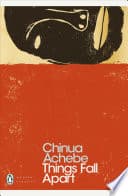
- Things Fall Apart
Chinua Achebe
3.7 (288k) average on GoodreadsHistorical FictionExplores Nigerian culture and the impact of societal change and tradition.
- Nineteen Eighty-Four
George Orwell
4.2 (5.5M) average on GoodreadsFictionWinston Smith dreams of truth and rebellion in a world where Big Brother watches all, but he confronts the terrifying power of a regime that controls not just actions, but thoughts.
- The Frozen River
Ariel Lawhon
4.4 (600k) average on GoodreadsFictionIn 1789 Maine, a heroic midwife's diary helps her expose a murder and get justice in a town that wants to silence her.
- A Man Called Ove
Fredrik Backman
4.4 (569k) average on GoodreadsFictionA stubborn widower, who lives by strict rules, finds his quiet world changed by a lively new family next door, making him face his past and find happiness in human connection.
- The Art of Racing in the Rain
Garth Stein
4.2 (452k) average on GoodreadsFictionThrough the eyes of Enzo, a wise and observant dog, a race car driver's family navigates a journey of love, loss, and resilience, learning that life's most important lessons often come in the curves, not just on the straightaways.
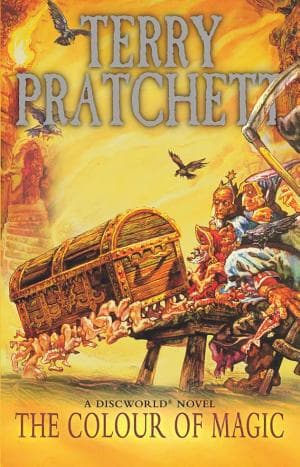
- The Colour of Magic
Terry Pratchett
4.0 (425k) average on GoodreadsFictionOn a discworld hurtling through space on the back of a giant turtle, an inept wizard and his naive, walking-luggage-toting tourist embark on a chaotic, belief-fueled journey to the very edge of their flat planet, encountering dragons that only exist if you believe in them.




Enjoyed the summary?
A summary gives you the shape of the book. The book itself has the detail, the examples and the voice.
Find The Bride Price on AmazonAs an Amazon Associate, BookBrief earns from qualifying purchases. How we're funded