
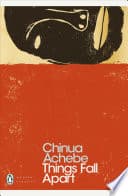
Synopsis
Covers the whole plot, including the ending.
- Difficulty
- Medium
- Pacing
- Moderate
- Mood
- Tragic, Reflective, Thought-provoking, Dark
- Read it if
- You want to understand the devastating impact of colonialism from an African perspective, appreciate a character-driven tragedy, and explore themes of tradition, change, and identity.
- Skip it if
- You prefer lighthearted stories, are uncomfortable with detailed depictions of cultural clash and violence, or dislike tragic endings.
Things Fall Apart Plot Summary
Covers the whole plot, including the ending.
Okonkwo's Early Life and Ambition
The novel introduces Okonkwo, a respected warrior and farmer in the Igbo village of Umuofia, known for his strength and determination. He fears becoming like his effeminate and indebted father, Unoka, who was a gifted flutist but a failure. Okonkwo works hard to build his wealth, starting with nothing and borrowing yam seeds. He marries three wives and builds a large home, becoming a successful and important man. His tough exterior often hides a deep anxiety and difficulty showing softer emotions, especially to his family, like his son Nwoye.
Ikemefuna's Arrival and Influence
A young boy, Ikemefuna, comes to Umuofia from Mbaino village as payment for the murder of an Umuofia woman. He lives in Okonkwo's home, quickly adapting and becoming like an older brother to Nwoye, Okonkwo's oldest son. Ikemefuna is popular, hardworking, and tells interesting stories, which Nwoye enjoys. Okonkwo secretly likes this, seeing Ikemefuna as a good, masculine influence on his son. Okonkwo himself grows fond of Ikemefuna, though he rarely shows it, keeping his stern manner.
The Oracle's Decree and Ikemefuna's Death
After three years, the Oracle of the Hills and Caves says Ikemefuna must be killed. Ogbuefi Ezeudu, an elder, warns Okonkwo not to take part, as Ikemefuna calls him 'father.' Okonkwo, fearing he will seem weak, ignores the advice. As the men walk with Ikemefuna into the forest, he is attacked. When Ikemefuna cries out 'My father, they have killed me!' and runs to Okonkwo for help, Okonkwo, afraid of looking weak, delivers the final, fatal blow with his machete. This deeply affects Nwoye, who knows what happened and feels a great loss and disappointment in his father and his people's traditions.
The Week of Peace and Okonkwo's Temper
During the sacred Week of Peace, when violence is forbidden, Okonkwo's youngest wife, Ojiugo, does not prepare his meal on time. In anger, Okonkwo beats her severely. This act offends the earth goddess, Ani, and the clan's traditions. Ezeani, the priest of the earth goddess, publicly scolds Okonkwo and demands a large sacrifice. Okonkwo complies, but his quick temper and disregard for custom, driven by his fear of weakness, continue to be a destructive part of his character.
Ezeudu's Funeral and Accidental Death
Ogbuefi Ezeudu, one of the oldest and most respected men in Umuofia, dies. During his elaborate funeral, which involves firing guns, Okonkwo's gun accidentally goes off. A piece of metal hits Ezeudu's sixteen-year-old son, killing him. This is a female crime, less severe than intentional murder, but it still means Okonkwo must leave Umuofia for seven years to appease the earth goddess. Okonkwo, his wives, and children flee to his mother's village, Mbanta. Their home is destroyed and their animals killed to cleanse the land.
Exile in Mbanta
Okonkwo and his family arrive in Mbanta, welcomed by his maternal uncle, Uchendu. Despite his relatives' kindness and support, Okonkwo feels deep despair and believes his life is ruined by the exile. He works hard to start new yam farms and rebuild his home, but his spirit is broken, and he loses much of his drive. Uchendu tries to advise him, reminding him of the motherland as a refuge and comfort, but Okonkwo remains bitter about his bad luck and the loss of his status in Umuofia.
Arrival of the Missionaries
During Okonkwo's exile, Christian missionaries arrive in Mbanta. They preach a new religion, challenging the Igbo people's traditional beliefs and gods. The villagers are at first skeptical and amused, but the missionaries gain converts, mostly among the *efulefu* (worthless men) and outcasts, such as the *osu*. Nwoye, disappointed by Ikemefuna's killing and his father's harshness, is drawn to Christianity's poetic language and hopeful message. He eventually converts and leaves his family, further hurting Okonkwo. The missionaries are given a piece of the Evil Forest to build their church, a place believed to hold evil spirits, expecting them to die, but they survive.
Return to Umuofia and Cultural Clash
After seven years, Okonkwo and his family return to Umuofia. He finds his home village greatly changed. The Christian missionaries, led by Mr. Brown, have a strong presence, building a church, a school, and a hospital. Many villagers have converted, including important men, and the colonial government has established its authority with a District Commissioner and court. Okonkwo had hoped for a triumphant return, but instead, he finds a community divided and weakened, where the traditions he valued are fading under the influence of the white man's religion and government.
Clash with the White Man's Authority
Mr. Brown, the first missionary, had been relatively tolerant and tried to understand Igbo culture, building connections through education. However, he falls ill and is replaced by the strict Reverend James Smith. Smith actively discourages any compromise with traditional beliefs and encourages his converts to reject their old ways. This increases tension. Enoch, a zealous convert, commits a great offense by unmasking an *egwugwu* (an ancestral spirit impersonator) during a public ceremony. This deeply offends the clan and leads to a violent conflict.
The Burning of the Church and Arrest
Angry at Enoch's offense, the *egwugwu* and other men of Umuofia burn down the Christian church. The District Commissioner, seeing this as rebellion against colonial authority, calls a meeting with Umuofia's leaders, including Okonkwo. During the meeting, the Commissioner's messengers ambush and arrest the six leaders, humiliating them by shaving their heads and holding them until the village pays a large fine. The men are beaten and starved, further showing the white man's government's power and the clan leaders' helplessness.
The Final Stand and Okonkwo's Despair
After their release, the humiliated leaders meet to decide how to act against the white man. During the meeting, the District Commissioner's messengers arrive, trying to stop the gathering. In a desperate act of defiance, Okonkwo, filled with rage and despair, kills the head messenger with his machete. However, the other villagers do not respond with a unified uprising; instead, they are stunned and let the other messengers escape. Realizing his people will not fight, Okonkwo is broken, seeing his world completely collapse.
Okonkwo's Suicide and the Commissioner's Plan
Overwhelmed by his people's failure to resist and the destruction of all he valued, Okonkwo hangs himself. Suicide is a grave act in Igbo culture, making him an outcast even in death and preventing his clansmen from touching his body. Obierika and other clan members sadly tell the District Commissioner of Okonkwo's death. The Commissioner, seeing Okonkwo's suicide as a minor detail, thinks about how he might include this incident in his planned book, 'The Pacification of the Primitive Tribes of the Lower Niger,' reducing Okonkwo's complex life and tragic end to a mere paragraph.
Things Fall Apart Characters
Okonkwo
Protagonist
A fierce and ambitious warrior who strives to overcome his father's legacy.
Okonkwo is a respected and wealthy warrior of Umuofia, known for his strength, wrestling prowess, and unyielding determination. His entire life is driven by an intense fear of weakness and failure, stemming from the shame he feels for his effeminate and lazy father, Unoka. He is harsh with his family, particularly his son Nwoye, whom he views as weak. Despite his success, he struggles with expressing softer emotions and often acts impulsively in anger, leading to tragic consequences.
Relationships: Unoka (Father; his laziness and effeminacy are Okonkwo's greatest fear.); Nwoye (Eldest son; Okonkwo views him as weak and feminine, causing a deep rift.); Ekwefi (Second wife; one of his wives, mother of Ezinma, with whom he has a complex relationship.); Ezinma (Daughter; his favorite child, whom he wishes were a boy.); Obierika (Best friend and confidant; a wise and thoughtful man who often questions tradition.); Ikemefuna (Adopted son; Okonkwo develops affection for him but ultimately kills him.)
Unoka
Mentioned
Okonkwo's lazy, debt-ridden father, whose legacy fuels Okonkwo's ambition.
Unoka is Okonkwo's father, a character who appears only in flashbacks and memories but whose influence is profound. He was a gifted musician, particularly with the flute, and loved revelry, but he was also lazy, improvident, and deeply in debt. He had no titles and was considered a failure by his community. His effeminacy and lack of ambition are the antithesis of everything Okonkwo strives to be, making him a constant source of shame and a driving force behind Okonkwo's relentless pursuit of success and masculinity.
Relationships: Okonkwo (Father; his perceived failures are the primary catalyst for Okonkwo's ambition.)
Nwoye
Supporting
Okonkwo's eldest son, sensitive and drawn to the missionaries' message.
Nwoye is Okonkwo's eldest son, a sensitive and thoughtful young man who struggles under his father's harsh expectations. He finds his father's constant demands for masculinity and his violent outbursts deeply unsettling, particularly the killing of Ikemefuna. Nwoye is drawn to the poetic stories of his mother and Ikemefuna, and later, to the comforting and inclusive message of Christianity, which offers an alternative to the rigid traditions and violence he associates with his father's world. His conversion to Christianity marks a significant break from his family and ancestral ways.
Relationships: Okonkwo (Father; their relationship is strained by Okonkwo's harshness and Nwoye's sensitivity.); Ikemefuna (Adopted brother; they form a close bond, and Ikemefuna's death deeply traumatizes Nwoye.)
Ikemefuna
Supporting
A young boy from Mbaino who lives with Okonkwo's family and influences Nwoye.
Ikemefuna is a fifteen-year-old boy given to Umuofia by the village of Mbaino as compensation for a murder. He lives with Okonkwo's family for three years, during which he becomes like an older brother to Nwoye and is secretly fond of Okonkwo. He is hardworking, cheerful, and resourceful, and he brings a much-needed sense of joy and storytelling to Okonkwo's compound. His presence briefly softens Okonkwo's stern demeanor, but his eventual ritual sacrifice, at Okonkwo's own hand, is a pivotal and tragic event that deeply impacts Nwoye and foreshadows the unraveling of the traditional world.
Relationships: Okonkwo (Foster father; Okonkwo develops a hidden affection for him.); Nwoye (Foster brother; they form a strong, affectionate bond.)
Obierika
Supporting
Okonkwo's best friend, a thoughtful and questioning voice within the clan.
Obierika is Okonkwo's loyal best friend and a respected man in Umuofia. Unlike Okonkwo, he is more thoughtful, reflective, and open to questioning the rigid traditions of his society. He often serves as a foil to Okonkwo's impulsiveness, expressing doubts about certain customs, such as the killing of Ikemefuna or the harsh treatment of twins. Obierika is a voice of reason and compassion, who supports Okonkwo during his exile and attempts to understand the changes brought by the white man, even as he laments the destruction of his culture.
Relationships: Okonkwo (Best friend; a loyal and supportive friend, despite their differing temperaments.)
Ezinma
Supporting
Okonkwo's favorite daughter, whom he wishes were a boy.
Ezinma is Ekwefi's only surviving child and Okonkwo's favorite. She is intelligent, beautiful, and spirited, possessing a strength and resilience that Okonkwo greatly admires and wishes Nwoye had. He often wishes she had been born a boy, as he sees in her the qualities he values most. Ezinma maintains a close, almost equal, relationship with her father, often being the only one who can gently challenge him. Her survival after many of her siblings died in infancy (believed to be *ogbanje*) makes her particularly special to her mother.
Relationships: Okonkwo (Father; his favorite child, with whom he shares a deep, albeit unspoken, bond.); Ekwefi (Mother; they share an incredibly close bond due to Ekwefi's past losses.)
Mr. Brown
Supporting
The first missionary, who attempts a peaceful approach to conversion.
Mr. Brown is the first white missionary to arrive in Umuofia. Unlike his successor, he is a relatively tolerant and understanding man who takes a conciliatory approach to converting the Igbo people. He makes an effort to learn about their culture, builds a school and a hospital, and encourages dialogue rather than direct confrontation. He understands that a direct attack on their beliefs would be futile and instead focuses on education and gradual assimilation, earning some respect from the clan elders. His approach represents a less aggressive form of colonialism.
Relationships: Akunna (Igbo elder; they engage in respectful theological discussions.)
Reverend James Smith
Antagonist
Mr. Brown's zealous and uncompromising successor.
Reverend James Smith replaces Mr. Brown as the head of the Christian mission in Umuofia. He is a rigid, intolerant, and zealous man who believes in strict adherence to Christian doctrine and views all aspects of Igbo culture as pagan and evil. He actively discourages any compromise or dialogue, instead encouraging his converts to openly denounce their traditional beliefs and provoke conflict. His uncompromising stance directly escalates tensions between the Christian converts and the traditionalists, leading to the burning of the church and subsequent arrests, effectively dismantling any fragile peace Mr. Brown had established.
Relationships: Enoch (Zealous convert; Smith encourages Enoch's extreme actions.)
District Commissioner
Antagonist
The representative of the British colonial government.
The District Commissioner is the embodiment of British colonial authority in Umuofia. He views the Igbo people as primitive and uncivilized, believing it is his duty to 'pacify' and 'civilize' them. He represents the overarching power structure that systematically dismantles Igbo autonomy, imposing British law, courts, and a new form of governance. He is detached, condescending, and lacks any genuine understanding or respect for the complexities of Igbo culture. His final thoughts, planning to include Okonkwo's story as a mere paragraph in his book, underscore the dehumanizing and dismissive nature of colonialism.
Relationships: Okonkwo (Antagonist; he is the ultimate symbol of the invading force that destroys Okonkwo's world.)
Things Fall Apart Themes
Clash of Cultures
The novel shows the crushing effect of the clash between traditional Igbo society and European colonialism and Christianity. This appears with the arrival of missionaries, who bring a new religion, education, and legal system that challenges and ultimately weakens Umuofia's social, political, and spiritual structures. Okonkwo's inability to adapt to these changes, and the clan's divided response, highlights the irreconcilable differences and destructive power imbalance, leading to the loss of Igbo identity and freedom. The different worldviews are clearly contrasted, showing how one culture's 'progress' means another's destruction.
“He knew that Umuofia would not fight. He knew also that the white man would not be deterred by the mere killing of one of his messengers.”
Tragic Hero and Fate
Okonkwo is a tragic hero. His good qualities, like ambition and strength, are tied to his flaws. His constant drive to overcome his father's perceived weakness makes him excessively masculine, impulsive, and unable to show tenderness or adapt. His fear of weakness stops him from listening to warnings (like Ezeudu's about Ikemefuna) and eventually separates him from his community when they do not act together against the colonizers. His personal tragedy connects with his society's larger downfall, as his internal struggles reflect the external forces destroying his world.
“Okonkwo was not a man of thought but of action.”
Tradition vs. Change
This theme explores the tension between following old customs and the need for change. Igbo society, rich in tradition, has its own inconsistencies and harsh practices (e.g., treatment of twins, Ikemefuna's killing) that the missionaries use to their advantage. Characters like Obierika question some traditions, suggesting an ability for internal evolution that colonialism interrupts. Okonkwo's strict adherence to tradition, even when it no longer works or when society moves past it, leads to his isolation and destruction, as he cannot accept the changing world.
“He had already chosen a path for himself, a path of action, of manly behavior, of violence, if necessary.”
Masculinity and Femininity
The novel deeply explores ideas of masculinity and femininity in Igbo society, especially through Okonkwo. His entire life is an attempt to embody extreme masculinity, defined by strength, aggression, and success in farming and warfare, largely in opposition to his effeminate father, Unoka. He fears anything he sees as 'womanly,' making him harsh with his wives and sons, and leading him to help kill Ikemefuna. This rigid view of masculinity blinds him to the strength in tenderness and adaptability, and it contributes to his downfall. The novel subtly critiques the destructive aspects of this patriarchal ideal.
“His whole life was dominated by fear, the fear of failure and of weakness.”
Language and Communication
Language unites and divides in the novel. The rich oral traditions of the Igbo, including proverbs and storytelling, are central to their culture and communication, seen in characters like Unoka and Ikemefuna. However, the missionaries introduce a language and cultural gap. The Igbo first struggle to understand the missionaries' language and ideas, leading to misunderstandings. Conversely, the missionaries' inability or unwillingness to truly understand Igbo language and customs contributes to a breakdown of communication and respect, hindering peaceful coexistence and helping impose colonial power.
“He had never been able to understand how a man could abandon his ancestors. But they had done it. And it was because of men like Okonkwo that the people of Umuofia had been able to defy the white man for so long.”
Plot Devices & Literary Techniques
Proverbs and Folktales
Traditional sayings and stories that convey cultural wisdom and values.
Achebe extensively uses Igbo proverbs and folktales to immerse the reader in the culture and to illustrate the moral and philosophical underpinnings of the society. Proverbs are used by elders to guide conversations, offer advice, or comment on situations, reflecting the collective wisdom of the community. Folktales, like the one about the Tortoise, provide entertainment, teach lessons, and reveal the imaginative and spiritual world of the Igbo. They also highlight the clash of cultures when characters like Nwoye find the Christian stories more compelling than the traditional ones, signaling a shift in cultural values.
Foreshadowing
Hints and clues about future events, often signaling impending doom.
Achebe employs foreshadowing to build a sense of inevitability around Okonkwo's tragic fate and the downfall of his society. Examples include the elder Ogbuefi Ezeudu's warning to Okonkwo not to participate in Ikemefuna's killing, which foreshadows Okonkwo's accidental killing of Ezeudu's son and his subsequent exile. The initial ease with which the white men establish themselves in Mbanta, and the early conversions, foreshadow the eventual overwhelming presence of colonialism in Umuofia. These hints create a sense of impending doom that underscores the tragic nature of the narrative.
Irony
The contrast between expectation and reality, often highlighting tragic outcomes.
Irony is a pervasive device in the novel, often underscoring the tragic nature of events. Okonkwo's greatest fear is to resemble his effeminate father, yet his rigid adherence to hyper-masculinity ultimately leads to his isolation and a death that, by Igbo custom (suicide), renders him an abomination, preventing a proper burial and essentially making him 'worthless' in the eyes of his community – a fate ironically similar to the disrespect his father received. The District Commissioner's intention to title his book 'The Pacification of the Primitive Tribes of the Lower Niger' is deeply ironic, as it dismisses the complex tragedy and destruction of a rich culture as mere 'pacification.'
Symbolism
Objects, characters, or actions that represent deeper meanings.
Various symbols enrich the novel's themes. Yams symbolize wealth, masculinity, and success, reflecting Okonkwo's tireless efforts to build his status. The *egwugwu*, masked ancestral spirits, symbolize the judicial and spiritual authority of the clan, and their unmasking by Enoch represents a profound desecration of traditional power. The Evil Forest, initially a place of dread, becomes a symbol of the missionaries' perceived invincibility and the erosion of traditional beliefs when they build their church there without consequence. These symbols provide layers of meaning to the characters' actions and the societal changes.
Quiz
10 questions on the plot and the characters. Each answer comes with a short explanation.
Question 1
What is the primary reason Okonkwo is exiled from Umuofia for seven years?
- He assaulted his wife during the Week of Peace.
- He accidentally killed a clansman's son during a funeral.
- He burned down the hut of his father, Unoka.
- He defied the Oracle of the Hills and the Caves.
Show answer
B. He accidentally killed a clansman's son during a funeral. Okonkwo accidentally shoots and kills Ezeudu's sixteen-year-old son during Ezeudu's funeral, a 'female' crime that leads to his seven-year exile.
Question 2
Which animal is considered sacred and is not to be killed by the Igbo people in the novel?
- Goat
- Python
- Eagle
- Lion
Show answer
B. Python The python is a sacred animal, and its killing is a grave offense, as demonstrated by the outrage when a convert to Christianity is rumored to have killed one.
Question 3
What crop is a symbol of masculinity and wealth in Igbo society, which Okonkwo works tirelessly to cultivate?
- Cassava
- Maize
- Yam
- Cocoa
Show answer
C. Yam Yams are the 'king of crops' and are central to Igbo culture, symbolizing a man's ability to provide for his family and his status.
Question 4
What is the ultimate fate of Ikemefuna?
- He runs away to another village.
- He is adopted by Okonkwo and becomes his heir.
- He is killed by the elders, with Okonkwo participating in the act.
- He becomes a successful trader in a neighboring clan.
Show answer
C. He is killed by the elders, with Okonkwo participating in the act. Despite his affection for Ikemefuna, Okonkwo participates in his killing, fearing he would be seen as weak if he didn't follow the Oracle's decree.
Question 5
What is the primary motivation behind Okonkwo's relentless drive for success and his fear of weakness?
- To gain power and overthrow the village elders.
- To emulate the success of his maternal uncle, Uchendu.
- To escape the legacy of his effeminate and indebted father, Unoka.
- To impress the British missionaries with his achievements.
Show answer
C. To escape the legacy of his effeminate and indebted father, Unoka. Okonkwo's entire life is a reaction against his father, Unoka, who was lazy, poor, and considered effeminate. Okonkwo strives to be the opposite.
Question 6
Which of Okonkwo's children shows a strong inclination towards Christianity and eventually leaves the family?
- Ezinma
- Nwoye
- Obiageli
- Ikemefuna
Show answer
B. Nwoye Nwoye is drawn to the missionaries' message and eventually converts, causing a deep rift with his father, Okonkwo.
Question 7
Upon returning from exile, what is Okonkwo's biggest frustration regarding his clan's response to the encroaching British colonialists and missionaries?
- Their eagerness to adopt British farming techniques.
- Their passive acceptance and lack of unified resistance.
- Their immediate violent opposition without proper planning.
- Their insistence on trading only with the British.
Show answer
B. Their passive acceptance and lack of unified resistance. Okonkwo is dismayed that his people do not show the same fierce resistance he expects, instead allowing the British to gradually dismantle their traditions.
Question 8
What significant event directly precedes Okonkwo's suicide?
- The District Commissioner orders his arrest.
- He discovers his son Nwoye has become a priest.
- He kills a messenger of the District Commissioner.
- His compound is burned down by the Christian converts.
Show answer
C. He kills a messenger of the District Commissioner. During a meeting to discuss resistance, Okonkwo impulsively kills one of the District Commissioner's messengers, realizing that his clan will not support him in a full-scale rebellion.
Question 9
The title 'Things Fall Apart' primarily refers to the disintegration of what in the novel?
- Okonkwo's personal wealth and status.
- The traditional Igbo societal structure and culture.
- The British colonial administration.
- The relationship between Okonkwo and his wives.
Show answer
B. The traditional Igbo societal structure and culture. The title is a direct reference to Yeats' poem 'The Second Coming' and signifies the collapse of the Igbo way of life due to internal conflicts and external colonial influence.
Question 10
What is the District Commissioner's final thought regarding Okonkwo's story at the very end of the novel?
- He considers it a tragic loss of a great warrior.
- He plans to write a full biography of Okonkwo.
- He decides it would make a 'reasonable paragraph' in his book, 'The Pacification of the Primitive Tribes of the Lower Niger'.
- He regrets his role in Okonkwo's downfall.
Show answer
C. He decides it would make a 'reasonable paragraph' in his book, 'The Pacification of the Primitive Tribes of the Lower Niger'. The District Commissioner's dismissive thought highlights the colonial perspective that reduces complex African lives and cultures to mere footnotes in their own narratives of 'pacification'.
Things Fall Apart FAQ
What is the central conflict of 'Things Fall Apart'?
The central conflict revolves around Okonkwo's struggle to maintain his status and the traditions of Umuofia against the encroaching influence of European colonialism and Christianity. His personal ambition and fear of weakness clash with the inevitable changes brought by the missionaries and colonial administration, leading to the disintegration of his world and his community's way of life.
Who is Okonkwo, and what drives him?
Okonkwo is a respected warrior and farmer in Umuofia, driven by an intense desire to overcome the legacy of his effeminate, lazy father, Unoka. He strives for manliness, wealth, and status, fearing anything that resembles weakness or failure, which often manifests in his harsh treatment of his family and his rigid adherence to tradition.
What is the significance of Okonkwo's exile?
Okonkwo's seven-year exile to Mbanta, his motherland, for accidentally killing Ezeudu's son, serves as a crucial period where he loses significant influence and wealth. During this time, the white missionaries establish a stronger foothold in Umuofia, making his return to a radically altered village even more disorienting and frustrating for him.
How do the missionaries gain influence in Umuofia?
The missionaries gain influence by offering an alternative to the traditional Igbo religion, attracting osu (outcasts) and those marginalized by society, like Nwoye. They also establish schools and hospitals, providing tangible benefits that appeal to some villagers, while simultaneously undermining traditional authority and beliefs.
What ultimately leads to Okonkwo's tragic end?
Okonkwo's tragic end is a culmination of his inability to adapt to change, his profound fear of weakness, and the overwhelming power of the colonial administration. His final act of killing the District Commissioner's messenger is a desperate, solitary rebellion that fails to rouse his people to action, leaving him isolated and leading to his suicide.
How does the character of Nwoye reflect the generational conflict?
Nwoye, Okonkwo's eldest son, represents the younger generation's disillusionment with certain aspects of traditional Igbo society, such as the abandonment of twins or the strictures of the patriarchy. His conversion to Christianity highlights the growing chasm between traditional values and the allure of the new religion, deeply wounding Okonkwo.
What role does Ikemefuna play in Okonkwo's development?
Ikemefuna, a boy taken from Mbaino as compensation, becomes like a beloved son to Okonkwo, who secretly adores him. His forced execution, which Okonkwo participates in, is a pivotal moment that deeply traumatizes Nwoye and foreshadows Okonkwo's later emotional struggles and his inability to reconcile his affection with his rigid adherence to custom.
What is the significance of the title 'Things Fall Apart'?
The title is taken from W.B. Yeats' poem 'The Second Coming,' reflecting the disintegration of traditional Igbo society and culture under colonial rule. It signifies the breakdown of social order, religious beliefs, and individual lives, particularly Okonkwo's, as his world crumbles around him.
How does Achebe use proverbs and folktales in the novel?
Achebe masterfully integrates Igbo proverbs and folktales to provide insight into the characters' thoughts, cultural values, and the wisdom of the community. They serve as a narrative device to immerse the reader in the Igbo worldview and to highlight the richness of their oral tradition, which is threatened by colonialism.
How does Okonkwo's fear of effeminacy shape his actions?
Okonkwo's profound fear of being perceived as effeminate, stemming from his father Unoka's reputation, drives many of his harsh and often violent actions. He overcompensates by being overly masculine, which leads him to beat his wives, reject Nwoye's more sensitive nature, and participate in Ikemefuna's killing, ultimately isolating him from those he loves.
Discuss the psychological impact of colonialism on the Igbo people.
Colonialism inflicts deep psychological damage by undermining traditional beliefs, social structures, and individual identities. The imposition of a foreign religion and legal system creates confusion, division, and a sense of powerlessness, leading to a loss of agency and cultural pride among many Igbo people.
How does Okonkwo's pride contribute to his downfall?
Okonkwo's immense pride in his achievements and his culture, while initially a source of strength, becomes a fatal flaw when faced with change. His inability to compromise or accept the new order, coupled with his rigid adherence to traditional masculine ideals, prevents him from adapting, leading to his isolation and ultimate destruction.
What psychological pressures lead to Okonkwo's suicide?
Okonkwo's suicide is a result of overwhelming despair and the complete collapse of his world. He feels utterly defeated and dishonored after the Umuofia men fail to rally against the colonialists, recognizing that his people's spirit is broken. The shame of his impotence and the realization that his fight is futile drives him to take his own life.
Is Okonkwo a tragic hero, and if so, what is his tragic flaw?
Yes, Okonkwo can be seen as a tragic hero. His tragic flaw is his unyielding pride (hubris) and his fear of weakness, which prevents him from adapting to changing circumstances and from expressing empathy. This flaw, combined with external forces of colonialism, leads to his downfall and death.
How does Achebe challenge Western portrayals of Africa?
Achebe challenges Western portrayals by presenting a nuanced, complex, and vibrant Igbo society with its own sophisticated customs, laws, and religion, directly refuting the colonial narrative of Africa as 'primitive' or 'savage.' He gives voice to the African perspective, showing the devastating impact of colonialism from within.
To what extent is Okonkwo responsible for his own fate versus being a victim of circumstance?
Okonkwo's fate is a complex interplay of personal flaws and external circumstances. While his rigid personality and fear of weakness contribute to his inability to adapt, the overwhelming force of colonialism and the disintegration of his society are external pressures he cannot overcome. He is both a product of his choices and a victim of historical change.
What is the significance of the District Commissioner's final thoughts about writing a book?
The District Commissioner's intention to write a chapter on Okonkwo, titled 'The Pacification of the Primitive Tribes of the Lower Niger,' highlights the colonial mentality of dehumanization and simplification. It underscores how the rich, complex history of a people is reduced to a mere footnote in a biased, self-serving narrative, further emphasizing the tragedy of the Igbo experience.
How does the novel explore the theme of masculinity?
The novel deeply explores the theme of masculinity through Okonkwo's relentless pursuit of it, contrasting it with his father's perceived effeminacy and Nwoye's more sensitive nature. It questions the destructive aspects of rigid masculinity, showing how Okonkwo's obsession with strength and control ultimately leads to his isolation and destruction.
About the author

Chinua Achebe was a Nigerian novelist, poet, and critic who is regarded as a central figure of modern African literature. His first novel and magnum opus, Things Fall Apart (1958), occupies a pivotal place in African literature and remains the most widely studied, translated, and read African novel. Along with Things Fall Apart, his No Longer at Ease (1960) and Arrow of God (1964) complete the "African Trilogy". Later novels include A Man of the People (1966) and Anthills of the Savannah (1987). In the West, Achebe is often referred to as the "father of African literature", although he vigorously rejected the characterization.
Similar books
- Half of a Yellow Sun
Chimamanda Ngozi Adichie
4.3 (103k) average on GoodreadsLiterary FictionExplores the impact of colonialism and post-colonial conflict in Nigeria through individual lives.
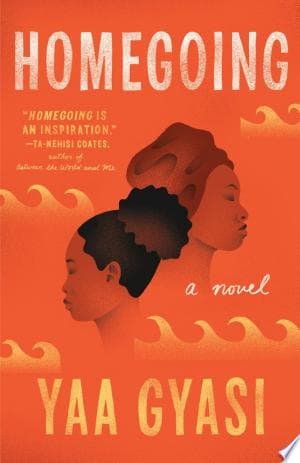
- Homegoing
Yaa Gyasi
4.4 (175k) average on GoodreadsLiterary FictionTraces the legacy of colonialism and slavery through generations of a Ghanaian family.
- Heart of Darkness
Joseph Conrad
3.4 (415k) average on GoodreadsHistorical Fiction"Things Fall Apart" serves as a direct counter-narrative to Conrad's "Heart of Darkness." While Conrad presents Africa as a 'dark continent' and Africans as 'savages' through the eyes of European colonizers, Achebe meticulously details the sophisticated social, political, and religious structures of Igbo society before the arrival of Europeans. Achebe essentially 'writes back' to Conrad, debunking the myth of the 'primitive' and highlighting the devastating cultural and psychological impact of colonialism from an African perspective, rather than focusing on the psychological decay of a European colonizer.
- To Kill a Mockingbird
Harper Lee
4.3 (4.5M) average on GoodreadsHistorical FictionIn the 1930s Jim Crow South, Harper Lee writes about racial injustice, moral growth, and the quiet courage of a lawyer father, Atticus Finch, as seen through his young daughter's eyes.
- The Great Gatsby
F. Scott Fitzgerald
3.9 (3.8M) average on GoodreadsHistorical FictionIn the opulent Roaring Twenties, a mysterious millionaire's lavish parties hide his desperate, tragic pursuit of a lost love, exposing the emptiness within the American Dream.
- Pride and Prejudice
Jane Austen
4.3 (3M) average on GoodreadsHistorical FictionIn a society focused on status and money, Elizabeth Bennet navigates love and pride, challenging Mr. Darcy and social expectations to find true affection.





Enjoyed the summary?
A summary gives you the shape of the book. The book itself has the detail, the examples and the voice.
Find Things Fall Apart on AmazonAs an Amazon Associate, BookBrief earns from qualifying purchases. How we're funded