

Synopsis
Covers the whole plot, including the ending.
- Difficulty
- Medium
- Pacing
- Fast
- Mood
- Hilarious, Chaotic, Lighthearted, Witty
- Read it if
- You love classic farcical comedies, plays with mistaken identities, and witty wordplay.
- Skip it if
- You dislike plays, prefer serious drama, or find slapstick humor tiresome.
The Comedy of Errors Plot Summary
Covers the whole plot, including the ending.
A Merchant's Sorrowful Tale
Egeon, an old merchant from Syracuse, is brought before Solinus, the Duke of Ephesus, after being caught for entering the city illegally. Ephesian law says that any Syracusan in Ephesus must pay a thousand marks or die. Egeon tells his sad story: years ago, he and his wife, Emilia, had twin sons, both named Antipholus, and bought twin servants, both named Dromio. During a shipwreck, the family was split up. Egeon, one Antipholus, and one Dromio were saved by one ship, and Emilia with the other twins by another. Egeon has spent years looking for his lost family, which brought him to Ephesus, unaware that his lost son and servant live there. Duke Solinus, moved by the story, gives Egeon one day to find the ransom.
Arrival in Ephesus and First Confusion
Antipholus of Syracuse (Antipholus S.) and his servant Dromio of Syracuse (Dromio S.) arrive in Ephesus, not knowing about their twin counterparts. Antipholus S. sends Dromio S. to the Centaur inn with his money and instructions to wait. Soon after, Dromio of Ephesus (Dromio E.), the twin servant of Antipholus of Ephesus (Antipholus E.), approaches Antipholus S., mistaking him for his master. Dromio E. scolds Antipholus S. for being late for dinner, saying his wife, Adriana, is angry. Antipholus S. is very confused, thinking Dromio E. is his own Dromio but acting strangely. He beats Dromio E. for being rude and sends him away, making the misunderstanding worse.
Adriana's Frustration and a Dinner Invitation
Adriana, wife of Antipholus E., and her sister Luciana, wait for Antipholus E. to come home for dinner. Dromio E. returns, telling Adriana that his master (Antipholus S.) beat him and said he didn't know his own wife or house. Adriana, believing her husband is cheating or has gone mad, confronts Antipholus S. in the street, mistaking him for her husband. Despite Antipholus S.'s strong denials and confusion, Adriana insists he come home for dinner. Luciana tries to help, but Adriana's jealous accusations take over. Antipholus S., confused but a little interested in Luciana, reluctantly agrees to go to Adriana's house for dinner, seeing no other way to escape the accusations.
Locked Out and a Gold Chain
Meanwhile, the real Antipholus E. and Dromio E. return to their house, only to find the doors locked. Dromio S., following Antipholus S.'s earlier orders, is inside, thinking he is guarding his master's things. From inside, Dromio S. exchanges insults and denials with Antipholus E. and Dromio E., who are angry about being locked out of their own home. Antipholus E., furious at what he thinks is his wife's disloyalty and Dromio's rudeness, decides to eat elsewhere and seek comfort from a courtesan. Before leaving, he tells Angelo, a goldsmith, to make a gold chain for Adriana. Unknown to him, Antipholus S. has already told Angelo he would pick up a similar chain.
The Courtesan and the Chain
After being locked out, Antipholus E. goes to eat with a courtesan. At the same time, Angelo the goldsmith approaches Antipholus S., mistaking him for Antipholus E., and gives him the gold chain. Antipholus S., completely confused but seeing no reason to refuse, takes the chain, promising to pay later. Angelo leaves, expecting payment from the man he thinks is his regular client. This exchange leads to more confusion, as the chain becomes a key object in the growing series of mistaken identities and money disputes.
Financial Demands and Arrest
Later, Angelo meets Antipholus E. and demands payment for the gold chain. Antipholus E., who never received the chain, denies knowing anything about it and refuses to pay. Angelo, sure he gave the chain to Antipholus E. earlier, is angry and calls for an officer to arrest Antipholus E. for debt. Antipholus E. is taken into custody, unable to understand the strange turn of events, believing he is being unfairly treated. This arrest further complicates the plot, adding legal problems to the domestic and personal confusion.
Dromio's Errands and Confusion
Antipholus E., now under arrest, sends Dromio E. to Adriana to get money for bail. Meanwhile, Antipholus S., having the chain, is still at Adriana's house, where he also needs money. He sends Dromio S. to get money from his own purse. The two Dromios inevitably meet, causing more funny confusion and mistaken identities. Each Dromio thinks the other is their own twin, leading to a humorous exchange of insults and claims of madness, further confusing their already bewildered masters.
The Exorcist and a Rope's End
Adriana, convinced her husband (Antipholus E.) has gone mad because of his strange behavior and denial of their marriage, sends for Doctor Pinch, a local exorcist. Antipholus E., having escaped custody with the help of Dromio E. (who brought the wrong money), gets even angrier when Pinch tries to 'cure' him. Dromio E., meanwhile, is sent by Adriana to get a rope to beat Antipholus E. with, to try and drive out his supposed madness. The scene becomes slapstick as Antipholus E. and Dromio E. are tied up and beaten.
Flight to the Abbey
After many beatings, accusations, and near-arrests, Antipholus S. and Dromio S. are chased by Adriana, Luciana, Doctor Pinch, and a group of officers, all thinking they are the mad Antipholus E. and Dromio E. Fearing for their lives and sanity, Antipholus S. and Dromio S. run into a nearby abbey, seeking safety from the perceived madness of the Ephesians. The Abbess, Emilia, gives them refuge, promising to protect them from their pursuers, increasing the drama and setting the stage for the climax.
The Duke's Arrival and Egeon's Plea
Duke Solinus arrives in the public square, with his attendants, to oversee Egeon's execution. Egeon, still unable to raise the ransom, makes a final plea for his life, telling his sad story again. As the Duke prepares to carry out the sentence, the chaotic events involving the twins come together around the abbey. This moment brings all the main characters and plot lines together, preparing for the big revelation and solution to the play's central mystery.
The Grand Denouement at the Abbey
As Egeon faces execution, Adriana, Luciana, Angelo, the Courtesan, and others arrive at the abbey, each with complaints against Antipholus E. or S. The Abbess, Emilia, comes out with Antipholus S. and Dromio S. The two sets of twins finally meet, leading to a moment of shocked recognition. Egeon recognizes his long-lost son, Antipholus S., and the Abbess reveals herself to be Emilia, Egeon's wife and the twins' mother. All the confusions and mistaken identities are resolved, and the family is happily reunited.
Reunion and Forgiveness
With the twins' identities finally clear, all the misunderstandings, accusations, and arrests are resolved. Adriana apologizes for her jealousy, Angelo for his mistaken demands, and the Courtesan for her pursuit. Egeon is pardoned by Duke Solinus, and the entire family is reunited, overcoming the separation and chaos of the past. The play ends with a happy celebration of family, forgiveness, and the return of order, as the two sets of twins, once separated, accept their newly found connections.
The Comedy of Errors Characters
Antipholus of Syracuse
Protagonist
The lost twin from Syracuse, seeking his family.
Antipholus S. is a melancholic and reflective young man, initially bewildered by the strange events in Ephesus. He is earnest and somewhat philosophical, driven by a desire to find his lost mother and brother. He is easily confused but tries to remain rational amidst the chaos, often attributing the bizarre occurrences to witchcraft or enchantment. He is attracted to Luciana, despite believing she is his brother's sister-in-law, adding a layer of romantic confusion to his plight.
Relationships: Egeon (Father); Emilia (Mother); Antipholus of Ephesus (Twin brother, initially unknown); Dromio of Syracuse (Loyal servant, twin to Dromio E.); Luciana (Love interest)
Antipholus of Ephesus
Protagonist
The established twin in Ephesus, victim of mistaken identity.
Antipholus E. is a respected and prominent citizen of Ephesus, but also prone to fits of temper and jealousy. He is initially portrayed as a somewhat irritable husband, frustrated by his wife Adriana's possessiveness. As the play progresses, he becomes increasingly enraged and bewildered by the constant accusations and denials, believing everyone around him has gone mad or is conspiring against him. His frustration and confusion drive much of the play's farcical action, leading to his arrest and public humiliation.
Relationships: Egeon (Father); Emilia (Mother); Antipholus of Syracuse (Twin brother, initially unknown); Dromio of Ephesus (Loyal servant, twin to Dromio S.); Adriana (Wife); Luciana (Sister-in-law); Courtesan (Mistress)
Dromio of Syracuse
Supporting
The loyal, quick-witted servant of Antipholus S.
Dromio S. is a quick-witted and humorous servant, known for his puns and wordplay. He is loyal to Antipholus S. but often confused and exasperated by the strange demands and beatings he receives, believing his master has gone mad. He is a source of much comic relief, often providing witty commentary on the absurd situations he finds himself in. His encounters with Dromio E. are particularly farcical, highlighting the extreme physical resemblance that causes so much trouble.
Relationships: Antipholus of Syracuse (Master); Dromio of Ephesus (Twin brother, initially unknown)
Dromio of Ephesus
Supporting
The long-suffering servant of Antipholus E.
Dromio E. is the long-suffering and often beaten servant of Antipholus E. He is less philosophical than his twin, more grounded in the everyday realities of his master's demands and his own physical discomfort. He endures numerous beatings and scoldings from both Antipholus E. and Antipholus S., constantly bewildered by the accusations and the bizarre behavior of those around him. He is a victim of circumstance, his life made miserable by the existence of his identical twin.
Relationships: Antipholus of Ephesus (Master); Dromio of Syracuse (Twin brother, initially unknown)
Adriana
Supporting
The jealous and outspoken wife of Antipholus E.
Adriana is the wife of Antipholus E., characterized by her strong will, possessiveness, and fiery temper. She is deeply in love with her husband but also intensely jealous and prone to public outbursts. Her mistaken belief that Antipholus S. is her husband, and that he is being unfaithful or has gone mad, drives much of the play's action and her own distress. She embodies the domestic chaos caused by the mistaken identities and the societal expectations placed upon wives.
Relationships: Antipholus of Ephesus (Husband); Luciana (Sister)
Luciana
Supporting
Adriana's gentle and virtuous sister.
Luciana is Adriana's more gentle, virtuous, and patient sister. She attempts to be a voice of reason amidst her sister's emotional outbursts and the growing confusion. She is initially confused by Antipholus S.'s advances, believing him to be her brother-in-law, but is also intrigued by his charm. Her character provides a contrast to Adriana's fiery nature and offers a more measured perspective on the unfolding events, embodying ideal feminine virtue in the play.
Relationships: Adriana (Sister); Antipholus of Syracuse (Love interest)
Egeon
Supporting
The patriarch from Syracuse, searching for his lost family.
Egeon is an old and sorrowful merchant from Syracuse, facing execution in Ephesus for defying a travel ban. He is the father of the twin Antipholuses and the husband of Emilia. His opening monologue, recounting the tragic separation of his family, sets the stage for the entire play's premise. He is a sympathetic figure, driven by paternal love and a desperate hope of finding his lost family before his own death. His narrative provides the backstory and emotional core of the play.
Relationships: Emilia (Wife); Antipholus of Syracuse (Son); Antipholus of Ephesus (Son)
Emilia (Abbess)
Supporting
The long-lost mother and Abbess of Ephesus.
Emilia is the long-lost wife of Egeon and mother of the twin Antipholuses. She was separated from her family during the shipwreck and, believing them all lost, became the Abbess of a monastery in Ephesus. She is a wise and compassionate figure, providing sanctuary to Antipholus S. and Dromio S. at the play's climax. Her revelation as the Abbess brings about the ultimate resolution of the plot, reuniting the entire family and providing a sense of divine intervention or fate.
Relationships: Egeon (Husband); Antipholus of Syracuse (Son); Antipholus of Ephesus (Son)
Angelo
Supporting
A goldsmith caught in the twin's confusion.
Angelo is the goldsmith who creates the gold chain for Antipholus E. He becomes a key figure in the escalating financial disputes, as he delivers the chain to Antipholus S. (mistaking him for Antipholus E.) and then demands payment from the true Antipholus E., leading to the latter's arrest. He is an honest businessman, but his confusion over the twins' identities makes him an unwitting participant in the farce, contributing to the legal and financial chaos.
Relationships: Antipholus of Ephesus (Client); Antipholus of Syracuse (Mistaken client)
The Comedy of Errors Themes
Mistaken Identity
The play's main theme, caused by two sets of identical twins separated at birth. Every major plot point, from Adriana's jealousy to Antipholus E.'s arrest, comes directly from characters mistaking one twin for the other. The play explores the humor of this confusion, showing how easily appearances can trick people and the absurd situations that happen when relationships and social order are based on wrong ideas. The constant misidentification of the Antipholuses and Dromios creates a world where reality seems to bend, making characters question their own sanity and what is true, until the final reveal.
“I think you are my glass, and not my brother: / I see by you I am a senseless man.”
The Nature of Identity
Beyond just mistaken identity, the play looks at what makes up a person's identity. Characters like Antipholus E. and Dromio E. are repeatedly denied their own names, homes, and relationships, making them question who they truly are. Adriana's struggle to identify her husband, and Luciana's confusion about Antipholus S.'s advances, show how identity is often linked to social roles and how others see us. The play suggests that identity is not just an inner feeling but is also shaped by outside interactions and how society views us. The ending, where each twin is finally recognized, confirms how important individual recognition is for a clear sense of self.
“Am I in earth, in heaven, or in hell? / Sleeping or waking? mad or well-advised?”
Order vs. Chaos
The play clearly shows the contrast between initial order and the growing chaos that takes over Ephesus. Egeon's first problem introduces a strict legal order, but this is quickly disrupted by the arrival of the Syracusan twins, throwing the city into confusion. The domestic order of Antipholus E.'s home is broken by Adriana's jealousy and the perceived madness of her husband and servant. The whole city seems to fall into a state where logic fails and violence (beatings, arrests) becomes common. The play's ending, with the family reunion, means order is restored, both personally and socially, suggesting that chaos is a temporary, though entertaining, disruption.
“This town is full of cozenage, / As, nimble jugglers that deceive the eye, / Dark-working sorcerers that change the mind, / Soul-killing witches that transform the body...”
Love and Jealousy
The theme of love is explored through the relationships between Adriana and Antipholus E., and the new attraction between Luciana and Antipholus S. Adriana's love for her husband is strong, but it is damaged by extreme jealousy and possessiveness, made worse by the mistaken identity plot. Her accusations of cheating, though based on error, show the destructive power of unchecked jealousy. In contrast, Luciana's gentler and more virtuous approach to love offers a different view. The play ultimately resolves these romantic conflicts by clarifying identities, suggesting that true love can grow once misunderstandings and suspicions are gone.
“A man is master of his liberty; / Time is their master, and when they see time, / They'll go or come: if so, be patient, sister.”
Plot Devices & Literary Techniques
The Identical Twins
Two sets of indistinguishable twins as the primary source of conflict.
The core plot device is the existence of two sets of identical twins: Antipholus of Syracuse and Antipholus of Ephesus, and their respective servants, Dromio of Syracuse and Dromio of Ephesus. Their physical indistinguishability drives virtually every comedic misunderstanding, mistaken identity, and farcical situation in the play. Without this device, the plot would not exist. It creates a fertile ground for both physical comedy and verbal wit, as characters struggle to reconcile what they see with what they believe to be true, pushing the boundaries of logical coherence.
The Long-Lost Family
The backstory of separation and the eventual reunion.
This device establishes the initial tragic premise of Egeon's tale and provides the ultimate resolution. The separation of the family by shipwreck and their subsequent twenty-five-year search creates a powerful emotional undercurrent beneath the farce. It gives purpose to Antipholus S.'s journey to Ephesus and provides the dramatic stakes for Egeon's life. The eventual reunion at the abbey brings a sense of closure, transforming the chaotic comedy into a heartwarming tale of familial restoration, fulfilling the dramatic promise set up in the play's opening scene.
The Gold Chain
A physical object that becomes a symbol of confusion and debt.
The gold chain serves as a tangible prop that embodies the escalating confusion and financial entanglement. Ordered by Antipholus E. for Adriana, it is mistakenly delivered to Antipholus S. This leads to Angelo demanding payment from the wrong Antipholus, resulting in Antipholus E.'s arrest for debt. The chain is not just an object; it's a catalyst that pushes the plot forward, creating concrete consequences for the abstract errors of identity. It adds a layer of economic and legal conflict to the personal and domestic misunderstandings.
The Sanctuary of the Abbey
A place of refuge that facilitates the final revelation.
The abbey functions as a crucial plot device by providing a safe haven for Antipholus S. and Dromio S. when they are being pursued by the enraged Ephesians. More importantly, it is the location where all the main characters converge in the final act, including Duke Solinus and Egeon. The Abbess, Emilia, holding the twins within, controls the timing of the grand reveal, allowing for a dramatic and satisfying resolution. It creates a focal point for the unraveling of the entire mystery and the ultimate family reunion.
The Comedy of Errors Quotes
“I to the world am like a drop of water that in the ocean seeks another drop.”
“We came into the world like brother and brother; And now at length, like brother and brother, We live and laugh.”
“There's not a man I meet but doth salute me as if I were his well-acquainted friend.”
“Sure, sir, I live here in the city; and have done these twenty years.”
“If you are merry, then I am so too.”
“A man may break a word with you, sir, and not break his own neck.”
“The one, I think, is in the right, the other in the wrong: but in this place I cannot tell right from wrong.”
“Why, what an intricate impeach is this! I think you all have drunk of Circe's cup.”
“Sweet recreation barred, what doth ensue but moody and dull melancholy, kinsman to grim and comfortless despair?”
“Small curs are not regarded when they grin; But great men tremble when the lion roars.”
“Methinks you are my glass, and not my brother: I see by you I am a senseless man.”
“I am an ass, I am a very dog.”
“After so long grief, such festivity!”
“He that his wife expects, must hold his house, and make a bond of love to dwell therein.”
“The capon burns, the pig falls from the spit, the clock hath strucken twelve upon the bell.”
Quiz
10 questions on the plot and the characters. Each answer comes with a short explanation.
Question 1
Which two cities are central to the plot of 'The Comedy of Errors'?
- Athens and Sparta
- Syracuse and Ephesus
- Verona and Padua
- Rome and Carthage
Show answer
B. Syracuse and Ephesus The play's action primarily unfolds between the Antipholus and Dromio from Syracuse visiting their long-lost twins in Ephesus.
Question 2
How many sets of identical twins are separated at birth in 'The Comedy of Errors'?
- One set
- Two sets
- Three sets
- Four sets
Show answer
B. Two sets There are two sets of twins: the masters (Antipholus of Syracuse and Antipholus of Ephesus) and their servants (Dromio of Syracuse and Dromio of Ephesus).
Question 3
What is the primary cause of the 'errors' and confusion in the play?
- A magical curse on the city
- Deliberate deception by a trickster
- Mistaken identity due to identical twins
- A widespread misunderstanding of the local language
Show answer
C. Mistaken identity due to identical twins The entire comedic premise of the play revolves around the confusion caused by two sets of identical twins encountering each other after a long separation.
Question 4
What are the names shared by the two masters in the play?
- Dromio
- Aegeon
- Antipholus
- Solinus
Show answer
C. Antipholus Both twin masters are named Antipholus, one from Syracuse and one from Ephesus.
Question 5
Which of Shakespeare's dramatic efforts is 'The Comedy of Errors' considered to be?
- One of his final tragedies
- A historical drama from his middle period
- One of his earliest dramatic efforts
- A collaborative work from his mature period
Show answer
C. One of his earliest dramatic efforts The provided text states that it is 'one of Shakespeare's earliest dramatic efforts'.
Question 6
What is a key characteristic of Shakespeare's writing, present in 'The Comedy of Errors', as mentioned in the description?
- Extensive use of iambic pentameter only for serious monologues
- A focus on realistic dialogue without embellishment
- Trademark conceits, puns, and other forms of fanciful wordplay
- Strict adherence to classical unities of time, place, and action
Show answer
C. Trademark conceits, puns, and other forms of fanciful wordplay The description highlights the play's abundance in 'trademark conceits, puns, and other forms of fanciful wordplay'.
Question 7
What specific type of dramatic genre does 'The Comedy of Errors' primarily represent?
- Tragedy
- Historical chronicle
- Romance
- Farce
Show answer
D. Farce The text explicitly describes the play as presenting 'a spectacle of pure farce'.
Question 8
The plot of 'The Comedy of Errors' is based on a pair of comic dramas from which ancient civilization?
- Ancient Greece
- Ancient Rome
- Ancient Egypt
- Ancient Persia
Show answer
B. Ancient Rome The description states the play is 'based on a pair of comic dramas from ancient Rome'.
Question 9
According to the description, what does 'The Comedy of Errors' foreshadow regarding Shakespeare's development?
- His later and greatest tragedies
- His shift to writing historical plays exclusively
- His later and greatest comedies
- His eventual abandonment of dramatic writing for poetry
Show answer
C. His later and greatest comedies The text notes that it 'also foreshadows his later and greatest comedies, offering students and scholars a valuable key to the playwright's development'.
Question 10
Besides the two sets of twins, what other plot element initiates the separation and ultimately the confusion?
- A royal decree banishing one family
- A financial dispute leading to forced relocation
- A storm at sea separating the family
- A deliberate scheme by a jealous rival
Show answer
C. A storm at sea separating the family The twins are 'separated at birth by a storm at sea', which sets the stage for the entire plot.
The Comedy of Errors FAQ
What is the central premise of 'The Comedy of Errors'?
The play revolves around two sets of identical twins, both masters named Antipholus and both servants named Dromio, who were separated at birth during a shipwreck. Years later, the Syracusan Antipholus and Dromio arrive in Ephesus, unknowingly the home of their long-lost twins, leading to a cascade of mistaken identity and farcical misunderstandings.
Who are the main characters, and how are they distinguished?
The main characters are Antipholus of Ephesus and Antipholus of Syracuse, and their respective servants, Dromio of Ephesus and Dromio of Syracuse. They are identical in appearance, and the play's humor stems from others' inability to distinguish them, leading to confusion about their identities and actions.
What happens when Antipholus of Syracuse first arrives in Ephesus?
Upon arriving in Ephesus, Antipholus of Syracuse is immediately mistaken for his Ephesian twin. He is invited to dinner by Adriana, Antipholus of Ephesus's wife, and later receives a gold chain meant for his brother, initiating the play's central chain of errors.
How does the confusion escalate for Dromio of Syracuse?
Dromio of Syracuse experiences similar confusion, being beaten and berated for things his twin, Dromio of Ephesus, has done or failed to do. He is sent on errands by the wrong master and is often caught between the demands of both Antipholuses, leading to his bewilderment and physical abuse.
What is the role of Egeon in the story?
Egeon is the father of the Antipholus twins and the Dromio twins, who were separated from him and his wife, Aemilia, during the same shipwreck. He arrives in Ephesus searching for his family, but is condemned to death for violating Ephesian law, setting up the dramatic tension for the play's resolution.
How does the gold chain serve as a recurring plot device?
The gold chain, initially ordered by Antipholus of Ephesus for Adriana, becomes a central object of confusion. It is given to Antipholus of Syracuse by Angelo, leading to Antipholus of Ephesus's anger when he doesn't receive it, and eventually contributes to the arrest of Antipholus of Ephesus, deepening the chaos.
What is the significance of the courtesan and Dr. Pinch?
The courtesan, initially a mistress of Antipholus of Ephesus, further complicates matters by demanding a ring from Antipholus of Syracuse, whom she mistakes for her lover. Dr. Pinch, a 'conjurer' or 'exorcist,' is called by Adriana to cure Antipholus of Ephesus, believing him to be mad, which only adds to the farcical misunderstanding and physical restraint.
Are there any subtle clues given to the audience that help distinguish the twins, even if the characters cannot?
Shakespeare primarily relies on the characters' confusion, but the audience can often distinguish the twins through context and their interactions with other characters. For instance, the Syracusan twins express their bewilderment at events, while the Ephesian twins are often frustrated by others' sudden changes in behavior, providing a subtle differentiation through their reactions.
How does the play explore the concept of identity?
The play profoundly explores identity by stripping characters of their individuality through mistaken identity. Antipholus of Syracuse questions his own sanity and existence, while Adriana struggles with her husband's perceived infidelity and madness, highlighting how external perceptions can profoundly challenge one's sense of self.
What psychological impact does the constant confusion have on Antipholus of Syracuse?
Antipholus of Syracuse experiences profound psychological distress, believing he is either going mad, dreaming, or has entered a world of witchcraft. His initial bewilderment turns to fear and paranoia as he is repeatedly accosted by strangers who claim to know him, threatening his grip on reality.
How does Adriana's psychological state evolve throughout the play?
Adriana's psychological state shifts from loving concern for her husband's supposed infidelity to frustrated anger, then to a desperate belief in his madness. Her inability to discern which Antipholus is her husband leads her to intense emotional turmoil and public accusations, reflecting the stress of her predicament.
In what ways do the Dromios reflect psychological resilience or despair?
The Dromios, particularly Dromio of Syracuse, display a mix of bewildered despair and comic resilience. Despite repeated beatings and verbal abuse for actions they didn't commit, they often resort to witty banter and wordplay, using humor as a coping mechanism for their absurd and confusing reality.
Is there a deeper meaning to the 'errors' beyond simple farce?
Beyond simple farce, the 'errors' can be interpreted as a commentary on the fragility of human perception and the importance of self-knowledge. The play suggests that identity is not solely internal but is also shaped by external recognition and social interactions, making the disruption of these interactions profoundly unsettling.
How does the play's resolution comment on the nature of family and reconciliation?
The play culminates in a grand reunion at the Abbey, where Aemilia, the Abbess, reveals her identity, and both sets of twins are finally reunited with their parents and each other. This resolution emphasizes the enduring bonds of family and the ultimate restoration of order and harmony through recognition and forgiveness.
What is the significance of the setting, Ephesus, being known for sorcery and witchcraft?
Ephesus's reputation for sorcery and witchcraft amplifies the characters' confusion and fear, particularly for the Syracusan twins. It provides a plausible, albeit erroneous, explanation for the strange events they encounter, fueling their belief that they are under a magical spell rather than simply victims of mistaken identity.
Could the play be seen as a critique of societal judgment and reputation?
Yes, the play critiques societal judgment as characters are constantly judged based on perceived actions rather than actual intent. Antipholus of Ephesus's reputation as a reliable citizen is tarnished by his twin's unintentional transgressions, highlighting how easily a person's standing can be undermined by external factors and misinterpretations.
How does the play foreshadow Shakespeare's later, more complex comedies?
'The Comedy of Errors' foreshadows later comedies through its sophisticated use of intricate plotting, mistaken identity, and the eventual triumph of love and order. While simpler in its psychological depth, it lays the groundwork for themes of disguise, reconciliation, and the exploration of identity that define plays like 'Twelfth Night' and 'As You Like It'.
What is the role of wordplay and puns in enhancing the play's comedic effect?
Shakespeare's extensive use of wordplay, puns, and rhetorical devices significantly enhances the comedic effect. The Dromios, in particular, engage in rapid-fire witty exchanges, often playing on double meanings and absurd logic, which both highlights their intelligence and underscores the pervasive confusion of the plot.
Are there any moral lessons or philosophical takeaways from the play?
While primarily a farce, the play subtly suggests the importance of empathy, patience, and careful observation. It illustrates how misunderstandings can spiral out of control and cause genuine distress, ultimately advocating for clearer communication and a less hasty judgment of others, even in the face of bewildering circumstances.
About the author
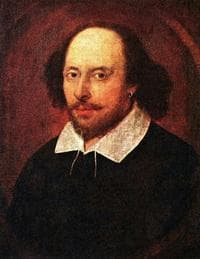
William Shakespeare was an English playwright, poet and actor. He is widely regarded as the greatest writer in the English language and the world's pre-eminent dramatist. He is often called England's national poet and the "Bard of Avon". His extant works, including collaborations, consist of some 39 plays, 154 sonnets, three long narrative poems, and a few other verses, some of uncertain authorship. His plays have been translated into every major living language and are performed more often than those of any other playwright. Shakespeare remains arguably the most influential writer in the English language, and his works continue to be studied and reinterpreted.
Similar books
- A Midsummer Night's Dream
William Shakespeare
4.0 (443k) average on GoodreadsFantasyShares Shakespeare's early comedic style, magical elements, and intricate plot lines involving mistaken identities and love triangles.
- Twelfth Night
William Shakespeare
4.0 (3k) average on GoodreadsHistorical FictionFeatures twins, mistaken identity, and romantic complications, all handled with Shakespeare's comedic brilliance.
- Nineteen Eighty-Four
George Orwell
4.2 (5.5M) average on GoodreadsFictionWinston Smith dreams of truth and rebellion in a world where Big Brother watches all, but he confronts the terrifying power of a regime that controls not just actions, but thoughts.
- The Frozen River
Ariel Lawhon
4.4 (600k) average on GoodreadsFictionIn 1789 Maine, a heroic midwife's diary helps her expose a murder and get justice in a town that wants to silence her.
- A Man Called Ove
Fredrik Backman
4.4 (569k) average on GoodreadsFictionA stubborn widower, who lives by strict rules, finds his quiet world changed by a lively new family next door, making him face his past and find happiness in human connection.
- The Art of Racing in the Rain
Garth Stein
4.2 (452k) average on GoodreadsFictionThrough the eyes of Enzo, a wise and observant dog, a race car driver's family navigates a journey of love, loss, and resilience, learning that life's most important lessons often come in the curves, not just on the straightaways.






Enjoyed the summary?
A summary gives you the shape of the book. The book itself has the detail, the examples and the voice.
Find The Comedy of Errors on AmazonAs an Amazon Associate, BookBrief earns from qualifying purchases. How we're funded