Estimated read time: 5 min read
One Sentence Summary
The foundational document of the United States, outlining the principles and framework of the nation's government.
Table of Contents
Introduction
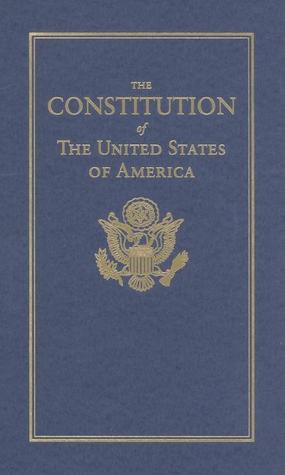
"The Constitution of the United States of America" is a seminal document that serves as the foundation of the United States government. Written by the Founding Fathers, it outlines the structure, powers, and limitations of the federal government, while also safeguarding the fundamental rights and freedoms of its citizens. This remarkable document has withstood the test of time and remains a cornerstone of American democracy.
Brief Synopsis
The book is a compilation of the original text of the Constitution of the United States, along with the amendments that have been added over the years. It provides a comprehensive overview of the principles and ideals that shape the American political system. The Constitution establishes a system of government based on the separation of powers, with checks and balances to prevent any one branch from becoming too powerful.
The setting of the book spans the late 18th century, when the Founding Fathers drafted the Constitution during the Constitutional Convention in Philadelphia. It was a time of great political and intellectual ferment, as the newly formed United States sought to establish a stable and effective government.
Main Characters
The main characters in "The Constitution of the United States of America" are the Founding Fathers themselves. They include influential figures such as George Washington, Benjamin Franklin, James Madison, Alexander Hamilton, and Thomas Jefferson. Each of these individuals played a crucial role in shaping the Constitution and the principles it embodies.
Summary of Different Story Points over Chapters
Chapter 1: Preamble
The Preamble sets the tone and purpose of the Constitution, stating the goals of forming a more perfect union, establishing justice, ensuring domestic tranquility, providing for the common defense, promoting the general welfare, and securing the blessings of liberty.
Chapter 2: Articles
The articles of the Constitution outline the structure and powers of the three branches of government: the legislative branch (Congress), the executive branch (the President), and the judicial branch (the Supreme Court). Each article delineates the specific responsibilities and limitations of each branch.
Chapter 3: Amendments
The amendments to the Constitution, including the Bill of Rights, provide additional protections and rights for individuals. These amendments cover a wide range of issues, such as freedom of speech, the right to bear arms, protection against unreasonable searches and seizures, and the prohibition of cruel and unusual punishment.
Main Events
The main events in "The Constitution of the United States of America" revolve around the drafting and ratification of the Constitution. The Constitutional Convention, held in Philadelphia in 1787, brought together delegates from the thirteen states to deliberate on the structure of the new government. Intense debates and compromises took place, resulting in the final text of the Constitution.
Following its drafting, the Constitution had to be ratified by at least nine of the thirteen states. This process involved further debates and discussions, with proponents and opponents of the Constitution making their case to the public. Eventually, the Constitution was ratified, leading to the birth of the United States as a federal republic.
Themes and Insights
"The Constitution of the United States of America" explores several themes and insights that are central to American democracy. These include:
- Limited Government: The Constitution establishes a government with defined powers, ensuring that no single branch or individual has unchecked authority.
- Separation of Powers: The Constitution divides power among the legislative, executive, and judicial branches, preventing any one branch from becoming too dominant.
- Individual Rights: The amendments to the Constitution, particularly the Bill of Rights, protect the fundamental rights and liberties of individuals, such as freedom of speech, religion, and the right to a fair trial.
- Democratic Principles: The Constitution reflects a commitment to democratic principles, including representative government, majority rule, and the protection of minority rights.
Reader's Takeaway
"The Constitution of the United States of America" is an essential read for anyone interested in understanding the principles and ideals that underpin American democracy. It offers valuable insights into the system of government established by the Founding Fathers and highlights the importance of limited government, separation of powers, and individual rights. This seminal document continues to shape the political landscape of the United States and remains a source of inspiration for people around the world.
Conclusion
"The Constitution of the United States of America" is a timeless document that encapsulates the vision and aspirations of the Founding Fathers. Its enduring relevance and impact on American society cannot be overstated. By studying and understanding the Constitution, readers gain a deeper appreciation for the values that define the United States and the principles that guide its government.
The Constitution of the United States of America FAQ
Who are the Founding Fathers?
The Founding Fathers were a group of political leaders, statesmen, and intellectuals who played a key role in the American Revolution and the establishment of the United States of America.
What is 'The Constitution of the United States of America'?
'The Constitution of the United States of America' is the supreme law of the United States. It outlines the framework for the organization of the federal government, the powers and limitations of each branch, and the rights and freedoms of the American people.
When was 'The Constitution of the United States of America' written?
'The Constitution of the United States of America' was written during the Constitutional Convention in Philadelphia from May 25 to September 17, 1787.
Who authored 'The Constitution of the United States of America'?
While the Constitution was primarily authored by James Madison, it was a collaborative effort by the delegates of the Constitutional Convention, including Benjamin Franklin, Alexander Hamilton, and George Washington.
What is the purpose of 'The Constitution of the United States of America'?
The purpose of the Constitution is to establish the principles and structure of the United States government, protect the rights and freedoms of its citizens, and provide a framework for the functioning of the federal system.
How many articles are there in 'The Constitution of the United States of America'?
There are seven articles in the Constitution, each addressing different aspects of the government's structure, powers, and responsibilities.
What is the significance of the First Amendment in 'The Constitution of the United States of America'?
The First Amendment guarantees the freedom of speech, religion, press, assembly, and the right to petition the government. It is considered a cornerstone of individual liberties in the United States.
Has 'The Constitution of the United States of America' been amended?
Yes, the Constitution has been amended 27 times. The first ten amendments, known as the Bill of Rights, were added shortly after the Constitution's ratification to address concerns about individual rights and liberties.
How does 'The Constitution of the United States of America' protect individual rights?
The Constitution protects individual rights through its amendments, such as the First Amendment mentioned earlier, as well as through the separation of powers, checks and balances, and the due process of law.
Is 'The Constitution of the United States of America' still in effect today?
Yes, the Constitution is still in effect today. It serves as the foundation of the United States government and continues to shape the nation's laws, policies, and institutions.