Estimated read time: 6 min read
One Sentence Summary
A former Navy SEAL turned FBI agent investigates a series of brutal murders linked to a dark secret from his past in "The Devil You Know" by Wayne Johnson.
Table of Contents
Introduction
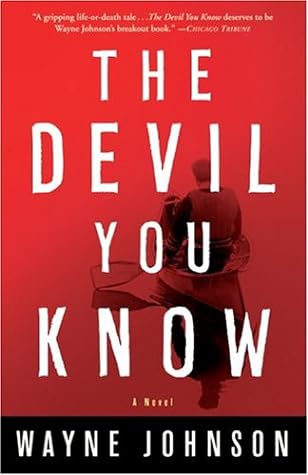
The Devil You Know by Wayne Johnson is a gripping true crime narrative that plunges readers into the shadowy underworld of serial killers and the complex investigation that brought one of America’s most elusive criminals to justice. This book stands out in the true crime genre for its meticulous research, compelling storytelling, and nuanced portrayal of both victim and perpetrator. For college students and lecturers interested in criminal psychology, law enforcement, and forensic investigation, Johnson’s work provides a rich, multidimensional case study.
Author's Expertise and Credibility
Wayne Johnson is an experienced investigative journalist known for his deep dives into criminal cases and his ability to humanize the often cold and technical details of crime investigations. His background in journalism and access to law enforcement sources bring authenticity and depth to the narrative. Johnson’s careful balance of factual rigor and engaging prose makes The Devil You Know both an educational and captivating read.
Summary of Main Ideas
At its core, The Devil You Know explores the chilling story of a serial killer whose crimes spanned decades, confounding law enforcement and terrorizing communities. The book delves into:
- The psychological profile of the killer.
- The painstaking investigative techniques used to identify and capture him.
- The lives of the victims and the impact on their families.
- The broader societal and systemic challenges in handling serial crimes.
Johnson also weaves in themes of trust, deception, and the thin line between good and evil, making the book resonate beyond its crime narrative.
In-Depth Explanation of Key Ideas
1. Psychological Profile of the Killer
Johnson meticulously reconstructs the psychological makeup of the serial killer, highlighting traits such as manipulation, cunning, and a chilling absence of empathy. The book draws on interviews with criminal psychologists and law enforcement to paint a portrait of a man who was both terrifying and, paradoxically, disturbingly normal in his daily life.
Significance: Understanding the killer’s psychology is crucial for readers to grasp how such individuals evade detection and manipulate those around them. This insight also serves as an educational tool for students of psychology and criminology.
2. Investigative Techniques
The narrative showcases the evolution of forensic science and investigative methods over the decades. From early detective work relying on intuition and eyewitness accounts to the adoption of DNA analysis and digital forensics, Johnson illustrates how advancements were pivotal in solving cold cases linked to the killer.
Practical Implications: The detailed depiction of these techniques offers readers a behind-the-scenes look at criminal investigations, encouraging appreciation of the scientific and human effort involved.
3. Victims and Their Families
Rather than treating victims as mere statistics, Johnson humanizes them, sharing their stories, dreams, and the devastating void left by their loss. He also sensitively portrays the families’ relentless pursuit of justice and closure.
Emotional Impact: This approach fosters empathy and reminds readers that behind every crime is a network of human lives forever altered.
4. Societal and Systemic Challenges
The book does not shy away from critiquing the limitations and failures within law enforcement agencies, judicial processes, and societal attitudes that allowed the killer to operate for so long. Johnson highlights issues like resource constraints, inter-agency communication gaps, and public misconceptions about serial crimes.
Broader Context: These discussions invite readers to think critically about criminal justice systems and the need for reform.
Practical Applications
Readers can glean valuable lessons from The Devil You Know applicable to various fields:
- Criminal Justice and Forensic Science Students: Understanding real-world application of investigative techniques and the complexities of profiling.
- Psychology Enthusiasts: Insights into abnormal psychology and behavioral analysis.
- Law Enforcement Professionals: Case study on the importance of persistence, inter-departmental cooperation, and evolving methodologies.
- General Readers: Awareness of the human side of crime and the importance of community vigilance.
Supporting Evidence and Examples
Johnson supports his narrative with an array of evidence including:
- Case files and court documents.
- Interviews with detectives, forensic experts, and family members.
- Photographs and timelines that contextualize events.
- Statistical data on serial crimes to frame the killer’s activities within national trends.
This comprehensive evidence base strengthens the book’s credibility and provides multiple entry points for academic discussion.
Critical Insights
While The Devil You Know excels in storytelling and factual depth, a few limitations are noteworthy:
- The focus on one killer means some broader systemic issues receive limited exploration.
- Readers seeking fast-paced thriller-style narratives might find the detailed investigative sections dense.
- Ethical considerations around privacy and sensationalism in true crime are touched upon but could be explored further.
Despite these aspects, the book’s strengths far outweigh its drawbacks, making it a valuable contribution to true crime literature.
Key Benefits for Readers
- Enhanced Understanding of Serial Crime: Deep dive into the mind and method of a serial killer.
- Insight into Forensic and Investigative Processes: Detailed explanation of evolving law enforcement techniques.
- Humanized Crime Narrative: Emphasis on victims’ stories and familial impact.
- Critical Perspective on Justice Systems: Awareness of systemic challenges and calls for reform.
Reader's Takeaway
The Devil You Know offers readers an intellectually stimulating and emotionally resonant journey through the dark corridors of a serial killer’s reign and the relentless pursuit of justice. It challenges readers to confront uncomfortable truths about human nature, societal oversight, and the resilience of those seeking closure. This book is not just a recounting of crimes but a profound exploration of morality, determination, and the complexities of law enforcement.
Conclusion
Wayne Johnson’s The Devil You Know is a must-read for anyone fascinated by true crime, criminal psychology, or forensic science. Its blend of rigorous research, human storytelling, and critical analysis sets it apart in the genre. The book encourages readers to look beyond sensational headlines and understand the intricate realities behind serial crimes. For students and lecturers, it offers a rich resource for discussion, analysis, and deeper learning. Dive into this compelling narrative to gain a comprehensive understanding of one of the most chilling criminal cases in recent history and the extraordinary efforts to bring the perpetrator to justice.
The Devil You Know FAQ
What is the main theme of 'The Devil You Know' by Wayne Johnson?
'The Devil You Know' explores themes of crime, justice, and the complexities of human nature within a suspenseful thriller narrative.
Who is the protagonist in 'The Devil You Know'?
The protagonist is a complex character caught in a web of crime and moral dilemmas, whose decisions drive the plot forward.
Is 'The Devil You Know' based on a true story?
No, 'The Devil You Know' is a work of fiction, though it may draw inspiration from real-life events or settings.
What genre does 'The Devil You Know' fall under?
The book is primarily a crime thriller with elements of mystery and psychological suspense.
What makes 'The Devil You Know' different from other crime thrillers?
Wayne Johnson's storytelling combines intricate plotting, deep character development, and a gritty portrayal of crime, setting it apart from typical thrillers.
Can 'The Devil You Know' be read as a standalone novel?
Yes, 'The Devil You Know' is a standalone novel and does not require prior reading of other books.
What is the setting of the novel?
The story is set in a realistic urban environment that adds to the novel's tense and immersive atmosphere.
Are there any sequels or related books to 'The Devil You Know'?
As of now, 'The Devil You Know' is a standalone book with no direct sequels.
What age group is 'The Devil You Know' appropriate for?
The book is suitable for adult readers due to its mature themes and content.