

Synopsis
Covers the whole plot, including the ending.
- Difficulty
- Medium
- Pacing
- Slow
- Mood
- Melancholy, Introspective, Spiritual, Somber
- Read it if
- You appreciate deep psychological and spiritual introspection, character-driven narratives focusing on faith and doubt, or Catholic literature.
- Skip it if
- You prefer fast-paced plots, lighthearted themes, or clear-cut resolutions to complex spiritual questions.
The Diary of a Country Priest Plot Summary
Covers the whole plot, including the ending.
Arrival in Ambricourt
The unnamed young priest arrives in Ambricourt, a small, poor parish in northern France. He immediately notices the spiritual apathy and hidden resentments among his parishioners. Suffering from a chronic stomach ailment and a deep sense of inadequacy, he begins his duties with earnest but often awkward enthusiasm. He finds little comfort or understanding from his fellow priests, especially the cynical Curé de Torcy, who offers harsh, direct advice. The priest's initial attempts to connect with the villagers are met with indifference or hostility. He struggles to find his place in this seemingly godless community, often feeling isolated and misunderstood in his mission.
Early Struggles and Misunderstandings
The priest's early days include several minor failures and misunderstandings. His attempts to organize a catechism class are poorly received, and his sincere efforts are often seen as naive or intrusive. He becomes aware of local gossip about the wealthy Countess, whose daughter, Chantal, is rebellious and troubled. The priest's health continues to worsen, increasing his feelings of loneliness and spiritual emptiness. He struggles with his diet, often eating only bread and wine, which further weakens him. His diary entries show his deep introspection and his constant fight against despair as he tries to understand God's will amidst Ambricourt's squalor and spiritual decay.
Encounter with the Countess
The young priest is called to the chateau to speak with the Countess, who is consumed by grief over her young son's death years earlier. She has abandoned her faith and lives in bitter despair, blaming God for her suffering. During a long, intense night, the priest engages her in a spiritual discussion, patiently listening and challenging her hardened heart. Despite his own physical weakness and deep fatigue, he breaks through her defenses, helping her confess her sins and find some peace before her sudden death later that night. This encounter is a turning point, affirming his priestly mission and giving him a brief sense of purpose.
Aftermath and Suspicion
After the Countess's death, the priest is immediately subjected to suspicion and gossip. Her husband, the Count, and their daughter, Chantal, accuse him of pressuring her or even causing her death. The local doctor is also critical, and the community's general dislike for him intensifies. Despite the spiritual triumph he feels, the external circumstances are harsh. He finds little support from his church superiors or even from the Curé de Torcy, who, while not directly accusing him, offers little comfort. The priest deals with the injustice of the accusations, finding comfort only in his continued faith and the belief that he acted according to God's will, even if misunderstood by others.
Chantal's Rebellion and Confession
Chantal, the Countess's rebellious daughter, approaches the priest, initially trying to manipulate him and spread more rumors about his role in her mother's death. She is a troubled young woman, resentful of her father and her deceased mother, and desperate for love and attention. The priest, seeing through her facade, confronts her with gentle but firm spiritual guidance. Eventually, Chantal breaks down, confessing her deep unhappiness and her feeling of being trapped and unloved. This confession, though not leading to an immediate change, marks another instance of the priest's ability to reach a hardened soul, even as his own suffering deepens.
The Seminary Friend and Medical Advice
Overwhelmed by his physical and spiritual burdens, the priest travels to visit a former seminary friend, Dufréty, who has left the priesthood and now works as a clerk. He hopes for some understanding or relief, but Dufréty's cynical view offers little comfort. During this visit, the priest's stomach pain becomes unbearable, forcing him to seek medical attention. The doctor delivers a devastating diagnosis: he has stomach cancer, and his condition is terminal. This news confirms the priest's long-held feeling of impending death, yet he accepts it with quiet resignation, seeing it as part of God's plan for him.
Return to Torcy and Final Days
Knowing his end is near, the priest returns to the care of the Curé de Torcy, who, despite his gruff exterior, shows surprising concern. The Curé arranges for him to stay in a small room, where the priest's physical suffering intensifies. Despite the pain, he maintains his spiritual clarity and continues to record his thoughts in his diary, reflecting on his life, his faith, and the nature of grace. He receives visitors, including Dufréty, who witnesses his peaceful acceptance of death. In his final moments, the priest's deep humility and unwavering faith shine through, ending in his serene passing, leaving his diary as a record of his spiritual journey.
The Curé de Torcy's Reflection
The novel ends with an entry from the Curé de Torcy, who recounts the young priest's final moments and his death. He reflects on the priest's innocence, his suffering, and his holiness, which he had initially failed to fully recognize. The Curé, a pragmatist and a realist, is moved by the quiet dignity and spiritual strength the young priest showed even in his agony. He acknowledges the priest's dying words – "All is grace" – a statement of a life lived in complete surrender to God's will, even amidst great physical and spiritual pain. The Curé's reflection confirms the young priest's holiness and the lasting power of his faith.
The Diary of a Country Priest Characters
The Young Priest (Curé of Ambricourt)
Protagonist
A naive, sickly, yet deeply spiritual priest striving to serve his parish.
The unnamed protagonist is a young, newly ordained priest assigned to the rural parish of Ambricourt. He is physically weak, suffering from a chronic stomach ailment, and often naive in his dealings with the world. Despite his physical fragility and frequent bouts of spiritual desolation, he possesses an intense, unwavering faith and a profound desire to serve God and his parishioners. He is highly introspective, recording his struggles, doubts, and spiritual insights in his diary. His humility often makes him appear awkward or ineffectual to others, but it is also the source of his spiritual strength.
Relationships: Curé de Torcy (mentor/confidant, though often critical); Countess (spiritual adversary turned penitent); Chantal (spiritual guide/confessor); Dufréty (old seminary friend, now an apostate)
Curé de Torcy
Supporting
A cynical, experienced priest who offers harsh wisdom and eventual compassion.
The Curé de Torcy is an older, seasoned priest from a neighboring parish. He is a pragmatic, often cynical man with a gruff exterior and a deep understanding of human nature and the challenges of rural ministry. He initially seems critical and dismissive of the young priest's idealism and naivety, offering blunt, sometimes brutal advice. However, beneath his hardened facade lies a profound, if unexpressed, faith and a genuine, albeit tough, affection for his younger colleague. He serves as a foil and a reluctant mentor, ultimately recognizing the young priest's holiness.
Relationships: The Young Priest (mentor/confidant, offering tough love and guidance)
The Countess
Supporting
A wealthy, embittered woman consumed by grief and resentment against God.
The Countess is a central figure in Ambricourt's aristocratic family, living in the chateau. She is a woman consumed by profound grief over the death of her young son years prior, which has led her to reject God and live in a state of bitter despair and spiritual rebellion. She is proud, intelligent, and fiercely resistant to the young priest's initial attempts to reach her. Her internal struggle is intense, and her eventual spiritual breakthrough, facilitated by the young priest, is a pivotal moment in the narrative, though it precedes her sudden death.
Relationships: The Young Priest (spiritual adversary who becomes her confessor); Chantal (mother, with a strained and resentful relationship); The Count (husband, with a distant and troubled relationship)
Chantal
Supporting
The rebellious, troubled daughter of the Countess, yearning for love and attention.
Chantal is the teenage daughter of the Countess and the Count. She is a deeply unhappy and rebellious young woman, resentful of her parents and desperate for affection and attention. She often acts out, spreading rumors and attempting to manipulate those around her, including the young priest. Her outward defiance masks a profound sense of loneliness and spiritual emptiness. The priest sees her as a lost soul and attempts to guide her, and she eventually confesses her despair to him, revealing her vulnerability beneath her hardened exterior.
Relationships: The Young Priest (confessor/spiritual guide); The Countess (daughter, with a strained and resentful relationship); The Count (daughter, with a distant and troubled relationship)
Dufréty
Supporting
A former seminary friend who has abandoned the priesthood for a secular life.
Dufréty is a former seminary colleague of the young priest who has since left the priesthood and now works as a clerk. He represents a different path, one of spiritual disillusionment and secular resignation. He is cynical and intellectual, having lost his faith and embraced a more earthly, less demanding existence. The young priest visits him hoping for understanding, but Dufréty offers little comfort, instead reflecting the worldly temptations and intellectual doubts that the young priest himself battles. He witnesses the young priest's final moments, which profoundly affect him.
Relationships: The Young Priest (former seminary friend, intellectual foil)
Séraphita
Supporting
The young priest's housekeeper, a gossiping and often critical woman.
Séraphita is the young priest's housekeeper in Ambricourt. She is a typical village woman, prone to gossip, often critical, and somewhat traditional in her views. She is not malicious but represents the mundane, often unspiritual concerns of the parish. She struggles to understand the priest's austere lifestyle and his detachment from worldly comforts, often commenting on his poor health and diet. While she provides basic care, she offers little emotional or spiritual support, mirroring the general indifference the priest faces from his parishioners.
Relationships: The Young Priest (housekeeper/employer, often critical)
Dr. Delbende
Supporting
The local doctor who diagnoses the priest's terminal illness.
Dr. Delbende is the local physician who eventually diagnoses the young priest with terminal stomach cancer. He represents the scientific, material world, often clashing with the priest's spiritual perspective. He is initially critical of the priest's methods and his perceived interference in the Countess's life. His diagnosis is a stark, undeniable reality that forces the priest to confront his mortality. Despite their differing worldviews, Delbende fulfills his professional duty, and his medical expertise underscores the physical suffering the priest endures.
Relationships: The Young Priest (doctor/patient, initially critical)
The Diary of a Country Priest Themes
Suffering and Grace
The novel explores the link between physical and spiritual suffering and the idea of divine grace. The young priest's chronic stomach ailment and constant spiritual emptiness are presented not just as burdens but as ways to a deeper understanding of God's love and the redemptive power of suffering. His physical weakness makes him vulnerable, allowing grace to appear more purely. The Countess's suffering also helps her spiritual conversion. The priest's dying words, 'All is grace,' summarize this theme, suggesting that even in the darkest moments, grace is present and changes things.
“What does it matter? All is grace.”
Spiritual Solitude and Misunderstanding
The young priest feels deep isolation throughout the novel, both from his parishioners and often from his fellow clergy. His intense spiritual life and earnest zeal are often misunderstood as naivety, weakness, or interference. The villagers are indifferent or hostile, the Count and Chantal accuse him, and even the Curé de Torcy initially offers little comfort. This solitude forces the priest into deeper thought and reliance on God, showing the often lonely path of true faith. His internal diary becomes his only confidante, reflecting his struggle to connect with a world that often fails to understand his spiritual mission.
“My parish is bored stiff. Like so many others. Sloth, boredom, stupidity. The world is eaten up with boredom.”
The Nature of Faith and Doubt
Bernanos examines the complexities of faith, showing it not as simple, unwavering belief but as a constant struggle against doubt, despair, and God's apparent absence. The young priest often questions his own worth, his effectiveness, and even God's presence in his suffering. His faith is formed in this struggle with doubt, making it more authentic and strong. The Countess, who has abandoned faith, and Dufréty, who has lost it, serve as contrasts, illustrating different responses to spiritual challenges. Ultimately, the priest's journey affirms that true faith can exist alongside deep doubt and suffering.
“It is so easy to hate, and so much harder to love. But true love is a hard, hard thing. It does not come by itself. It is a gift, and a grace.”
The Sanctity of the Ordinary
The novel makes the seemingly ordinary and often squalid reality of rural parish life a setting for deep spiritual drama. The priest's daily struggles with his health, his parishioners' indifference, the gossip, and the poverty are not romanticized. Instead, they are presented as the very setting in which holiness is formed. His holiness is not found in grand miracles but in his humble persistence, his quiet suffering, and his unwavering commitment to his priestly duties, even when they seem to yield nothing. This theme suggests that grace fills everyday life and that spiritual heroism can be found in the most ordinary and unglamorous circumstances.
“I often think of the saints. They are like us, only they have a secret. They know how to suffer.”
Plot Devices & Literary Techniques
The Diary Format
First-person narrative providing direct access to the protagonist's inner life.
The novel is presented as the young priest's personal diary entries. This first-person perspective offers intimate access to his thoughts, doubts, spiritual struggles, and physical pains. It allows the reader to experience his profound introspection directly, making his spiritual journey deeply personal and immediate. The diary entries are often fragmented, reflecting his deteriorating health and emotional state, but they consistently reveal his unwavering faith and his constant self-examination. This format also creates a sense of authenticity and raw honesty, as the priest is writing solely for himself and God, not for an audience.
Symbolism of Illness and Physical Suffering
The priest's chronic stomach ailment as a metaphor for spiritual and worldly burdens.
The young priest's severe and ultimately terminal stomach cancer is a central symbolic element. It represents not only his physical vulnerability but also his spiritual suffering and the 'sickness' of the world he inhabits. His physical pain is inextricably linked to his spiritual anguish and his struggles with the indifference and sin of his parish. This suffering is not merely a plot point but a path to grace, purifying him and allowing him to experience a deeper communion with Christ's passion. His physical deterioration mirrors his spiritual ascent, culminating in his peaceful, grace-filled death.
Contrasting Priests (Curé de Torcy)
The experienced, cynical priest as a foil to the naive protagonist.
The character of the Curé de Torcy serves as a crucial foil to the young priest. Torcy is older, more experienced, and deeply cynical about human nature and the challenges of the priesthood. His blunt, often harsh advice and his pragmatic worldview stand in stark contrast to the young priest's idealism and spiritual sensitivity. This contrast highlights the different paths to faith and ministry. While Torcy initially seems to represent a lack of spiritual depth, his eventual recognition of the young priest's holiness reveals his own hidden faith and humility, adding complexity to both characters and illustrating that holiness can be perceived and appreciated even by the most jaded.
The Absent God / Spiritual Desolation
The recurring theme of God's perceived absence and the priest's feeling of abandonment.
A significant plot device is the recurring motif of the priest's feeling of spiritual desolation and the apparent absence of God. Despite his fervent faith, he frequently experiences periods of profound loneliness, doubt, and a sense of being abandoned by God. This 'dark night of the soul' is not a sign of weak faith but rather a crucial component of his spiritual journey. It challenges him to trust in God even without palpable comfort, deepening his humility and reliance on grace alone. This device allows Bernanos to explore the raw, unadorned reality of a lived faith, stripped of superficial consolations.
The Diary of a Country Priest Quotes
“The Church is a mother, not a judge.”
“It seems to me sometimes that the world is a huge cemetery where souls are laid out, waiting for someone to come and wake them.”
“To be a saint is to give oneself entirely to God, not to be perfect.”
“God has no need of our good works, but only of our love.”
“Hate is a prison. Love is a liberation.”
“The greatest joy of all is to be forgotten by men and remembered by God.”
“Everything is grace.”
“The world is eaten up by boredom. You can't imagine what a lot of people are bored.”
“One does not choose one's cross; one is chosen by it.”
“What does it matter if I am a bad priest, as long as I am a priest?”
“The only real sadness, the only real failure, the only real tragedy, is to not be a saint.”
“Youth is a dream, a form of delirium.”
“It is easier to give one's life for Christ than to live it for Him.”
“The most dangerous illusion is that there is no illusion.”
Quiz
10 questions on the plot and the characters. Each answer comes with a short explanation.
Question 1
What is the primary physical ailment the young priest suffers from throughout the novel?
- Chronic headaches
- Stomach pains and illness
- Arthritis in his hands
- Severe insomnia
Show answer
B. Stomach pains and illness The priest frequently complains about his 'stomach illness,' often consuming only bread soaked in wine, which contributes to his physical decline.
Question 2
Which parishioner does the young priest have a significant and challenging spiritual encounter with, eventually leading to her reconciliation with God?
- Mademoiselle Louise
- The Countess
- Olivier
Show answer
B. The Countess The priest spends a long night with the Countess, confronting her despair and ultimately bringing her to a moment of grace before her death.
Question 3
What is the name of the village where the young priest is assigned?
- Ambricourt
- Saint-Sulpice
- Lourdes
- Arras
Show answer
A. Ambricourt The priest's diary entries are all from his time serving in the parish of Ambricourt.
Question 4
What is the primary spiritual struggle the young priest experiences throughout his ministry?
- Doubt in the existence of God
- Pride and intellectual arrogance
- Loneliness, spiritual aridity, and a sense of inadequacy
- Temptation to worldly pleasures
Show answer
C. Loneliness, spiritual aridity, and a sense of inadequacy The priest constantly grapples with his profound loneliness, the perceived coldness of his parishioners, and his own feelings of unworthiness and spiritual dryness.
Question 5
Who is Seraphita?
- The Countess's maid
- The priest's housekeeper
- A young girl from the village who attends catechism classes
- The Curé of Torcy's niece
Show answer
C. A young girl from the village who attends catechism classes Seraphita is one of the young girls in the catechism class, known for her mischief and irreverence, who the priest struggles to connect with.
Question 6
What does the Curé of Torcy advise the young priest about dealing with his parishioners?
- To be strictly intellectual and theological in his sermons
- To maintain a certain distance and authority, avoiding too much familiarity
- To be overly gentle and accommodating to their every whim
- To delegate all difficult tasks to his assistants
Show answer
B. To maintain a certain distance and authority, avoiding too much familiarity The Curé of Torcy, a more seasoned and pragmatic priest, frequently advises the young priest to be firmer and less vulnerable with his flock, often to the young priest's frustration.
Question 7
What is the ultimate cause of the young priest's death?
- Pneumonia contracted during a harsh winter
- A riding accident
- Stomach cancer
- Suicide due to despair
Show answer
C. Stomach cancer Towards the end of the novel, the priest visits a doctor and learns he has stomach cancer, which quickly leads to his demise.
Question 8
What significant event occurs with Chantal, the Countess's daughter?
- She runs away from home to join a convent
- She attempts suicide and blames the priest for her mother's death
- She marries a wealthy nobleman against her father's wishes
- She confesses to stealing from the church collection
Show answer
B. She attempts suicide and blames the priest for her mother's death Chantal is deeply troubled and attempts to take her own life, expressing resentment towards the priest, whom she holds responsible for her mother's spiritual turnaround and subsequent death.
Question 9
What is the famous last line attributed to the priest, relayed by another character?
- All is grace.
- My God, my God, why have you forsaken me?
- I have fought the good fight.
- Peace be with you.
Show answer
A. All is grace. After the priest's death, the Curé of Torcy, who was present, relays the priest's final words: 'All is grace.' This line encapsulates the priest's journey of suffering and ultimate spiritual acceptance.
Question 10
How does the priest primarily record his experiences and reflections?
- Through letters to his bishop
- By writing sermons for his parishioners
- In a personal diary
- By confiding in his housekeeper
Show answer
C. In a personal diary The entire novel is presented as the priest's diary entries, offering an intimate first-person perspective on his thoughts and struggles.
The Diary of a Country Priest FAQ
What is the central conflict the young priest faces in Ambricourt?
The young priest in Ambricourt primarily struggles with his own failing health, the spiritual indifference or hostility of his parishioners, and a profound sense of isolation. His internal battle with despair and his desire to genuinely connect with and serve his flock, despite their rejection, forms the core of his suffering and spiritual growth.
Who is the Countess, and what is her significance to the priest's spiritual journey?
The Countess is the grief-stricken mother of Chantal, living in profound sorrow over the death of her young son. Her encounter with the priest, where he helps her confront her long-held resentment towards God and find a measure of peace, represents a significant spiritual victory for him and a moment of profound grace, even as it further exhausts him physically.
How does the relationship between the priest and Chantal evolve, and what does it reveal about her character?
Chantal initially resents the priest, seeing him as an intruder and a rival for her grandfather's attention. She is manipulative and deeply unhappy, trapped by her family's dysfunction. While the priest tries to guide her, their relationship remains strained, revealing her complex internal turmoil and the deep-seated spiritual sickness within her.
What is the role of the Curé de Torcy in the narrative?
The Curé de Torcy serves as a mentor figure, albeit a stern and often critical one, to the young priest. He represents an older, more traditional, and robust form of priesthood, offering practical advice and spiritual counsel, though he sometimes fails to fully grasp the depth of the young priest's internal struggles and delicate health.
What is the ultimate fate of the young priest, and what is the significance of his final words?
The young priest succumbs to stomach cancer, dying in the home of a disgraced former priest. His final words, 'All is grace,' spoken through a friend, encapsulate his entire spiritual journey, signifying his acceptance of suffering, his profound faith, and his understanding that divine grace permeates even the darkest moments.
How does Bernanos use the motif of the diary itself to deepen the reader's understanding of the priest?
The diary format allows for an intimate, first-person perspective, giving direct access to the priest's innermost thoughts, doubts, and spiritual struggles. This unfiltered access reveals his humility, his constant self-examination, and the profound loneliness he experiences, making his spiritual journey intensely personal and immediate for the reader.
Are there any subtle indications of the priest's illness early in the book before it becomes explicit?
Yes, early in the diary, the priest frequently mentions his stomach pains, his inability to eat, his persistent fatigue, and his general physical weakness. These seemingly minor complaints gradually escalate, foreshadowing the severity of his illness and linking his physical suffering directly to his spiritual anguish.
What is the significance of the episode with the little girl Delphine, who steals money?
The incident with Delphine, where the priest gently confronts her about stealing a franc, highlights his compassion and his unconventional approach to pastoral care. Instead of harsh judgment, he seeks to understand her motives and offer forgiveness, demonstrating his belief in the inherent goodness of even the most wayward souls.
How does the setting of rural Ambricourt contribute to the priest's sense of isolation?
The provincial, often bleak, setting of Ambricourt underscores the priest's isolation. The villagers are depicted as largely closed off, suspicious, and resistant to his spiritual influence, reinforcing his feeling of being an outsider. The harshness of the environment mirrors the spiritual aridity he encounters.
Discuss the psychological impact of the priest's constant self-scrutiny and sense of unworthiness.
The priest's relentless self-scrutiny, while a mark of his spiritual earnestness, also contributes to his psychological burden. His deep sense of unworthiness and his fear of being an 'unworthy priest' can lead to bouts of despair, but paradoxically, this humility also opens him more fully to grace and compassion for others.
How does the priest's physical suffering influence his spiritual perception and interactions?
The priest's physical suffering, particularly his chronic stomach pain and eventual terminal illness, intensifies his spiritual perception. It strips away worldly distractions, making him more sensitive to the suffering of others and more acutely aware of his own mortality and dependence on God. His pain becomes a crucible for his faith.
Analyze Chantal's psychological state. Is she purely malicious, or is there a deeper pain driving her actions?
Chantal is driven by profound psychological pain, stemming from her family's dysfunction, her mother's grief, and a desperate craving for attention and affection. Her malicious acts are often outward expressions of her inner turmoil, a cry for help, and a reflection of her inability to cope with her emotional landscape.
How does Bernanos portray the psychological toll of spiritual warfare on the priest?
Bernanos portrays the psychological toll of spiritual warfare through the priest's experiences of intense loneliness, moments of near despair, and the feeling of battling unseen forces of evil. His internal struggles are depicted as a constant, exhausting combat for his soul and the souls of his parishioners, leaving him mentally and emotionally drained.
Is the priest a 'saint' in the traditional sense, or is his holiness more nuanced and human?
The priest's holiness is profoundly nuanced and human. He is not presented as a perfect, idealized figure, but rather as a deeply flawed, often suffering man who struggles with doubt, despair, and physical weakness. His sanctity lies in his persistent effort to love God and his parishioners despite these challenges, embodying a relatable, hard-won holiness.
What is the book's stance on the nature of suffering and its role in spiritual growth?
The book posits that suffering, particularly innocent suffering, is not meaningless but can be a profound path to grace and spiritual purification. The priest's own intense physical and spiritual pain becomes the very means through which he achieves humility, compassion, and a deeper understanding of God's love, culminating in his final acceptance that 'All is grace.'
How does Bernanos critique the institutional Church through the various characters and situations?
Bernanos offers a subtle critique of the institutional Church through characters like the Curé de Torcy, who, while well-meaning, sometimes lacks understanding for the young priest's delicate nature, or through the perceived apathy of some parishioners. The critique isn't of the Church's dogma, but rather of its human representatives' occasional failings in compassion, understanding, or effective spiritual leadership.
What is the ultimate message about faith and despair that Bernanos conveys through the priest's journey?
Bernanos conveys that true faith is often forged in the crucible of despair. The priest's journey demonstrates that even in the darkest moments of doubt, loneliness, and physical suffering, grace is present. His ultimate triumph is not the eradication of despair, but the ability to embrace it within a larger context of unwavering trust in God's love, culminating in the profound affirmation that 'All is grace.'
How does the novel explore the concept of 'the communion of saints' or spiritual interconnectedness?
The novel subtly explores the communion of saints through the priest's interactions, particularly his spiritual impact on the Countess and his ongoing prayers for his parishioners. Even in his isolation, he is spiritually connected to others, both living and dead, and his sufferings and prayers contribute to the spiritual well-being of the wider Christian community, reinforcing the idea that no soul struggles in complete isolation.
About the author
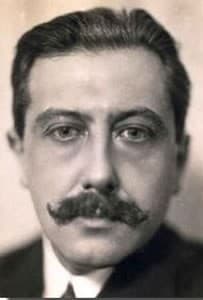
Louis Émile Clément Georges Bernanos was a French author, and a soldier in World War I. A Catholic with monarchist leanings, he was critical of elitist thought and was opposed to what he identified as defeatism. He believed this had led to France's defeat and eventual occupation by Germany in 1940 during World War II. His two major novels "Sous le soleil de Satan" (1926) and the "Journal d’un curé de campagne" (1936) both revolve around a parish priest who combats evil and despair in the world. Most of his novels have been translated into English and frequently published in both Great Britain and the United States.
Similar books
- The Power and the Glory
Graham Greene
4.0 (33k) average on GoodreadsLiterary FictionExplores the struggles of a flawed priest in a hostile environment, grappling with faith, sin, and redemption.
- Brideshead Revisited
Evelyn Waugh
4.0 (93k) average on GoodreadsLiterary FictionExamines themes of Catholicism, faith, and the complexities of spiritual life within a narrative of personal reflection.
- Nineteen Eighty-Four
George Orwell
4.2 (5.5M) average on GoodreadsFictionWinston Smith dreams of truth and rebellion in a world where Big Brother watches all, but he confronts the terrifying power of a regime that controls not just actions, but thoughts.
- The Frozen River
Ariel Lawhon
4.4 (600k) average on GoodreadsFictionIn 1789 Maine, a heroic midwife's diary helps her expose a murder and get justice in a town that wants to silence her.
- A Man Called Ove
Fredrik Backman
4.4 (569k) average on GoodreadsFictionA stubborn widower, who lives by strict rules, finds his quiet world changed by a lively new family next door, making him face his past and find happiness in human connection.
- The Art of Racing in the Rain
Garth Stein
4.2 (452k) average on GoodreadsFictionThrough the eyes of Enzo, a wise and observant dog, a race car driver's family navigates a journey of love, loss, and resilience, learning that life's most important lessons often come in the curves, not just on the straightaways.






Enjoyed the summary?
A summary gives you the shape of the book. The book itself has the detail, the examples and the voice.
Find The Diary of a Country Priest on AmazonAs an Amazon Associate, BookBrief earns from qualifying purchases. How we're funded