

Synopsis
Covers the whole plot, including the ending.
- Difficulty
- Easy
- Pacing
- Moderate
- Mood
- Heartwarming, Hopeful, Emotional, Reflective
- Read it if
- You enjoy heartfelt stories about grief, healing, and the power of sports, especially baseball, for middle-grade readers.
- Skip it if
- You prefer fast-paced adventure stories or dislike sports-centric plots.
The Distance To Home Plot Summary
Covers the whole plot, including the ending.
A Summer Without Haley
The summer begins with Quinnen and her family in mourning. Her older sister, Haley, died last summer, leaving Quinnen traumatized and unwilling to play baseball, a sport she once loved as a pitcher for the Panthers. Her parents, equally consumed by grief, try to navigate their new reality. The annual tradition of hosting a minor league baseball player from the local team, the Bandits, continues. This year, their guest is a quiet pitcher named Joey. Quinnen feels an emptiness, especially when she visits the baseball field where she and Haley shared so many memories, and struggles to connect with her parents or former teammates.
Joey's Arrival and Initial Hesitation
Joey, a young, reserved pitcher for the Bandits, arrives at Quinnen's home. Quinnen, still reeling from Haley's death, is distant and unwelcoming towards him, seeing his presence as another painful reminder of how much things have changed. Haley had always been excited about hosting the players, and her absence makes the tradition feel hollow. Joey, sensing Quinnen's grief, gives her space. Her parents encourage her to interact with him, hoping it might bring some normalcy back, but Quinnen finds it difficult to engage, preferring to retreat into her own world of sorrow and memories of Haley.
A Glimmer of Connection
Despite her initial resistance, Quinnen gradually starts to interact with Joey. She observes his routines and his dedication to baseball. One afternoon, she finds herself watching him practice his pitching in the backyard. She offers a small, unsolicited piece of advice, surprising herself as much as Joey. This small interaction marks a turning point, as Joey, recognizing her innate understanding of the game, begins to see her not just as a grieving girl, but as someone with a deep connection to baseball. This shared passion starts to bridge the gap between them, offering Quinnen a tentative connection outside her grief.
The Baseball Card Collection
While helping Quinnen's mom clean out some of Haley's belongings, Joey discovers Haley's baseball card collection. He is impressed by its scope and Haley's knowledge of the sport, evident in her notes. Quinnen, though hesitant to revisit her sister's things, finds comfort in seeing Joey appreciate something Haley loved so much. They begin to discuss the cards, with Joey sharing anecdotes about some of the players, and Quinnen sharing memories of Haley's passion for collecting. This shared activity becomes a safe way for Quinnen to talk about Haley without directly confronting her grief, allowing Joey to learn more about the sister she misses so deeply.
Visiting the Ballpark
Encouraged by her parents and Joey, Quinnen reluctantly agrees to attend a Bandits game. Walking into the ballpark brings back a flood of memories of attending games with Haley. Despite the initial sadness, the atmosphere, the crack of the bat, and the crowd begin to chip away at her emotional wall. She watches Joey pitch, observing his technique and focus. The game stirs something within her, an echo of her own love for baseball. It is a difficult experience, but also one that plants a seed of possibility for her own return to the sport.
The Old Field
One afternoon, feeling a pull she cannot explain, Quinnen bikes to the old baseball field where she and Haley spent countless hours practicing. The overgrown grass and silent stands contrast with the memories she holds. She remembers Haley cheering her on, giving her advice, and celebrating their victories. The visit is bittersweet, filled with both sadness and a nostalgic warmth. It is a private moment of remembrance and a significant step towards acknowledging her grief head-on, rather than avoiding the places and activities she shared with her sister.
Pitching Again
After her visit to the old field and continued conversations with Joey about baseball, Quinnen finds herself drawn back to the physical act of pitching. One afternoon, Joey gently coaxes her into throwing a ball with him in the backyard. Hesitantly at first, Quinnen winds up and throws. The familiar feel of the ball in her hand, the motion of her arm, and the satisfying thwack as it hits Joey's mitt awaken a long-dormant part of her. It is not the same without Haley, but Joey's quiet encouragement and understanding create a safe space for her to reconnect with her passion, even if it is just a small step.
The Old Baseball Glove
While looking through some of Haley's belongings, Quinnen finds her sister's old baseball glove. Inside, she discovers a hidden, folded note. The note, written by Haley, expresses her pride in Quinnen's pitching and encourages her to always keep playing. This discovery is emotional for Quinnen. It is a direct message from Haley, affirming her talent and giving her a sense of permission to move forward with baseball. The note reinforces the idea that Haley would want Quinnen to continue pursuing her passion, rather than abandoning it out of grief.
Rejoining the Panthers
Inspired by Haley's note and her renewed connection to baseball through Joey, Quinnen begins to contemplate rejoining her old team, the Panthers. The thought is daunting, as it means facing her teammates and the memories of last summer's championship run with Haley by her side. She discusses it with her parents, who are cautiously optimistic and supportive. The decision is a big one, representing a significant step in her healing process and a commitment to honoring Haley's memory by continuing to do what they both loved.
The Championship Game
Quinnen ultimately decides to rejoin the Panthers for their championship game. Stepping onto the mound is a monumental challenge, filled with anxiety and the heavy weight of Haley's absence. However, as she pitches, she feels a newfound strength and a sense of Haley's presence not as a ghost of grief, but as a supportive force. With Joey and her parents cheering from the stands, Quinnen pitches with skill and determination, finding a sense of peace and a way to channel her emotions into the game. She realizes that playing baseball is not forgetting Haley, but rather celebrating her and keeping their shared love alive.
Principal Figures
Quinnen
Protagonist
A grieving young girl who finds healing through baseball.
Quinnen is a talented young baseball pitcher who is struggling immensely with the death of her older sister and best friend, Haley. She is withdrawn, quiet, and has abandoned her love for baseball, feeling that playing without Haley is a betrayal. Initially, she is resistant to any form of comfort or connection, especially from the new guest, Joey. Throughout the summer, she slowly re-engages with the sport and her emotions, learning to process her grief and find a way to honor Haley's memory while moving forward with her own life.
Relationships: Haley (Older sister and best friend, now deceased; their bond is the central emotional core of the story.); Joey (The minor league baseball player staying with her family; he becomes a mentor and a quiet confidant.); Mom (Supportive but also grieving, trying to help Quinnen heal.); Dad (Supportive but also grieving, trying to help Quinnen heal.); Panthers Teammates (Former teammates who represent her past life in baseball.)
Haley
Supporting/Mentioned
Quinnen's deceased older sister, whose memory drives much of the plot.
Haley is Quinnen's older sister and best friend, whose sudden death just before the story begins casts a long shadow over Quinnen and her family. Though deceased, Haley is a central character through Quinnen's memories and her lasting impact. She was a vibrant, supportive, and baseball-loving girl, known for her enthusiasm and her close bond with Quinnen. Her passion for baseball cards and her unwavering encouragement for Quinnen's pitching are key elements that resurface throughout the narrative, guiding Quinnen's healing journey.
Relationships: Quinnen (Younger sister and best friend; their shared love for baseball and their deep bond are central.); Mom (Daughter.); Dad (Daughter.)
Joey
Supporting
A quiet minor league pitcher who helps Quinnen rediscover her love for baseball.
Joey is a young, reserved minor league baseball pitcher for the Bandits, staying with Quinnen's family for the summer. He is quiet and respectful, initially giving Quinnen space to grieve. As he observes her, he recognizes her deep knowledge and passion for baseball. Through gentle encouragement, shared discussions about baseball, and leading by example with his own dedication to the sport, Joey becomes a crucial catalyst in Quinnen's healing process, helping her slowly reconnect with her love for pitching. He understands the unspoken language of baseball and provides a safe, non-judgmental presence.
Relationships: Quinnen (Mentee and friend; he helps her re-engage with baseball.); Mom (Host parent.); Dad (Host parent.)
Mom
Supporting
Quinnen's mother, navigating her own grief while trying to support her daughter.
Quinnen's mom is deeply affected by Haley's death, struggling with her own grief while trying to maintain a semblance of normalcy for Quinnen. She is observant of Quinnen's withdrawal and tries various ways to encourage her, from suggesting she interact with Joey to gently pushing her towards baseball. She represents the parental struggle of coping with immense loss while still needing to be a pillar of strength for their surviving child. Her quiet support and efforts to keep family traditions alive are crucial to the healing process.
Relationships: Quinnen (Daughter; she tries to help Quinnen through her grief.); Haley (Deceased daughter.); Dad (Husband; they share their grief and try to support each other.)
Dad
Supporting
Quinnen's father, also grieving, who shares a love of baseball with his daughters.
Quinnen's dad is also deeply grieving Haley's death. He shares a love of baseball with both Haley and Quinnen, making Quinnen's abandonment of the sport particularly painful for him. He tries to connect with Quinnen through their shared past, often reminiscing about Haley and their family's baseball traditions. Like Mom, he is navigating his own sorrow while attempting to guide Quinnen back to happiness and the sport they all loved. His quiet presence and enduring love for his family are a steadying force.
Relationships: Quinnen (Daughter; he encourages her to return to baseball.); Haley (Deceased daughter.); Mom (Wife; they share their grief and try to support each other.)
Themes & Insights
Grief and Healing
The central theme of the novel is Quinnen's journey through grief after the death of her sister, Haley, and her gradual path towards healing. The story explores the different stages of grief, from initial denial and withdrawal (Quinnen refusing to play baseball, avoiding memories) to eventual acceptance and remembrance. Haley's absence creates a 'Haley-sized hole' in Quinnen's world, affecting her relationships and passions. The healing process is not linear, but is shown through small steps like Quinnen's hesitant interactions with Joey, her visits to old baseball fields, and ultimately, her return to the pitcher's mound, which symbolizes her ability to find joy and purpose again while still honoring Haley's memory.
“It was like a Haley-sized hole had been carved out of the world, and there was nothing that could fill it.”
The Power of Sports as Therapy
Baseball is a powerful metaphor and a therapeutic tool for Quinnen's healing. Initially, the sport is a painful reminder of Haley's absence, causing Quinnen to abandon it entirely. However, through her interactions with Joey and her own innate connection to the game, baseball gradually becomes a way for her to process her emotions, reconnect with her past, and find a path forward. The physical act of pitching, the camaraderie of a team, and the shared passion for the game provide an outlet for her grief and a way to feel connected to Haley's spirit. Her return to the mound is a symbolic act of reclaiming her identity and finding strength amidst her sorrow.
“Sometimes, the best way to remember someone is to do the things you loved doing with them.”
Sisterly Bond and Memory
The strong bond between Quinnen and Haley is a foundational theme. Even in death, Haley's presence is strongly felt through Quinnen's memories, their shared love for baseball, and the lasting impact she had on Quinnen's life. The story emphasizes how memories, even painful ones, are important for keeping loved ones alive in spirit. Haley's encouragement, her baseball card collection, and a hidden note she left behind all serve as tangible connections that help Quinnen navigate her grief. The theme explores how love transcends loss, and how the influence of a cherished relationship can continue to shape and guide an individual long after separation.
“Haley had always been my biggest fan. How could I play without her?”
Finding Connection and Support
Beyond her immediate family, Quinnen finds unexpected support and connection in Joey, the minor league player. This theme highlights the importance of new relationships and how others can help in times of crisis, even if they are initially strangers. Joey's quiet understanding, shared love for baseball, and gentle encouragement provide a safe space for Quinnen to open up and gradually re-engage with the world. His presence shows that healing often involves accepting help and forming new bonds, which do not diminish the love for those who are lost but rather expand the circle of support. Her parents' efforts to connect, despite their own grief, also underscore this theme.
“He didn't try to make me feel better, just... understood.”
Plot Devices & Literary Techniques
The Baseball Field
A recurring setting symbolizing both grief and healing.
The baseball field serves as a powerful symbolic setting throughout the novel. Initially, it represents Quinnen's pain and her avoidance of her past, as it is where she shared countless memories with Haley. Its deserted state reflects her emotional emptiness. As the story progresses, revisiting the field, and eventually returning to play on it, signifies her gradual healing and acceptance. It transforms from a place of sorrow into a space of remembrance, strength, and renewed purpose, representing her ability to reclaim her love for the game and honor Haley's memory.
Haley's Baseball Card Collection
A tangible link to Haley and a catalyst for connection.
Haley's meticulously organized baseball card collection acts as a tangible link to her memory and personality. Its discovery by Joey provides a natural, low-pressure way for him and Quinnen to connect over a shared interest. Discussing the cards allows Quinnen to talk about Haley indirectly, easing her into sharing memories and processing her grief. The collection symbolizes Haley's passion and serves as a quiet reminder of her enduring presence, helping Quinnen and Joey find common ground and build a relationship rooted in their shared love for baseball.
The Hidden Note in Haley's Glove
A message from the past that provides closure and encouragement.
The hidden note from Haley, discovered inside her old baseball glove, functions as a powerful plot device for emotional resolution. It's a direct message from Haley to Quinnen, filled with love and encouragement to continue playing baseball. This discovery provides Quinnen with a crucial sense of permission and validation, assuring her that Haley would want her to move forward and pursue her passion. It helps Quinnen overcome her guilt about playing without Haley and empowers her to rejoin her team, acting as a final, profound push towards healing and acceptance.
The Distance To Home Quotes
“Sometimes you just have to dive in and hope for the best.”
“Grief wasn't something you got over. It was something you learned to live with, like a new part of yourself.”
“The hardest part about losing someone isn't the big things, it's the little things. The way they laughed, the way they hummed a song, the way they always knew what to say.”
“You can't outrun your feelings, Lexie. They always catch up to you eventually.”
“Home wasn't a place, it was a feeling. And sometimes, that feeling was hard to find.”
“Sometimes the people who are hurting the most are the ones who try to help others.”
“It's okay to not be okay. It's okay to cry. It's okay to miss him.”
“The pool was the only place where she felt truly free, truly herself.”
“Friendship isn't about being perfect, it's about being there for each other, even when things are messy.”
“Even when you think you're alone, there are people who care about you.”
“Every stroke she took was a memory, a prayer, a silent conversation with the brother she'd lost.”
“Forgiveness isn't for the other person; it's for you.”
“Sometimes the bravest thing you can do is ask for help.”
“The past doesn't define you, but it can shape you.”
Quiz
10 questions on the plot and the characters. Each answer comes with a short explanation.
Question 1
What was the name of Quinnen's baseball team last summer?
- The Cougars
- The Panthers
- The Wildcats
- The Tigers
Show answer
B. The Panthers The book states that Quinnen was the star pitcher for her baseball team, the Panthers, last summer.
Question 2
Who was Quinnen's loudest supporter at her baseball games?
- Her coach
- Her best friend
- Her older sister, Haley
- Her dad
Show answer
C. Her older sister, Haley The text explicitly states that her loudest supporter at every game was her best friend and older sister, Haley.
Question 3
What significant event happened at the end of last summer that changed everything for Quinnen?
- She won the championship game.
- Her family moved to a new town.
- Haley's death.
- She decided to quit baseball.
Show answer
C. Haley's death. The summary highlights that 'Haley’s death, at the end of last summer, has left Quinnen and her parents reeling,' making it the pivotal event.
Question 4
Why does Quinnen not want to play baseball this summer?
- She found a new hobby she prefers.
- She is injured and cannot play.
- Because Haley is no longer in the stands to support her.
- Her team disbanded after last season.
Show answer
C. Because Haley is no longer in the stands to support her. The text states, 'Without Haley in the stands, Quinnen doesn’t want to play baseball,' directly linking her reluctance to her sister's absence.
Question 5
What is the one 'glimmer of happiness' for Quinnen and her family this summer?
- They are going on a special vacation.
- They are hosting a player from the local minor-league baseball team.
- Quinnen is getting a new pet.
- A new amusement park opened nearby.
Show answer
B. They are hosting a player from the local minor-league baseball team. The summary identifies the 'one glimmer of happiness' as 'the Bandits, the local minor-league baseball team,' and that 'Quinnen and her family are hosting one of the players for the season.'
Question 6
What is the name of the local minor-league baseball team mentioned in the story?
- The Hawks
- The Bandits
- The Vipers
- The Stingers
Show answer
B. The Bandits The summary specifically names 'the Bandits' as the local minor-league baseball team.
Question 7
What is the central theme that Quinnen struggles with throughout the story?
- Overcoming a fear of public speaking.
- Dealing with the loss of a loved one and finding a way to heal.
- Excelling in a new sport.
- Navigating a complicated new friendship.
Show answer
B. Dealing with the loss of a loved one and finding a way to heal. The entire premise revolves around Haley's death and Quinnen's struggle to 'make peace with the past,' indicating the central theme of grief and healing.
Question 8
What role do the Bandits players primarily play in Quinnen's journey this summer?
- They teach her advanced baseball techniques.
- They become new rivals for her baseball team.
- They help her make peace with the past and potentially return to baseball.
- They distract her from her problems with constant social events.
Show answer
C. They help her make peace with the past and potentially return to baseball. The summary concludes by asking, 'With their help, can she make peace with the past and return to the pitcher’s mound?', indicating their role in her healing process.
Question 9
What specific 'hole' is mentioned in Quinnen's world?
- A void left by her team losing the championship.
- The 'Haley-sized hole' left by her sister's death.
- The absence of a new baseball field.
- A gap in her knowledge about professional baseball.
Show answer
B. The 'Haley-sized hole' left by her sister's death. The text directly states, 'It seems like nothing can fill the Haley-sized hole in her world,' clearly referencing her sister's absence.
Question 10
What is Quinnen's main internal conflict presented in the summary?
- Whether to pursue a career in professional baseball or not.
- Her struggle to overcome her grief and find joy in baseball again after Haley's death.
- Deciding which minor-league player to befriend.
- Convincing her parents to let her play a different sport.
Show answer
B. Her struggle to overcome her grief and find joy in baseball again after Haley's death. The core internal struggle is her inability to play baseball due to her grief for Haley, and the journey to 'make peace with the past and return to the pitcher’s mound.'
The Distance To Home FAQ
What is the central conflict Quinnen faces at the beginning of the story?
Quinnen is struggling to cope with the sudden death of her older sister, Haley, which occurred at the end of the previous summer. This profound grief has caused her to lose all interest in baseball, a sport she previously excelled at and shared a deep connection with Haley.
How has Haley's death impacted Quinnen's relationship with baseball?
Haley's death has made Quinnen completely disengage from baseball. She was the star pitcher for the Panthers, but without Haley's enthusiastic support from the stands, the sport now feels hollow and painful, representing a painful reminder of her loss rather than a source of joy.
Who are the Bandits and how do they become involved in Quinnen's life?
The Bandits are the local minor-league baseball team. For the first time, Quinnen's family decides to host one of the team's players for the season, a tradition that introduces new people and a different kind of baseball into their grief-stricken household.
What role does the hosted Bandits player play in Quinnen's healing process?
The hosted Bandits player, whose name is not specified in the prompt but is a key character, provides Quinnen with a new connection to baseball that isn't directly tied to her past with Haley. This new friendship helps her slowly begin to reconnect with the sport and find a path toward healing.
What was Quinnen's baseball role before Haley's death, and what team did she play for?
Before Haley's death, Quinnen was the star pitcher for her baseball team, the Panthers. They were on their way to the championship, highlighting her skill and dedication to the sport.
Are there any specific objects or places that hold particular significance to Quinnen's memories of Haley?
While not explicitly stated, the pitcher's mound itself and the baseball field likely hold immense significance, as they were the places where Haley's support was most evident. Any shared items related to baseball, such as a specific glove or trophy, would also carry emotional weight.
How does Quinnen's relationship with her parents change or evolve after Haley's death?
Haley's death has left Quinnen and her parents 'reeling,' suggesting a shared grief that might initially isolate them or draw them together in new ways. Their decision to host a Bandits player could be an attempt to bring some normalcy or distraction back into their lives, reflecting a shift in family dynamics.
Are there any subtle clues that suggest Haley's personality or interests beyond just being Quinnen's supporter?
The description of Haley as Quinnen's 'loudest supporter' suggests an outgoing, enthusiastic, and perhaps protective personality. Her presence at every game indicates a deep commitment and love for her sister, implying a strong bond and shared interests, even if just in Quinnen's pursuits.
What is the significance of the title, 'The Distance To Home,' in relation to Quinnen's journey?
The title likely refers to both the literal distance on a baseball field (from base to home plate) and the emotional distance Quinnen feels from a sense of 'home' or normalcy after Haley's death. Her journey is about bridging that emotional gap to find comfort and peace again.
How does Quinnen's refusal to play baseball serve as a coping mechanism for her grief?
Quinnen's refusal to play baseball is a form of avoidance, a common grief response. The sport is too deeply intertwined with Haley's memory, and playing it would force her to confront the painful absence, making it easier to simply withdraw from it entirely.
What psychological stages of grief might Quinnen be experiencing at the start of the book?
At the start, Quinnen is likely experiencing intense sadness, denial (in her avoidance of baseball), and perhaps some anger or bargaining related to her sister's death. Her inability to find joy suggests a deep depression phase within her grieving process.
How do the minor-league baseball players, the Bandits, contribute to Quinnen's psychological healing?
The Bandits players offer Quinnen a fresh perspective and new friendships, allowing her to associate baseball with new, less painful memories. Their support and camaraderie can help her process her grief and gradually re-engage with life and her passion.
In what ways does Quinnen's journey reflect the broader themes of resilience and finding hope after loss?
Quinnen's story directly addresses resilience by showing her gradual return to a beloved activity despite profound loss. It illustrates finding hope by demonstrating how new connections and a shift in perspective can help one navigate grief and rediscover purpose, even when it feels impossible.
What is the symbolic meaning of Quinnen's eventual return to the pitcher's mound?
Her return to the pitcher's mound symbolizes her acceptance of Haley's death and her willingness to move forward, integrating her grief rather than being consumed by it. It represents reclaiming her identity and passion, finding a way to honor Haley's memory while living her own life.
How might the 'Haley-sized hole' in Quinnen's world be interpreted beyond just emotional emptiness?
The 'Haley-sized hole' suggests a complete disruption of Quinnen's routine, identity, and future plans. It implies a void not just of emotion, but of shared experiences, future milestones, and a fundamental part of who Quinnen was before her sister's passing.
What role does memory play in Quinnen's struggle and eventual healing?
Initially, memories of Haley and baseball are a source of pain, hindering Quinnen's ability to move on. As she heals, memory likely transforms, allowing her to cherish Haley's presence without being overwhelmed by her absence, integrating those memories into a new sense of self.
Could the Bandits player represent a 'replacement' for Haley in some psychological sense for Quinnen?
While not a direct replacement, the Bandits player offers a new supportive presence that fills a void left by Haley's absence, particularly regarding baseball. Psychologically, this new connection helps Quinnen redirect her emotional energy and find comfort, without erasing Haley's unique role.
How does the author use the setting of summer to enhance the themes of the story?
Summer, often associated with freedom, growth, and new beginnings, contrasts sharply with Quinnen's stagnant grief. This juxtaposition highlights her internal struggle while also offering the potential for healing and change, as the season progresses and new experiences unfold.
Similar books
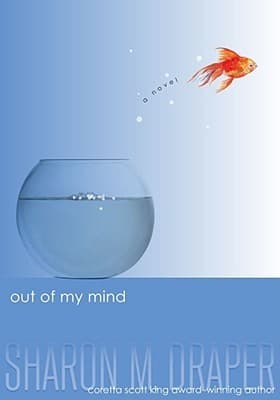
- Out of My Mind
Sharon M. Draper
4.4 (111k) average on GoodreadsChildren'sExplores a young protagonist overcoming challenges and finding their voice.
- Wonder
R.J. Palacio
4.4 (733k) average on GoodreadsChildren'sFocuses on empathy, resilience, and navigating difficult social situations.
- The Crossover
Kwame Alexander
4.3 (42k) average on GoodreadsChildren'sUses sports (basketball) as a backdrop for a story about family, loss, and growing up, written for a similar age group.
- Harry Potter and the Sorcerer's Stone
J.K. Rowling
4.5 (7M) average on GoodreadsFantasyRescued from a miserable life under the stairs, an orphaned boy discovers he's a wizard destined for a magical school, where he uncovers a dangerous secret tied to the dark wizard who murdered his parents.
- The Hobbit, or There and Back Again
J.R.R. Tolkien
4.3 (2.9M) average on GoodreadsFantasyA comfort-loving hobbit named Bilbo Baggins is whisked away by a mischievous wizard and a band of dwarves on an unexpected journey to reclaim stolen treasure from a fearsome dragon, discovering courage and a magical ring along the way.
- Harry Potter and the Goblet of Fire
J.K. Rowling
4.6 (2.6M) average on GoodreadsFantasyA bewildered Harry Potter, underage and thrust into a deadly Triwizard Tournament, must brave dragons, mermaids, and a resurgent dark magic to survive a year that will forever alter the wizarding world.





Enjoyed the summary?
A summary gives you the shape of the book. The book itself has the detail, the examples and the voice.
Find The Distance To Home on AmazonAs an Amazon Associate, BookBrief earns from qualifying purchases. How we're funded