
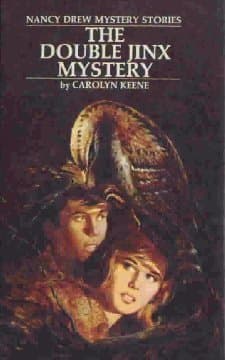
Synopsis
Covers the whole plot, including the ending.
- Difficulty
- Easy
- Pacing
- Moderate
- Mood
- Nostalgic, Puzzling, Adventurous, Wholesome
- Read it if
- You enjoy classic Nancy Drew mysteries with a focus on solving a puzzle and unmasking a villain, featuring a quaint setting and a clear good-versus-evil plot.
- Skip it if
- You prefer complex, modern mysteries with morally ambiguous characters, or find dated language and tropes distracting.
The Double Jinx Mystery Plot Summary
Covers the whole plot, including the ending.
The Mysterious Jinx and the Threatened Farm
The story begins with Nancy Drew finding a strange, jinxing bird ornament on her lawn. This immediately sparks her detective interest. Soon after, her father, Carson Drew, a well-known lawyer, tells her about his new case. He represents Mr. and Mrs. Smith, who own "The Bluebird," a rare bird farm. The farm is in danger of being destroyed for a high-rise apartment complex. The developers, represented by Mr. Henderson, are pushing hard for the sale. Nancy soon realizes the jinxing bird on her lawn might relate to the threats and intimidation aimed at those who oppose the construction, including her father and the Smiths.
Initial Investigations and Suspects
Nancy, with her friends Bess Marvin and George Fayne, begins investigating the jinxes. They visit the Smith's bird farm, observing the beautiful but increasingly nervous rare birds. The Smiths express their worry about the constant pressure and strange events. Nancy learns that others connected to the opposition, like a local historian, have also received similar jinxing objects or experienced minor problems. Mr. Henderson, the developer's representative, seems overly eager to buy the land and is the main suspect for the threats. Nancy also considers Mr. Finch, a disgruntled former employee of the Smiths, who was recently fired.
The Vanishing Bluebird
During one of Nancy's visits to The Bluebird, the farm's most valuable bird, a rare bluebird, disappears. This upsets the Smiths greatly and confirms Nancy's belief that someone is deliberately sabotaging the farm. The missing bird is a major setback, as its rarity makes the farm's future even more uncertain. Nancy suspects the theft aims to force the Smiths to sell their land, making the apartment complex project seem unavoidable. She questions the farm's staff and neighbors, but no one saw anything, which makes the crime even more puzzling.
A Clue from the Past
While searching for clues at the bird farm, Nancy finds an old, faded map hidden in a dusty attic. The map, belonging to a Smith ancestor, shows unusual marks and symbols around the property. Believing it is a key piece of the puzzle, Nancy studies it closely. She suspects the map indicates something valuable hidden on the land. This could be the real reason behind the developers' aggressive tactics, not just the desire for a high-rise. This discovery shifts her focus from just the jinxes to a deeper reason for the land acquisition.
The Hidden Spring
With her sharp mind, Nancy deciphers the old map's cryptic markings. She realizes it points to a hidden underground spring on the Smith's property. Further investigation shows this is not just any spring; its water has unique mineral properties, making it very valuable. This discovery gives the developers a clear, strong reason to acquire the land at any cost. It explains their unusual persistence and the increasing threats. The apartment complex was just a cover-up to hide their true goal of profiting from the spring.
Confrontation with Henderson
Armed with her new knowledge about the spring, Nancy confronts Mr. Henderson. She presents her findings, but Henderson strongly denies knowing about the spring or its value, sticking to the apartment complex story. However, his nervous manner and overly defensive answers reveal his true feelings. Nancy notices his increasing desperation, which only strengthens her suspicion that he is either directly involved or being used in a larger scheme by someone higher up in the development company. She decides to look more closely into Henderson's background and his true employers.
The Real Mastermind
Nancy's investigation into Henderson's employers leads her to Mr. Granger, the seemingly respectable head of the development company. Through careful deduction and by tracking financial transactions, Nancy uncovers Granger as the real mastermind. She learns that Granger had found the valuable spring years ago but could not buy the land legally. He then created the complex plan of the apartment complex and the jinxes to intimidate the Smiths and force a sale, using Henderson as his unknowing or forced agent. The jinxes were a psychological tactic to make the Smiths believe they were cursed.
The Return of the Bluebird
Following a hunch, Nancy revisits Mr. Finch, the disgruntled former employee. She sees a newly built, elaborate birdcage in his backyard, which seems out of place for his current income. Upon closer inspection, she finds the missing rare bluebird inside. Finch, pressured by Granger with promises of money, had stolen the bird to further distress the Smiths. Nancy cleverly gathers evidence to prove Finch's involvement and the bird's identity, ensuring its safe return to the Smiths. This discovery further connects Granger to the criminal activities.
The Trap and the Confession
Nancy creates a clever plan to expose Granger. She arranges a meeting with him, pretending to have found a buyer for the land who knows about the spring's value, hoping to provoke him. During the confrontation, Nancy presents her evidence, including the connection between the jinxes, the stolen bird, and the hidden spring. Cornered and realizing his plan is failing, Granger confesses to orchestrating the entire plot, including hiring Finch to steal the bluebird and using Henderson to push the apartment complex facade. Henderson, unaware of the spring, is shocked by the revelation.
Justice Prevails
With Granger's confession and Nancy's overwhelming evidence, Carson Drew can present a strong case. Granger is arrested and faces charges for fraud, intimidation, and theft. The Smiths are happy that their beloved bird farm, The Bluebird, is saved. The rare bluebird is safely returned home, and the valuable spring is secured for the Smiths. Nancy, having solved another complex mystery, ensures justice and breaks the jinx that had troubled the Drews and the Smiths.
Principal Figures
Nancy Drew
Protagonist
A brilliant and resourceful amateur detective.
Nancy Drew is a clever, courageous, and independent young woman with an insatiable curiosity and a sharp mind for solving mysteries. She is known for her keen observational skills, logical deduction, and ability to connect seemingly disparate clues. Driven by a strong sense of justice, Nancy is unafraid to confront danger or challenge powerful individuals to uncover the truth. She is loyal to her friends and deeply cares for her father, often assisting him with his legal cases.
Relationships: Carson Drew (Loving daughter and investigative partner); Bess Marvin (Close friend and assistant detective); George Fayne (Close friend and assistant detective)
Carson Drew
Supporting
Nancy's father and a renowned lawyer.
Carson Drew is a respected and successful lawyer who often finds himself entangled in intriguing cases, which Nancy frequently helps him solve. He is intelligent, supportive, and trusting of Nancy's detective abilities, providing her with guidance and resources when needed. Carson is a loving father who encourages Nancy's independence and critical thinking. In this story, he represents the Smiths, making him directly involved in the central conflict.
Relationships: Nancy Drew (Supportive father and professional colleague); Mr. and Mrs. Smith (Legal client)
Bess Marvin
Supporting
Nancy's fashion-conscious and sometimes timid friend.
Bess Marvin is one of Nancy's closest friends, known for her love of fashion, her slightly timid nature, and her occasional distractibility. Despite her initial hesitations, Bess is always willing to assist Nancy in her investigations, often providing a lighter, more emotional perspective. She is loyal and supportive, even when facing scary situations, and her presence provides a contrast to George's more adventurous spirit.
Relationships: Nancy Drew (Close friend and fellow investigator); George Fayne (Cousin and close friend)
George Fayne
Supporting
Nancy's athletic and adventurous friend.
George Fayne is Bess's cousin and another one of Nancy's best friends. She is athletic, practical, and more adventurous than Bess, often providing the physical assistance and grounded logic needed during investigations. George is fiercely loyal and brave, never shying away from danger. Her no-nonsense attitude and quick thinking make her a valuable asset to Nancy's team, balancing Bess's more cautious personality.
Relationships: Nancy Drew (Close friend and fellow investigator); Bess Marvin (Cousin and close friend)
Mr. Granger
Antagonist
The ruthless head of the development company.
Mr. Granger is the true mastermind behind the scheme to acquire The Bluebird farm. He is cunning, manipulative, and driven by greed, willing to employ deceptive and intimidating tactics to achieve his financial goals. He uses others, like Mr. Henderson and Mr. Finch, as pawns in his elaborate plan to conceal his true motive: the valuable underground spring. Granger presents a facade of respectability but is ultimately revealed as a cold and unethical businessman.
Relationships: Mr. Henderson (Subordinate and unwitting accomplice); Mr. Finch (Coerced accomplice)
Mr. Henderson
Supporting
The aggressive representative for the development company.
Mr. Henderson is the initial face of the development company's aggressive pursuit of The Bluebird farm. He is persistent, somewhat arrogant, and appears to be solely focused on acquiring the land for the high-rise project. Unbeknownst to him, he is largely a pawn in Mr. Granger's grander scheme, unaware of the hidden spring. Henderson's role is to apply pressure and negotiate, making him seem like the primary antagonist until Nancy uncovers the real mastermind.
Relationships: Mr. Granger (Employer/Subordinate); Mr. and Mrs. Smith (Opponent in land dispute)
Mr. and Mrs. Smith
Supporting
Owners of 'The Bluebird' rare bird farm.
Mr. and Mrs. Smith are the kind and dedicated owners of 'The Bluebird' rare bird farm. They are passionate about their birds and deeply attached to their property, which has been in their family for generations. They are distressed and intimidated by the threats and jinxes, but they are determined to protect their home and livelihood. Their vulnerability and love for their farm serve as the central motivation for Nancy's investigation.
Relationships: Carson Drew (Legal client); Nancy Drew (Beneficiary of her investigation)
Mr. Finch
Mentioned
A disgruntled former employee of the Smiths.
Mr. Finch is a former employee of the Smiths who was fired, making him a potential initial suspect for the jinxes and the bird theft. He is portrayed as somewhat bitter and opportunistic. He is later revealed to have been coerced or bribed by Mr. Granger into stealing the rare bluebird, highlighting the lengths Granger would go to achieve his goals. Finch is a minor character whose actions serve as a red herring and a piece of the larger criminal puzzle.
Relationships: Mr. and Mrs. Smith (Former employer); Mr. Granger (Coercer/Employer)
Themes & Insights
Justice and Truth
The main theme is Nancy's steady pursuit of justice for the innocent and her search for truth. From the first jinxing bird to finding the hidden spring, Nancy wants to expose criminals and protect the Smiths. This theme shows in her careful investigation, her refusal to be scared, and her success in bringing Mr. Granger to justice, ensuring the rightful owners keep their property.
“Nancy Drew never gave up on a mystery until she had solved it, no matter how puzzling or how dangerous it might be.”
Deception and Appearances
The novel explores deception, where things are not as they seem. The high-rise apartment complex is a cover-up to hide the real reason for wanting the valuable spring. Mr. Granger, the villain, acts respectable while planning crimes. The jinxes themselves are a form of psychological trickery, meant to frighten victims. Nancy's job is to uncover these layers of deceit to reveal the truth and the antagonists' real plans.
“The developer’s interest in the land for a high-rise was merely a cover-up for a far more valuable secret.”
Preservation vs. Progress (and Greed)
This theme contrasts preserving natural beauty and historical value (The Bluebird farm, rare birds, the hidden spring) with 'progress' driven by corporate greed. The developers represent an unchecked desire for profit at the expense of communities and ecological value. The Smiths' struggle to save their farm shows the fight against such forces. Nancy's success in saving the farm highlights the importance of protecting unique and valuable assets from exploitation.
“The Smiths loved their birds and their land more than any amount of money the developers could offer.”
Superstition vs. Logic
The mystery begins with 'jinxes,' playing on superstitious fears. The jinxing bird and later 'misfortunes' are meant to make victims believe they are cursed, weakening their resolve. Nancy, however, approaches these events with logic and reason, refusing to be swayed by superstition. She investigates the 'jinxes' as deliberate acts, proving them to be tools of intimidation rather than supernatural events. This theme emphasizes the power of rational thought over unfounded beliefs.
“Nancy knew that behind every so-called jinx, there was usually a human hand at work.”
Plot Devices & Literary Techniques
Red Herring
Misleading clues or characters that divert suspicion.
The 'jinxes' themselves serve as a significant red herring, initially making the mystery seem supernatural or based on bad luck, diverting attention from the human perpetrators. Mr. Henderson is another red herring, presented as the primary antagonist pushing for the land sale, while the true mastermind, Mr. Granger, remains hidden. Mr. Finch, the disgruntled former employee, also acts as a red herring, drawing initial suspicion for the bird theft before the larger conspiracy is revealed. These devices keep Nancy and the reader guessing, adding to the mystery's complexity.
Hidden Object/Secret
A concealed item or piece of information crucial to the plot.
The hidden underground spring is the central 'hidden object' that drives the entire plot. Its existence is the true motive behind the developers' aggressive tactics. The old map found by Nancy is another crucial hidden object, as it provides the key to locating and understanding the value of the spring. These hidden elements provide the core mystery and the ultimate explanation for the antagonist's actions, transforming a simple land dispute into a high-stakes criminal conspiracy.
Symbolism (The Bluebird)
An object or character representing a deeper meaning.
The rare bluebird, and 'The Bluebird' farm itself, symbolizes hope, uniqueness, and the preciousness of nature. Its theft represents the vulnerability of these values in the face of greed and destructive 'progress.' The farm's name evokes happiness and good fortune, making the 'double jinx' a direct attack on these positive associations. The successful return of the bluebird and the saving of the farm symbolizes the restoration of hope and justice, overcoming the forces of ill omen.
Coercion/Manipulation
The act of influencing someone through threats or trickery.
Coercion and manipulation are central to the antagonists' methods. Mr. Granger manipulates Mr. Henderson by keeping him unaware of the true motive, making him an unwitting tool. He also coerces Mr. Finch into stealing the bluebird, using his past grievances and promising financial gain. The 'jinxes' themselves are a form of psychological manipulation, designed to intimidate and wear down the Smiths' resolve. Nancy's investigation exposes these manipulative tactics, revealing the true nature of the criminal enterprise.
The Double Jinx Mystery Quotes
“Nancy Drew was a girl detective whose fame had spread far beyond her own town.”
“The Double Jinx Mystery, Nancy thought, was certainly living up to its name!”
“It takes more than a few threats to scare Nancy Drew.”
“A clue is only a clue if you know how to interpret it.”
“Sometimes the most obvious answer is the one staring you in the face.”
“There's no such thing as a coincidence when you're dealing with a mystery.”
“Teamwork makes the dream work, especially when solving a mystery.”
“Every secret has a way of coming to light, eventually.”
“The greatest joy in solving a mystery is seeing justice served.”
“Never underestimate the power of a keen eye and a curious mind.”
“A good detective always checks the details, no matter how small.”
“Danger was just another part of the adventure for Nancy Drew.”
“Even the cleverest criminal leaves a trail.”
“The truth is often stranger than fiction, and far more interesting.”
Quiz
10 questions on the plot and the characters. Each answer comes with a short explanation.
Question 1
What is the initial 'jinx' left on the Drews’ front lawn that sparks Nancy's investigation?
- A broken mirror
- A black cat
- A stuffed raven
- A four-leaf clover (upside down)
Show answer
C. A stuffed raven The mystery begins when a stuffed raven, a bird often associated with ill omen, is left on the Drews' lawn, indicating a 'double jinx'.
Question 2
Nancy's father, Carson Drew, is involved in a legal case concerning what specific type of property?
- An old mansion rumored to be haunted
- A rare bird farm
- A struggling textile factory
- A historic lighthouse
Show answer
B. A rare bird farm Carson Drew's case involves a rare bird farm that is being threatened with destruction to make way for a high-rise apartment complex.
Question 3
What is the primary motivation of the criminals behind the 'jinxes'?
- To steal valuable artifacts from the bird farm
- To scare away the owners and opponents of the high-rise development
- To find a hidden treasure on the property
- To frame Nancy Drew for a crime
Show answer
B. To scare away the owners and opponents of the high-rise development The 'jinxes' are used as a scare tactic to intimidate those who oppose the construction of the high-rise apartment complex on the bird farm's land.
Question 4
Besides the initial 'jinx', what other methods do the criminals employ to threaten their targets?
- Anonymous letters and threatening phone calls
- Sabotage of vehicles and minor arson attempts
- Symbolic 'bad luck' items and staged accidents
- Direct physical confrontations and break-ins
Show answer
C. Symbolic 'bad luck' items and staged accidents The criminals rely on a series of 'jinxes' and seemingly accidental misfortunes to frighten their opponents, rather than direct violence or theft.
Question 5
What is the name of the rare bird farm that is central to Carson Drew's case?
- Featherstone Avian Sanctuary
- Skyhaven Aviaries
- The Whispering Wings Farm
- The name is not explicitly mentioned, only described as a 'rare bird farm'.
Show answer
D. The name is not explicitly mentioned, only described as a 'rare bird farm'. While the book focuses on a 'rare bird farm', a specific proper name for the farm itself is not a key detail provided in the synopsis or typically highlighted in the plot.
Question 6
What kind of building is proposed to replace the rare bird farm?
- A new shopping mall
- A large industrial park
- A high-rise apartment house complex
- A modern hospital
Show answer
C. A high-rise apartment house complex The conflict arises because a high-rise apartment house complex is slated for construction on the land where the rare bird farm currently stands.
Question 7
How does Nancy initially connect the 'jinx' on her lawn to her father's legal case?
- She finds a note explicitly linking the two.
- The bird on her lawn is a species housed at the rare bird farm.
- The jinx is a known symbol used by the opposing party in her father's case.
- Her father tells her he received a similar jinx related to the case.
Show answer
C. The jinx is a known symbol used by the opposing party in her father's case. The use of 'jinxes' is a specific tactic employed by those who want to destroy the bird farm, and Nancy recognizes this pattern after the incident at her home.
Question 8
What is a recurring theme in 'The Double Jinx Mystery' regarding the criminals' tactics?
- The use of advanced technology to commit crimes.
- Exploiting superstitions and fear to achieve their goals.
- Kidnapping key witnesses to prevent testimony.
- Sophisticated forgery and financial fraud.
Show answer
B. Exploiting superstitions and fear to achieve their goals. The core of the mystery revolves around the criminals using 'jinxes' and playing on people's superstitions and fears of bad luck to intimidate them into giving up the bird farm.
Question 9
Who is Nancy's closest companion and frequent assistant in her investigations, though not explicitly mentioned in the synopsis, is a constant in the series?
- Ned Nickerson
- Hannah Gruen
- Bess Marvin and George Fayne
- Carson Drew
Show answer
C. Bess Marvin and George Fayne While the synopsis focuses on the plot, Bess Marvin and George Fayne are Nancy's best friends and frequent companions on her adventures in the Nancy Drew series.
Question 10
What is the ultimate goal Nancy achieves by solving the 'Double Jinx Mystery'?
- She proves her father's innocence in a false accusation.
- She uncovers a hidden treasure on the bird farm property.
- She exposes the criminals and saves the rare bird farm from destruction.
- She recovers stolen rare birds from the farm.
Show answer
C. She exposes the criminals and saves the rare bird farm from destruction. By investigating the jinxes, Nancy ultimately identifies and exposes the criminals, thereby protecting the rare bird farm and helping her father win his case.
The Double Jinx Mystery FAQ
What is the central mystery Nancy Drew investigates in 'The Double Jinx Mystery'?
Nancy Drew investigates who is leaving jinxes and threats, particularly a stuffed raven, on the Drews' lawn and at other locations. These incidents are tied to a larger scheme to intimidate opponents of a high-rise apartment complex development that threatens Mr. Drew's client, Mr. Crandall, and his rare bird farm.
Who are the primary antagonists Nancy Drew uncovers in this mystery?
The primary antagonists are Mr. Carter, a ruthless developer, and his accomplice, Mr. Kroll. They are behind the jinxes and threats, using intimidation tactics to force property owners, like Mr. Crandall, to sell their land for the high-rise development.
How does the 'double jinx' concept play out in the story?
The 'double jinx' refers to the two main types of intimidation used: the superstitious jinxes, like the stuffed raven, and the more direct, often illegal, threats and sabotage orchestrated by Carter and Kroll. Nancy realizes the jinxes are a psychological weapon, while the 'double' aspect implies a more tangible, criminal threat beneath the superstition.
What role do Ned Nickerson, Bess Marvin, and George Fayne play in Nancy's investigation?
Ned Nickerson assists Nancy with research and provides moral support, often helping with stakeouts or gathering information. Bess Marvin and George Fayne offer practical help, like tailing suspects or looking for clues, and provide a sounding board for Nancy's theories, though they can sometimes be more susceptible to the jinx scares.
What is the significance of Mr. Crandall's rare bird farm to the plot?
Mr. Crandall's rare bird farm is central because it's the target of the developers, and its unique inhabitants, particularly the exotic birds, provide several plot points. The destruction of the farm is a significant threat that motivates Mr. Drew's legal involvement and Nancy's personal interest in the case, highlighting themes of conservation.
Are there any red herrings regarding the jinxes that Nancy initially investigates?
Yes, Nancy initially considers various local individuals with eccentricities or grudges, such as disgruntled former employees or superstitious neighbors, as potential culprits for placing the jinxes. She also investigates a local 'fortune-teller' who seems to benefit from the fear generated by the jinxes, before realizing the true orchestrators are the developers.
How does the 'stuffed raven' clue evolve throughout the investigation?
The stuffed raven initially serves as a frightening symbol of the jinx, appearing mysteriously on the Drews' lawn. As Nancy investigates, she discovers similar jinxes left at other properties targeted by the developers. Eventually, she connects the raven to specific individuals who have access to such taxidermy or are involved in the intimidation scheme, revealing its use as a tool of psychological warfare.
What subtle clues does Nancy pick up that point away from mere superstition and towards a deliberate criminal plot?
Nancy notices that the jinxes are always placed at properties targeted by the development, and that the threats escalate beyond mere symbols to actual property damage or attempts at sabotage. She also observes that the 'superstitious' elements are often accompanied by very practical, financially motivated actions, suggesting a calculated strategy rather than random acts of ill will.
How does Nancy's father, Carson Drew, contribute to solving the mystery beyond his legal work?
Carson Drew provides crucial legal context and access to information about the property disputes, which guides Nancy's investigation. He also offers sound advice and acts as a trusted confidant, helping Nancy to analyze evidence and consider the legal ramifications of her findings, indirectly leading her to key discoveries about the developers' tactics.
How does Nancy's psychological resilience compare to her friends Bess and George when facing the jinxes?
Nancy demonstrates strong psychological resilience, quickly dismissing the superstitious elements of the jinxes as deliberate intimidation tactics rather than actual bad luck. Bess and George, however, are initially more susceptible to the fear and superstition, often expressing nervousness or concern, highlighting Nancy's more rational and analytical approach to threats.
What psychological impact do the jinxes have on the community and the targeted property owners?
The jinxes create an atmosphere of fear and anxiety within the community, making property owners feel vulnerable and isolated. For individuals like Mr. Crandall, the constant threats and 'bad luck' attempts wear down their resolve, making them more likely to sell their land and succumb to the developers' pressure, demonstrating the power of psychological warfare.
How does Nancy use her understanding of human psychology to outwit the criminals?
Nancy understands that the criminals are relying on fear and superstition to achieve their goals. She uses this knowledge to her advantage, often feigning belief in the jinxes or appearing unfazed, which frustrates the perpetrators and sometimes leads them to make mistakes or reveal themselves by escalating their tactics. She also anticipates their reactions to her own moves.
In what ways do the criminals exploit existing superstitions or fears within the community?
The criminals exploit existing superstitions by using symbols like the stuffed raven, which is widely considered a bird of ill omen. They also spread rumors and create incidents that can be attributed to 'bad luck' or 'curses,' playing on people's inherent fears of the unknown and the desire to avoid misfortune, making their threats seem more potent.
Is there a moral debate presented in the book regarding development versus preservation?
Yes, the book implicitly presents a moral debate between unchecked urban development, represented by Carter's high-rise project, and the preservation of natural habitats and unique properties like Mr. Crandall's rare bird farm. Nancy's efforts to protect the farm align with the value of preservation against purely profit-driven expansion.
How does the book's portrayal of 'luck' and 'jinxes' reflect a broader theme of rationalism versus superstition?
The book strongly favors rationalism over superstition. Nancy consistently seeks logical explanations for the 'jinxes,' proving them to be orchestrated acts rather than supernatural occurrences. This reinforces the theme that critical thinking and investigation can debunk fear-mongering and expose the truth behind seemingly mysterious events.
Could 'The Double Jinx Mystery' be interpreted as a commentary on corporate greed and intimidation tactics?
Absolutely. The story clearly depicts Mr. Carter and Mr. Kroll as figures driven by corporate greed, willing to use unethical and illegal intimidation tactics, including psychological warfare and sabotage, to acquire land for their profit-driven development. Nancy's role is to expose and thwart these morally corrupt business practices.
What message does the original text convey about standing up to bullies or powerful adversaries?
The original text conveys a strong message about the importance of standing up to bullies and powerful adversaries, even when they employ intimidating tactics. Nancy's unwavering determination to expose Carter and Kroll, despite the threats and dangers, encourages readers to fight for what is right and not be swayed by fear.
How does Nancy's independence and ingenuity contribute to her success where others might fail?
Nancy's independence allows her to pursue leads and theories that others might overlook or be too intimidated to investigate. Her ingenuity helps her devise clever plans, uncover hidden clues, and outsmart the criminals, demonstrating that resourcefulness and a sharp mind are often more powerful than brute force or intimidation.
About the author
Carolyn Keene is the pseudonym for the authors of the Nancy Drew Mystery Stories series. Under this pen name, numerous authors have penned over 170 books since 1930, captivating young readers with thrilling mysteries and adventures. The series, including notable titles like "The Secret of Red Gate Farm" and "Mystery of Crocodile Island," has become a cultural phenomenon, selling millions of copies worldwide and inspiring adaptations across various media.
Similar books
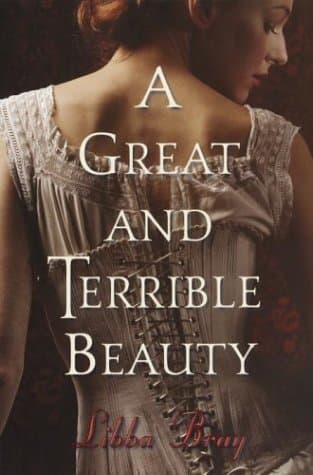
- A Great and Terrible Beauty
Libba Bray
3.8 (208k) average on GoodreadsFantasyWhile both are YA novels, Bray's work delves into darker, more complex themes of female agency, supernatural elements, and social critique within a historical setting. 'The Double Jinx Mystery' is a straightforward detective story, whereas Bray's novel explores identity and societal constraints with significantly more psychological depth and genre fusion.
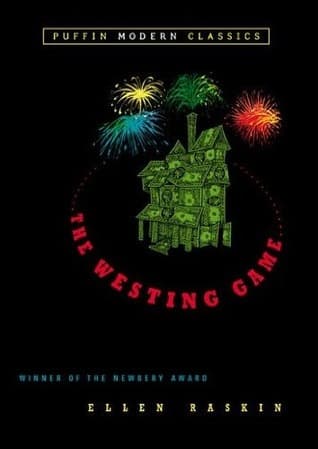
- The Westing Game
Ellen Raskin
4.0 (165k) average on GoodreadsChildren'sRaskin's Newbery Medal-winning mystery offers a more intricate puzzle with a larger cast of eccentric characters and multiple interconnected subplots. The motivations and relationships are more nuanced than in 'The Double Jinx Mystery,' which focuses primarily on Nancy's direct investigation of a singular threat. Raskin's book challenges readers with a more sophisticated intellectual challenge.
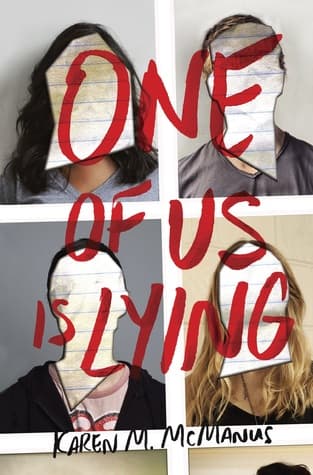
- One of Us Is Lying
Karen M. McManus
4.0 (216k) average on GoodreadsThrillerMcManus's novel represents a modern YA mystery that incorporates psychological suspense, multiple perspectives, and explores contemporary social pressures and high school dynamics. 'The Double Jinx Mystery,' in contrast, is simpler in its character motivations and narrative structure, focusing on external clues rather than internal monologues or complex interpersonal drama.
- Harry Potter and the Sorcerer's Stone
J.K. Rowling
4.5 (7M) average on GoodreadsFantasyRescued from a miserable life under the stairs, an orphaned boy discovers he's a wizard destined for a magical school, where he uncovers a dangerous secret tied to the dark wizard who murdered his parents.
- The Hobbit, or There and Back Again
J.R.R. Tolkien
4.3 (2.9M) average on GoodreadsFantasyA comfort-loving hobbit named Bilbo Baggins is whisked away by a mischievous wizard and a band of dwarves on an unexpected journey to reclaim stolen treasure from a fearsome dragon, discovering courage and a magical ring along the way.
- Harry Potter and the Goblet of Fire
J.K. Rowling
4.6 (2.6M) average on GoodreadsFantasyA bewildered Harry Potter, underage and thrust into a deadly Triwizard Tournament, must brave dragons, mermaids, and a resurgent dark magic to survive a year that will forever alter the wizarding world.



Enjoyed the summary?
A summary gives you the shape of the book. The book itself has the detail, the examples and the voice.
Find The Double Jinx Mystery on AmazonAs an Amazon Associate, BookBrief earns from qualifying purchases. How we're funded