

Synopsis
Covers the whole plot, including the ending.
- Difficulty
- Medium
- Pacing
- Moderate
- Mood
- Atmospheric, Suspenseful, Melancholy, Brooding
- Read it if
- You enjoy atmospheric mysteries set in unique, isolated locations, with a focus on small-town secrets and a slow-burn reveal.
- Skip it if
- You prefer fast-paced, action-heavy thrillers without much emphasis on character introspection or setting.
The Dry Plot Summary
Covers the whole plot, including the ending.
A Tragic Return to Kiewarra
Federal Police financial investigator Aaron Falk returns to Kiewarra, his childhood hometown in rural Australia, for the funeral of his best friend, Luke Hadler. Luke is believed to have murdered his wife, Karen, and their young son, Billy, before killing himself. The town is in a severe drought, and the atmosphere is heavy with grief, suspicion, and anger. Many townspeople are hostile to Falk's return. They still remember the unsolved death of Ellie Deacon twenty years ago, an event Falk and Luke were involved in. Luke's parents, Barb and Gerry Hadler, ask Falk to investigate the deaths. They cannot believe their son was capable of such an act, even though local police, led by Sergeant Raco, think the case is closed.
Unearthing Old Secrets and New Suspicions
Falk, at first unwilling, agrees to help Sergeant Raco investigate the Hadler murders and extends his stay in Kiewarra. As they re-examine the crime scene and interview townspeople, inconsistencies appear. The shotgun used in the murders was Luke's, but some details do not fit. Falk also reconnects with Gretchen, another childhood friend who was part of their group with Luke and Ellie. Flashbacks show parts of the past, specifically the day Ellie Deacon drowned in the river. This event led to Falk and his father being driven out of town. The current investigation starts to connect with the twenty-year-old mystery. Falk discovers that Karen Hadler had been collecting financial records related to the drought relief fund, suggesting a possible motive beyond domestic violence.
The Drought Relief Fund and Financial Irregularities
Falk, using his financial knowledge, and Raco investigate the Hadler family's finances and Luke's role in the local drought relief committee. They find that Karen Hadler had been carefully tracking unusual transactions and missing funds from the school's accounts, which the relief committee managed. This makes them suspect the murders might be connected to the embezzlement of drought relief money, not a domestic dispute. Luke, a respected community member and committee member, would have known about these funds. The investigation changes from a simple murder-suicide to a complex financial crime with deadly results, putting Falk and Raco in danger as they get closer to the truth.
Threats and Obstacles in Kiewarra
As Falk and Raco continue their investigation, they face more hostility from some townspeople. These residents resent Falk's presence and his uncovering of Kiewarra's past. Falk receives anonymous threats, and his car is vandalized. He also has tense encounters with Mal Deacon, Ellie's older brother, who still feels strong anger towards Falk for Ellie's death. Falk and Raco interview Scott Whitlam, the school principal and financial administrator for the drought fund, who seems nervous and evasive. They also speak with Jamie Sullivan, a teacher and close friend of Karen Hadler. Jamie reveals that Karen had concerns about the fund and planned to expose irregularities. This further supports the theory that the murders were not a murder-suicide but a targeted killing to silence Karen.
Gretchen's Involvement and Luke's Secret
Falk continues to gather details from the past and present. Gretchen tells Falk that Luke said he was being blackmailed. He did not say what about, but the timing seemed to match the drought fund's problems. This information suggests Luke might have been involved in the embezzlement, or at least knew about it, and was being pressured. Gretchen also shares her own difficulties, including her strained marriage, and her deep regret about not speaking up about Ellie's death years ago. The pressure on Falk grows as he realizes the current murders are linked to the unresolved trauma of Ellie's death, and that Luke's secret might be key to both.
The Truth About Ellie Deacon's Death
Through a series of clearer flashbacks, the truth about Ellie Deacon's death is revealed. On the day she died, Ellie had gone to the river with Luke, Falk, and Gretchen. Ellie and Luke had been arguing, and Luke had become aggressive, pushing Ellie into the river where she hit her head on a rock. Panicked, Luke and Gretchen decided to make it look like an accident. Falk arrived later and was told a made-up story. Falk's father, sensing the cover-up and wanting to protect his son, took the blame and left town with Aaron, leading to their being shunned. This explains Luke's guilt and his later vulnerability to blackmail, as well as the town's lasting anger towards Falk.
The Confrontation and Revelation
Falk and Raco follow the financial trail, and their suspicions lead them to Scott Whitlam, the school principal. They confront Whitlam, who at first says he is innocent. However, when Falk presents clear evidence of his embezzlement of the drought relief funds and Karen's discovery of his actions, Whitlam breaks down. He confesses to killing Karen and Billy because Karen was about to expose him. He then staged the scene to look like Luke had committed the murders, knowing Luke's past and the town's view of him would make him an easy scapegoat. Whitlam also admits to blackmailing Luke over Ellie's death, using it to ensure Luke's silence about the financial fraud.
The Final Stand at the River
After his confession, Scott Whitlam tries to escape, leading Falk and Raco on a chase through Kiewarra's dry landscape. The chase ends at the river, the same river where Ellie Deacon died years ago. In a desperate attempt to avoid capture, Whitlam tries to flee across the water. A struggle happens, and Falk and Raco eventually apprehend Whitlam. The scene is symbolic, bringing both past and present tragedies to a head in the same location. With Whitlam captured, the Hadler family can finally begin to mourn, knowing the real perpetrator has been brought to justice.
Aftermath and Departures
With Scott Whitlam in custody, the Hadler family murders are solved. Falk shares the full truth about Ellie Deacon's death with Gretchen, and they both acknowledge the lasting impact of their shared past. While justice has been served for the Hadlers, Kiewarra still faces the drought, its future uncertain. Falk prepares to leave Kiewarra again. He has faced his past and helped bring some peace to Luke's family. He leaves a small memorial for Ellie at the river, a quiet recognition of the girl who was lost and the secrets that finally came out. The town's scars, both from the drought and its buried past, will take a long time to heal.
Principal Figures
Aaron Falk
Protagonist
Federal Police financial investigator returning to his troubled hometown.
Aaron Falk is a Federal Police financial investigator who reluctantly returns to Kiewarra, his drought-stricken hometown, for the funeral of his childhood best friend, Luke Hadler. He carries the burden of a past scandal – the unresolved death of Ellie Deacon twenty years ago – which led to his ostracization from Kiewarra. Falk is intelligent, observant, and methodical, using his professional skills to uncover the truth behind the Hadler murders. He is haunted by guilt and a sense of injustice regarding Ellie's death and his forced departure from Kiewarra, making his return a journey of both investigation and self-reckoning.
Relationships: Luke Hadler (Childhood best friend, shared a dark secret); Gretchen (Childhood friend, shared witness to past events); Sergeant Raco (Investigative partner, colleague); Ellie Deacon (Childhood friend, whose death Falk was implicated in); Mal Deacon (Ellie's brother, hostile towards Falk)
Sergeant Raco
Supporting
Local Kiewarra police officer assisting Falk in the investigation.
Sergeant Raco is the local Kiewarra police officer initially in charge of the Hadler murder investigation. Despite believing it to be a clear murder-suicide, he maintains an open mind and is willing to collaborate with Falk, recognizing Falk's expertise and the Hadler parents' doubts. Raco is diligent, pragmatic, and provides a local perspective to Falk, often acting as a foil to Falk's more detached investigative style. He is a crucial ally for Falk in navigating the town's dynamics and uncovering the truth, developing a strong professional respect for Falk despite the initial friction.
Relationships: Aaron Falk (Investigative partner, colleague); Barb and Gerry Hadler (Victim's parents, his constituents)
Luke Hadler
Victim/Central Figure
Aaron Falk's childhood best friend, found dead in an apparent murder-suicide.
Luke Hadler is Aaron Falk's childhood best friend, whose apparent murder-suicide with his wife and son triggers Falk's return to Kiewarra. Luke was a respected farmer in the community, a family man, and part of the drought relief committee. However, he carried a heavy secret from his past – his involvement in Ellie Deacon's death – which made him vulnerable to blackmail. He is portrayed as a complex character, a loving father and husband on one hand, but also capable of rash actions and secrecy, which ultimately led to his tragic end. His death is the catalyst for uncovering both the current murders and the long-buried past.
Relationships: Aaron Falk (Childhood best friend, shared a dark secret); Gretchen (Childhood friend, shared witness to past events); Ellie Deacon (Childhood friend, his actions led to her death); Karen Hadler (Wife, victim); Billy Hadler (Son, victim); Barb and Gerry Hadler (Parents)
Gretchen
Supporting
Childhood friend of Aaron and Luke, still living in Kiewarra.
Gretchen is another member of the childhood quartet, along with Aaron, Luke, and Ellie. She is still living in Kiewarra, married with children, and working at the local pub. She maintains a friendly but cautious relationship with Aaron upon his return, carrying her own guilt and secrets related to Ellie's death. Gretchen provides Falk with crucial insights into Luke's state of mind before his death, including the fact that Luke was being blackmailed. She represents the lingering impact of the past on those who remained in Kiewarra and serves as a confidante for Falk as he uncovers the truth.
Relationships: Aaron Falk (Childhood friend); Luke Hadler (Childhood friend); Ellie Deacon (Childhood friend); Jamie Sullivan (Colleague, friend)
Ellie Deacon
Victim/Catalyst
A childhood friend whose mysterious death twenty years ago still haunts Kiewarra.
Ellie Deacon is a pivotal character whose death twenty years prior casts a long shadow over Kiewarra and fuels much of the town's animosity towards Aaron Falk. She was a spirited and rebellious girl, part of the close-knit group of friends with Aaron, Luke, and Gretchen. Her drowning was ruled an accident, but Falk and Luke were suspected, leading to Falk's father being blamed and their family's departure. Her death is inextricably linked to the present-day Hadler murders, as the secrets surrounding it are used for blackmail, ultimately leading to more tragedy. Her memory serves as a constant reminder of the town's buried secrets.
Relationships: Aaron Falk (Childhood friend); Luke Hadler (Childhood friend, involved in her death); Gretchen (Childhood friend, witnessed events leading to her death); Mal Deacon (Older brother, protective and vengeful)
Scott Whitlam
Antagonist
The seemingly respectable school principal, secretly embezzling drought relief funds.
Scott Whitlam is the principal of the local primary school and a respected figure in Kiewarra, also responsible for administering the drought relief fund. He appears helpful and cooperative but is secretly embezzling money from the fund. When Karen Hadler discovers his fraud, he murders her and her son, Billy, and frames Luke Hadler as the perpetrator. Whitlam is manipulative and ruthless, using Luke's past involvement in Ellie Deacon's death to blackmail him into silence. He embodies the hidden corruption beneath the surface of a seemingly close-knit community, driven by greed and a desire to maintain his respectable facade.
Relationships: Karen Hadler (Victim, discovered his fraud); Luke Hadler (Victim, blackmailed by Whitlam); Jamie Sullivan (Colleague)
Karen Hadler
Victim/Catalyst
Luke Hadler's wife, whose murder sparks the investigation.
Karen Hadler is Luke's wife and the mother of Billy, both of whom are found murdered alongside Luke. She is a meticulous and observant woman who works at the school. Her discovery of financial irregularities within the drought relief fund, managed by Scott Whitlam, ultimately leads to her death and the unfolding of the wider conspiracy. Karen represents the innocent victim who stumbles upon a dark secret, and her dedication to exposing the truth sets in motion the events that Falk investigates. Her notes and records are crucial clues for Falk and Raco.
Relationships: Luke Hadler (Husband); Billy Hadler (Son); Scott Whitlam (Colleague, her murderer); Jamie Sullivan (Close friend)
Barb Hadler
Supporting
Luke Hadler's grieving mother, who asks Falk to investigate.
Barb Hadler is Luke's mother, deeply grieving the loss of her son, daughter-in-law, and grandson. She is the one who initially implores Aaron Falk to look into the deaths, refusing to believe that her son could have committed such heinous acts. Barb's unwavering belief in Luke's innocence provides the impetus for Falk's investigation and challenges the easy conclusion of murder-suicide. She represents the enduring love of a parent and the desperate need for truth and justice for her family.
Relationships: Luke Hadler (Son); Gerry Hadler (Husband); Aaron Falk (Luke's childhood friend, her investigator)
Mal Deacon
Supporting
Ellie Deacon's older brother, still bitter about her death and Falk's past.
Mal Deacon is Ellie Deacon's older brother, a man still consumed by grief and anger over his sister's death twenty years ago. He harbors a deep resentment towards Aaron Falk, believing him to be responsible for Ellie's fate. Mal's presence in Kiewarra serves as a constant reminder of the town's unresolved past and the hostility Falk faces. He is a volatile character, quick to anger, and represents the personal toll and enduring pain that secrets and injustice can inflict on individuals within a small community.
Relationships: Ellie Deacon (Sister); Aaron Falk (Target of his resentment)
Jamie Sullivan
Supporting
School teacher and close friend of Karen Hadler.
Jamie Sullivan is a teacher at the local school and a close friend of Karen Hadler. She provides key information to Falk and Raco, revealing that Karen had expressed concerns about the drought relief fund and was planning to investigate irregularities. Jamie's testimony helps solidify the theory that Karen was murdered for what she knew, rather than being a victim of domestic violence. She represents the quiet courage of ordinary people in Kiewarra who are willing to speak up for justice.
Relationships: Karen Hadler (Close friend); Gretchen (Colleague, friend); Scott Whitlam (Colleague)
Themes & Insights
The Weight of the Past
The novel shows how past events, especially Ellie Deacon's death, affect the characters and Kiewarra twenty years later. Falk's return makes him confront his own guilt and the town's lingering anger. Past secrets directly influence the present-day murders, as Luke's involvement in Ellie's death becomes a tool for blackmail. The drought, a 'dry' landscape, reflects the emotional emptiness and the stagnation of unresolved issues. The town cannot move forward until its buried truths are revealed. This shows how history shapes and limits a community's future.
“Kiewarra was a place that remembered. It remembered the heat, the dust, and the secrets.”
Secrets and Lies
Secrets are central to both the past and present mysteries in 'The Dry'. The truth about Ellie Deacon's death was hidden by Luke and Gretchen, leading to Falk and his father being unfairly ostracized. This secret then becomes a powerful tool for Scott Whitlam to blackmail Luke, which ultimately leads to the Hadler murders. The novel shows how secrets, even buried ones, can cause problems and have devastating consequences, ruining lives and communities. The many secrets in Kiewarra create an atmosphere of distrust and suspicion, making it hard to tell truth from lies.
“He knew that some secrets, like some wounds, never truly healed.”
Community and Isolation
Kiewarra is a community that is both close-knit and isolated, especially by the drought. While everyone knows everyone else, this familiarity creates suspicion and judgment, particularly towards outsiders or those who do not follow unwritten rules. Falk experiences this isolation when he returns, facing hostility and anger from many residents who still blame him for Ellie's death. The drought makes these feelings worse, creating a desperate atmosphere where people hold onto their prejudices and isolated ways. The community's struggles show how environmental pressures can increase existing social tensions and isolate individuals.
“The drought was a monster, but Kiewarra was a town that knew how to keep its secrets close.”
Justice and Redemption
A main theme is seeking justice, for the Hadler family and for Ellie Deacon. Falk's investigation is driven by a desire to clear Luke's name and uncover the truth. It also becomes a journey towards his own redemption regarding Ellie's death. By solving both cases, Falk brings some justice to the victims and helps correct the record for himself and his father. The novel suggests that real justice means facing uncomfortable truths, no matter how painful, and that redemption can be found in seeking and revealing that truth.
“The truth was a beast, sometimes, but it was a beast that needed to be fed.”
The Impact of Drought
The constant drought is more than just a setting; it is a force that shapes the lives, livelihoods, and psychological states of Kiewarra's residents. The dry, dusty landscape reflects the emotional emptiness and desperation in the community. The drought contributes to economic hardship, increasing stress and tensions, and even plays a role in the motives behind the embezzlement of the relief fund. It creates a suffocating atmosphere that amplifies existing problems and makes the town feel like a pressure cooker, where small-town secrets and grievances are intensified.
“The land was cracked and baked, as if the sun had sucked all the life out of it, leaving nothing but dust and despair.”
Plot Devices & Literary Techniques
Dual Timeline/Flashbacks
Interweaving past events with the present investigation.
The narrative effectively uses a dual timeline, constantly shifting between Aaron Falk's present-day investigation of the Hadler murders and his memories/flashbacks of his childhood in Kiewarra, particularly the events surrounding Ellie Deacon's death twenty years prior. These flashbacks are initially fragmented and ambiguous, gradually becoming clearer as Falk uncovers more clues in the present. This device builds suspense, creates parallels between the two mysteries, and slowly reveals the full truth of both the past and present tragedies, demonstrating how the past directly impacts the present.
Red Herring
Misleading clues and characters to divert suspicion.
The novel skillfully employs red herrings to mislead the reader and Falk's investigation. The initial conclusion of murder-suicide by Luke Hadler serves as the primary red herring, supported by the town's existing prejudices against Falk and the convenient staging of the crime scene. Other characters, such as Mal Deacon and even some of Falk's childhood friends, are presented in ways that momentarily make them seem suspicious. This technique keeps the reader guessing and adds layers of complexity to the mystery, making the eventual reveal of the true killer more impactful.
Atmospheric Setting (The Drought)
The extreme drought as a powerful, oppressive force.
The severe, prolonged drought is not merely a backdrop but a crucial plot device that intensifies the novel's mood and themes. The parched, dusty, and unforgiving landscape mirrors the emotional dryness and desperation of the characters and the town. It creates a sense of oppressive claustrophobia and hopelessness, heightening the tension and the stakes of the investigation. The drought's economic impact also provides a direct motive for the embezzlement that leads to the murders, making it an integral part of the plot's mechanics and thematic resonance.
Unreliable Memory/Subjective Perspective
Falk's fragmented and initially biased recollections of the past.
Falk's memories of Ellie Deacon's death are initially presented as fragmented, guilt-ridden, and potentially influenced by his own trauma and the town's narrative. The reader experiences the past through Falk's subjective and incomplete recollections, which contributes to the mystery and the gradual reveal of the truth. This device highlights how memory can be fallible and shaped by emotion, and how confronting the past requires piecing together objective facts alongside subjective experiences to form a complete picture.
The Dry Quotes
“The drought had left the flies spoiled for choice that summer.”
“Sometimes it's the person you'd least expect who can do the most damage.”
“The past was a ghost, insubstantial, unaccountable.”
“Small towns have long memories.”
“You can't outrun the past, no matter how hard you try.”
“The truth is like the sun. You can shut it out for a time, but it ain't goin' away.”
“In a place this dry, even the lies crack and crumble.”
“Sometimes the quiet ones are the ones you have to watch.”
“Grief is a strange thing. It can make you do things you never thought possible.”
“The land doesn't forgive, and neither do the people.”
“Every secret has its price, and in Kiewarra, the price is high.”
“You don't know what people are capable of until they're pushed to the edge.”
“The dry doesn't just kill the land; it kills the soul.”
“Trust is a fragile thing in a town like this.”
Quiz
10 questions on the plot and the characters. Each answer comes with a short explanation.
Question 1
What is the primary reason Aaron Falk returns to Kiewarra at the beginning of the novel?
- To investigate a new federal case assigned to him
- To attend the funeral of his childhood friend Luke Hadler
- To visit his aging parents who still live there
- To escape personal problems in the city
Show answer
B. To attend the funeral of his childhood friend Luke Hadler Falk returns specifically for Luke Hadler's funeral after learning about the Hadler family murders, though he's reluctant due to past tensions with the town.
Question 2
What secret did Aaron Falk and Luke Hadler share from twenty years earlier?
- They had stolen money from a local business together
- They were involved in covering up the truth about Ellie Deacon's death
- They had started a secret romantic relationship
- They had discovered hidden gold on Falk's family property
Show answer
B. They were involved in covering up the truth about Ellie Deacon's death Falk and Luke provided each other with false alibis for the day Ellie Deacon drowned, leading the town to suspect Falk was involved in her death.
Question 3
What initially appears to be the cause of the Hadler family murders?
- A random break-in by outsiders
- A dispute over water rights during the drought
- A murder-suicide by Luke Hadler
- Retaliation from a business rival
Show answer
C. A murder-suicide by Luke Hadler The official theory is that Luke killed his wife and son before taking his own life due to financial pressures from the drought, but Falk suspects otherwise.
Question 4
Which character assists Falk in his unofficial investigation of the Hadler case?
- Sergeant Greg Raco
- Luke's father, Gerry Hadler
- Falk's former teacher, Mrs. McKinnon
- The town mayor, Douglas P. Whitlam
Show answer
A. Sergeant Greg Raco Local police sergeant Greg Raco, who is new to Kiewarra and less influenced by town history, works with Falk to uncover the truth.
Question 5
What significant piece of evidence suggests Luke Hadler did not commit the murders?
- A hidden diary detailing his innocence
- Security camera footage from a nearby property
- The position of Luke's body and the shotgun
- A farewell note found in his truck
Show answer
C. The position of Luke's body and the shotgun Falk and Raco notice that Luke's body and the shotgun are positioned in a way that makes it unlikely he shot himself, pointing to murder.
Question 6
How does the severe drought in Kiewarra function thematically in the novel?
- It symbolizes the town's economic prosperity and growth
- It represents the emotional and moral dryness of the community
- It serves as a backdrop for a celebration of rural life
- It highlights the benefits of modern farming technology
Show answer
B. It represents the emotional and moral dryness of the community The drought mirrors the parched relationships, hidden secrets, and desperate actions in Kiewarra, intensifying the novel's atmosphere of tension and decay.
Question 7
Why did the townspeople turn against Aaron Falk twenty years before the events of the novel?
- He was caught cheating in a local sports competition
- They believed he was responsible for Ellie Deacon's death
- He had publicly criticized the town's leadership
- He refused to join the family farming business
Show answer
B. They believed he was responsible for Ellie Deacon's death After Ellie Deacon drowned, Falk became the prime suspect due to his relationship with her and his false alibi from Luke, leading to ostracism.
Question 8
What is revealed about the financial situation of the Hadler family before the murders?
- They had recently won the lottery and were planning to leave town
- Luke had secured a lucrative contract that would save the farm
- They were deeply in debt and facing foreclosure
- They were secretly wealthy from an inheritance
Show answer
C. They were deeply in debt and facing foreclosure The drought had crippled the Hadlers financially, with Luke owing money to multiple people, including Mal Deacon, which adds motive to the murder theory.
Question 9
Who is ultimately revealed to be responsible for the Hadler family murders?
- Grant Dow, a local farmer with a grudge
- Mal Deacon, Ellie's father seeking revenge
- Jamie Sullivan, a troubled teenager from town
- Gretchen, Luke's wife, who survived the attack
Show answer
D. Gretchen, Luke's wife, who survived the attack Gretchen is exposed as the killer; she murdered Luke and their son after discovering Luke's plan to leave them due to the financial strain and her own desperation.
Question 10
What does Falk discover about Ellie Deacon's death that changes his understanding of the past?
- That she was actually murdered by a serial killer passing through town
- That her death was a suicide, not an accident
- That Luke Hadler was directly responsible for her drowning
- That she had faked her death and left town
Show answer
C. That Luke Hadler was directly responsible for her drowning Falk learns that Luke accidentally caused Ellie's death during a confrontation, which explains why Luke helped cover it up and adds depth to their shared secret.
The Dry FAQ
What is 'The Dry' about?
'The Dry' follows Federal Police investigator Aaron Falk as he returns to his drought-stricken hometown of Kiewarra after his childhood friend Luke Hadler is found dead alongside his wife and son in an apparent murder-suicide. Falk reluctantly investigates the deaths while confronting the town's hostility toward him over a secret he shared with Luke twenty years earlier involving the drowning of their friend Ellie Deacon.
Why should I read 'The Dry'?
You should read 'The Dry' for its masterful atmospheric tension, where the oppressive Australian drought becomes a character itself, and for its intricate dual-timeline mystery that weaves past and present secrets. Jane Harper's debut delivers a gripping page-turner with authentic small-town dynamics and a protagonist whose personal stakes make the investigation deeply compelling.
What is the background/setting of 'The Dry'?
The novel is set in the fictional farming community of Kiewarra, a small town in rural Australia suffering through the worst drought in a century. The parched landscape, dying livestock, and economic desperation create a claustrophobic backdrop that amplifies the town's secrets and tensions, making the environment central to the story's mood and conflicts.
What are the most memorable quotes?
Memorable quotes include: 'The drought had left the flies spoiled for choice,' highlighting the grim atmosphere, and Falk's reflection, 'Secrets in a small town were like bodies in a shallow grave. They didn't stay buried forever.' These lines encapsulate the novel's themes of hidden truths and environmental decay.
What writing style does the author use?
Jane Harper employs a crisp, descriptive prose style that vividly evokes the harsh Australian outback, using the drought as a metaphor for moral decay. Her narrative alternates between the present investigation and flashbacks to twenty years earlier, building suspense through gradual revelations and tight pacing characteristic of a psychological thriller.
What minor details add significant meaning?
Minor details like the recurring image of the dry riverbed where Ellie drowned symbolize the town's buried secrets and emotional desiccation. The Hadlers' neglected farm equipment and empty water tanks subtly reflect the family's financial and personal struggles, hinting at motives beyond the surface.
What are some subtle foreshadowing moments?
Early mentions of Luke Hadler's financial troubles and his wife Karen's isolation foreshadow the possibility of murder-suicide, while Falk's unease about returning to Kiewarra hints at unresolved trauma from Ellie's death. The town's whispered rumors about Falk and Luke's past subtly point to the truth behind Ellie's drowning.
What unexpected character connections exist?
Unexpected connections include Gretchen, Falk's former love interest, who holds key insights into both past and present events, and local farmer Mal Deacon, Ellie's father, whose grief ties into the town's collective guilt. The revelation that multiple townspeople were involved in covering up Ellie's accidental death links seemingly disparate characters.
What are unspoken character motivations?
Aaron Falk is motivated by unspoken guilt over Ellie's death and a need to clear his name, while Luke Hadler's actions stem from a desperate attempt to protect Falk and himself from past mistakes. Karen Hadler's isolation and resentment toward Luke are driven by unvoiced financial fears and marital discord.
What psychological complexities do characters exhibit?
Falk exhibits survivor's guilt and PTSD from Ellie's death, complicating his investigation with personal bias. Luke Hadler shows a conflict between loyalty to Falk and the pressures of fatherhood and farming. The townsfolk display collective denial and scapegoating, using Falk as an outlet for their own unresolved shame over Ellie's drowning.
What are the major emotional turning points?
Major emotional turning points include Falk's confrontation with Mal Deacon, where past grief erupts, and the discovery of Luke's suicide note, which reveals his torment over Ellie's death. The climax where Falk pieces together the truth about the Hadler murders forces him to confront his own culpability and the town's complicity.
How do relationship dynamics evolve?
Falk's relationship with local sergeant Greg Raco evolves from mutual suspicion to trusted partnership as they uncover the truth. His tense interactions with townsfolk like Gretchen and Mal Deacon shift from hostility to uneasy understanding, while his internal conflict with Luke's memory moves from idealized friendship to painful realism.
Which parts remain ambiguous or open-ended?
The novel leaves ambiguous whether Falk will fully reconcile with the town or find peace, and the exact emotional state of Karen Hadler before her death is left partially unresolved. The long-term impact of the revealed secrets on Kiewarra's community is not fully explored, leaving room for interpretation about healing or continued division.
What are controversial scenes or decisions?
Controversial scenes include Falk and Luke's decision to cover up Ellie's accidental drowning, which many readers debate as morally gray, and the townspeople's collective scapegoating of Falk. Luke's choice to stage the Hadler murders as a murder-suicide to protect Falk sparks discussion on the extremes of loyalty and desperation.
'The Dry' ending explained: how it ends & what it means
The ending reveals that Luke Hadler killed his wife and son in a mercy killing due to financial ruin and despair, then staged it as a murder-suicide to frame a local bully, Grant Dow, while protecting Falk's secret. Falk exposes the truth, clearing Dow and confronting the town's past lies. It signifies that secrets, like the drought, cause lasting damage, and redemption comes through truth, however painful.
About the author

Jane Harper is an Australian author known for her compelling fiction, particularly in the crime and thriller genres. Her notable work, "The Dry," has received significant recognition and has been adapted into a film. Harper's writing often explores themes of isolation and the complexities of human relationships against the backdrop of the Australian landscape.
Similar books
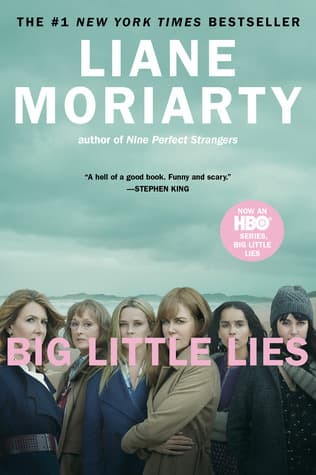
- Big Little Lies
Liane Moriarty
4.3 (748k) average on GoodreadsThrillerExplores dark secrets in a seemingly perfect community, with a focus on past events impacting the present.
- In the Woods
Tana French
3.8 (304k) average on GoodreadsThrillerBoth novels feature a detective returning to a traumatic childhood setting to solve an unresolved mystery. While French excels in psychological depth and ambiguous resolutions, The Dry provides a more direct and clearer sense of closure to its central mystery. Harper's narrative, while complex and emotionally resonant, adheres more closely to traditional whodunit structures, offering a less ambiguous truth than French's often unresolved threads.
- Angels & Demons
Dan Brown
3.9 (2.7M) average on GoodreadsThrillerA Harvard symbologist races through Rome's ancient sites, deciphering cryptic clues to unmask the Illuminati and stop a vengeful plot to destroy the Vatican with a stolen antimatter weapon.
- Gone Girl
Gillian Flynn
4.1 (2.3M) average on GoodreadsThrillerA wife's sudden disappearance on her fifth anniversary reveals a web of lies and psychological warfare, exposing the secrets within a seemingly perfect marriage.
- The Girl on the Train
Paula Hawkins
3.9 (2.1M) average on GoodreadsThrillerA woman’s fascination with a seemingly perfect couple she watches from her daily train commute leads her into a dark investigation when she witnesses something that shatters their idyllic image.
- The Da Vinci Code
Dan Brown
3.9 (1.9M) average on GoodreadsThrillerA symbologist and a cryptologist race through European landmarks, deciphering ancient codes and uncovering a conspiracy that could rewrite the foundations of Christianity.





Enjoyed the summary?
A summary gives you the shape of the book. The book itself has the detail, the examples and the voice.
Find The Dry on AmazonAs an Amazon Associate, BookBrief earns from qualifying purchases. How we're funded