

Synopsis
Covers the whole plot, including the ending.
- Difficulty
- Medium
- Pacing
- Fast
- Mood
- Suspenseful, Intriguing, Tense, Historical
- Read it if
- You enjoy fast-paced spy thrillers with historical elements, art crime, and a morally complex protagonist.
- Skip it if
- You dislike espionage novels, stories with WWII historical backdrops, or intricate plots involving art theft and political intrigue.
The English Assassin Plot Summary
Covers the whole plot, including the ending.
The Zurich Assignment
Gabriel Allon, an Israeli art restorer in Cornwall, England, receives a summons from Swiss banker Augustus Rolf to restore a Raphael painting in his Zurich villa. Gabriel travels to Switzerland, only to find Rolf's bloodied body at the foot of the painting. Inspector DuBois quickly rules it a suicide. However, Gabriel notices inconsistencies, like the position of Rolf's hands and the pristine state of nearby art, suggesting foul play. He also learns that Rolf had an extensive, secret collection of Impressionist paintings, many of which are now missing, hinting at a deeper conspiracy.
The Israeli Connection and the Missing Art
Following Rolf's death, Gabriel's Israeli handlers, Ari Shamron and Uzi Navot, appear. They reveal that Rolf was an informant, providing intelligence on Swiss banks' illicit dealings during World War II, specifically concerning Nazi looted art and Jewish assets. The missing Impressionist collection was part of this illicit hoard, acquired by Rolf's family through questionable means. Shamron tasks Gabriel with recovering the stolen art and uncovering the truth behind Rolf's murder, which they believe is connected to his investigations into wartime financial crimes and the powerful figures involved.
A Deadly Confrontation in Venice
Gabriel's investigation leads him to Venice, Italy, where he traces the missing paintings to a notorious art dealer. He sets up a trap, posing as a buyer interested in the stolen works. The plan ends in a tense confrontation in a Venetian palazzo, where Gabriel faces the assassin responsible for Rolf's death. To his shock, the killer is Jean-Luc Martel, an operative Gabriel himself had trained years ago in Israeli intelligence. Martel, now a rogue agent, tries to eliminate Gabriel, leading to a brutal and personal struggle.
Martel's Escape and the Broader Conspiracy
Despite Gabriel's efforts, Jean-Luc Martel escapes in Venice, leaving Gabriel injured and frustrated. The encounter confirms that Martel is part of a sophisticated organization. Shamron explains that Martel likely works for powerful individuals who benefited from Swiss neutrality and financial secrecy during WWII, and who are desperate to keep the truth about their ill-gotten gains buried. The stolen art is valuable not just for its monetary worth, but for the information it represents, which could expose a vast network of corruption.
The Hunt for Martel and the Swiss Connection
Gabriel, driven by a personal vendetta against Martel and a commitment to justice for Rolf, begins a relentless pursuit across Europe. He uncovers more evidence linking Martel to powerful Swiss banking families and their long-held secrets. The investigation reveals that Rolf was not just a victim, but a man attempting to atone for his family's past involvement in wartime profiteering. Gabriel realizes that the conspiracy extends to the highest levels of Swiss society, with individuals who have hidden their tracks for decades, using their influence to silence anyone who threatens to expose them.
The Daughter's Role and a Desperate Alliance
Gabriel seeks out Chiara Zolli, Augustus Rolf's estranged daughter, hoping she can provide insights into her father's activities or the missing art. Chiara is wary and defensive, having been estranged from her father for years due to his secretive nature and the family's shadowy past. However, as Gabriel reveals the true nature of her father's death and the extent of the conspiracy, Chiara begins to cooperate. She has crucial information about her father's personal affairs and a hidden safe deposit box, which becomes a key to unraveling the mystery, making her a target for Martel.
The Trap in Geneva
Using information from Chiara and his intelligence network, Gabriel plans to lure Martel into a trap in Geneva. He orchestrates a situation involving a potential buyer for one of the recovered paintings, knowing Martel will be sent to retrieve or destroy it. The plan is dangerous, as Martel is a skilled and unpredictable adversary. The tension builds as Gabriel and his team prepare for the encounter, knowing a single misstep could cost them their lives and allow the conspirators to escape justice.
The Showdown and Revelations
The confrontation in Geneva is brutal and intense. Gabriel and Martel engage in a deadly cat-and-mouse game through the city's streets and hidden passages. During their final struggle, Gabriel overpowers Martel. Before Martel dies, or is captured, he reveals the identity of the true mastermind behind Rolf's murder and the larger cover-up: a powerful, seemingly untouchable figure within the Swiss establishment, deeply implicated in wartime profiteering. This revelation exposes the vast reach and ruthlessness of the conspiracy, extending beyond a single assassin.
Exposing the Truth
With Martel neutralized and the mastermind identified, Gabriel, with the help of Shamron and other allies, gathers the evidence needed to expose the powerful Swiss figures involved in the wartime crimes and the subsequent cover-up. The missing art, along with documents found in Rolf's hidden safe deposit box, provides crucial links. Gabriel faces immense pressure and resistance from those who wish to maintain the status quo and protect their reputations. The process is slow and arduous, but Gabriel is determined to bring these long-hidden truths to light, even if it means jeopardizing his own safety.
Justice and Aftermath
The evidence amassed by Gabriel and his team eventually leads to public exposure and legal repercussions for the Swiss conspirators. While not all are brought to immediate justice, their reputations are shattered, and their illicit dealings are revealed. The recovered art is returned to its rightful owners or their descendants, providing some closure. Gabriel, though successful, is left with the scars of violence and betrayal. He reflects on the personal toll of his work, the moral ambiguities of the spy world, and the enduring nature of historical injustice, before retreating to his quiet life as an art restorer.
The English Assassin Characters
Gabriel Allon
Protagonist
An Israeli art restorer and highly skilled former assassin, haunted by his past.
Gabriel Allon is a complex and enigmatic character, a master art restorer whose true calling is that of an Israeli intelligence agent and assassin. Haunted by a past tragedy involving his family, he seeks solace in art but is continually drawn back into the shadowy world of espionage. He is meticulous, intelligent, and possesses a sharp analytical mind, allowing him to see details others miss. Despite his lethal skills, he is driven by a strong moral compass and a desire for justice, especially when it concerns historical wrongs and the victims of past atrocities. He often struggles with the duality of his life.
Relationships: Ari Shamron (Mentor and handler, father figure); Chiara Zolli (Initial suspect, then reluctant ally and romantic interest); Jean-Luc Martel (Former protégé, now sworn enemy)
Jean-Luc Martel
Antagonist
A highly skilled, rogue assassin trained by Gabriel, now working for dark forces.
Jean-Luc Martel is a formidable and ruthless assassin, once a promising recruit trained by Gabriel Allon himself. He possesses exceptional combat skills, tactical cunning, and a cold, professional demeanor. Martel embodies the dark side of espionage, having forsaken any moral code for the sake of his employers. His past connection to Gabriel adds a deeply personal layer to their conflict, as he represents a twisted reflection of Gabriel's own capabilities. He is driven by loyalty to his current masters and a desire to eliminate any threats to their secrets, making him a relentless and dangerous adversary.
Relationships: Gabriel Allon (Former trainer and current nemesis); The Swiss Conspirators (Employer and protector of their secrets)
Ari Shamron
Supporting
Gabriel's seasoned and enigmatic handler, a high-ranking Israeli intelligence officer.
Ari Shamron is a veteran Israeli intelligence officer, Gabriel Allon's handler, and a father figure. Shrewd, cunning, and deeply experienced in the world of espionage, Shamron operates with a pragmatic and often ruthless efficiency. He understands Gabriel better than anyone and knows how to motivate him, often by appealing to his sense of justice or by subtly manipulating him into action. Shamron orchestrates Gabriel's missions, providing guidance and resources, but also pushing him to confront the moral complexities of his work. He represents the institutional memory and strategic mind of the Israeli intelligence service.
Relationships: Gabriel Allon (Handler, mentor, and surrogate father)
Augustus Rolf
Supporting
A reclusive Swiss banker and art collector, murdered for his efforts to expose wartime secrets.
Augustus Rolf is a reclusive and wealthy Swiss banker, whose murder sets the entire plot in motion. He is a complex character, a man burdened by his family's past involvement in wartime profiteering. Initially perceived as just a client, it is revealed that Rolf was attempting to atone for his family's sins by secretly investigating the illicit acquisition of art and assets during World War II. His efforts to expose these truths led to his assassination. He is a symbol of the moral dilemma faced by those who inherited wealth built on questionable wartime dealings, and his death serves as a catalyst for Gabriel's mission.
Relationships: Chiara Zolli (Estranged daughter); Gabriel Allon (Unwitting client and victim whose death Gabriel investigates)
Chiara Zolli
Supporting
Augustus Rolf's estranged daughter, who becomes an unwitting pawn and then an ally.
Chiara Zolli is Augustus Rolf's estranged daughter, an independent woman who initially wants nothing to do with her father's shadowy past or his vast wealth. She is intelligent, observant, and initially skeptical of Gabriel's claims. However, as the truth about her father's murder and the extent of the conspiracy unfolds, Chiara becomes a vital, albeit reluctant, ally to Gabriel. She holds key information about her father's personal life and secrets, and her vulnerability makes her a target for the conspirators. Her journey forces her to confront her family's dark legacy and the moral complexities of inherited wealth.
Relationships: Augustus Rolf (Estranged father); Gabriel Allon (Initial suspect, then ally and developing romantic interest)
Uzi Navot
Supporting
A loyal and capable Israeli intelligence operative, working under Shamron.
Uzi Navot is a reliable and dedicated operative within the Israeli intelligence service, working closely with Ari Shamron. He provides logistical support, intelligence gathering, and acts as Shamron's trusted lieutenant. Uzi is pragmatic and efficient, often serving as a foil to Gabriel's more solitary and artistic nature. He ensures that Gabriel has the necessary resources and information to carry out his missions, and is instrumental in coordinating the broader intelligence efforts. He represents the practical, operational arm of the Israeli intelligence apparatus.
Relationships: Ari Shamron (Subordinate and trusted colleague); Gabriel Allon (Operational colleague)
Inspector DuBois
Supporting
A Swiss police inspector who initially dismisses Rolf's death as a suicide.
Inspector DuBois is the lead Swiss police officer investigating Augustus Rolf's death. He is initially portrayed as competent but somewhat narrow-minded, quick to conclude that Rolf's death was a suicide. DuBois represents the official, somewhat complacent, Swiss perspective that prefers to avoid scandal and maintain an image of neutrality. His initial resistance to Gabriel's suspicions highlights the difficulty of uncovering deep-seated conspiracies within established systems. Over time, he may grudgingly come to accept that there is more to the case than meets the eye, but he remains bound by the constraints of his position.
Relationships: Gabriel Allon (Initial antagonist (due to conflicting theories), then cautious colleague)
The Swiss Conspirators (Collective)
Antagonist
Powerful, unnamed figures in Swiss banking and society, protecting wartime secrets.
This collective antagonist represents the entrenched power and influence within Swiss society that actively seeks to suppress the truth about wartime profiteering and the illicit acquisition of Jewish assets and art. They are faceless but immensely powerful, using their wealth and connections to orchestrate assassinations and cover-ups. Their motivation is self-preservation, maintaining their families' reputations and fortunes built on questionable foundations. They operate through intermediaries like Jean-Luc Martel, making them difficult to identify and bring to justice, and symbolizing the systemic nature of historical cover-ups.
Relationships: Jean-Luc Martel (Employer of the assassin); Augustus Rolf (Victim of their cover-up)
The English Assassin Themes
Historical Justice and Atonement
The novel explores confronting historical injustices, particularly those from World War II. It highlights Switzerland's complex role during the war, focusing on illicit financial dealings and profiteering from Nazi-looted art and Jewish assets. Augustus Rolf's character embodies the struggle for atonement, as he tries to right his family's past wrongs, leading to his demise. Gabriel Allon's mission is not just about revenge, but about bringing truth to light and providing justice for the victims of these long-buried crimes. The recovery of the stolen art symbolizes the reclamation of lost heritage and dignity, as Gabriel works to identify and return the masterpieces.
“Sometimes, Gabriel thought, the dead demanded more than the living.”
The Dual Nature of Identity and Morality
Gabriel Allon constantly grapples with his dual identity as a renowned art restorer and a deadly intelligence operative. This theme explores the moral ambiguities in his work: using violence to achieve justice, and living a life of deception. His artistic pursuits offer peace and beauty, contrasting sharply with the brutal realities of his espionage. Jean-Luc Martel further highlights this duality, representing a darker path Gabriel himself could have taken. The novel questions whether one can truly escape their past and whether the ends justify the means in the pursuit of justice, particularly when dealing with the dark underbelly of historical secrets.
“He was a man of two lives, and the two were always at war.”
The Power of Secrets and Cover-ups
Secrets, both personal and institutional, drive the narrative. The Swiss banking establishment's long-held secrets about wartime profiteering form the core of the conspiracy. The powerful figures involved are willing to commit murder and orchestrate elaborate cover-ups to protect their reputations and fortunes. Augustus Rolf's secret investigations and his hidden art collection are central to unraveling these truths. The novel shows how deeply entrenched secrets can be, and the lengths to which powerful individuals and institutions will go to keep them buried. It also explores the corrosive effect of these secrets on individuals and society, and the difficulty of exposing them when facing such immense power.
“Some secrets were meant to remain buried, protected by the silence of the grave.”
Betrayal and Loyalty
The theme of betrayal is central, particularly with Jean-Luc Martel, Gabriel's former trainee, now an assassin. Martel's betrayal is deeply personal for Gabriel, highlighting the fragility of trust in espionage. Augustus Rolf's trust in certain individuals is also betrayed, leading to his murder. Conversely, the loyalty of characters like Ari Shamron and Uzi Navot to Gabriel and their mission underscores the importance of trust and solidarity in a dangerous world. The novel explores how betrayal can motivate revenge and a fierce determination for justice, while loyalty provides the necessary foundation for difficult and dangerous operations.
“The worst betrayals were always by those you trusted most.”
Plot Devices & Literary Techniques
The MacGuffin (Missing Art Collection)
A priceless collection of stolen Impressionist paintings that drives the plot.
The missing collection of Impressionist masterpieces serves as the primary MacGuffin in 'The English Assassin.' While the art itself is valuable, its true significance lies in what it represents: evidence of illicit wartime dealings and a key to unlocking the conspiracy behind Augustus Rolf's murder. Gabriel's mission to recover the art is a tangible goal that propels him across Europe, leading him to confront Jean-Luc Martel and uncover the broader network of conspirators. The art is less important for its aesthetic value and more for its function as a catalyst for revealing deeper truths about historical injustice and corruption.
The Mentor Figure (Ari Shamron)
Gabriel's seasoned handler who guides and manipulates him into action.
Ari Shamron functions as the classic mentor figure for Gabriel Allon. He is a wise, experienced, and sometimes manipulative leader who understands Gabriel's capabilities and vulnerabilities. Shamron provides Gabriel with missions, intelligence, and the necessary resources, but also pushes him emotionally and psychologically. He acts as Gabriel's moral compass and strategic guide, even while acknowledging the dark nature of their work. His presence provides a grounding force for Gabriel, reminding him of his duty and the larger stakes involved, while also representing the institutional memory and authority of the Israeli intelligence service.
The Personal Vendetta
Gabriel's personal connection to the assassin, fueling his relentless pursuit.
The revelation that Jean-Luc Martel, the assassin, was once Gabriel's protégé transforms the mission from a professional assignment into a deeply personal vendetta. This plot device adds significant emotional weight to Gabriel's pursuit. It elevates the conflict beyond mere espionage, making it a battle between former master and student, a twisted reflection of Gabriel's own past. This personal stake fuels Gabriel's relentless determination, making him more driven and willing to take greater risks, as he seeks not only justice for Rolf but also to confront the moral implications of Martel's actions and his own role in training him.
The Femme Fatale/Reluctant Ally (Chiara Zolli)
A mysterious woman who initially obstructs, then aids, the protagonist.
Chiara Zolli initially embodies elements of a femme fatale – mysterious, beautiful, and potentially withholding information. However, she evolves into a reluctant ally. Her estranged relationship with her father, Augustus Rolf, and her initial skepticism towards Gabriel's claims create early narrative tension. As Gabriel uncovers more truths, Chiara's vulnerability and her possession of crucial information (like knowledge of a hidden safe deposit box) make her a key player. Her character serves to both complicate Gabriel's investigation and provide him with vital emotional and practical support, while also adding a potential romantic subplot to the narrative.
The English Assassin Quotes
“The past is never dead. It's not even past.”
“There are some things you can never outrun, no matter how fast you are.”
“The world is a dangerous place, not because of those who do evil, but because of those who look on and do nothing.”
“Every secret has a shelf life.”
“Trust is a weapon that can cut both ways.”
“Sometimes the greatest lies are told in silence.”
“He understood then that true courage was not the absence of fear, but the triumph over it.”
“The dead can tell no tales, but they can leave behind a trail of breadcrumbs.”
“Revenge is a dish best served cold, but justice is a meal for the living.”
“Art, like life, is full of shadows and light.”
“The truth is rarely simple, and never convenient.”
“In this game, there are no friends, only temporary allies.”
“Sometimes you have to break a few rules to save the world.”
Quiz
10 questions on the plot and the characters. Each answer comes with a short explanation.
Question 1
What is Gabriel Allon's primary profession at the beginning of 'The English Assassin'?
- Art Dealer
- Historian
- Art Restorer
- Security Consultant
Show answer
C. Art Restorer Gabriel Allon is introduced as an art restorer, a cover he uses that occasionally intersects with his work as an Israeli agent.
Question 2
Where is Gabriel Allon sent when he discovers his would-be employer murdered?
- London, England
- Paris, France
- Zurich, Switzerland
- Rome, Italy
Show answer
C. Zurich, Switzerland Gabriel is sent to Zurich, Switzerland, to restore a painting for a reclusive millionaire banker, where he finds the man murdered.
Question 3
What specific type of art collection is reported missing after the banker's murder?
- Renaissance sculptures
- Modern abstract paintings
- Priceless, illicitly gained Impressionist masterpieces
- Ancient Roman artifacts
Show answer
C. Priceless, illicitly gained Impressionist masterpieces The missing collection consists of priceless, illicitly gained Impressionist masterpieces, central to the plot's mystery.
Question 4
What historical scandal is the novel rooted in, according to the synopsis?
- France's post-war reconstruction efforts
- Switzerland's WWII record of profiteering and collaboration with Nazi Germany
- Italy's role in the rise of fascism
- Britain's intelligence failures during the Cold War
Show answer
B. Switzerland's WWII record of profiteering and collaboration with Nazi Germany The novel's plot is 'rooted assuredly in fact' concerning Switzerland's shameful WWII record of profiteering and collaboration with Nazi Germany.
Question 5
Who is the 'rogue assassin' that Gabriel Allon battles wits with in the story?
- A former KGB agent
- An assassin Gabriel himself helped to train
- A rival Israeli agent
- A terrorist leader from the Middle East
Show answer
B. An assassin Gabriel himself helped to train Gabriel is pitted against a rogue assassin whom he previously helped to train, adding a personal dimension to the conflict.
Question 6
What is the initial reason given to Gabriel for the banker's murder by his handlers?
- He was a victim of a random robbery.
- He was silenced due to his knowledge of the illicit art collection.
- He was involved in a financial fraud scheme.
- He committed suicide out of guilt.
Show answer
B. He was silenced due to his knowledge of the illicit art collection. Gabriel's handlers admit that the collector had been 'silenced,' implying he was murdered to prevent him from revealing information.
Question 7
What famous artist's painting is mentioned as being at the foot of the murdered banker?
- Leonardo da Vinci
- Vincent van Gogh
- Raphael
- Claude Monet
Show answer
C. Raphael The banker is found murdered 'at the foot of his Raphael,' indicating a specific and valuable piece of art.
Question 8
How does the synopsis describe the overall pacing and style of 'The English Assassin'?
- Slow-burning and contemplative
- Humorous and lighthearted
- Tense, taut, and lightning-paced with unexpected reversals
- Character-driven psychological drama
Show answer
C. Tense, taut, and lightning-paced with unexpected reversals The synopsis explicitly states the book is 'taut, lightning-paced,' 'tense, taut, expertly crafted, and brimming with unexpected reversals.'
Question 9
What is the primary motivation for Gabriel Allon's involvement in the 'high-stakes spy game' in this novel?
- To retrieve ancient religious artifacts for Israel.
- To prevent a global terrorist attack.
- To uncover the truth behind the banker's murder and the missing art, which links to historical wrongdoings.
- To exact personal revenge on a former enemy.
Show answer
C. To uncover the truth behind the banker's murder and the missing art, which links to historical wrongdoings. Gabriel is put back into the spy game after the banker's murder and the revelation about the stolen art, linking to the historical context of Switzerland's WWII record.
Question 10
What makes the antagonist, the 'rogue assassin', a particularly challenging opponent for Gabriel Allon?
- The assassin possesses advanced futuristic technology.
- The assassin is a former protégé of Gabriel, familiar with his methods and training.
- The assassin has diplomatic immunity.
- The assassin leads a vast international criminal syndicate.
Show answer
B. The assassin is a former protégé of Gabriel, familiar with his methods and training. The antagonist is a 'rogue assassin he helped to train,' implying a deep understanding of Gabriel's tactics and making the conflict more personal and complex.
The English Assassin FAQ
What is the central premise of 'The English Assassin'?
The novel centers on Gabriel Allon, an Israeli art restorer and occasional agent, who is sent to Zurich to restore a painting for a reclusive millionaire banker. Upon arrival, he discovers the banker murdered and a secret collection of illicitly gained Impressionist masterpieces missing, thrusting him back into the world of espionage.
Who is the 'English Assassin' and what is his connection to Gabriel Allon?
The 'English Assassin' is Jean-Luc Martel, a former protégé of Gabriel Allon whom Gabriel helped train years prior. Martel has gone rogue and is now working for a shadowy organization, making him Gabriel's primary antagonist in the story.
What historical controversy forms the backdrop of the novel?
The book is rooted in Switzerland's controversial role during World War II, specifically its record of profiteering and collaboration with Nazi Germany. This historical context underpins the illicit origins of the missing art collection and the motivations of several key characters.
What is the significance of the missing Impressionist masterpieces?
The missing Impressionist masterpieces are not only priceless but also represent the ill-gotten gains from Switzerland's wartime dealings, having been looted or acquired through unethical means during WWII. Their recovery is central to uncovering the truth behind the banker's murder and the larger conspiracy.
Who are Gabriel's handlers and what role do they play?
Gabriel's handlers are members of the Israeli intelligence service, likely the Office, who initially send him on the art restoration mission. After the murder, they step out of the shadows to reveal the true nature of the mission and guide Gabriel in his pursuit of Martel and the truth.
How does the Raphael painting connect to the larger plot?
The Raphael painting is the ostensible reason for Gabriel's initial visit to Zurich, tasked with restoring it for the reclusive banker. Its presence at the murder scene serves as a critical initial clue and a stark contrast to the illicitly acquired Impressionist collection, highlighting the banker's duplicity.
Are there any subtle allusions to 'The Unlikely Spy' within this novel?
While not explicitly stated, Gabriel Allon's established reputation as an art restorer and his past as an Israeli agent, including his role in training other operatives, are foundational elements carried over from his prior experiences, implicitly referencing his past adventures and skills developed in 'The Unlikely Spy'.
What is the true motivation behind the banker's murder?
The banker's murder is not a random act but a targeted silencing to prevent him from exposing the truth about the illicit art collection and the wartime dealings it represented. He was likely preparing to reveal information that threatened powerful individuals or organizations.
How does the novel explore the concept of loyalty and betrayal?
The relationship between Gabriel and Jean-Luc Martel, where Gabriel trained Martel only for him to become a rogue assassin, is a core exploration of loyalty and betrayal. It delves into the personal cost of such betrayals and the moral ambiguities of the spy world.
What psychological impact does hunting a former protégé have on Gabriel Allon?
Hunting Jean-Luc Martel, a man he once mentored, undoubtedly creates a deep psychological burden for Gabriel. It forces him to confront his past choices, the consequences of his training, and the difficult moral compromises inherent in his profession, adding a layer of personal anguish to his mission.
How does the book portray the moral ambiguities of intelligence work?
The novel consistently portrays the moral ambiguities of intelligence work through Gabriel's actions and the motivations of other characters. It shows that 'good' and 'evil' are often blurred, with agents forced to make difficult choices, engage in deception, and confront past misdeeds to achieve their objectives.
What is the psychological profile of Jean-Luc Martel as the 'English Assassin'?
Jean-Luc Martel is portrayed as highly skilled, ruthless, and likely driven by a complex mix of ideology, personal gain, or perhaps a warped sense of justice. His willingness to turn against his former mentor, Gabriel, suggests a profound detachment or a strong conviction in his current cause, making him a formidable and unpredictable adversary.
Is the novel primarily a commentary on Swiss neutrality during WWII, or a character-driven thriller?
While the historical context of Swiss neutrality and wartime profiteering provides a crucial and compelling backdrop, 'The English Assassin' is fundamentally a character-driven thriller. The historical facts serve to deepen the stakes and motivations, but the core narrative revolves around Gabriel Allon's personal quest and his confrontation with Martel.
How does the art world serve as a metaphor in the narrative?
The art world, particularly the restoration of paintings and the trade of masterpieces, serves as a powerful metaphor for uncovering hidden truths and restoring order. Just as Gabriel restores damaged art, he aims to expose the hidden corruption and bring justice to a morally compromised world, revealing beauty and truth beneath layers of deceit.
What message does the book convey about the persistence of historical injustices?
The book strongly conveys that historical injustices, particularly those involving wartime atrocities and ill-gotten gains, can linger for decades and continue to impact the present. It suggests that these unresolved issues can resurface unexpectedly, demanding reckoning and justice long after the initial events.
Does the ending offer complete resolution, or does it leave room for future developments?
While the immediate conflict with Jean-Luc Martel and the recovery of the art collection may find some resolution, the nature of spy thrillers often leaves lingering questions or the potential for future threats. Given Gabriel Allon's ongoing role as an agent, it likely sets the stage for his continued involvement in high-stakes espionage, suggesting that not all 'shadows' are fully dispelled.
How does the novel utilize suspense and unexpected reversals to engage the reader?
The novel employs a taut, lightning-paced narrative with numerous unexpected reversals to maintain reader engagement. Gabriel's mission is fraught with constant danger, double-crosses, and revelations that continually shift the understanding of who can be trusted and what the true objectives are, keeping the reader on edge.
About the author

Daniel Silva is a globally acclaimed author celebrated for his thrilling espionage novels. He is best known for his Gabriel Allon series, which includes international bestsellers like "Portrait of a Spy," "The English Assassin," and "The Unlikely Spy." Silva's meticulous research and complex plots have cemented his reputation as a master of the spy thriller genre.
Similar books
- The Da Vinci Code
Dan Brown
3.9 (1.9M) average on GoodreadsThrillerFeatures art history, a global chase, and a conspiracy at its core.
- The Kill Artist
Daniel Silva
4.0 (58k) average on GoodreadsThrillerThe first book in the Gabriel Allon series, establishing the character and his world.
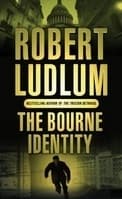
- The Bourne Identity
Robert Ludlum
4.0 (397k) average on GoodreadsThrillerWhile both feature a protagonist with a shadowy past caught in a conspiracy, Silva's The English Assassin distinguishes itself with a deeper emphasis on historical detail, the art world, and moral complexities. Ludlum's focus is more on amnesia, identity, and relentless action, with less cultural backdrop.
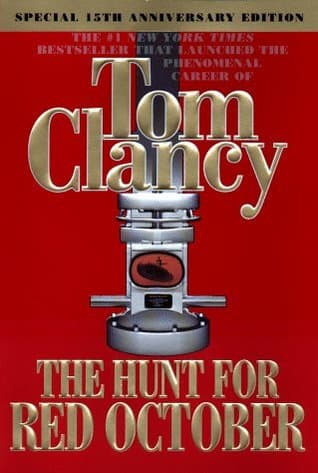
- The Hunt for Red October
Tom Clancy
4.1 (336k) average on GoodreadsThrillerClancy's novel excels in technical military detail and geopolitical realism, offering a different kind of thriller. Silva's The English Assassin provides a more character-driven narrative with a moral compass deeply rooted in historical justice and personal stakes, lacking Clancy's extensive technical jargon but offering greater emotional and historical depth.
- Angels & Demons
Dan Brown
3.9 (2.7M) average on GoodreadsThrillerA Harvard symbologist races through Rome's ancient sites, deciphering cryptic clues to unmask the Illuminati and stop a vengeful plot to destroy the Vatican with a stolen antimatter weapon.
- Gone Girl
Gillian Flynn
4.1 (2.3M) average on GoodreadsThrillerA wife's sudden disappearance on her fifth anniversary reveals a web of lies and psychological warfare, exposing the secrets within a seemingly perfect marriage.




Enjoyed the summary?
A summary gives you the shape of the book. The book itself has the detail, the examples and the voice.
Find The English Assassin on AmazonAs an Amazon Associate, BookBrief earns from qualifying purchases. How we're funded