
Estimated read time: 6 min read
One Sentence Summary
A gripping account of the brutal battle and ultimate fall of Berlin during World War II.
Table of Contents
Introduction
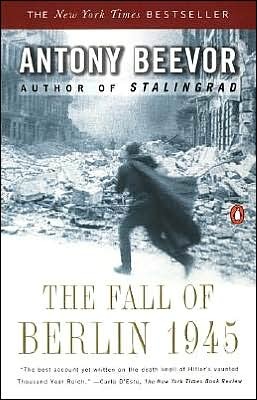
"The Fall of Berlin 1945" is a historical book written by Antony Beevor, a renowned British historian. Published in 2002, the book provides a detailed account of the final months of World War II in Europe and the Soviet Union's victorious capture of Berlin. By combining extensive research with compelling storytelling, Beevor offers readers a gripping narrative that sheds light on the brutal realities of war and the impact it had on individuals and nations.
Brief Synopsis
The book begins by setting the stage for the events to come, highlighting the desperate situation faced by both the German and Soviet forces. Beevor describes the Nazi regime's descent into madness as Adolf Hitler refuses to surrender and orders his troops to fight to the death. On the other side, Soviet leader Joseph Stalin is determined to capture Berlin and gain control over the city before the Western Allies.
The plot overview follows the Soviet offensive as it pushes westward across Eastern Europe, with a particular focus on the Battle of Berlin. Beevor provides a vivid account of the brutal street fighting, the atrocities committed by both sides, and the suffering endured by civilians caught in the crossfire. The book also delves into the political maneuvering within the Soviet leadership and the complex relationships between the Allied powers.
Main Characters
| Character | Description |
|---|---|
| Adolf Hitler | The dictator of Nazi Germany, determined to fight until the end. |
| Joseph Stalin | The leader of the Soviet Union, aiming to capture Berlin and assert Soviet dominance in Eastern Europe. |
| Vasily Chuikov | A Soviet general who played a crucial role in the Battle of Stalingrad and later commanded the assault on Berlin. |
| Helmuth Weidling | A German general who led the defense of Berlin against the Soviet forces. |
| Eva Braun | Hitler's mistress and later wife, who shares his fate in the final days of the war. |
| Albert Speer | Hitler's architect and later Minister of Armaments, who becomes disillusioned with the regime. |
Summary of Different Story Points Over Chapters
Chapter 1: The Last Act
This chapter sets the stage for the final showdown in Berlin and provides an overview of the key players involved, including Hitler, Stalin, and the military commanders on both sides.
Chapter 2: The Gathering Storm
Beevor delves into the desperate situation faced by the German forces as they try to hold back the advancing Soviet army. He also explores the political climate within the Soviet Union and the strained relationships between the Allies.
Chapter 3: The Cauldron
The Battle of Berlin begins, and Beevor vividly describes the intense street fighting and the brutality on both sides. The chapter also delves into the atrocities committed by the Soviet forces as they advance.
Chapter 4: The Firestorm
As the battle rages on, Berlin is subjected to a relentless bombing campaign, reducing much of the city to ruins. Beevor explores the impact of the bombings on the civilian population and the psychological toll it takes on both the Germans and the Soviets.
Chapter 5: The Bunker
This chapter offers a glimpse into Hitler's final days in the bunker beneath the Reich Chancellery and his deteriorating mental state. Beevor also examines the loyalty and motivations of those close to Hitler, including Eva Braun and Albert Speer.
Chapter 6: The Surrender
The book reaches its climax as the Soviet forces finally capture Berlin and the German forces surrender. Beevor sheds light on the aftermath of the battle, including the mass rape of German women by Soviet soldiers and the division of Germany between the Allies.
Main Events
- Soviet offensive across Eastern Europe.
- Battle of Berlin and intense street fighting.
- Relentless bombing campaign and destruction of the city.
- Hitler's final days in the bunker.
- The surrender of German forces.
Themes and Insights
"The Fall of Berlin 1945" explores several themes and provides valuable insights into the end of World War II. Some of the key themes include:
- The brutality of war: The book vividly depicts the horrors of war, from the atrocities committed by both sides to the suffering endured by civilians caught in the crossfire.
- Political maneuvering: Beevor delves into the complex relationships between the Allied powers and the political maneuvering within the Soviet leadership during the final months of the war.
- The cost of victory: The book highlights the immense human cost of victory, as millions of lives were lost, cities were reduced to ruins, and the post-war landscape was reshaped.
- Individual experiences: Through personal accounts and diaries, Beevor brings to life the experiences of individuals caught up in the war, from soldiers on the front lines to civilians struggling to survive.
Reader's Takeaway
"The Fall of Berlin 1945" offers readers a gripping and detailed account of the final months of World War II in Europe. Beevor's meticulous research and compelling storytelling make for a captivating read, bringing to life the brutal realities of war and the impact it had on individuals and nations. This book provides valuable insights into a crucial period in history and serves as a reminder of the cost of conflict.
Conclusion
Antony Beevor's "The Fall of Berlin 1945" is a masterful work that combines extensive research with compelling storytelling. By providing a detailed account of the final months of World War II and the Soviet Union's capture of Berlin, Beevor offers readers a vivid and harrowing portrayal of the brutal realities of war. Through exploring the experiences of individuals and shedding light on the political maneuvering within the Allied powers, the book provides valuable insights into a crucial period in history. "The Fall of Berlin 1945" is a must-read for anyone interested in World War II and the human cost of victory.
The Fall of Berlin 1945 FAQ
What is 'The Fall of Berlin 1945' about?
'The Fall of Berlin 1945' is a historical book by Antony Beevor that chronicles the final months of World War II in Europe, with a focus on the Battle of Berlin and the subsequent fall of the city to Soviet forces.
Who is the author of 'The Fall of Berlin 1945'?
The author of 'The Fall of Berlin 1945' is Antony Beevor, a renowned British historian and author known for his works on World War II.
Is 'The Fall of Berlin 1945' based on real events?
Yes, 'The Fall of Berlin 1945' is a non-fiction book that is based on real events. Antony Beevor extensively researched historical records, eyewitness accounts, and other primary sources to present an accurate and detailed account of the events.
What makes 'The Fall of Berlin 1945' unique?
'The Fall of Berlin 1945' stands out for its comprehensive coverage of the Battle of Berlin and the fall of the city. Antony Beevor provides a vivid and detailed narrative while incorporating personal stories and perspectives from both sides of the conflict, giving readers a deeper understanding of the human experiences during this pivotal period of history.
Is 'The Fall of Berlin 1945' suitable for all readers?
'The Fall of Berlin 1945' is a historical book that contains descriptions of war, violence, and atrocities. It may not be suitable for all readers, especially those sensitive to graphic content. It is recommended for readers who have an interest in World War II history and are comfortable with reading about the realities of war.
Are there maps or illustrations in 'The Fall of Berlin 1945'?
Yes, 'The Fall of Berlin 1945' includes maps and illustrations to help readers understand the locations, movements, and strategies of the military forces involved in the Battle of Berlin. These visual aids enhance the reading experience and provide additional context.
Where can I purchase 'The Fall of Berlin 1945'?
You can purchase 'The Fall of Berlin 1945' from various online book retailers such as Amazon, Barnes & Noble, or directly from the publisher's website. It is available in both paperback and e-book formats.
Does 'The Fall of Berlin 1945' provide new insights or information?
Antony Beevor's 'The Fall of Berlin 1945' presents a well-researched and comprehensive account of the events. While it may not uncover entirely new information, it consolidates and analyzes existing primary sources to provide a fresh perspective and a deeper understanding of the Battle of Berlin and its significance in the context of World War II.
Is 'The Fall of Berlin 1945' part of a series?
'The Fall of Berlin 1945' is not part of a series. Antony Beevor has written several other books on World War II and other historical events, but each book stands alone as an independent work.