
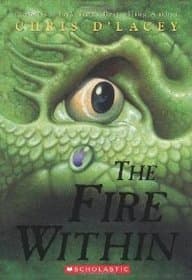
Synopsis
Covers the whole plot, including the ending.
- Difficulty
- Easy
- Pacing
- Moderate
- Mood
- Whimsical, Magical, Adventurous, Heartwarming
- Read it if
- You enjoy magical realism, coming-of-age stories, and tales where creativity unlocks hidden powers.
- Skip it if
- You prefer gritty, realistic fiction or stories without fantastical elements.
The Fire Within Plot Summary
Covers the whole plot, including the ending.
A New Home and Peculiar Dragons
David Rain arrives at the house of Elizabeth Pennykettle and her daughter, Lucy, in the village of Scrubbley, seeking accommodation after his mother's death. He is a struggling author. The house, called 'Wayward Crescent,' is full of clay dragons, each with a unique name and purpose. Lucy, an imaginative eleven-year-old, quickly befriends David. Elizabeth, a kind artist, creates these dragons. David soon discovers they are not just ornaments but have a life of their own, fueled by imagination and belief. He is initially skeptical but is drawn into their world, especially by a small, unpainted dragon he finds in his room, which he names Gwillan.
The Spark of Creativity and Gwillan's Awakening
Inspired by the dragons and encouraged by Lucy, David begins to write a story. He focuses on his own dragon, Gwillan, and as he writes, Gwillan shows signs of life, glowing faintly and moving. This phenomenon links directly to David's creative energy and belief. Elizabeth explains that imagination and the stories around them give the dragons life. David learns about the different types of dragons Elizabeth creates, like 'fain' dragons that bring good fortune or 'gadzooks' that offer protection. He starts to understand that his writing is not just a hobby but a direct link to the dragons' magic.
The Mystery of the Missing Dragons
A sinister feeling emerges as some of Elizabeth's dragons mysteriously disappear from various places in the house. Lucy is distressed by the loss of her beloved 'Gadzook,' a protective dragon. David and Lucy try to investigate, but Elizabeth remains quiet, hinting at an ancient evil or a 'dark fire' that threatens the dragons. David's growing connection to Gwillan and the dragon world makes him feel more responsible for protecting them. This pushes him to look deeper into Elizabeth's secrets.
The Arrival of the Potentate
A mysterious and imposing man, known only as 'the Potentate,' arrives in Scrubbley and takes an unsettling interest in Elizabeth's dragons. He is cold, calculating, and seems to have a power that repels the dragons. David senses danger from him. The Potentate's presence coincides with more dragon disappearances and a feeling of dread in the Pennykettle household. David realizes that the Potentate is not just a collector but someone who wants to exploit or destroy the dragons' magic for his own malevolent goals.
The Book of the Dragon and the Secret of the Fire Within
David finds an ancient, hidden book in Elizabeth's study, 'The Book of the Dragon.' It details the history and magic of the dragons. He learns about the 'fire within,' the magic that gives dragons life and can be used by those with a pure heart and strong imagination. The book reveals that the dragons are not just clay figures but vessels for ancient, powerful spirits. It also hints at a coming conflict between creation and destruction, with the dragons caught in the middle. David begins to understand his role in this ancient battle.
Gwillan's Fading Light
As the Potentate's influence grows and dragons keep disappearing, David's beloved Gwillan weakens, his internal 'fire' dimming. This reflects David's own struggles with doubt and fear. Elizabeth explains that if a dragon's fire goes out, it becomes mere clay, its spirit lost. David feels the urgency to understand and master the 'fire within' to save Gwillan. He realizes that his story, which brought Gwillan to life, must now be the key to protecting him and the other dragons from the approaching darkness.
The Potentate's True Intentions
The Potentate confronts Elizabeth, revealing his true intentions: to steal the 'life-fire' from the dragons to fuel his own dark magic and gain ultimate power. He collects dragon essence, not just the figures. He believes the dragons are tools to be exploited. He tries to intimidate Elizabeth and David, showing a chilling ability to drain energy. David understands that the Potentate opposes the dragons' creative magic. He is a force that seeks to consume and destroy rather than inspire and create. The confrontation clarifies the stakes of their battle.
The Dragon's Lair and the Final Confrontation
David and Lucy, guided by clues and their understanding of the dragons' magic, track the Potentate to his hidden lair beneath the village. They discover a scene where the stolen dragons are held, their life-fire slowly being siphoned away. The Potentate prepares for a final ritual to fully extract the dragons' essence. David realizes he must act quickly, using his heart and imagination to challenge the dark force. Lucy's belief and courage are crucial during this dangerous infiltration.
Mastering the Fire Within
In a climactic confrontation, David faces the Potentate. He uses the 'fire within' – the creative energy of his imagination and his love for Gwillan and the other dragons – to counteract the Potentate's destructive magic. He channels his story, the essence of Gwillan, into a powerful surge of energy. This is not a physical battle but a clash of wills and magical forces. David's belief in the dragons' magic and his own creative spirit becomes his weapon, allowing him to tap into an ancient power he barely understood until now.
The Potentate's Defeat and the Dragons' Return
David, with Lucy's help and the dragons' spirits, overwhelms the Potentate. The creative fire he unleashes repels the Potentate and reverses the draining process, restoring the life-fire to the captured dragons. The Potentate is defeated, his dark magic crumbling, and he vanishes, leaving only a lingering chill. The rescued dragons, including Gwillan, glow with renewed vigor. David feels a deep sense of accomplishment and understands the true power of imagination and love.
New Beginnings and a Deeper Understanding
With the Potentate vanquished, peace returns to Wayward Crescent. The dragons are safe, and their magic feels stronger than ever. David has not only saved Gwillan but has also found his purpose as a writer and a guardian of the dragons' magic. He has come to terms with his grief and found a new family in Elizabeth and Lucy. His relationship with Gwillan is deeper, showing the power of their shared story. David now fully understands the connection between creativity, belief, and the 'fire within,' ready to continue his journey as a dragon master.
Principal Figures
David Rain
Protagonist
A struggling author who discovers a world of living clay dragons.
David is initially a grieving and somewhat lost young man, grappling with the recent death of his mother and a stalled writing career. He is an outsider who is skeptical of the magical world he stumbles upon. However, his innate creativity and capacity for imagination, though dormant, are his greatest strengths. He is kind, observant, and possesses a strong moral compass. His journey is one of self-discovery, learning to believe in magic, and embracing his own 'fire within.'
Relationships: Elizabeth Pennykettle (landlady and mentor in dragon magic); Lucy Pennykettle (friend and fellow believer in dragons); Gwillan (his personal clay dragon, brought to life by his writing)
Elizabeth Pennykettle
Supporting
The enigmatic artist who creates the living clay dragons.
Elizabeth is a wise, calm, and somewhat mysterious woman who lives in harmony with her magical creations. She is the 'Dragon Master' of the household, possessing deep knowledge of the dragons' history and powers. She is protective of her dragons and her family, often speaking in riddles or withholding information until David is ready to understand. Her quiet strength and unwavering belief in the 'fire within' are central to the dragons' existence and David's awakening.
Relationships: David Rain (landlady and mentor); Lucy Pennykettle (mother); The clay dragons (creator and guardian)
Lucy Pennykettle
Supporting
Elizabeth's imaginative daughter, a true believer in dragons.
Lucy is an eleven-year-old girl with an exceptionally vivid imagination and an unwavering belief in the dragons. She is perceptive, brave, and often acts as a bridge between David's skepticism and the magical reality of the house. Her innocence and pure belief are powerful forces that help sustain the dragons' magic. She forms a quick and strong bond with David, seeing him as a kindred spirit and a potential hero.
Relationships: David Rain (friend and confidante); Elizabeth Pennykettle (daughter); The clay dragons (believer and friend)
Gwillan
Supporting
David's personal, unpainted clay dragon, brought to life by his story.
Gwillan is initially an unpainted, seemingly ordinary clay dragon that David finds in his room. It is through David's writing and his emotional connection that Gwillan awakens and gains a unique personality. Gwillan serves as a tangible representation of David's creative spirit and his developing belief in magic. His health and 'fire' directly reflect David's emotional state and the level of threat from the Potentate, making him a critical link in the story.
Relationships: David Rain (owner and life-giver); Elizabeth Pennykettle (creator (initially))
The Potentate
Antagonist
A mysterious, dark figure who seeks to steal the dragons' life force.
The Potentate is a chilling and malevolent force, an embodiment of destructive ambition and a lack of imagination. He views the dragons not as magical beings but as a source of power to be exploited. He is cold, calculating, and possesses dark magic that can drain the life-fire from the dragons. His presence brings fear and darkness, contrasting sharply with the warmth and creativity of the Pennykettle household. He represents the ultimate threat to the dragons' existence.
Relationships: David Rain (mortal enemy); Elizabeth Pennykettle (adversary); The clay dragons (target for exploitation)
Lizzy
Supporting
Elizabeth's personal 'fain' dragon, offering comfort and insight.
Lizzy is Elizabeth's oldest and most cherished 'fain' dragon, a type of dragon believed to bring good fortune and comfort. She is often seen perched on Elizabeth's shoulder or near her, acting as a silent confidante and a subtle source of magical guidance. Lizzy's presence reinforces the idea that each dragon has a unique purpose and a deep connection to its owner. She subtly influences events and serves as a symbol of enduring magic and hope.
Relationships: Elizabeth Pennykettle (personal dragon and companion); David Rain (source of subtle guidance)
Bonnington
Mentioned
The Pennykettles' cat, often found observing the dragons.
Bonnington is the Pennykettle family cat. While not a magical creature in the same vein as the dragons, Bonnington's presence adds to the cozy, slightly eccentric atmosphere of Wayward Crescent. He is often depicted observing the dragons with a knowing air, suggesting a subtle awareness of the magic around him. He provides a touch of grounding reality amidst the fantastical elements.
Relationships: Elizabeth Pennykettle (pet); Lucy Pennykettle (pet)
Fain Dragons
Supporting
A type of clay dragon believed to bring good fortune and comfort.
Fain dragons are one of the specific categories of clay dragons created by Elizabeth Pennykettle. They are characterized by their ability to bring good fortune and offer comfort to their owners. Lizzy is an example of a fain dragon. They represent the benevolent and nurturing aspects of the dragons' magic, contrasting with the more protective 'gadzooks' or the destructive intentions of the Potentate. They highlight the diverse roles and powers within the dragon community.
Relationships: Elizabeth Pennykettle (creator); David Rain (beneficiary of their magic)
Themes & Insights
The Power of Imagination and Creativity
This theme is central to the narrative. The clay dragons come to life through human imagination and belief, especially David's writing. His story about Gwillan sparks the dragon's existence, and his creative spirit allows him to master the 'fire within' and defeat the Potentate. Elizabeth's artistic creation of the dragons is another example. The book states that imagination is not just childish fantasy but a potent, magical force capable of shaping reality and overcoming darkness.
“Imagination is the fire that gives them life, David. Your story is their breath.”
Grief, Healing, and Finding Purpose
David starts the story as a young man adrift, grieving his mother's death and unsure of his identity as a writer. The Pennykettle household and the dragon world offer him a path to healing. By engaging with the magic and taking responsibility for Gwillan, he begins to process his loss and finds a new purpose. His journey to save the dragons is also a journey of self-discovery, helping him overcome his internal struggles and embrace a new, fulfilling life.
“Sometimes, David, the greatest magic is finding your own fire after the embers have gone cold.”
The Battle Between Creation and Destruction
The conflict between David and the Potentate symbolizes the struggle between creation and destruction. Elizabeth and David represent creation – art, stories, imagination, and nurturing life. The Potentate embodies pure destruction, seeking to consume and exploit the dragons' life-fire for his own gain. The story argues that creation, fueled by love and belief, is more powerful and lasting than destructive ambition.
“He wants to snuff out the spark, David. To drain the magic that makes them more than just clay.”
Family and Belonging
Having lost his mother, David is initially an outsider. He gradually finds a new sense of family and belonging with Elizabeth and Lucy. Their acceptance, warmth, and shared belief in the dragons provide him with the emotional support he needs. The dragons themselves are treated as part of the family, showing that family extends beyond conventional blood ties to include those with whom one shares deep connections and purpose. This theme highlights the importance of community and mutual support.
“This isn't just a house, David. It's a home, and every dragon in it is family.”
The Interconnectedness of All Things
The novel explores how David's internal state, creativity, and belief directly affect the external world, specifically Gwillan's life-force. The dragons are not separate entities but are linked to human emotion and imagination. The 'fire within' implies a universal energy that connects humans, nature, and magic. This theme suggests that individual actions and beliefs have far-reaching consequences and that everything in the world is part of a larger, magical whole.
“The fire within isn't just in the dragons, David. It's in everything. It's in you.”
Plot Devices & Literary Techniques
Anthropomorphic Objects (Living Clay Dragons)
Clay figures that are imbued with life and personality through imagination.
The clay dragons are the central magical element of the story. They serve as a tangible representation of the power of imagination and belief. Each dragon has a distinct name, purpose, and even personality, making them characters in their own right. Their ability to come to life, glow, and even move is the primary magical catalyst, driving the plot and compelling David to believe in the extraordinary. They symbolize dormant potential and the magic hidden in plain sight.
The 'Fire Within'
A mystical life force or creative energy that animates the dragons and resides in humans.
The 'fire within' is a metaphorical and literal plot device. It is the essence that gives the dragons life and magic, and it is also the creative and emotional energy that David must learn to master. It represents imagination, belief, love, and courage. The concept serves as the primary magical system and the key to defeating the antagonist. David's journey is fundamentally about understanding and harnessing his own 'fire within' to save Gwillan and the other dragons.
The Book of the Dragon
An ancient, hidden text that reveals the history and magic of the dragons.
This ancient tome functions as a classic exposition device. It provides David, and by extension the reader, with crucial background information about the dragons' origins, their different types, the 'fire within,' and the ancient conflict they are part of. Its discovery marks a turning point, moving David from simple observation to active participation in the magical world. It legitimizes the magic and outlines the rules of this fantastical universe.
The Protagonist's Creative Endeavor (Writing)
David's act of writing a story directly influences the magical world.
David's struggle and eventual success as a writer are intrinsically linked to the plot. His writing is not just a hobby but a magical act; it literally breathes life into Gwillan. This device highlights the theme of imagination's power and serves as the catalyst for David's involvement in the dragons' world. The story he writes becomes a weapon against the Potentate, underscoring that art and creativity have tangible, magical effects.
The Fire Within Quotes
“He knew then that there were some fires you just couldn't put out, no matter how much water you poured on them. Some fires were meant to burn.”
“The world was a canvas, and she was determined to paint it in her own vibrant colors, even if some people only saw shades of grey.”
“Sometimes, the bravest thing you could do was admit you were scared.”
“Their hands met, and in that simple touch, a universe of unspoken words passed between them.”
“He didn't just see her; he *felt* her, like a tremor in the earth before an earthquake, a beautiful, inevitable force.”
“Every brushstroke was a whisper, every color a scream. Her art was her voice when words failed her.”
“You can't choose who you fall for, but you can choose how you fight for them.”
“The silence between them wasn't empty; it was full of possibilities, full of the unspoken things that truly mattered.”
“He was the storm, and she was the lightning, striking sparks that illuminated everything.”
“Even the darkest nights hold the promise of dawn, if you're brave enough to wait for it.”
“To truly see someone, you have to look beyond the surface, beyond the smiles and the carefully constructed walls.”
“Their story wasn't a fairy tale; it was a wildfire, beautiful and dangerous, consuming everything in its path.”
“The hardest part wasn't falling, it was realizing you had nowhere left to land but in their arms.”
“He learned that the greatest art wasn't always on a canvas; sometimes, it was in the way two souls intertwined.”
Quiz
10 questions on the plot and the characters. Each answer comes with a short explanation.
Question 1
Who is the eleven-year-old daughter of Elizabeth Pennykettle?
- Sophie
- Lucy
- Emma
- Clara
Show answer
B. Lucy The book explicitly states that Lucy is Elizabeth Pennykettle's eleven-year-old daughter.
Question 2
What kind of magical creatures does David discover at the Pennykettle's home?
- Gnomes
- Fairies
- Clay dragons that come to life
- Talking animals
Show answer
C. Clay dragons that come to life David discovers a collection of clay dragons that magically come to life at the Pennykettle residence.
Question 3
What activity does David's special dragon inspire him to do?
- Learn to draw
- Write a story
- Build a model
- Compose music
Show answer
B. Write a story David's unique dragon inspires him to write a story, which becomes central to the plot.
Question 4
What is the primary power David must master to solve the mystery and save his dragon?
- The power of flight
- The magic of the fire within
- The ability to speak to animals
- The skill of potion-making
Show answer
B. The magic of the fire within The book explicitly states that David must master 'the magic of the fire within' to solve the mystery and save his dragon.
Question 5
How does the story David writes relate to the central mystery?
- It distracts the villains from their plans.
- It contains clues that reveal the secrets behind the mystery.
- It is a magical spell that directly solves the problem.
- It records the history of the dragons for future generations.
Show answer
B. It contains clues that reveal the secrets behind the mystery. David's story is not just a creative outlet; it 'reveals the secrets behind a mystery,' making it a crucial plot device.
Question 6
Besides with his hands, how else must David master the magic of the fire within?
- With his mind
- With his voice
- With his heart
- With his eyes
Show answer
C. With his heart The summary states David must master the magic 'not only with his hands but also with his heart,' emphasizing the emotional and internal aspect of his journey.
Question 7
What is David's initial relationship with Elizabeth Pennykettle and Lucy?
- He is their distant relative visiting for the summer.
- He moves in with them.
- He is a new neighbor who befriends them.
- He is a student attending a workshop at their home.
Show answer
B. He moves in with them. The first line of the summary states, 'When David moves in with Elizabeth Pennykettle and her eleven-year-old daughter, Lucy,' establishing his living arrangement.
Question 8
What is the implied consequence if David fails to master the 'fire within' and solve the mystery?
- He will have to leave the Pennykettle household.
- His special dragon will be lost or cease to exist.
- The clay dragons will become inanimate forever.
- He will be unable to write any more stories.
Show answer
B. His special dragon will be lost or cease to exist. The summary states, 'In order to solve the mystery and save his dragon, David must master the magic...' implying his dragon is in danger if he fails.
Question 9
The book's genre is Young Adult and Romance. How does the concept of mastering 'the fire within' with his heart specifically relate to the romance aspect?
- It means he must literally burn with passion for another character.
- It suggests the magic is tied to emotional connection, empathy, and perhaps love, which are core to romance.
- It indicates he needs to overcome heartbreak to achieve his goals.
- It implies he must sacrifice his own feelings for the greater good.
Show answer
B. It suggests the magic is tied to emotional connection, empathy, and perhaps love, which are core to romance. In a romance context, 'mastering with his heart' strongly suggests that emotional depth, connection, and understanding (often love or empathy) are crucial to unlocking the magic, aligning with themes of romantic relationships.
Question 10
What is the broader significance of David's story revealing secrets, beyond just solving the immediate mystery?
- It proves David's skill as a writer to the other characters.
- It highlights the power of creativity and storytelling as a means to uncover truth and magic.
- It establishes David as the official historian of the dragons.
- It is a magical incantation that activates the dragons' powers.
Show answer
B. It highlights the power of creativity and storytelling as a means to uncover truth and magic. The fact that David's story 'reveals the secrets' elevates storytelling from a simple hobby to a powerful tool for discovery and magic within the narrative.
The Fire Within FAQ
What is the core premise of 'The Fire Within'?
The story revolves around David, a troubled young man who moves in with the Pennykettle family and discovers that Elizabeth's collection of clay dragons can come to life. He finds a special connection with a particular dragon, G'reth, which inspires him to write a story that gradually uncovers a deep mystery related to the dragons and a dangerous antagonist.
Who are the main human characters in the story?
The main human characters are David, a foster child with a difficult past; Elizabeth Pennykettle, a kind and artistic single mother who creates the clay dragons; and her eleven-year-old daughter, Lucy, who is initially wary of David but eventually becomes his friend and ally in the magical world of the dragons.
How do the clay dragons come to life, and what is their significance?
The clay dragons come to life through Elizabeth Pennykettle's 'fire'—her love, creativity, and the act of their creation. Each dragon possesses a unique personality and magical ability, often reflecting a part of Elizabeth's own spirit or the intentions with which they were made. They serve as companions, protectors, and guides in the magical world.
What role does writing play in David's journey?
Writing is central to David's journey, as his story about G'reth isn't just a creative exercise but a way to manifest and understand the magical reality around him. The narrative he creates mirrors and influences the events unfolding, ultimately revealing the secrets of the mystery and the true nature of his powers, allowing him to shape his destiny.
Who is the primary antagonist David and the Pennykettles face?
The primary antagonist is Gwilanna, a powerful and ancient sibyl with a deep connection to the dragon lore, who seeks to exploit the magic of the dragons for her own dark purposes. She is a formidable foe who manipulates events and individuals, posing a significant threat to the dragons and the Pennykettle family.
What is the significance of the 'fire within' that David must master?
The 'fire within' represents David's inherent magical potential, his creative spirit, and his emotional strength. It's not just about pyrokinesis but about channeling his passion, courage, and love to bring the dragons to life, protect his friends, and ultimately defeat Gwilanna, signifying a mastery over his own inner self.
How does David's own dragon, G'reth, differ from Elizabeth's other dragons?
G'reth is unique because he is David's own creation, born from David's 'fire' and imagination, rather than Elizabeth's. This bond makes G'reth a direct reflection of David's soul and potential, and their destinies are deeply intertwined, giving G'reth a special significance and power that evolves with David's growth.
Are there any subtle hints about David's true parentage or magical lineage?
Yes, there are subtle hints throughout the narrative suggesting that David has a deeper, possibly magical, lineage that connects him to the ancient world of dragons and sibyls. His innate ability to connect with and create dragons, along with his powerful 'fire,' implies he is more than just an ordinary foster child, possibly related to the dragon's true creators or protectors.
What is the true nature of the 'mystery' David unravels through his story?
The mystery David unravels through his story isn't just about Gwilanna's intentions but about the ancient history of the dragons, their connection to humanity, and the true purpose of the 'fire within.' It reveals a cosmic struggle between creation and destruction, with David at its center, destined to play a crucial role in the dragons' fate.
How does David's traumatic past influence his initial interactions and character arc?
David's traumatic past, marked by foster care and feelings of abandonment, makes him initially withdrawn, distrustful, and prone to anger. This past heavily influences his character arc, as he learns to trust, form attachments, and channel his emotional 'fire' in constructive ways, transforming from a guarded individual into a brave and compassionate hero.
What psychological significance does Elizabeth's dragon-making have for her?
For Elizabeth, dragon-making is a profound act of creation, a way to express her love, creativity, and perhaps cope with her own past struggles or loneliness as a single mother. Each dragon embodies a part of her spirit, providing companionship and a magical outlet, serving as a therapeutic and empowering activity that grounds her.
How does Lucy's initial resistance to David evolve, and what does it reveal about her?
Lucy's initial resistance stems from a natural protectiveness of her mother and home, coupled with the typical wariness of an eleven-year-old towards a new, older presence. Her evolving acceptance and eventual friendship with David reveal her capacity for empathy, her adventurous spirit, and her deep loyalty, as she becomes an integral part of their dragon-related adventures.
What psychological elements are at play in Gwilanna's motivation and actions?
Gwilanna's motivations appear rooted in a desire for power, control, and perhaps a misguided sense of reclaiming a lost legacy or right. Her actions are driven by ambition and a lack of empathy, showcasing the psychological dangers of unchecked power and the corrupting influence of ancient grudges, making her a formidable and complex antagonist.
Is 'The Fire Within' primarily a romance, a coming-of-age story, or a fantasy adventure?
While 'The Fire Within' contains elements of romance, particularly in David's burgeoning feelings, it is primarily a blend of a coming-of-age story and a fantasy adventure. David's journey of self-discovery, mastering his powers, and forming new bonds are central, all set against a rich magical backdrop of living dragons and ancient lore.
How does the book explore themes of family and belonging, especially through David's perspective?
The book deeply explores themes of family and belonging through David's perspective as a foster child. His struggle to find a place where he truly belongs is central, and the Pennykettle family, along with the dragons, provides him with the first real sense of home and unconditional acceptance, transforming his understanding of what family means.
What message does the book convey about the power of imagination and creativity?
The book strongly conveys that imagination and creativity are not just idle pastimes but powerful forces that can shape reality. David's writing literally brings his world to life and helps him understand it, while Elizabeth's artistic creations become living beings, underscoring the idea that belief and creative passion can manifest magic.
Could Gwilanna be interpreted as a tragic figure rather than purely evil?
One could interpret Gwilanna as a tragic figure, driven by ancient losses and a distorted sense of duty or destiny, rather than purely evil. Her actions, while destructive, might stem from a deep-seated belief that she is restoring a natural order or righting old wrongs, making her a complex antagonist with a potentially sympathetic, albeit twisted, backstory.
How does the book use the dragons as metaphors for human emotions and relationships?
The dragons serve as powerful metaphors for human emotions and relationships. Each dragon embodies distinct personality traits—loyalty, courage, mischief, wisdom—reflecting the characters' inner selves or the dynamics between them. Their care, protection, and the 'fire' that brings them to life symbolize the love and effort required to nurture meaningful connections.
About the author
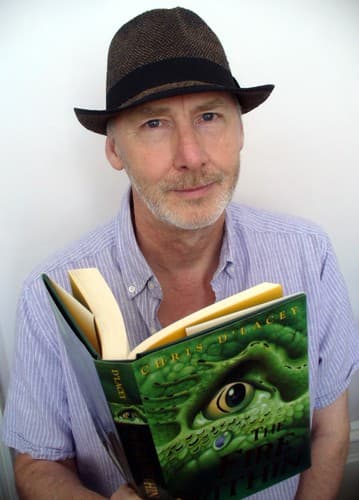
Chris d'Lacey is a British author celebrated for his "Last Dragon Chronicles" series, which includes titles like "The Fire Within," "Icefire," and "The Fire Eternal." His imaginative tales often blend fantasy with themes of courage and friendship, captivating young adult readers worldwide. D'Lacey's work has earned him a dedicated following and established him as a prominent voice in children's fantasy literature.
Similar books
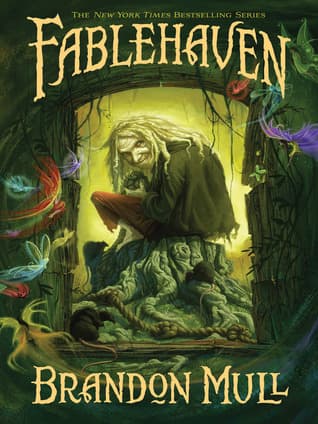
- Fablehaven
Brandon Mull
4.1 (134k) average on GoodreadsFantasyInvolves children discovering a hidden magical world with fantastical creatures and a central conflict to protect them.
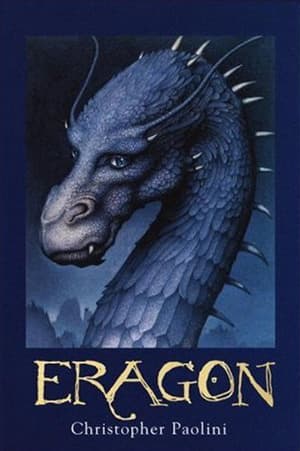
- Eragon
Christopher Paolini
3.9 (1.4M) average on GoodreadsFantasyA young protagonist forms a deep bond with a dragon and discovers their own latent magical abilities.
- Harry Potter and the Sorcerer's Stone
J.K. Rowling
4.5 (7M) average on GoodreadsFantasyRescued from a miserable life under the stairs, an orphaned boy discovers he's a wizard destined for a magical school, where he uncovers a dangerous secret tied to the dark wizard who murdered his parents.
- The Hunger Games
Suzanne Collins
4.3 (6.4M) average on GoodreadsFantasyIn a future where children fight to the death on live television, Katniss Everdeen volunteers for the arena, turning a death sentence into a fight for survival and a spark of rebellion.
- To Kill a Mockingbird
Harper Lee
4.3 (4.5M) average on GoodreadsHistorical FictionIn the 1930s Jim Crow South, Harper Lee writes about racial injustice, moral growth, and the quiet courage of a lawyer father, Atticus Finch, as seen through his young daughter's eyes.
- The Fault in Our Stars
John Green
4.2 (3.6M) average on GoodreadsYoung AdultA girl with a terminal illness finds her story rewritten when a charming boy with a similar past enters her life at a cancer support group, leading to a star-crossed romance.




Enjoyed the summary?
A summary gives you the shape of the book. The book itself has the detail, the examples and the voice.
Find The Fire Within on AmazonAs an Amazon Associate, BookBrief earns from qualifying purchases. How we're funded