
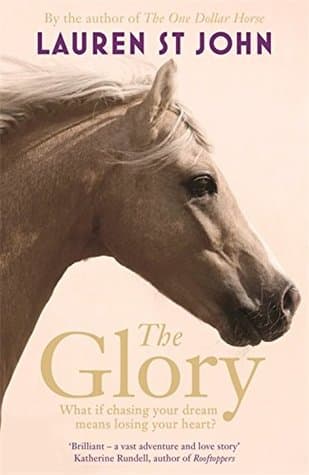
Synopsis
Covers the whole plot, including the ending.
- Difficulty
- Easy
- Pacing
- Fast
- Mood
- Suspenseful, Adventurous, Romantic, Hopeful
- Read it if
- You love high-stakes equestrian adventures, a dash of romance, and a thrilling chase.
- Skip it if
- You dislike horse-centric plots or intense suspense.
The Glory Plot Summary
Covers the whole plot, including the ending.
A Desperate Escape
The story begins with Will Best, a skilled rider, and his mustang, Glory, escaping Colorado. Will is a fugitive, falsely accused of murdering his stepfather, Frank. He heads west to Oregon, seeking safety and a new life. Glory, a wild and spirited horse Will shares a deep bond with, is his only companion. They face challenges like harsh weather and the constant threat of being caught by authorities who believe Will is dangerous. Will's journey is driven by a desire to clear his name and protect Glory, who represents his last link to freedom.
Meeting the Rival
During his journey, Will finds a remote ranch where he meets Gwyneth 'Gwyn' Price and her Appaloosa, Blaze. Gwyn is initially hostile, seeing Will as an intruder. She is independent and dedicated to her horse and the upcoming 'Glory Race.' Their meeting is tense, marked by clashing personalities and an immediate rivalry, especially when Gwyn sees Glory's speed. Despite the friction, a spark of respect begins to form between them, even as their paths seem to diverge.
The Lure of the Race
Will learns about the 'Glory Race,' a cross-country endurance competition from Colorado to Oregon. The race offers a large prize and, for Will, a legitimate reason to travel west without suspicion. Though hesitant to compete in a high-profile event while on the run, he realizes it might be his only chance to reach Oregon safely with Glory. The prize money could also help him start a new life. He decides to enter, knowing he will compete against experienced riders like Gwyn and under the watchful eye of the law.
Early Stages and Growing Tension
The Glory Race begins, and Will, using a false name, quickly proves himself a strong competitor with Glory. He and Gwyn often ride neck and neck, pushing their horses to their limits. During the race, Will fears being recognized by law enforcement, who are present along the trail. He makes choices to avoid checkpoints and blend in, relying on his instincts and the remote trail. The race's physical demands are immense, testing both riders and horses, and the pressure on Will grows with every mile as his past threatens to catch him.
A Moment of Connection
During a dangerous part of the race, with harsh weather and difficult terrain, Will and Gwyn must rely on each other. A shared ordeal, perhaps a near-miss, leads to a temporary truce in their rivalry. They work together to overcome challenges, showing their strengths and a surprising compatibility. This shared experience deepens their understanding, blurring the lines between competitors and revealing a mutual respect that grows into something more. Despite the race's tension, a tentative bond forms between them.
The Threat Closes In
As the race continues, Will learns that Detective Miller, a determined lawman, is actively pursuing him, convinced he murdered Frank. Miller is closing in, using the race to track him. This news makes Will anxious, forcing him to take greater risks to avoid detection. He must balance winning the race and reaching Oregon with staying hidden. The pressure mounts, and Will realizes he can no longer just run; he must confront his past or risk losing everything, including Glory and his new connection with Gwyn.
A Confession and a Partnership
Cornered, Will finally tells Gwyn the truth: his abusive stepfather, Frank, and the false murder accusation. He explains his innocence and his desperate flight. Gwyn is shocked but sees the sincerity in Will's story. Her admiration for his riding and her growing feelings for him lead her to believe him. She promises to help him, risking her own race and reputation. This moment solidifies their bond, turning their rivalry into a partnership built on trust and a shared goal of clearing Will's name.
The Final Stretch
With Detective Miller pursuing them, Will and Gwyn plan for the final stages of the Glory Race. They realize winning the race might be their only way to gain enough attention to expose the truth about Frank's death. They plan how to use the race's finish line and media attention to their advantage. They push their horses, Glory and Blaze, to their limits, knowing the stakes are higher than a prize; they are racing for Will's freedom and their future. The tension is high as they approach the finish line, with Miller closing in.
The Confrontation and Revelation
As Will and Gwyn cross the finish line, Detective Miller confronts Will. Evidence emerges, perhaps from a witness Will contacted or information Gwyn helped uncover, that clears Will. It is revealed that Frank's death was not murder by Will, but an accident or an act of self-defense, possibly even suicide or caused by another party connected to Frank's shady dealings. The truth comes out, exposing Frank's character and clearing Will's name, to Miller's surprise and eventual acceptance.
Justice and a New Beginning
With Will's name cleared, the threat of arrest is gone. He is no longer a fugitive, and the Glory Race ends in a victory for his horsemanship and his freedom. The bond between Will and Gwyn, forged through shared hardship and competition, becomes a deep and lasting love. They celebrate their victory, both in the race and in overcoming Will's past. The story ends with Will and Gwyn, along with Glory and Blaze, looking forward to a future together in Oregon, free from the past.
Principal Figures
Will Best
Protagonist
A skilled and intuitive rider falsely accused of murder, seeking freedom.
Will is a seventeen-year-old with a natural affinity for horses, especially his mustang, Glory. He's resourceful, resilient, and fiercely protective of those he cares about. Haunted by the abusive past with his stepfather, Frank, Will carries a heavy burden of injustice and fear. Despite his fugitive status, he maintains a strong moral compass and a deep desire to prove his innocence. His quiet demeanor hides an inner strength and determination that allows him to endure extreme physical and emotional hardship.
Relationships: Glory (His loyal mustang and closest companion, a symbol of freedom.); Gwyn Price (His fierce competitor and eventual love interest, who believes in him.); Frank (His abusive stepfather, whose death he is falsely accused of.)
Gwyneth 'Gwyn' Price
Supporting/Love Interest
A talented, fiercely independent rider who becomes Will's ally and love.
Gwyn is a strong-willed, competitive, and highly skilled equestrian. She is deeply devoted to her Appaloosa, Blaze, and driven by a desire to win the Glory Race. Initially distrustful and somewhat arrogant, Gwyn is fiercely independent and protective of her way of life. She comes from a ranching background and is accustomed to handling challenges on her own. Her initial rivalry with Will slowly gives way to respect, admiration, and eventually, love, as she sees his true character and plight.
Relationships: Blaze (Her powerful and loyal Appaloosa, her racing partner.); Will Best (Her rival turned partner and love interest.)
Glory
Supporting
Will's magnificent mustang, embodying freedom and untamed spirit.
Glory is Will's exceptional mustang, a wild and spirited horse that Will has a profound, almost telepathic connection with. She is incredibly fast, intelligent, and resilient, capable of enduring the grueling demands of the Glory Race. More than just a horse, Glory represents Will's last tie to freedom and innocence, and his primary motivation for staying alive and clearing his name. Her untamed spirit mirrors Will's own desire for liberation, and their bond is central to the story's emotional core.
Relationships: Will Best (Her devoted owner and rider, with whom she shares an unbreakable bond.)
Blaze
Supporting
Gwyn's powerful Appaloosa, a formidable racing competitor.
Blaze is Gwyn's Appaloosa, a strong, fast, and highly trained endurance horse. He is a formidable competitor in the Glory Race and a testament to Gwyn's skill as a rider and trainer. Blaze is loyal to Gwyn and mirrors her competitive spirit. He is a key player in the race, often competing neck and neck with Glory, and his endurance and performance are crucial to Gwyn's success. Blaze represents the pinnacle of trained equestrianism, contrasting with Glory's more wild nature.
Relationships: Gwyn Price (His dedicated owner and rider.)
Detective Miller
Antagonist
A relentless detective pursuing Will, convinced of his guilt.
Detective Miller is a determined and astute law enforcement officer. He is convinced of Will's guilt in Frank's murder and relentlessly pursues him across state lines, using the Glory Race as a means to track his fugitive. While he is an antagonist, he is not necessarily malicious, but rather driven by a strong sense of duty and justice, albeit initially misguided. He represents the external threat that Will must evade, and his presence creates constant tension and urgency for Will.
Relationships: Will Best (The fugitive he is determined to catch.)
Frank
Mentioned
Will's abusive stepfather, whose death sets the plot in motion.
Frank is Will's deceased stepfather, whose murder Will is falsely accused of. Although he does not appear alive in the story, his abusive nature and the circumstances of his death are the catalyst for Will's entire journey. He represents the oppressive past that Will is trying to escape and the injustice he seeks to overcome. His character is revealed through Will's memories and the eventual investigation into his death.
Relationships: Will Best (His stepson, whom he abused.)
Themes & Insights
Justice and False Accusation
The main theme is Will's desperate flight from a false murder accusation. He is a good person wrongly called a killer, forcing him to live as a fugitive. This theme is shown through his constant fear of discovery, his attempts to clear his name, and the eventual truth. The story shows the impact of injustice and the lengths one goes to prove innocence, as Will risks everything by entering the Glory Race, hoping to use its visibility to expose the truth.
“He wasn’t running from what he’d done, but from what they thought he’d done.”
Freedom vs. Captivity
This theme is shown by Will and his mustang, Glory. Will is physically free but mentally trapped by his past and the threat of arrest. Glory, a wild horse, represents true freedom. Their journey west is a pursuit of both literal and emotional freedom—from the law, his past, and emotional scars. The vast open spaces of the American West symbolize this desire for liberation, a contrast to the 'cage' of his false accusation. The Glory Race itself is a test of endurance and a path to a new, free life.
“With Glory, he was free. Without her, he was just a boy on the run.”
Trust and Connection
Initially isolated, Will struggles to trust anyone. His bond with Glory is his only constant. The growing relationship with Gwyn explores this theme. Despite their early rivalry, Gwyn's belief in Will's innocence and her decision to help him show a strong act of trust. This connection changes Will from a solitary fugitive to someone who can rely on another, highlighting how human connection provides support and hope. Their shared journey in the race deepens this bond.
“He hadn’t realized how much he’d needed someone to believe him until Gwyn did.”
The Spirit of the Wild West
The novel's setting and the Glory Race evoke the challenging spirit of the American West. The vast landscapes, reliance on horses, and endurance needed for the journey all recall a pioneering spirit. The race is a modern test of grit and self-reliance, mirroring historical challenges faced by those who settled the West. It celebrates the enduring connection between humans and horses in a demanding environment, where survival often depends on skill and courage.
“The trail was a ribbon of history, demanding everything they had, just as it had from those who rode it before.”
Plot Devices & Literary Techniques
The Glory Race
A cross-country endurance race that serves as the central plot mechanism.
The Glory Race is the primary vehicle for the plot, driving Will's journey and providing a structured framework for his escape. It allows him to travel across states without immediate suspicion and offers a tangible goal (winning) that could provide resources for a new life. More than just a race, it's a crucible that tests Will's skills, resilience, and moral character, while also forcing him into contact with Gwyn and the authorities. It's a race against time, not just for the prize, but for Will's freedom and life.
False Accusation
The inciting incident that propels the protagonist into flight.
The false accusation of murder against Will is the catalyst for the entire story. It immediately establishes high stakes, creates dramatic tension, and justifies Will's desperate actions. This device introduces the core conflict of injustice and sets Will on his journey for survival and vindication. It also allows for the exploration of themes like trust, truth, and the fallibility of initial perceptions, as characters (and the reader) must decide if they believe Will's innocence.
The Horse-Human Bond
The deep, almost telepathic connection between riders and their horses.
This device is central to the emotional core of the novel, particularly between Will and Glory, and Gwyn and Blaze. It highlights the profound connection, understanding, and mutual reliance between the characters and their equine partners. The horses are not merely tools for the race but sentient beings with personalities, offering comfort, loyalty, and strength. This bond is often portrayed as stronger and more reliable than human relationships, especially in Will's isolated state, and is crucial for their survival and success in the grueling race.
The Glory Quotes
“The wind was a living thing, whispering secrets through the long grass, carrying the scent of dust and wild sage.”
“Sometimes the bravest thing you can do is to just keep breathing, even when every breath hurts.”
“He looked at her as if she were the sunrise, and he hadn't seen one in a very long time.”
“The past is a stubborn ghost, but it doesn't have to define your future.”
“There are some places in the world that just get under your skin, and Africa was one of them for her.”
“Love isn't always easy, and it certainly isn't always convenient, but it's worth fighting for.”
“The silence out here wasn't empty; it was full of the pulse of the earth, the rustle of unseen creatures.”
“Every scar tells a story, and some stories are too important to forget.”
“Sometimes you have to break down completely to build yourself back up stronger.”
“The stars were a blanket of diamonds, so close you felt you could reach out and pluck them from the velvet sky.”
“Fear can be a powerful motivator, but hope is an even stronger one.”
“He had a laugh that sounded like the sun breaking through clouds after a long storm.”
“The future was a wide, open road, and for the first time in a long time, she felt ready to walk it.”
“Home isn't just a place; it's the people who make you feel safe enough to be yourself.”
Quiz
10 questions on the plot and the characters. Each answer comes with a short explanation.
Question 1
What is the name of the prestigious endurance race that Finn and Willa both aspire to win?
- The Great Western Derby
- The Oregon Trail Endurance Race
- The Rocky Mountain Gauntlet
- The Trans-America Trail
Show answer
B. The Oregon Trail Endurance Race The central competition in the book is explicitly called The Oregon Trail Endurance Race, a long and challenging equestrian event.
Question 2
What is the name of Willa's beloved horse, who she has a deep bond with?
- Spirit
- Comanche
- Midnight
- Glory
Show answer
D. Glory Willa's horse is named Glory, which is also the title of the book, signifying its importance to her and the story.
Question 3
Why is Finn initially reluctant to trust Willa, despite their shared goal?
- He believes she is too inexperienced with endurance racing.
- He suspects her family is involved in illegal horse trading.
- He is prejudiced against her background as a 'rancher's daughter'.
- He thinks she is trying to sabotage his chances in the race.
Show answer
C. He is prejudiced against her background as a 'rancher's daughter'. Finn initially holds prejudices against Willa due to her upbringing and the perceived wildness of her family, which he associates with a lack of proper horsemanship.
Question 4
What specific challenge do Finn and Willa face early in the race that forces them to rely on each other?
- A sudden blizzard traps them in a mountain pass.
- One of their horses suffers a serious injury, requiring joint care.
- They get lost in a dense forest and must navigate together.
- They encounter a dangerous river crossing with a strong current.
Show answer
D. They encounter a dangerous river crossing with a strong current. An early and significant challenge that forces Finn and Willa to work together and begin to trust each other is a perilous river crossing.
Question 5
What is the primary motivation for Finn to win 'The Glory' race?
- To prove his superiority over other riders.
- To win the substantial prize money to save his family's ranch.
- To earn a scholarship to a prestigious equestrian academy.
- To impress his estranged father who is a famous rider.
Show answer
B. To win the substantial prize money to save his family's ranch. Finn's driving motivation throughout the race is to win the prize money to prevent his family from losing their beloved ranch.
Question 6
Beyond the physical challenge, what does the 'Oregon Trail Endurance Race' symbolize for Willa?
- A chance to escape her family's expectations.
- A journey of self-discovery and finding her place in the world.
- An opportunity to prove women can compete equally with men.
- A way to honor her ancestors who traveled the original Oregon Trail.
Show answer
B. A journey of self-discovery and finding her place in the world. For Willa, the race is more than just a competition; it's a profound journey of self-discovery, testing her limits and helping her understand her own strength and identity.
Question 7
What critical piece of information does Willa possess about the terrain or local conditions that proves vital to their success?
- She knows a shortcut through a dangerous canyon.
- She has knowledge of hidden water sources in the desert.
- She understands the behavior of local predatory wildlife.
- She can predict sudden changes in mountain weather.
Show answer
B. She has knowledge of hidden water sources in the desert. Willa's deep connection to the land and her upbringing gives her crucial knowledge, particularly regarding hidden water sources that are vital for survival in the harsh conditions of the race.
Question 8
How does the author use the concept of 'wildness' in relation to both Willa and her horse, Glory?
- To portray them as untamed and uncontrollable, leading to difficulties.
- To highlight their independence, resilience, and deep connection to nature.
- To suggest they are both unpredictable and dangerous to others.
- To contrast them with Finn's more structured and disciplined approach.
Show answer
B. To highlight their independence, resilience, and deep connection to nature. The 'wildness' of Willa and Glory is presented as a strength, emphasizing their natural instincts, resilience, and profound bond with the natural world, which often gives them an edge in the race.
Question 9
What specific incident involving a rival rider tests Finn's moral compass and Willa's sense of fairness?
- A rival rider attempts to steal their supplies during a rest stop.
- A rival rider's horse is injured, and they must decide whether to help or press on.
- A rival rider spreads false rumors about them to other competitors.
- A rival rider tries to block their path on a narrow trail.
Show answer
B. A rival rider's horse is injured, and they must decide whether to help or press on. A key moment of moral testing occurs when they encounter a rival rider whose horse is injured, forcing Finn and Willa to confront their competitive drive against their humanity and sportsmanship.
Question 10
How does the dynamic between Finn and Willa evolve from initial antagonism to mutual respect and affection?
- Through a series of forced collaborations where they have no other choice but to work together.
- By consistently outperforming each other, leading to grudging admiration.
- Through shared hardships and recognizing each other's unique strengths and vulnerabilities.
- After a dramatic rescue where one saves the other's life.
Show answer
C. Through shared hardships and recognizing each other's unique strengths and vulnerabilities. Their relationship deepens and transforms as they face numerous challenges together, gradually breaking down their initial prejudices and coming to appreciate each other's distinct skills, resilience, and character.
The Glory FAQ
What is the central premise of 'The Glory'?
'The Glory' follows the perilous journey of two teenagers, Tom and Heather, as they embark on an extreme endurance horse race from Colorado to Oregon. They are not just competing for a prize; they are racing for their lives and the future of their horses, facing both natural dangers and human threats along the way.
Who are the main protagonists of the story and what motivates them?
The protagonists are Tom, a skilled but troubled rider, and Heather, a determined and resourceful young woman. Tom is driven by a desperate need to save his family's ranch and clear his name, while Heather is motivated by a deep love for her horse, Val, and a desire to prove herself and secure a better future.
What kind of challenges do Tom and Heather face during the race?
Beyond the grueling physical demands of the race, Tom and Heather encounter treacherous terrain, extreme weather conditions, and wildlife. More sinisterly, they are pursued by a ruthless antagonist, Mr. Finch, who has a vested interest in their failure and will stop at nothing to prevent them from winning.
How does the relationship between Tom and Heather evolve throughout their journey?
Initially, Tom and Heather are wary of each other, forced together by circumstance. As they face life-threatening challenges and rely on each other for survival, their relationship deepens from cautious alliance to a strong bond of trust, respect, and ultimately, romantic affection.
What role do their horses play in the narrative?
Their horses, Val and Glory, are central to the story, serving as more than just transportation. They are characters in their own right, embodying loyalty, strength, and the deep connection between humans and animals. Their well-being and performance are critical to the protagonists' survival and success.
Are there any subtle clues about Mr. Finch's true motives early in the book?
Yes, early interactions with Mr. Finch often feature veiled threats and an unusual intensity in his interest in Tom's past and the race outcome. His overly aggressive questioning and the way he seems to appear in unexpected places hint at a deeper, more personal agenda than just a simple rivalry.
What is the significance of the recurring dream Tom has about his father?
Tom's recurring dream about his father often involves a sense of unfinished business or a warning, subtly foreshadowing the truth about his father's past dealings and the debt that Mr. Finch is trying to collect. It's a psychological anchor to his past struggles and motivations.
How does the landscape of the race subtly reflect the characters' inner turmoil?
The changing landscapes, from the initial open plains to the rugged mountains and dense forests, mirror the emotional journey of Tom and Heather. The harsh, unpredictable terrain reflects their inner struggles with fear, doubt, and the constant threat of danger, forcing them to adapt and grow.
What is the true origin of the 'Glory' horse's name and its connection to Tom's family?
The horse's name, Glory, is deeply tied to Tom's family history and a legend passed down through generations about a horse that saved their ancestors. It symbolizes hope, resilience, and the family's enduring spirit, making its performance in the race even more pivotal to their legacy.
How does Tom's past trauma influence his decisions during the race?
Tom's past trauma, specifically the accusation that led to his family's financial distress, makes him overly cautious and at times, distrustful. However, it also fuels his determination to win, pushing him to take risks he might otherwise avoid, all in an effort to redeem himself and his family.
Analyze Heather's resilience in the face of adversity. What psychological traits enable her to endure?
Heather's resilience stems from her deep empathy for Val, her strong sense of responsibility, and an unwavering belief in her own capabilities. Her ability to stay calm under pressure, adapt to changing circumstances, and draw strength from her bond with her horse are key psychological traits that enable her to endure.
How does the concept of 'trust' play a crucial psychological role in the development of Tom and Heather's relationship?
Trust is foundational to their evolving relationship. Initially, their individual guardedness makes trust difficult, but facing shared dangers forces them to rely on each other. Building trust allows them to overcome their individual fears and vulnerabilities, forming a stronger, more effective partnership.
What psychological impact does Mr. Finch's relentless pursuit have on Tom and Heather?
Mr. Finch's relentless pursuit creates an immense psychological burden of constant fear and paranoia, forcing Tom and Heather to be perpetually vigilant. This sustained stress, however, also paradoxically strengthens their resolve and deepens their reliance on each other, highlighting their fight-or-flight responses.
Is Mr. Finch purely evil, or are there nuances to his character and motivations?
While Mr. Finch acts as an antagonist, his motivations stem from a deep-seated grievance and a sense of betrayal related to Tom's father, which adds a layer of complexity to his character. He believes he is owed something, making his actions understandable from his distorted perspective, rather than purely malevolent.
How does the author use the extreme nature of the race to explore themes of survival and human limits?
The author uses the race's extreme conditions to push Tom and Heather to their physical and mental breaking points, highlighting the raw instincts of survival. It explores how individuals confront their limits, find inner strength, and adapt to seemingly insurmountable obstacles, emphasizing the resilience of the human spirit.
What is the deeper symbolic meaning of the 'Glory' in the book's title?
The 'Glory' in the title refers not only to Tom's horse but also symbolizes the glory of redemption, the glory of overcoming adversity, and the glory of achieving a seemingly impossible feat. It represents the ultimate triumph of spirit, love, and perseverance against overwhelming odds.
Could the ending be interpreted as a new beginning rather than just a resolution?
Yes, the ending can certainly be seen as a new beginning. While the immediate conflict is resolved and the race concludes, it signifies the start of Tom and Heather's future together, free from past burdens and with a stronger, more mature understanding of themselves and their relationship, ready for new adventures.
What message about the bond between humans and animals does 'The Glory' convey?
'The Glory' profoundly conveys that the bond between humans and animals, particularly horses, is a powerful force of mutual support, trust, and understanding. It highlights how these relationships can provide strength, comfort, and motivation, proving to be crucial for survival and emotional well-being.
Similar books
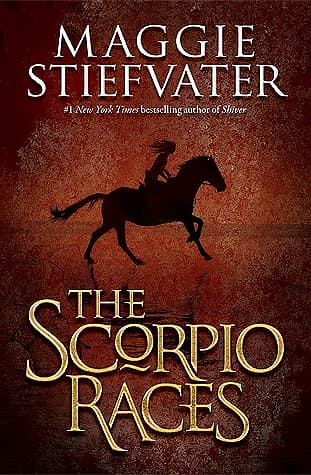
- The Scorpio Races
Maggie Stiefvater
4.1 (98k) average on GoodreadsFantasyFeatures a dangerous, high-stakes race and a compelling, intense romance.
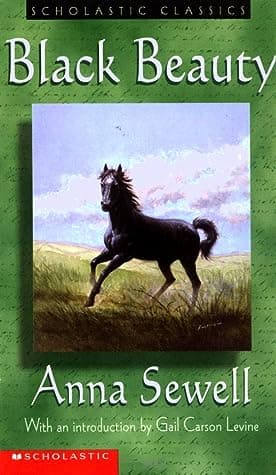
- Black Beauty
Anna Sewell
4.0 (239k) average on GoodreadsChildren'sClassic story told from a horse's perspective, highlighting the bond between humans and horses.
- Seabiscuit: An American Legend
Laura Hillenbrand
4.2 (144k) average on GoodreadsBiographyNon-fiction with compelling horse racing drama and underdog spirit.
- The Selection
Kiera Cass
4.1 (893k) average on GoodreadsFantasySimilar in its premise of a protagonist thrust into a competitive environment where romantic and personal stakes intertwine. Both feature a love triangle/rival dynamic and a quest for success under public scrutiny, though 'The Glory' focuses on literal racing while 'The Selection' is a metaphorical race for love and status.
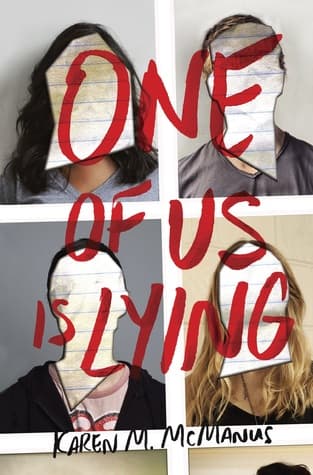
- One of Us Is Lying
Karen M. McManus
4.0 (216k) average on GoodreadsThrillerWhile both involve mystery and tension, 'One of Us Is Lying' offers a more complex, less predictable mystery with unreliable narrators and deeper thematic exploration of secrets and identity. 'The Glory's' mystery elements are more straightforward and serve primarily to drive the romance and personal stakes, rather than being the central puzzle.
- Harry Potter and the Sorcerer's Stone
J.K. Rowling
4.5 (7M) average on GoodreadsFantasyRescued from a miserable life under the stairs, an orphaned boy discovers he's a wizard destined for a magical school, where he uncovers a dangerous secret tied to the dark wizard who murdered his parents.



Enjoyed the summary?
A summary gives you the shape of the book. The book itself has the detail, the examples and the voice.
Find The Glory on AmazonAs an Amazon Associate, BookBrief earns from qualifying purchases. How we're funded