
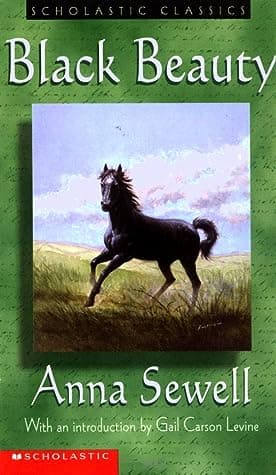
Synopsis
Covers the whole plot, including the ending.
- Difficulty
- Easy
- Pacing
- Moderate
- Mood
- Heartwarming, Melancholy, Hopeful, Educational
- Read it if
- You enjoy classic animal stories with a moral message, are interested in historical perspectives on animal welfare, or appreciate tales of resilience and the search for kindness.
- Skip it if
- You prefer fast-paced plots with high stakes, dislike stories that depict animal cruelty, or are looking for complex human character development.
Black Beauty Plot Summary
Covers the whole plot, including the ending.
Early Life and Happy Beginnings at Farmer Grey's
Black Beauty, first named Darkie, is born and raised in a pleasant meadow at Farmer Grey's estate. His mother, Duchess (also called Pet), teaches him about good manners and obedience, stressing the importance of being gentle and never biting or kicking. He spends his early years playing with other young colts and learns to wear a halter and be led. Farmer Grey is a kind master, making sure his horses are well-fed, comfortable, and never overworked. Darkie describes the joy of running freely and the gentle training he receives, which prepares him for his future as a working horse.
Birtwick Park: A Golden Age of Kindness and Friendship
When he is four years old, Darkie is sold to Squire Gordon of Birtwick Park. There, he is renamed Black Beauty and meets his new friends: Ginger, a beautiful but spirited mare with a difficult past, and Merrylegs, a cheerful, playful pony. John Manly, the head groom, is a kind and skilled horseman, ensuring Beauty and the others are always well-treated. Beauty learns to wear a saddle and bridle, pulls the master's carriage, and enjoys a life of comfort and respect. He forms a strong friendship with Ginger and Merrylegs, and they often talk about the kindness of their human caregivers, especially John and James Howard, the stable boy.
Adventures and Lessons: The Runaway Cart and James's Departure
Black Beauty tells of several events at Birtwick Park that show his owners' care. One night, a strong storm causes a bridge to collapse. Squire Gordon, riding Beauty, just avoids disaster when Beauty senses the danger and refuses to cross the damaged bridge, saving both their lives. Another event is the departure of James Howard, the stable boy, who gets a job as a coachman for a lady. Beauty, Ginger, and Merrylegs are sad he is leaving, but also happy for his career move, showing the close bonds formed with their human caretakers. Joe Green replaces James, at first showing some inexperience but proving to be kind.
Squire Gordon's Illness and the Painful Farewell
After several happy years at Birtwick Park, a great sorrow affects the horses. Mrs. Gordon becomes very ill, and the doctor advises that she and Squire Gordon must move to a warmer climate abroad. This means all the horses, including Black Beauty, Ginger, and Merrylegs, must be sold. Beauty describes the sadness of the parting, especially from John Manly, who had been such a devoted, kind groom. He and Ginger are sold to Earlshall Park, the estate of the Earl of W___. This marks the end of Beauty's good times and the start of a new, uncertain period.
Earlshall Park: Fashion, Cruelty, and Ginger's Deterioration
At Earlshall Park, Black Beauty and Ginger are made to wear fashionable but cruel bearing reins, which force their heads into an unnatural position, causing pain and restricting their breathing. Reuben Smith, the head groom, drives recklessly and is often drunk. One night, while driving Lady W___'s carriage, Smith crashes, injuring Beauty and killing himself. After recovering, Beauty is placed with a new groom, French, who is kinder, but the general atmosphere is less caring than Birtwick. Ginger, already sensitive, suffers greatly from the bearing rein and heavy work; her spirit slowly breaks under the strain. She is eventually sold due to her worsening condition.
Hardship and Overwork with the London Cab Drivers
Beauty is sold to a livery stable owner, then to a London cab driver named Jerry Barker. Jerry is a kind, principled man who treats his horses well, but the work is very hard. Beauty pulls a cab for long hours, often in bad weather, and experiences London's crowded, noisy streets. He sees much cruelty and neglect inflicted on other cab horses, but Jerry makes sure he is fed, rested, and clean. However, Jerry's health eventually fails from his own strenuous work, and he has to give up his cab business, leading to Beauty being sold again.
The Decline: From Cab Horse to Cart Horse
After Jerry Barker, Black Beauty is sold to a series of increasingly harsh, neglectful owners. He works for a man who hires him out, often to inexperienced or cruel drivers. He is overworked, underfed, and his body starts to break down. His knees are scarred from a fall caused by a careless driver. He is then sold to a baker, who also overworks him, making him pull heavy loads despite his weakening state. Beauty describes the constant pain and exhaustion, the lack of proper rest, and the feeling of hopelessness as he falls deeper into misery and neglect. He meets old friends from Birtwick, like Ginger, who is also in a state of extreme decline, pulling a heavy coal cart.
Reunion and Rescue: The Kind Hands of Farmer Thoroughgood
Beauty's condition becomes so bad that he is put up for sale at a horse fair, looking thin, weak, and old. A kind old farmer named Thoroughgood spots him, recognizing the horse's potential despite his worn look. Farmer Thoroughgood buys Beauty, planning to give him a peaceful retirement. He takes Beauty to his farm and puts him in the care of his grandson, Willie. Willie is a gentle, patient boy who grooms Beauty carefully, feeds him well, and lets him rest and recover. Slowly, Beauty regains his strength and health, experiencing kindness once more.
A Familiar Voice and a Happy Ending
As Beauty recovers at Farmer Thoroughgood's, he notices that the stable boy, Willie, reminds him of someone. One day, a gentleman visits the farm, and Beauty immediately recognizes his voice and face – it is Joe Green, the stable boy from Birtwick Park, now grown up and working for Farmer Thoroughgood. Joe, too, recognizes Beauty and is happy to find him. He confirms Beauty's identity, telling stories from Birtwick. Beauty is deeply moved to be reunited with a kind face from his past. He is given a permanent home with Farmer Thoroughgood and Joe Green, where he lives out his days in comfort, peace, and the loving care he deserves, never to be sold again.
Black Beauty Characters
Black Beauty (Darkie, Black Auster)
Protagonist
A handsome, intelligent horse whose life journey narrates the story of equine treatment.
Black Beauty is the titular protagonist and narrator of the story. Born on a kind farmer's estate, he is a well-bred, intelligent, and gentle horse with a striking black coat and a white star on his forehead. He begins his life in an idyllic setting, learning good manners and obedience from his mother. Throughout his many changes of ownership, Beauty maintains his gentle nature and willingness to work, despite enduring great hardship and cruelty. His perspective allows the reader to experience the world of horses, highlighting their sentience, loyalty, and suffering. He is a symbol of resilience and the impact of human kindness and cruelty.
Relationships: Duchess (Pet) (Mother, first teacher); Ginger (Fellow carriage horse, close friend); Merrylegs (Fellow pony, friend); John Manly (Kind groom, trusted caregiver); Squire Gordon (First kind master); Jerry Barker (Kind cab driver, temporary master); Joe Green (Stable boy at Birtwick, later his final caregiver)
Ginger
Supporting
A spirited mare whose troubled past makes her distrustful of humans.
Ginger is a beautiful, powerful mare with a chestnut coat, who becomes Black Beauty's companion at Birtwick Park. She is initially prone to biting and kicking due to previous mistreatment, which has made her resentful and distrustful of humans. Under the kind care of Squire Gordon and John Manly, she learns to trust and becomes a good carriage horse. She forms a close bond with Beauty, sharing her experiences and fears. Her story tragically illustrates the long-term psychological and physical damage that cruelty can inflict on an animal, as she eventually succumbs to overwork and neglect after leaving Birtwick.
Relationships: Black Beauty (Close friend, fellow carriage horse); Squire Gordon (Kind master); John Manly (Kind groom)
Merrylegs
Supporting
A cheerful, good-tempered pony who serves the children at Birtwick Park.
Merrylegs is a small, fat, grey pony at Birtwick Park, known for his cheerful disposition and good temper. He is primarily ridden by the children of the house, and he enjoys their company, though he teaches them not to pull his mane or tail. Merrylegs is a contrast to Ginger's more troubled nature, representing the positive outcome of consistent kindness and good care. He is a lively and playful companion to Beauty and Ginger, offering a lighter side to their stable life. His eventual fate is a happy one, as he is sold to a kind vicar who ensures his continued well-being.
Relationships: Black Beauty (Friend, stablemate); Ginger (Friend, stablemate)
John Manly
Supporting
The dedicated and exceptionally kind head groom at Birtwick Park.
John Manly is the head groom at Birtwick Park and is consistently portrayed as an ideal horseman. He is knowledgeable, patient, and deeply compassionate, always prioritizing the well-being of the horses under his care. He ensures they are well-fed, properly groomed, and never overworked. His gentle hand and understanding nature help Beauty and Ginger thrive. He is a strong advocate for humane treatment, often discussing the importance of kindness and good sense in handling horses. His character serves as a benchmark for good horsemanship throughout the novel.
Relationships: Black Beauty (Primary caregiver, trusted human); Squire Gordon (Employer); Ginger (Caregiver); Joe Green (Mentor)
Squire Gordon
Supporting
Black Beauty's first truly kind and discerning master at Birtwick Park.
Squire Gordon is the owner of Birtwick Park and Black Beauty's second master. He is a gentleman of great integrity and kindness, deeply concerned with the welfare of his horses. He personally oversees their care and employs only the most humane methods, such as rejecting the use of bearing reins. His respect for animals and his wise decision-making (like trusting Beauty's instinct during the bridge incident) establish Birtwick as a haven. His forced departure due to his wife's illness is a pivotal moment that plunges Beauty into a world of less considerate owners.
Relationships: Black Beauty (Master, respected figure); John Manly (Employee, trusted groom)
Jerry Barker
Supporting
A principled and compassionate London cab driver who briefly owns Black Beauty.
Jerry Barker is a London cab driver who buys Black Beauty and provides him with the best possible care under the difficult circumstances of cab work. Despite the pressures of his trade, Jerry is a man of strong morals; he refuses to overwork his horse, insists on proper rest and food, and never drives on Sundays. He is a loving family man and often preaches kindness to other drivers. Jerry's character highlights that even in a harsh environment, it is possible for humans to treat animals with respect and compassion. His failing health forces him to sell Beauty, leading to another period of hardship for the horse.
Relationships: Black Beauty (Master, kind caregiver); Polly Barker (Wife); Harry Barker (Son)
Joe Green
Supporting
A stable boy at Birtwick who later becomes Black Beauty's final, loving caregiver.
Joe Green is the young stable boy who replaces James Howard at Birtwick Park. Initially, he is inexperienced and makes a mistake by not covering Beauty properly after a long, cold ride, causing Beauty to fall ill. However, he is genuinely remorseful and learns from his error. He grows up to be a kind and competent horseman. His eventual reunion with Black Beauty, when Beauty is old and broken, is a poignant moment of recognition and redemption, as Joe ensures Beauty lives out his final years in comfort and love. He symbolizes the enduring positive impact of early lessons in kindness.
Relationships: Black Beauty (Horse cared for (initially as boy, later as adult)); John Manly (Mentor)
Duchess (Pet)
Supporting
Black Beauty's wise and gentle mother, his first teacher.
Duchess, affectionately called Pet, is Black Beauty's mother. She is a well-bred, kind, and intelligent mare who instills in her son the importance of good manners, obedience, and gentleness from his earliest days. She teaches him never to bite or kick and to always do his best. Her early lessons shape Beauty's character and serve as a moral compass for him throughout his life. She represents the ideal maternal figure, providing a strong foundation of love and guidance. Her presence in the opening chapters establishes the initial idyllic setting of Beauty's life.
Relationships: Black Beauty (Son)
Reuben Smith
Mentioned
A reckless and drunken groom at Earlshall Park, responsible for an accident.
Reuben Smith is the head groom at Earlshall Park, where Black Beauty and Ginger are sent after leaving Birtwick. He is a skilled but deeply flawed individual, known for his recklessness and heavy drinking. His negligence leads to a serious accident where he crashes Lady W––'s carriage while drunk, resulting in his own death and injuries to Black Beauty. His character highlights the dangers posed by irresponsible and intemperate human behavior towards horses.
Relationships: Black Beauty (Caregiver (poorly)); Lady W–– (Employer)
Black Beauty Themes
Kindness, Cruelty, and Animal Welfare
A main theme of 'Black Beauty' is how human kindness and cruelty affect animals, especially horses. Through Beauty's experiences, the novel shows how proper care, gentle handling, and empathy lead to happy, willing animals, while neglect, overwork, and harsh treatment cause great suffering. Examples include John Manly's good care at Birtwick versus the painful bearing reins at Earlshall, or Jerry Barker's principled cab driving compared to the brutal conditions from other London drivers. The book directly promotes humane animal treatment, stressing their ability to feel pain and loyalty.
“There is no religion without love, and people may talk as much as they like about their religion, but if it does not teach them to be kind to animals, I do not believe it.”
Social Class and Economic Hardship
The novel explores how social class and economic conditions affect how horses are treated. Horses owned by rich families (like the Gordons) usually get better care, though even they can suffer from fashion-driven cruelties (like the bearing rein at Earlshall). As Beauty moves down the social ladder, working for cab drivers and cart owners, economic pressures often lead to overwork, poor feeding, and neglect. Owners like Jerry Barker try to balance their financial needs with their desire to treat their horses well, while others cannot afford or choose not to provide enough care, showing how poverty can make animal suffering worse.
“If a man would work his horse, he must feed him.”
Empathy and Perspective
By telling the story from Black Beauty's first-person view, Anna Sewell makes readers feel empathy for animals. The reader experiences the world through a horse's senses – the pain of a bearing rein, the fear of a fire, the comfort of a warm stable, the joy of a gallop. This choice highlights that animals have feelings, thoughts, and memories, and that their well-being depends on human actions. It challenges human-centered views and encourages readers to think about their behavior's consequences from an animal's perspective.
“I hope you will grow up gentle and good, and never learn bad ways; work with a good will, pull your best, and be brave and patient.”
The Cycle of Life and Resilience
The novel follows Black Beauty's entire life, from young colt to weary old horse. This journey shows that change, loss, and the need for resilience in hard times are unavoidable. Beauty experiences periods of great happiness followed by intense suffering, losing friends and masters repeatedly. Despite the physical and emotional toll, he keeps his gentle spirit and willingness to serve. His eventual rescue and peaceful retirement offer a hopeful message about getting through hardship and finding peace and love after a long, difficult life.
“My troubles are over, and I am at home.”
Plot Devices & Literary Techniques
First-Person Animal Narration
Telling the story from the perspective of a horse.
The entire novel is narrated by Black Beauty himself, allowing readers to experience the world, human actions, and other animals' perspectives directly through his eyes and thoughts. This device fosters deep empathy, as readers understand the physical pain of bearing reins, the fear of abuse, and the joy of kindness from the animal's point of view. It makes the advocacy for animal welfare incredibly personal and immediate, as Beauty can directly comment on the conditions and treatment he and his companions receive, making a powerful case for humane treatment.
Episodic Structure
A series of distinct incidents and changes in ownership.
The plot unfolds as a series of episodes, each typically marked by a change in Black Beauty's ownership or a significant event. This structure allows Sewell to showcase a wide range of human behaviors towards horses, from the most benevolent to the most cruel, across various social classes and professions (farm horse, carriage horse, cab horse, cart horse). Each episode serves as a vignette illustrating specific aspects of animal welfare, allowing the author to explore different facets of her central theme without being confined to a single setting or set of characters for the entire narrative.
Didacticism (Moral Instruction)
Using the story to teach moral lessons about animal welfare.
Anna Sewell explicitly intended 'Black Beauty' to be a didactic novel, aiming to educate readers, particularly horse owners and drivers, about the proper treatment of horses. The narrative frequently includes direct commentary from Black Beauty or other characters (like his mother, John Manly, or Jerry Barker) on the right and wrong ways to care for animals. Specific instances of cruelty (e.g., bearing reins, 'blinders,' overwork) are meticulously described along with their painful consequences, serving as clear examples of what to avoid. The book's engaging story makes these moral lessons palatable and memorable for readers.
Foil Characters
Contrasting characters to highlight themes.
Sewell effectively uses foil characters to emphasize her themes. Ginger, with her initial distrust and eventual broken spirit due to past abuse, serves as a foil to Black Beauty's more consistently gentle and resilient nature, illustrating different responses to mistreatment. Among human characters, the exemplary John Manly and Jerry Barker stand in stark contrast to reckless figures like Reuben Smith or the indifferent cab drivers, highlighting the vast spectrum of human kindness and cruelty. These contrasts underscore the profound impact human choices have on animal lives.
Black Beauty Quotes
“We call them dumb animals, and so they are, for they cannot tell us how they feel, but they can suffer just as much as we can.”
“There is no religion without love, and people may talk as much as they like about their religion, but if it does not teach them to be kind to man and beast, it is all a sham.”
“My life, for the first few years, was a happy one. I was fed at my mother's side and at night I lay down close by her, and in the daytime I gambolled with the other colts and filled my stomach with the sweet grass.”
“If a horse would speak, he would tell you that the cruellest of all things is the bearing rein.”
“It is good people who make good places.”
“My mother always told me that I was to do my best, and I have always tried to do it.”
“I hope you will grow up gentle and good, and never learn bad tricks.”
“There are many cruel people in the world, but there are good people too, and one must hope for the best.”
“I would not sell him for any money to a man who would ill-use him.”
“A good master makes a good servant.”
“If they would only think how much the comfort of horses depends on the harness being made to fit them, and to be kept in good order.”
“I was now beginning to understand that there were other troubles in the world besides bad masters.”
“My troubles are all over, and I am at home.”
“We are often in the dark, and we cannot tell what is coming.”
Quiz
10 questions on the plot and the characters. Each answer comes with a short explanation.
Question 1
What is Black Beauty's original name given by his first owner, Farmer Grey?
- Darkie
- Beauty
- Black Beauty
- Jet
Show answer
C. Black Beauty Black Beauty's first owner, Farmer Grey, named him Black Beauty, a name he carried through much of his life.
Question 2
Who is Black Beauty's first kind and gentle master at Birtwick Park?
- Squire Gordon
- Earlshall
- Mr. Thoroughgood
- Farmer Grey
Show answer
A. Squire Gordon After leaving Farmer Grey's, Black Beauty was sold to Squire Gordon of Birtwick Park, who was a very kind and caring master.
Question 3
What is the primary theme explored through Black Beauty's experiences with different owners?
- The importance of horse racing
- The variations in human kindness and cruelty towards animals
- The benefits of urban life for horses
- The history of horse breeding
Show answer
B. The variations in human kindness and cruelty towards animals The book vividly portrays how Black Beauty's life changes drastically depending on the temperament and compassion of his human owners, highlighting the theme of animal welfare and human responsibility.
Question 4
Which of Black Beauty's friends at Birtwick Park is known for being high-spirited and eventually dies due to being overworked and neglected?
- Ginger
- Merrylegs
- Sir Oliver
- Duchess
Show answer
A. Ginger Ginger was a high-spirited mare who had been badly treated in the past, leading to her eventual tragic end due to harsh conditions and overwork.
Question 5
What kind of bit causes Black Beauty a great deal of pain when he is owned by Lady W—?
- A snaffle bit
- A curb bit
- A bearing rein
- A gag bit
Show answer
C. A bearing rein Lady W— insists on using a bearing rein, which forces Black Beauty's head unnaturally high, causing him significant discomfort and pain. This device was a common target of Sewell's advocacy.
Question 6
How does Black Beauty end up as a cab horse in London?
- He is stolen and sold to a cab owner.
- His owners, the Earl of W—, sell him due to financial difficulties.
- He is sold after an injury makes him unsuitable for carriage work, leading to a series of owners with declining fortunes.
- He runs away from an abusive owner and is found by a cab driver.
Show answer
C. He is sold after an injury makes him unsuitable for carriage work, leading to a series of owners with declining fortunes. After an injury from a fall, Black Beauty is deemed less valuable and is sold, beginning a downward spiral through various owners, eventually leading him to the hard life of a London cab horse.
Question 7
Which of Black Beauty's owners is a kind but struggling cab driver who treats him well despite his own poverty?
- Jerry Barker
- Nicholas Skinner
- Reuben Smith
- Mr. Barry
Show answer
A. Jerry Barker Jerry Barker is a good-hearted cab driver who, despite his humble circumstances, always ensures Black Beauty is well-fed and rested, showing that kindness can exist even in hardship.
Question 8
What significant event occurs when Black Beauty is with Reuben Smith, the groom at Earlshall?
- Black Beauty wins a prestigious race.
- Reuben Smith, while drunk, rides Black Beauty recklessly, causing a severe accident and his own death.
- Black Beauty saves a child from a burning building.
- Black Beauty is stolen by horse thieves.
Show answer
B. Reuben Smith, while drunk, rides Black Beauty recklessly, causing a severe accident and his own death. Reuben Smith, a groom at Earlshall, gets drunk and insists on riding Black Beauty quickly over rough terrain. This results in a terrible fall, killing Smith and severely injuring Black Beauty.
Question 9
What is the ultimate fate of Black Beauty, and who recognizes him in the end?
- He is sold to a circus and performs tricks for the rest of his life.
- He is put down due to old age and infirmity.
- He is bought by the kind Gordon family's former groom, Joe Green, and lives out his days happily.
- He escapes into the wild and lives freely.
Show answer
C. He is bought by the kind Gordon family's former groom, Joe Green, and lives out his days happily. In a touching reunion, Black Beauty is eventually bought by three kind ladies, and their stable boy, Joe Green, recognizes him as the horse from Birtwick Park. He lives out his final years in comfort and happiness.
Question 10
Anna Sewell's primary motivation for writing 'Black Beauty' was to advocate for what specific cause?
- To promote vegetarianism.
- To educate people on how to properly care for horses and prevent cruelty.
- To encourage children to learn to ride horses.
- To document the history of Victorian England.
Show answer
B. To educate people on how to properly care for horses and prevent cruelty. Anna Sewell wrote 'Black Beauty' from the perspective of a horse to highlight the common cruelties inflicted upon horses in her time, such as the use of bearing reins and overwork, aiming to foster greater compassion and understanding for animal welfare.
Black Beauty FAQ
What is 'Black Beauty' about?
'Black Beauty' tells the life story of a beautiful, well-bred horse from his own perspective. He begins his life in a kind home, but due to changing circumstances, he is sold and experiences a wide range of human treatment, from extreme cruelty and neglect to profound kindness and care, as he is passed between various owners and jobs throughout Victorian England.
Why should I read 'Black Beauty'?
You should read 'Black Beauty' because it offers a powerful and empathetic look at animal welfare, teaching valuable lessons about compassion, resilience, and the impact of human actions on others. It's an enduring classic that provides a unique perspective through the eyes of a horse, making it both educational and emotionally engaging for readers of all ages.
What is the background/setting of 'Black Beauty'?
The story is set in Victorian England, beginning in the idyllic countryside where Black Beauty is born and raised in a loving environment. As he is sold, the settings shift from gentleman's estates to bustling London streets, depicting the diverse social strata and working conditions for horses in the 19th century.
What are the most memorable quotes?
Some memorable quotes include 'We have no right to make animals suffer, just because they cannot speak,' which encapsulates the book's core message. Another is 'There is no religion without love, and people may talk as much as they like about their religion, but if it does not make them kind to others, it is all a sham.'
What writing style does the author use?
Anna Sewell employs a first-person narrative, allowing Black Beauty to tell his own story in a straightforward, often reflective, and deeply empathetic voice. The language, especially in the original, is formal yet accessible, aiming to directly convey the horse's experiences and feelings to the reader, often with a moralizing tone.
What minor details add significant meaning?
The specific descriptions of the different bits, harnesses, and blinkers Black Beauty wears highlight the physical constraints and discomforts imposed on working horses. Details like Ginger's broken spirit and Merrylegs's happy retirement underscore the varied fates horses faced, adding depth to the overall message about humane treatment.
What are some subtle foreshadowing moments?
Early in the book, Black Beauty's mother, Duchess, warns him about the potential for cruel treatment from humans, subtly foreshadowing the hardships he will later endure. Also, the early discussions about 'breaking in' young horses hint at the future challenges and pain he will face under less gentle hands.
What unexpected character connections exist?
An unexpected connection is Black Beauty's reunion with Joe Green, the stable boy from his time at Birtwick Park, who later recognizes him and helps him find a final, loving home. This connection highlights the enduring impact of kindness and the cyclical nature of life.
What are unspoken character motivations?
Many human characters' motivations for cruelty are unspoken, often rooted in ignorance, economic necessity, or a simple lack of empathy rather than malicious intent. For example, some owners might overwork Black Beauty out of financial desperation, rather than pure wickedness.
What psychological complexities do characters exhibit?
Black Beauty himself exhibits resilience and a deep capacity for forgiveness despite immense suffering, reflecting a complex emotional landscape for an animal narrator. Characters like Ginger show the psychological toll of abuse, becoming bitter and distrustful before ultimately succumbing to her broken spirit.
What are the major emotional turning points?
Major emotional turning points include Black Beauty's first sale away from Birtwick Park, marking the loss of his innocent youth. Another is the accident with Reuben Smith, which leads to his drastic change in fortunes. Finally, his reunion with Joe Green and his arrival at the last loving home are significant moments of hope and relief.
How do relationship dynamics evolve?
Relationship dynamics evolve from the idyllic, trusting bond Black Beauty shares with Squire Gordon and John Manly at Birtwick, to the fraught, often abusive relationships with owners like Jerry Barker, and finally to the compassionate, understanding bond with the kind Miss Ellen and Joe Green, illustrating the spectrum of human-animal interactions.
Which parts remain ambiguous or open-ended?
While Black Beauty's own story has a clear resolution, the broader fate of other horses, like Ginger, remains a tragic but common outcome, leaving the reader to reflect on the ongoing struggle for animal welfare. The question of how widespread true compassion for animals became in Victorian society is also left open to interpretation.
What are controversial scenes or decisions?
Controversial aspects include the stark depiction of animal cruelty, which can be distressing for younger readers, and the philosophical debate around whether animals possess the level of consciousness and emotional depth attributed to Black Beauty and his companions. The decision of some owners to work horses to death is also a harsh reality presented.
'Black Beauty' ending explained: how it ends & what it means
Black Beauty's story ends happily when he is bought by a kind family, the Blomefields, who recognize him as a well-bred horse. He is reunited with Joe Green, the stable boy from his youth at Birtwick Park, who now works for the family. He lives out his days in comfort and love, signifying that despite life's hardships, kindness and good fortune can prevail, and a 'happy ending' is possible through perseverance and the compassion of others.
About the author
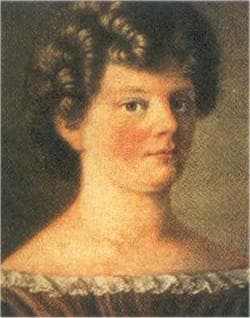
Anna Sewell was an English novelist best known for her single, yet enduring, work, Black Beauty. Published just five months before her death, the novel is a poignant and influential piece of children's literature, told from the perspective of a horse. Sewell's lifelong physical disability profoundly shaped her empathy for animals, which shines through in her classic tale.
Similar books
- The Call of the Wild
Jack London
3.9 (341k) average on GoodreadsChildren'sExplores animal perspective and resilience in harsh conditions.
- Watership Down
Richard Adams
4.1 (434k) average on GoodreadsFantasyFeatures animals as main characters navigating a perilous world.
- The Tale of Peter Rabbit
Beatrix Potter
4.2 (207k) average on GoodreadsFantasyWhile both use anthropomorphism, Potter's work primarily aims for whimsical storytelling and character-driven narratives in a fantastical setting, lacking the direct social critique and advocacy for animal welfare that is central to Sewell's Black Beauty.
- Harry Potter and the Sorcerer's Stone
J.K. Rowling
4.5 (7M) average on GoodreadsFantasyRescued from a miserable life under the stairs, an orphaned boy discovers he's a wizard destined for a magical school, where he uncovers a dangerous secret tied to the dark wizard who murdered his parents.
- The Hobbit, or There and Back Again
J.R.R. Tolkien
4.3 (2.9M) average on GoodreadsFantasyA comfort-loving hobbit named Bilbo Baggins is whisked away by a mischievous wizard and a band of dwarves on an unexpected journey to reclaim stolen treasure from a fearsome dragon, discovering courage and a magical ring along the way.
- Harry Potter and the Goblet of Fire
J.K. Rowling
4.6 (2.6M) average on GoodreadsFantasyA bewildered Harry Potter, underage and thrust into a deadly Triwizard Tournament, must brave dragons, mermaids, and a resurgent dark magic to survive a year that will forever alter the wizarding world.




Enjoyed the summary?
A summary gives you the shape of the book. The book itself has the detail, the examples and the voice.
Find Black Beauty on AmazonAs an Amazon Associate, BookBrief earns from qualifying purchases. How we're funded