
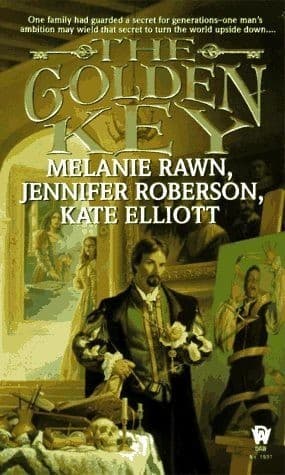
Synopsis
Covers the whole plot, including the ending.
- Difficulty
- Medium
- Pacing
- Variable
- Mood
- Epic, Magical, Confrontational, Hopeful
- Read it if
- You enjoy epic fantasy sagas with a unique magic system centered around art, complex family dynamics, and a clear battle between good and evil.
- Skip it if
- You prefer fast-paced, action-only narratives or dislike detailed world-building and a lengthy page count.
The Golden Key Plot Summary
Covers the whole plot, including the ending.
The First Grijalva and the Golden Key
The story begins with the Grijalva family, whose magical painting abilities are a gift from the gods. The First Grijalva, a master artist, paints the Golden Key, a powerful artifact that can unlock and seal magical gateways and realities. This Key symbolizes their family's responsibility and power, entrusted to the Grijalva Firstborn. The Grijalvas maintain world balance through their art, ensuring magic is used for the kingdom's good and preventing dangerous forces from the 'Void' from intruding. Their art can alter existence, making them essential to the realm's stability.
Saranja's Childhood and the Unveiling of Her Gift
Saranja Grijalva grows up in the Grijalva household, an orphan raised by her aunt and uncle, who are also master painters. From a young age, Saranja shows an astonishing natural talent for painting, surpassing her peers and mentors. Her paintings are not just beautiful; they have an undeniable, almost living quality, hinting at her dormant magic. This gift sets her apart, earning her admiration and some apprehension from her family, who recognize the immense power she could wield. She is tutored in Grijalva traditions, learning techniques and the responsibilities that come with their art.
Peralta's Ambition and Departure
Peralta Grijalva, Saranja's older cousin and a talented painter, grows frustrated with the Grijalva family's constraints and traditions. He believes their power is underused and dreams of using art for personal glory and control. His ambition twists into a darker desire for absolute power, leading him to reject the family's ethical guidelines. He eventually leaves the Grijalva compound, severing ties to pursue his own vision of art and power, free from their moral code. His departure casts a shadow over the family, who fear the misuse of his formidable artistic abilities.
The Rise of the Unpainted and Peralta's Influence
Years later, a terrifying phenomenon plagues the land: the 'Unpainted.' These are areas, objects, and people drained of all color and vitality, becoming lifeless, monochrome husks. The Grijalva family realizes this is Peralta's work. He has developed a corrupted form of magical painting. Instead of adding to reality, his art subtracts from it, siphoning off color, life, and magic to fuel his creations and power. The Unpainted spread like a blight, threatening to consume the kingdom and plunge it into an eternal grey void. Peralta's influence grows as he gathers followers, promising them power and a new order.
Saranja's Call to Action and First Encounters
With the Unpainted threat growing dire, Saranja, now a recognized master painter, realizes she must use her gifts to stop Peralta. She begins to actively counter his influence, using her vibrant, life-giving art to restore color and vitality to blighted areas. Her efforts bring her into direct conflict with Peralta's creations and his growing network of followers. During these initial encounters, Saranja experiences the destructive power of Peralta's art and the moral decay of his vision. She also begins to understand her Grijalva heritage and the responsibility of being the most gifted painter of her generation.
The Hunt for the Golden Key
As the conflict escalates, both Saranja and Peralta understand the Golden Key's importance. The Key, traditionally passed to the Grijalva Firstborn, holds immense power, capable of opening and sealing not just physical spaces but also magical realities and dimensions. Peralta, having rejected his family, seeks to claim the Key to amplify his destructive art and gain ultimate control over existence. Saranja knows she must secure the Key to prevent its misuse and to potentially seal off the source of Peralta's power. The hunt for the Golden Key becomes a central struggle, leading both cousins on a perilous journey across the blighted lands.
Alliances and Betrayals
During her quest, Saranja meets various characters, some of whom offer aid, recognizing her mission's importance. She forms alliances with other artists and individuals who still believe in the world's beauty and vitality. However, she also faces betrayals, as some are swayed by Peralta's promises of power or succumb to the despair brought by the Unpainted. These encounters force Saranja to mature quickly, discerning true allies from those who would hinder her. She learns to trust her instincts and the strength of her own art, even when faced with overwhelming odds and the defection of former friends or family members who choose Peralta's side.
The Confrontation at the Heart of the Unpainted
Saranja eventually tracks Peralta to his hidden stronghold, deep within the most blighted lands, where the Unpainted are strongest. Here, Peralta has been experimenting with his dark art, twisting reality to his will. The confrontation is a clash of two opposing artistic philosophies. Peralta, powerful and consumed by his warped vision, unleashes his most devastating creations, attempting to drain Saranja of her life and color. Saranja, however, fights with the full force of her vibrant, life-affirming magic, painting reality back into existence even as Peralta tries to erase it.
The Battle for Reality and the Golden Key's Power
The final battle is a spectacular display of magical art. Peralta attempts to use the Golden Key, which he has obtained, to open a gateway to the Void, intending to unleash its raw, formless power upon the world and remake it in his monochrome image. Saranja, using her own connection to the Golden Key and her Grijalva power, fights to prevent this. She paints intricate, vibrant counter-spells, weaving new realities to resist Peralta's destructive influence. The Key itself becomes a focal point of their struggle, its power resonating with both their wills, threatening to tear reality apart with the strain of their conflicting artistic visions.
Sacrifice and Resolution
In a climactic moment, Saranja realizes that simply defeating Peralta might not be enough to mend the damage he has wrought. She must make a sacrifice, using the Golden Key not just to seal Peralta's gateway to the Void, but to re-anchor reality itself. This act requires an immense expenditure of her life-force and artistic essence. Peralta is defeated, consumed by the Void he sought to unleash, or trapped within a reality of his own making. Saranja succeeds in restoring color and life to the world, though the scars of the Unpainted remain as a reminder of the conflict. The Golden Key is secured, and Saranja, though weakened, emerges as reality's true guardian.
The Aftermath and a New Beginning
Following Peralta's defeat, the world slowly recovers. The Unpainted areas gradually regain vibrancy, though some remain permanently altered, serving as stark reminders of Peralta's ambition. Saranja, having fulfilled her destiny, assumes her place as the Grijalva Firstborn and the guardian of the Golden Key. She dedicates herself to healing the world through her art, teaching future generations the importance of using their gifts responsibly. The Grijalva family, having faced its greatest challenge, reaffirms its commitment to protecting reality, with Saranja leading them into a new era of artistic stewardship and vigilance against future threats.
The Golden Key Characters
Saranja Grijalva
Protagonist
The orphaned master painter destined to save reality.
Saranja is an orphaned Grijalva, raised by her aunt and uncle, who possesses an unparalleled natural talent for painting. Her art is vibrant, life-affirming, and instinctively attuned to the magical essence of the world. Initially somewhat naive, she grows into a powerful and determined leader, driven by a deep love for life and color. She embodies the purest ideals of the Grijalva family, using her gift for creation and healing, and is fiercely protective of the balance of reality.
Relationships: Peralta Grijalva (Cousin and primary antagonist; their artistic philosophies are diametrically opposed.); Grijalva Family (Her adoptive family and mentors, with whom she shares a magical heritage and responsibility.)
Peralta Grijalva
Antagonist
Saranja's cousin, a gifted painter who seeks to remake reality through destruction.
Peralta is Saranja's older cousin, a highly talented Grijalva painter who, despite his gifts, becomes consumed by ambition and a twisted vision of power. He rejects the traditional Grijalva ethical code, believing their art should be used for ultimate control rather than balance. His art is destructive, drawing life and color from the world to create 'Unpainted' realities. He is driven by a desire to transcend limitations and impose his will upon existence, even if it means destroying the world as it is known.
Relationships: Saranja Grijalva (Cousin and primary rival; he seeks to dominate her and her vibrant art.); Grijalva Family (He rejects their traditions and ethics, viewing them as restrictive.)
The Golden Key
Plot Device/Symbol
A magical artifact created by the First Grijalva, capable of altering reality.
The Golden Key is a powerful, sentient magical artifact, painted into existence by the First Grijalva. It is not merely a key in the traditional sense but a conduit for immense reality-altering magic, capable of opening and sealing gateways to other dimensions, including the dangerous Void. It is a symbol of the Grijalva family's legacy, responsibility, and their unique connection to the fabric of reality. Its possession is crucial for both Saranja and Peralta, representing ultimate control over the world's magical balance.
Relationships: Grijalva Family (Inherited and protected by the Grijalva Firstborn.); Saranja Grijalva (Its rightful wielder due to her pure Grijalva essence.); Peralta Grijalva (He seeks to corrupt and control its power for his own ends.)
Aunt and Uncle Grijalva
Supporting
Saranja's adoptive parents and mentors in the Grijalva artistic traditions.
Saranja's aunt and uncle are master painters and custodians of the Grijalva traditions. They raise Saranja after she is orphaned, recognizing and nurturing her extraordinary talent. They are deeply committed to the family's ethical code, emphasizing the responsible use of their magical art for the good of the kingdom. They serve as Saranja's initial guides, teaching her the techniques and philosophies of their unique painting style, and instilling in her the values that ultimately enable her to combat Peralta's darkness. They represent the established order and wisdom of the Grijalva lineage.
Relationships: Saranja Grijalva (Adoptive parents and mentors.); Peralta Grijalva (His rejection of their teachings causes them great sorrow.)
The First Grijalva
Mentioned
The legendary founder of the Grijalva family and creator of the Golden Key.
The First Grijalva is the legendary ancestor who established the Grijalva lineage and their unique magical painting abilities. He is credited with creating the Golden Key, a powerful artifact that defines the family's purpose and power. His legacy is one of immense artistic power used for the balance and good of the world. His story and principles serve as a foundational myth for the Grijalva family, guiding their traditions and ethical code. He represents the ideal of a Grijalva master, whose art brings life and order.
Relationships: Grijalva Family (The progenitor and source of their magical gift and traditions.); Golden Key (Its creator and the one who imbued it with its original purpose.)
The Golden Key Themes
The Power and Responsibility of Art
Art shapes reality. The Grijalva family's paintings create and alter existence. This power comes with great responsibility, a core Grijalva tradition. Saranja uses her art to bring life, color, and balance, restoring blighted landscapes and people. Peralta's art, driven by selfish ambition, drains life and color, creating the 'Unpainted' and threatening reality. The story explores the ethical implications of such power, showing that true mastery is not just skill, but moral intent, as Saranja's sacrifice to mend the world through art demonstrates.
“Our art is not merely to show what is, but to make what should be. With that power comes the greatest of burdens.”
Creation vs. Destruction
This theme is the conflict between Saranja and Peralta. Saranja's art is life-affirming and generative, focused on adding beauty, vibrancy, and order to the world. She paints to heal and restore, seeing value in all existing things. Peralta, however, uses art as a tool of destruction and control. His 'Unpainted' creations negate, stripping away color, life, and individuality to impose his sterile, monochrome vision. The narrative positions creation as the path to harmony and destruction as the path to chaos, culminating in Saranja's efforts to rebuild and Peralta's self-destruction through his own destructive power.
“He paints to erase. I paint to remember, to make new, to insist that life persists.”
The Corrupting Influence of Ambition
Peralta's character arc is a cautionary tale about unchecked ambition. Initially a talented artist, his desire for power and recognition eclipses his moral compass. He rejects the Grijalva family's ethics, viewing them as limitations, and seeks to use his gift for personal gain and control over reality. This ambition twists his art into a destructive force and isolates him, leading to tyranny and his downfall. His obsession with control and inability to see value beyond his own will highlight how ambition, untempered by responsibility and empathy, can lead to corruption.
“They call it ambition, but it is a hunger that devours everything, even the self.”
Legacy and Inheritance
The Grijalva family's magical painting ability and the Golden Key are central to this theme. The story explores the weight of inheriting such a powerful legacy, both its gifts and responsibilities. Saranja embraces her inheritance, understanding the traditions and ethical obligations passed down through her lineage. Peralta, conversely, rejects the family's legacy, seeking to redefine it in his own destructive image. The narrative emphasizes that true inheritance is not just possessing power, but upholding the values and purpose for which that power was intended, and ensuring its continuity for future generations, as Saranja does after the conflict.
“The Key is not merely ours to wield, but ours to protect, for all who come after.”
Plot Devices & Literary Techniques
The Golden Key
A magical artifact that allows access to and manipulation of reality and other dimensions.
The Golden Key is the ultimate MacGuffin and a potent magical artifact. It serves as the physical embodiment of the Grijalva family's power and legacy. Its ability to open and seal realities, including the dangerous Void, makes it the primary object of desire for both Saranja and Peralta. For Saranja, it is a tool for protection and restoration; for Peralta, it's a means to absolute control. Its existence drives the central conflict, forcing the cousins into direct confrontation over who will control its immense power and, by extension, the fate of the world.
Magical Painting
The Grijalva family's unique ability to alter reality through their artwork.
Magical painting is the core fantastical element of the story. It's not merely a talent but a supernatural ability that allows the Grijalvas to literally paint things into or out of existence, to heal or destroy. This device establishes the fantastical nature of the world and provides the means for both the conflict and its resolution. It visually represents the internal states and intentions of the characters: Saranja's vibrant, life-affirming art versus Peralta's draining, destructive 'Unpainted' creations. The rules and limitations of this magic define the narrative's possibilities and challenges.
The Unpainted
A magical blight that drains color, life, and vitality from the world.
The Unpainted serve as the primary manifestation of Peralta's dark art and the encroaching threat to the world. This plot device creates a tangible, escalating danger that Saranja must confront. It visually demonstrates the destructive power of Peralta's ambition and the dire consequences if he is not stopped. The spread of the Unpainted not only drives Saranja into action but also creates urgency and a sense of encroaching despair throughout the kingdom, making the stakes of the conflict clear and immediate. They are both a symptom and a weapon of Peralta's power.
The Golden Key Quotes
“The greatest magic is not in the spells you weave, but in the heart you bring to them.”
“Sometimes, the hardest prison to escape is the one you build for yourself.”
“A key is only as good as the lock it opens, and a lock is only as good as the secret it keeps.”
“Truth has a way of finding the light, no matter how deeply it's buried.”
“You cannot truly understand a thing until you have seen it from all sides, even the ones you fear.”
“Hope is a fragile thing, but it is also the strongest, for it can survive where all else perishes.”
“What is broken can be mended, but it will never be exactly as it was before. Sometimes, that is a good thing.”
“The past is a river that flows through us, shaping who we are, but it does not have to drown us.”
“Every choice you make, no matter how small, sends ripples through the fabric of the world.”
“Courage is not the absence of fear, but the willingness to act in spite of it.”
“To truly see, you must look beyond what is obvious, beyond what you expect.”
“The greatest treasures are not always made of gold, but of the bonds we forge with others.”
“Magic is not something you possess; it is something you become.”
“Sometimes, the only way to find your way home is to get lost first.”
Quiz
10 questions on the plot and the characters. Each answer comes with a short explanation.
Question 1
What is the unique ability possessed by the master painters of the Grijalva family?
- They can predict the future through their art.
- They can bring their painted creations to life.
- They can alter Reality through their paintings.
- They can communicate with spirits through their art.
Show answer
C. They can alter Reality through their paintings. The Grijalva family's secret Gift is the ability to alter Reality through their art, a power passed down for generations.
Question 2
What is the primary motivation of the Grijalva family in using their Gift, historically?
- To gain wealth and prestige for themselves.
- To protect and serve the kingdom.
- To entertain the royal court.
- To create beautiful, static masterpieces.
Show answer
B. To protect and serve the kingdom. The Grijalva family's Gift has 'always been used for the good of the kingdom,' indicating their historical motivation for altruism and protection.
Question 3
What is the central conflict introduced regarding the most talented Grijalva painter?
- He has lost his artistic inspiration.
- He wants to share the family secret with outsiders.
- He plans to use his power for his own dark intentions.
- He is unable to control his artistic abilities.
Show answer
C. He plans to use his power for his own dark intentions. The synopsis states that 'the most talented of the Grijalvas has decided to use his power for his own dark intentions,' setting up the main conflict.
Question 4
In the world of 'The Golden Key,' what is valued above all else?
- Wealth
- Military strength
- Art
- Knowledge
Show answer
C. Art The introductory sentence clearly states, 'In a land where art is prized above all else,' establishing the cultural value.
Question 5
What is the potential consequence of the talented Grijalva's misuse of his power?
- He will be exiled from the kingdom.
- His art will lose its magic permanently.
- The kingdom's art will be destroyed.
- Results more devastating than anyone could imagine.
Show answer
D. Results more devastating than anyone could imagine. The synopsis warns of 'results more devastating than anyone could imagine!' if the talented Grijalva uses his power for dark intentions.
Question 6
How is the Grijalva family's unique artistic Gift transmitted?
- It is taught through rigorous training at an academy.
- It is bestowed by a magical artifact.
- It is a secret Gift passed down for generations.
- It is granted by the royal family.
Show answer
C. It is a secret Gift passed down for generations. The text specifies it is 'a secret Gift passed down for generations,' implying an inherited or familial transmission rather than external means.
Question 7
What distinguishes the Grijalva family from other artists in the kingdom?
- Their use of unique, rare pigments.
- Their ability to alter Reality, unlike other artists.
- Their exclusive patronage by the royal family.
- Their focus on abstract rather than realistic art.
Show answer
B. Their ability to alter Reality, unlike other artists. The synopsis states, 'the master painters of the Grijalva family stand apart from other artists. Theirs is an art that can alter Reality,' directly highlighting their unique power.
Question 8
The conflict created by the talented Grijalva's actions primarily explores which theme?
- The beauty of artistic expression.
- The corrupting influence of power and personal ambition.
- The importance of family loyalty.
- The struggle between different artistic schools.
Show answer
B. The corrupting influence of power and personal ambition. The shift from using power 'for the good of the kingdom' to 'his own dark intentions' directly addresses the theme of power's corrupting influence when wielded selfishly.
Question 9
What does the phrase 'alter Reality' imply about the nature of the Grijalva's art?
- It creates illusions that are easily dispelled.
- It can physically change the world and its circumstances.
- It merely represents reality in a new perspective.
- It only affects the perceptions of those viewing the art.
Show answer
B. It can physically change the world and its circumstances. 'Alter Reality' suggests a profound, tangible impact on the actual world, distinguishing it from mere illusion or subjective perception. It implies a direct magical influence on the physical and conceptual world.
Question 10
Given the setup, what kind of narrative tension is likely to be central to the story?
- A mystery regarding the origin of the Grijalva's power.
- The struggle to stop the talented Grijalva before his dark intentions cause irreversible devastation.
- A romantic rivalry between two Grijalva painters.
- A quest to find new artistic techniques for the kingdom.
Show answer
B. The struggle to stop the talented Grijalva before his dark intentions cause irreversible devastation. The core conflict is the talented Grijalva's turn to 'dark intentions' with 'devastating' results, implying an urgent need to prevent this outcome, thus creating a race against time or a direct confrontation.
The Golden Key FAQ
What is the core premise of 'The Golden Key' regarding the Grijalva family and their art?
The Grijalva family possesses a unique magical ability, known as the Gift, which allows their paintings to directly alter reality. This power has been secretly passed down through generations and traditionally used for the benefit and protection of the kingdom of the Golden Key.
Who are the central protagonists navigating the unfolding crisis caused by the rogue Grijalva?
The primary protagonists are Gianni, a young Grijalva heir who must learn to master his latent Gift, and his cousin, the Lady of the Key, who is the current monarch and tasked with governing the kingdom. They are joined by other loyal Grijalvas and allies as they confront the threat.
What kind of devastating consequences arise from the antagonist's misuse of the Grijalva Gift?
The antagonist's dark intentions manifest as widespread chaos and distortion of reality across the kingdom. Landscapes shift, people's memories are altered, and the very fabric of existence begins to unravel, threatening to plunge the land into permanent unreality.
How does the society of the Golden Key value art, and how does this relate to the Grijalvas' secret?
In the kingdom of the Golden Key, art is the highest cultural value and is deeply integrated into daily life and governance. While all art is revered, only the Grijalvas' paintings possess the magical ability to alter reality, making their 'art' uniquely powerful and vital, though its true nature is a closely guarded secret.
What is the antagonist's motivation for turning their Gift to dark purposes?
The antagonist, Sario Grijalva, is driven by a deep-seated resentment and a desire for ultimate control and recognition, believing his genius has been unappreciated. He seeks to reshape the world according to his own vision, regardless of the destruction it causes, fueled by a twisted sense of artistic pride.
Beyond the magical paintings, are there other forms of magic or unique abilities present in the world of the Golden Key?
While the Grijalva Gift is the most prominent and reality-altering magic, the book hints at other subtle magical elements and unique talents within the world, often tied to artistic expression or specific family lines. However, none possess the direct, world-shaping power of the Grijalva paintings.
What significance does the 'Golden Key' itself hold, both as a title and within the story?
The 'Golden Key' refers both to the kingdom itself and a literal, symbolic key that represents the ultimate power and responsibility of the Grijalva family. It is tied to the preservation of reality and is central to the climax, symbolizing the access to and control over the kingdom's fundamental existence.
How does the concept of 'true art' versus 'dark art' play out in the narrative?
The narrative distinguishes between art created with noble intentions, embodying beauty and balance, and art born of malice, which distorts and corrupts. Sario's 'dark art' is not just aesthetically disturbing but actively destabilizes reality, contrasting with the traditional Grijalva use of art to maintain harmony and order.
What is the nature of the Grijalva family's 'Gift' – is it innate, learned, or both?
The Grijalva Gift is primarily an innate, hereditary ability passed down through bloodlines, but it requires significant training, discipline, and understanding to master. Raw talent is not enough; a Grijalva must learn to control and channel their power through rigorous artistic practice and a deep connection to their family's legacy.
How does Gianni's character arc exemplify the themes of responsibility and artistic integrity?
Gianni, initially a reluctant and somewhat naive heir, is forced to confront the immense responsibility that comes with his nascent Gift. His journey involves not only mastering his artistic power but also understanding the ethical implications of using it, ultimately choosing to uphold the Grijalva legacy of using art for good, even at great personal cost.
What role do the non-Grijalva characters play in resolving the crisis, given that only Grijalvas can wield the reality-altering art?
Non-Grijalva characters, such as the Lady of the Key and loyal retainers, provide crucial support, strategic guidance, and moral fortitude. They protect the Grijalva artists, gather information, and help maintain what little order remains, demonstrating that courage and loyalty are essential even when magic is involved.
Is Sario Grijalva a purely evil villain, or are there shades of tragedy in his character?
Sario is portrayed with tragic undertones; his villainy stems from a profound sense of artistic isolation, unrecognized genius, and a desperate craving for control that warps his perception. While his actions are undeniably destructive, his character explores the dark side of ambition and the potential for genius to turn to madness.
How does the book explore the relationship between art, power, and morality?
The book deeply explores this relationship by demonstrating how immense artistic power, when divorced from moral responsibility, can lead to devastation. It posits that true artistic mastery is not just about skill but also about the wisdom and integrity of the artist, suggesting that the most powerful art must serve a greater good.
What is the ultimate fate of Sario Grijalva, and what does it signify for the Grijalva family's future?
Sario Grijalva is ultimately defeated, often through a confrontation that forces him to face the consequences of his own distorted reality. His downfall serves as a stark warning and a reaffirmation of the Grijalva family's commitment to using their Gift responsibly, reinforcing the importance of balance and ethical stewardship for future generations.
Does 'The Golden Key' offer a definitive answer on whether artistic expression should ever be constrained for societal good?
The book suggests that while artistic freedom is valued, when art possesses the power to literally destroy or reshape reality, it carries inherent responsibilities. It argues for a balance where the Grijalvas' unique form of art must be guided by ethical considerations to prevent catastrophic harm, implying that some constraints are necessary for collective well-being.
How does the book use color and imagery to convey the state of reality and the impact of the Grijalva art?
The book extensively uses vivid descriptions of color and imagery to reflect the shifting reality. Vibrant, harmonious hues often depict the stable world or beneficial Grijalva art, while muted, clashing, or distorted colors signify Sario's corrupting influence and the unraveling of existence, making the visual aspect central to the narrative's themes.
What psychological impact does living in a reality that can be altered by art have on the citizens of the Golden Key?
The citizens, unaware of the Grijalva Gift's true nature, experience confusion, fear, and a loss of certainty when reality begins to distort. They struggle with shifting memories and environments, leading to a collective psychological strain and a desperate search for stability, highlighting the profound impact of a malleable reality on the human psyche.
Can the Grijalva Gift be used to create life, or is it limited to altering existing reality?
The Grijalva Gift is primarily shown to alter and reshape existing reality, including landscapes, objects, and even memories. While it can bring static images to life in a sense, creating entirely new, sentient life from nothing through their paintings is beyond its demonstrated capabilities, focusing instead on manipulation of the established world.
What message does the book convey about the nature of power and its corrupting influence?
The book powerfully illustrates how even a beautiful and creative power like the Grijalva Gift can corrupt an individual when wielded without moral compass or for selfish gain. Sario's transformation demonstrates that unchecked power, regardless of its origin, can lead to tyranny and destruction, emphasizing the constant vigilance required to maintain integrity.
Similar books
- A Wizard of Earthsea
Ursula K. Le Guin
4.0 (241k) average on GoodreadsFantasyExplores a young protagonist learning to master powerful magic and the consequences of its misuse.
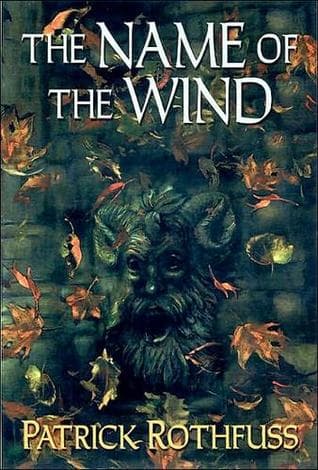
- The Name of the Wind
Patrick Rothfuss
4.5 (716k) average on GoodreadsFantasyFeatures a unique magic system and a compelling coming-of-age story within a richly imagined world.
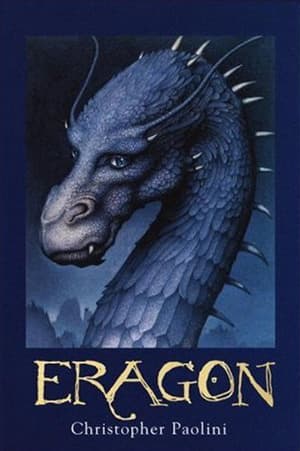
- Eragon
Christopher Paolini
3.9 (1.4M) average on GoodreadsFantasyUnlike 'Eragon,' which features a more traditional dragon-rider fantasy with elemental magic and physical combat, 'The Golden Key' distinguishes itself with a unique art-based magic system. While both involve a young protagonist discovering extraordinary powers, 'The Golden Key' delves more into the abstract power of creation and imagination, rather than inherited ancient powers and martial skill.
- Harry Potter and the Sorcerer's Stone
J.K. Rowling
4.5 (7M) average on GoodreadsFantasyRescued from a miserable life under the stairs, an orphaned boy discovers he's a wizard destined for a magical school, where he uncovers a dangerous secret tied to the dark wizard who murdered his parents.
- The Hunger Games
Suzanne Collins
4.3 (6.4M) average on GoodreadsFantasyIn a future where children fight to the death on live television, Katniss Everdeen volunteers for the arena, turning a death sentence into a fight for survival and a spark of rebellion.
- 1984
George Orwell
4.2 (3.1M) average on GoodreadsPoliticsIn a future where surveillance and thought control are absolute, a man's search for truth clashes with the Party, showing that hope can be a form of rebellion.




Enjoyed the summary?
A summary gives you the shape of the book. The book itself has the detail, the examples and the voice.
Find The Golden Key on AmazonAs an Amazon Associate, BookBrief earns from qualifying purchases. How we're funded