Estimated read time: 5 min read
One Sentence Summary
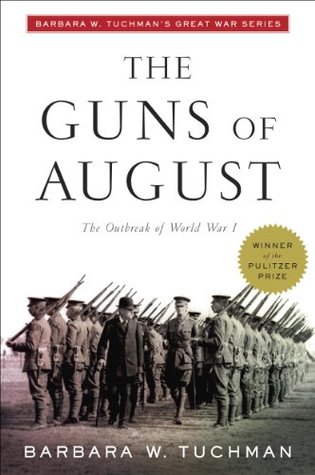
"The Guns of August" by Barbara W. Tuchman provides a detailed and dramatic account of the first month of World War I.
Table of Contents
Introduction
"The Guns of August" by Barbara W. Tuchman is a historical masterpiece that delves into the events leading up to the outbreak of World War I. Tuchman's narrative prowess brings to life the political, military, and social complexities that engulfed Europe in the summer of 1914. Through meticulous research and captivating storytelling, she unravels the series of decisions, miscalculations, and alliances that ultimately led to the devastating global conflict.
Brief Synopsis
Plot Overview
"The Guns of August" opens in the summer of 1914, with Europe on the brink of war. Tuchman meticulously examines the political landscape, the military strategies, and the key players involved in the events leading up to the outbreak of World War I. From the political maneuverings of European leaders to the mobilization of armies, Tuchman paints a vivid picture of the escalating tensions and the catastrophic chain of events that would shape the course of history.
Setting
The narrative unfolds against the backdrop of Europe in the early 20th century, a time of imperial rivalries, nationalist fervor, and delicate diplomatic alliances. The major powers of Europe, including Germany, France, Russia, and England, are locked in a complex web of treaties and ententes, heightening the stakes and setting the stage for a conflict of unprecedented scale.
Main Characters
| Character | Description |
|---|---|
| Kaiser Wilhelm II | The German Emperor, known for his aggressive foreign policy and militaristic stance. |
| Czar Nicholas II | The last Emperor of Russia, facing internal turmoil and external pressures. |
| King George V | The King of the United Kingdom, navigating the complexities of alliances and royal diplomacy. |
| Helmuth von Moltke | The Chief of the German General Staff, responsible for military strategies and planning. |
| Sir Edward Grey | The British Foreign Secretary, involved in critical diplomatic negotiations and decisions. |
Summary of Different Story Points Over Chapters
Chapter 1: The Fateful Summer
In the opening chapter, Tuchman sets the stage for the impending conflict, exploring the political tensions, military preparations, and diplomatic maneuvers that characterized the summer of 1914. The assassination of Archduke Franz Ferdinand of Austria-Hungary serves as a catalyst, igniting a chain reaction of alliances and ultimatums.
Chapter 2: Plans
Tuchman delves into the military strategies and preparations of the major powers, examining the intricacies of mobilization and the deployment of forces. The meticulous planning and calculations of military leaders lay the groundwork for the unfolding conflict.
Chapter 3: The Lamps Go Out
As the political landscape shifts and diplomatic efforts falter, Tuchman portrays the growing sense of inevitability and foreboding that permeates Europe. The intricate alliances and ententes bind nations together, setting the stage for a continent-wide conflagration.
Chapter 4: The Guns of August
The pivotal chapter brings to life the swift and decisive actions that propel Europe into war. Tuchman vividly captures the initial clashes, the declarations of war, and the rapid escalation of hostilities, marking the beginning of a devastating global conflict.
Main Events
- The assassination of Archduke Franz Ferdinand triggers a chain of events leading to the outbreak of war.
- Mobilization and deployment of military forces intensify the tensions across Europe.
- Diplomatic efforts falter as alliances and ententes come into play, solidifying the path to war.
- Declarations of war and initial clashes mark the swift escalation of hostilities.
Themes and Insights
Themes
- Diplomacy and Alliances: Tuchman explores the intricate web of diplomatic negotiations and alliances that shaped the political landscape of pre-war Europe.
- Miscalculation and Misjudgment: The narrative highlights the series of miscalculations and misjudgments that propelled the major powers toward a catastrophic conflict.
- Nationalism and Imperialism: The fervor of nationalism and the imperial ambitions of European powers play a pivotal role in setting the stage for war.
Insights
Tuchman's meticulous research and compelling narrative offer insights into the complexities of international relations, the perils of brinkmanship, and the human cost of war. By delving into the perspectives of key political and military figures, she provides a nuanced understanding of the decisions and actions that shaped the course of history.
Reader's Takeaway
"The Guns of August" offers readers a gripping and insightful exploration of the events leading up to World War I. Tuchman's narrative prowess and in-depth analysis provide a compelling account of the political, military, and social dynamics that culminated in a global conflagration. Readers will gain a profound understanding of the complexities of international relations, the impact of alliances and ententes, and the tragic consequences of unchecked nationalism and militarism.
Conclusion
Barbara W. Tuchman's "The Guns of August" stands as a testament to the power of historical storytelling, offering a captivating and informative journey through the pivotal events of the summer of 1914. Through meticulous research and vivid prose, Tuchman brings to life the political maneuverings, military strategies, and human dramas that set the stage for one of the most transformative conflicts in modern history. This timeless work continues to enlighten and engage readers, shedding light on the complexities of international relations and the enduring lessons of the past.
The Guns of August FAQ
What is 'The Guns of August' about?
The book 'The Guns of August' by Barbara W. Tuchman is a detailed account of the events leading up to and the early stages of World War I. It covers the political and military decisions, the key players, and the overall atmosphere leading to the outbreak of war.
Is 'The Guns of August' a historical fiction or non-fiction?
The Guns of August is a work of non-fiction. It is a well-researched and documented historical account of the events surrounding World War I.
What makes 'The Guns of August' by Barbara W. Tuchman significant?
Barbara W. Tuchman's 'The Guns of August' is significant for its in-depth analysis of the complex factors that led to the outbreak of World War I. It is considered a seminal work in the field of military history and has won the Pulitzer Prize.
Who would enjoy reading 'The Guns of August'?
Readers interested in history, particularly the events leading up to World War I, would enjoy 'The Guns of August'. It is also recommended for those interested in military history, politics, and diplomacy.
Does 'The Guns of August' focus on a specific aspect of World War I?
Yes, the book primarily focuses on the outbreak of World War I and the early stages of the conflict, examining the political and military decisions made during that crucial period.