

Estimated read time: 4 min read
One Sentence Summary
A comparative study of mythology and religion that examines the common patterns and archetypes found in the world's stories.
Table of Contents
Introduction
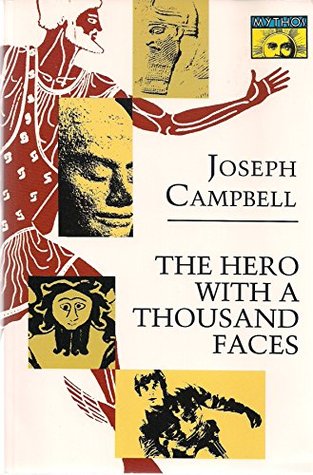
"The Hero with a Thousand Faces" by Joseph Campbell is a seminal work in the fields of mythology, psychology, and comparative religion. Published in 1949, Campbell explores the common threads that connect the world's mythological traditions. He introduces the concept of the "monomyth," or the hero's journey, which he argues is present in the myths and stories of cultures across the globe. The book has had a profound influence on storytelling, filmmaking, and the understanding of human psychology.
Brief Synopsis
Plot Overview
In "The Hero with a Thousand Faces," Joseph Campbell takes the reader on a journey through the world's mythologies, identifying common themes and archetypes that recur in the stories of different cultures. He introduces the concept of the hero's journey, a universal narrative pattern that he believes is present in the myths and legends of diverse societies.
Setting
The book is not set in a specific time or place, as it delves into the mythologies of various cultures from ancient times to the present day. Campbell draws examples from the mythic traditions of ancient civilizations such as the Greeks and the Egyptians, as well as from Native American, African, and Asian cultures.
Main Characters
| Character | Description |
|---|---|
| The Hero | Represents the central figure in the hero's journey |
| Mentor | Guides and advises the hero during their quest |
| Threshold Guardian | Presents obstacles that the hero must overcome |
| Shadow | Represents the darker aspects of the hero's psyche |
Summary of Different Story Points over Chapters
Chapter 1: The Departure
Campbell introduces the concept of the "hero's journey" and explains the stages of the hero's departure from the ordinary world. He discusses the call to adventure, the refusal of the call, and the role of mentors in guiding the hero.
Chapter 2: Initiation
In this chapter, Campbell explores the initiation phase of the hero's journey, delving into the trials and challenges that the hero faces as they undergo transformation. He discusses the symbolism of death and rebirth, as well as the hero's encounters with allies and enemies.
Chapter 3: The Return
Campbell examines the final stage of the hero's journey— the return to the ordinary world. He explores the challenges of integrating the wisdom and gifts gained during the quest into everyday life, and the potential for the hero to become a mentor for others.
Main Events
- Call to Adventure: The hero receives a summons to embark on a quest or adventure.
- Crossing the Threshold: The hero leaves the ordinary world and enters the unknown.
- Trials and Tribulations: The hero faces numerous challenges and tests along the journey.
- Abyss: The hero confronts their greatest fears and undergoes a profound ordeal.
- Transformation: The hero undergoes a significant change or realization, emerging as a transformed individual.
- Return: The hero brings back newfound wisdom and gifts to share with the ordinary world.
Themes and Insights
Universal Archetypes
Campbell explores the presence of universal archetypes and motifs in the world's mythologies, suggesting that these recurring elements reflect fundamental aspects of the human psyche and experience.
The Hero's Journey
The book delves deeply into the stages of the hero's journey, offering insights into the psychological, spiritual, and transformative aspects of this universal narrative pattern.
Myth and Meaning
Campbell emphasizes the profound symbolic and psychological significance of myths, arguing that they offer meaningful insights into the human condition and the nature of existence.
Reader's Takeaway
Readers of "The Hero with a Thousand Faces" are likely to come away with a deeper appreciation for the underlying unity of human storytelling and the universal themes that connect diverse mythological traditions. The book provides a framework for understanding the power of myth and the ways in which stories shape our understanding of ourselves and the world around us.
Conclusion
"The Hero with a Thousand Faces" offers a rich exploration of mythology, archetypes, and the hero's journey that continues to resonate with readers and scholars across various disciplines. Joseph Campbell's insights into the universal nature of myth and the transformative potential of storytelling have had a lasting impact on our understanding of human culture and consciousness.
The Hero With a Thousand Faces FAQ
What is 'The Hero With a Thousand Faces' about?
The book explores the common patterns and themes found in myths and legends from different cultures around the world. It introduces the concept of the 'monomyth' or the hero's journey, which outlines the stages of a hero's adventure.
Who is the author of 'The Hero With a Thousand Faces'?
The book is written by Joseph Campbell, an American mythologist, writer, and lecturer who is known for his work in comparative mythology and religion.
What is the significance of 'The Hero With a Thousand Faces'?
The book has had a significant influence on fields such as literature, psychology, and film. It has been used to analyze and understand the structure of narratives and the psychological journey of characters in stories.
Is 'The Hero With a Thousand Faces' only for scholars and academics?
While the book has been influential in academic circles, it is written in a way that makes it accessible to general readers who are interested in mythology, storytelling, and the human experience.
Are there any popular examples of the hero's journey from 'The Hero With a Thousand Faces'?
Yes, many popular stories and films, such as 'Star Wars' and 'The Lord of the Rings', have been analyzed using the framework of the hero's journey outlined in the book.


