
Estimated read time: 5 min read
One Sentence Summary
"The Jungle" follows the struggles of a Lithuanian immigrant family in Chicago's meatpacking industry.
Table of Contents
Introduction
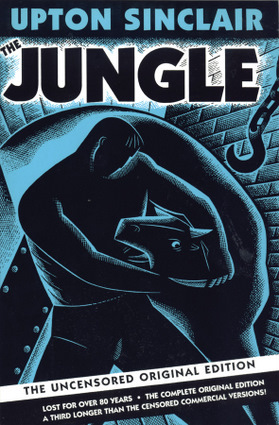
"The Jungle" by Upton Sinclair is a groundbreaking novel that exposes the harsh realities of the meatpacking industry in Chicago during the early 20th century. Through the eyes of Lithuanian immigrant Jurgis Rudkus, the novel vividly portrays the exploitation, corruption, and inhumane working conditions faced by the laborers. It delves into the themes of capitalism, immigration, and the American Dream, leaving a lasting impact on readers with its unflinching portrayal of the struggles faced by the working class.
Brief Synopsis
Plot Overview
"The Jungle" is set in the early 1900s in Chicago, where Jurgis Rudkus, along with his fiancée Ona Lukoszaite and her family, immigrates from Lithuania in search of a better life. They encounter the harsh realities of urban life and are soon employed in the meatpacking plants. Jurgis and his family face exploitation, illness, and tragedy as they struggle to survive in the oppressive industrial landscape.
Setting
The novel is primarily set in the industrial districts of Chicago, where the meatpacking plants and tenement housing symbolize the harsh living and working conditions endured by the immigrant laborers. The squalid and unsanitary environments serve as a backdrop to the characters' desperate pursuit of the American Dream.
Main Characters
The Jungle features several key characters, each representing different facets of the immigrant experience and the struggles of the working class.
| Character | Description |
|---|---|
| Jurgis Rudkus | An idealistic and hardworking Lithuanian immigrant who experiences the brutal realities of the American capitalist system. |
| Ona Lukoszaite | Jurgis's young and vulnerable fiancée, who faces exploitation and hardship in the meatpacking plants. |
| Marija Berczynskas | Ona's cousin, who works as a beef trimmer and embodies resilience in the face of adversity. |
| Teta Elzbieta Lukoszaite | Ona's stepmother, who strives to keep the family together despite overwhelming challenges. |
| Phil Connor | A foreman at the meatpacking plant who represents the corrupt and exploitative nature of the capitalist system. |
Story Points Over Chapters
Chapter 1-3
Jurgis and his family arrive in Chicago full of hope and dreams for a better life in America. They are quickly disillusioned by the harsh living conditions and the ruthless exploitation they face as they seek employment in the meatpacking plants.
Chapter 4-6
Jurgis and Ona get married and struggle to make ends meet. They face challenges such as workplace injuries, unfair wages, and the constant threat of unemployment. Their dreams are shattered as they realize the harsh reality of their situation.
Chapter 7-10
The family experiences the devastating loss of a child, Ona's difficult pregnancy, and the death of her stepmother. Jurgis becomes increasingly disillusioned and turns to alcohol as a means of coping with his despair.
Chapter 11-15
Jurgis and his family encounter further hardships, including illness, foreclosure on their home, and the loss of their jobs. They are forced to seek refuge in a squalid and overcrowded boardinghouse, where they struggle to survive.
Chapter 16-20
Jurgis becomes involved in the corrupt political system, joining the Socialist movement in an attempt to fight against the injustices he has experienced. However, he soon realizes that even the political system is rife with corruption and exploitation.
Main Events
- Jurgis and his family immigrate to America with hopes of a better life.
- They face exploitation and inhumane working conditions in the meatpacking plants.
- Ona suffers a difficult pregnancy and their child dies soon after birth.
- The family grapples with illness, unemployment, and the loss of their home.
- Jurgis becomes disillusioned and turns to alcohol to cope with his despair.
- Jurgis joins the Socialist movement but discovers corruption even within the political system.
Themes and Insights
Capitalism and Exploitation
Sinclair's portrayal of the meatpacking industry serves as a powerful critique of capitalism, highlighting the exploitation of laborers and the dehumanizing effects of industrialization.
Immigration and the American Dream
The experiences of Jurgis and his family reflect the disillusionment and hardships faced by many immigrants as they pursue the American Dream, only to encounter exploitation and adversity.
Corruption and Injustice
The novel exposes the widespread corruption and injustice prevalent in both the industrial and political spheres, shedding light on the systemic barriers that perpetuate inequality and suffering.
Reader's Takeaway
"The Jungle" offers readers a poignant and unflinching portrayal of the harsh realities faced by immigrants and the working class in industrial America. It serves as a compelling call to action, prompting readers to reflect on the enduring impact of exploitation, corruption, and the pursuit of the American Dream.
Conclusion
Upton Sinclair's "The Jungle" remains a seminal work that continues to resonate with readers, offering a compelling exploration of capitalism, immigration, and the human cost of industrialization. Through its vivid characters and unrelenting depiction of hardship, the novel leaves a lasting impression, challenging readers to confront the systemic injustices that persist in society.
The Jungle FAQ
What is the genre of 'The Jungle'?
The genre of 'The Jungle' is a social protest novel and a work of fiction.
What is the book 'The Jungle' about?
'The Jungle' is about the harsh conditions and exploitation faced by immigrant workers in the meatpacking industry in Chicago during the early 20th century. It also highlights the unsanitary and unsafe working conditions in the industry.
Who is the author of 'The Jungle'?
The author of 'The Jungle' is Upton Sinclair, an American writer and social reformer.
Is 'The Jungle' based on true events?
'The Jungle' is a work of fiction, but it was inspired by Sinclair's investigative work and research into the meatpacking industry at the time. It reflects the realities faced by many immigrant workers.
What impact did 'The Jungle' have on society?
'The Jungle' had a significant impact on society by raising awareness about the plight of workers and leading to reforms in the meatpacking industry and food safety regulations.