

Synopsis
Covers the whole plot, including the ending.
- Difficulty
- Medium
- Pacing
- Moderate
- Mood
- Suspenseful, Intriguing, Emotional, Gritty
- Read it if
- You enjoy legal thrillers, stories of wrongful conviction, and amateur sleuths uncovering deep-seated conspiracies.
- Skip it if
- You prefer fast-paced, action-heavy thrillers or are sensitive to themes of sexual assault and complex family dysfunction.
The Life We Bury Plot Summary
Covers the whole plot, including the ending.
A College Assignment Leads to a Convicted Murderer
Joe Talbert, a twenty-one-year-old college student at the University of Minnesota, struggles with a writing assignment. He needs to interview a stranger and write their biography. He lives with his younger autistic brother, Jeremy, and their alcoholic, neglectful mother. Needing a subject, Joe visits a local nursing home. There, he meets Carl Iverson, a Vietnam veteran who is medically paroled and dying of pancreatic cancer. Carl was convicted thirty years ago of the rape and murder of fourteen-year-old Crystal Hagen. Joe is interested in the difference between Carl's past as a war hero and his current status as a convicted murderer. He decides to make Carl his subject, despite warnings from the nursing home staff about Carl's criminal past. This decision starts Joe's investigation into Carl's life and the crime.
Uncovering Carl's Past and Growing Doubts
Joe regularly visits Carl, recording their conversations. Carl shares details of his difficult childhood, his time in Vietnam, and the events before his arrest. Carl says he is innocent, claiming he was framed. He says he was found near Crystal Hagen's body, covered in blood, but insists he was drunk and passed out, remembering nothing of the crime. Joe's neighbor, Lila Nash, a fellow student, becomes interested and helps him transcribe the interviews. As they investigate, they discover that Carl's public defender was inexperienced. They also find that key evidence, like the victim's missing diary and the fact that Carl's blood type did not match the semen found at the scene, was either hidden or mishandled. This raises serious doubts about the conviction.
The Search for the Missing Diary and New Leads
Joe and Lila travel to Carl's hometown of Caledonia, Minnesota, to investigate more. They speak with the local sheriff, who was a deputy when the murder happened. They learn about the intense public pressure to convict Carl. They also visit the Hagen family's old house and the place where Crystal's body was found. Their investigation uncovers that Crystal Hagen had a diary that disappeared after her death, which Carl had mentioned. They believe the diary might hold clues to the real killer. They also learn about a local troublemaker, Ronald 'Ronnie' Patterson. He was known to be interested in Crystal and had a reputation for violence. He was also at the party the night she died.
Threats and Mounting Pressure
As Joe and Lila continue their investigation, they receive anonymous threats. These include a dead animal left on Joe's doorstep and menacing phone calls. This suggests someone wants them to stop investigating. At the same time, Joe's home life remains hard. His mother's alcoholism gets worse, and he struggles to care for Jeremy, often leaving him vulnerable. A childhood memory of his mother almost drowning him comes back, adding to his emotional stress. The pressure from the threats and his personal responsibilities weigh on Joe. But his commitment to Carl's case deepens, driven by a growing belief in Carl's innocence and a desire for justice.
Confronting Ronnie Patterson and a Revelation
Joe and Lila find Ronnie Patterson, who is now a seemingly respectable businessman. When confronted, Ronnie becomes agitated and defensive. He admits to being at the party the night Crystal died and having a sexual encounter with her earlier that evening. But he denies killing her. However, he says something surprising: he saw Crystal arguing with another man, Wayne Johnson, the son of a prominent local judge, near the crime scene shortly before her body was discovered. This new information changes their investigation. It points to a powerful and influential family in town and suggests a cover-up involving the judge.
The Judge's Involvement and a Conspiracy
Joe and Lila realize what Ronnie's revelation means. Judge Johnson, a powerful figure in the community, likely used his influence to protect his son, Wayne. He did this by framing Carl Iverson. They find evidence that Judge Johnson was the one who 'found' Carl passed out near Crystal's body. He also helped arrange the investigation and trial that led to Carl's wrongful conviction. They suspect the missing diary contained information about Wayne, and the judge made sure it disappeared. This shows a conspiracy to protect a prominent family at the expense of an innocent man.
Carl's Confession and a New Suspect
Feeling the weight of his coming death and Joe's questions, Carl finally confesses, but not to Crystal's murder. He admits he accidentally killed another young woman, a prostitute, during his time in Vietnam. This event traumatized him. He explains that the guilt from that act made him feel he did not deserve a fair trial for Crystal's murder. This led him to passively accept his fate. This confession, while not about Crystal, explains Carl's resigned attitude for decades. However, Joe also discovers that Crystal Hagen's sister, Janet, had been in a relationship with Wayne Johnson. Her reaction to the news of Crystal's death was suspiciously quiet, leading Joe to suspect Janet's involvement.
The Truth About Janet Hagen
Through more investigation and putting clues together, Joe and Lila discover the truth: Crystal Hagen was murdered by her older sister, Janet Hagen. Janet was having an affair with Wayne Johnson. Crystal found out and threatened to tell their strict father. In a fit of rage, Janet attacked and killed Crystal. Wayne Johnson, present during the fight, helped Janet move the body. He then called his father, Judge Johnson, who arranged Carl Iverson's framing to protect his son and Janet. This prevented a scandal involving two prominent families. The missing diary contained details of Janet and Wayne's affair.
Confrontation and Justice
With the truth, Joe confronts Janet Hagen. Overwhelmed by the evidence and her secret, Janet confesses to killing Crystal. She describes the argument, the struggle, and Wayne's involvement in the cover-up. She confirms Judge Johnson's role in framing Carl. Joe records her confession. With this evidence, Joe, with Lila's help, presents the findings to the authorities. The truth about Crystal Hagen's murder and the thirty-year cover-up involving Judge Johnson and Wayne Johnson is exposed. This leads to a retrial for Carl Iverson and the possible arrests of Janet, Wayne, and the now-retired Judge Johnson.
Aftermath and New Beginnings
Carl Iverson is officially cleared just days before he dies of cancer. He dies a free man. Joe's writing assignment, now a detailed account of his investigation, earns him an A and his professor's admiration. The experience helps Joe confront his own past traumas, especially the memory of his mother's attempt to drown him. He gains a new sense of purpose and confidence. His relationship with Lila deepens, suggesting a romantic future. Joe starts to stabilize his home life, seeking help for his mother and ensuring Jeremy's well-being. The investigation, while difficult, ultimately leads Joe toward self-discovery and a hopeful future.
Principal Figures
Joe Talbert
Protagonist
College student who investigates a cold case for a writing assignment.
Joe Talbert is a twenty-one-year-old college student burdened by a difficult past and present. He lives with his alcoholic mother and autistic younger brother, Jeremy, feeling responsible for their well-being. Intelligent and observant, Joe initially takes on Carl Iverson's biography for a class, but his innate sense of justice and inability to reconcile Carl's heroism with his conviction drive him to uncover the truth. He is haunted by a traumatic childhood memory of his mother trying to drown him, which affects his ability to trust and form deep connections. His journey with Carl's case forces him to confront his own demons.
Relationships: Carl Iverson (Interviewer/subject, later a mentor/mentee bond); Lila Nash (Neighbor, investigative partner, developing romantic interest); Jeremy Talbert (Younger brother, Joe is his primary caregiver); Joe's Mother (Abusive, neglectful, alcoholic parent)
Carl Iverson
Supporting
Dying Vietnam veteran and convicted murderer whose story Joe investigates.
Carl Iverson is a medically paroled Vietnam veteran, dying of pancreatic cancer, who spent thirty years in prison for the rape and murder of Crystal Hagen. Despite his conviction, Carl maintains his innocence to Joe, though initially he is resigned to his fate. He is a man of quiet dignity, haunted by his past and a secret confession unrelated to Crystal's murder. He was a decorated war hero, a detail that sharply contrasts with his criminal conviction. His stoicism and fragmented memories challenge Joe to look beyond the surface of his case.
Relationships: Joe Talbert (Subject of Joe's biography, later a confidante); Crystal Hagen (Victim of the murder for which Carl was wrongly convicted)
Lila Nash
Supporting
Joe's intelligent and resourceful neighbor who assists in the investigation.
Lila Nash is Joe's sharp-witted and inquisitive neighbor, a fellow college student. She initially helps Joe transcribe his interviews with Carl, but quickly becomes deeply invested in the investigation, offering crucial insights, research skills, and emotional support. Lila is practical, intelligent, and unafraid to challenge Joe or push the investigation forward. She provides a grounding presence for Joe, who is often overwhelmed by his personal life. Her skepticism and determination are key to uncovering the truth.
Relationships: Joe Talbert (Neighbor, investigative partner, developing romantic interest)
Jeremy Talbert
Supporting
Joe's younger brother with autism, dependent on Joe for care.
Jeremy Talbert is Joe's younger brother, who has autism. He is non-verbal and requires constant care and supervision, which largely falls to Joe due to their mother's neglect. Jeremy represents Joe's primary responsibility and a source of constant worry. His presence highlights Joe's maturity and selflessness, but also the heavy burden Joe carries. Jeremy's vulnerability is a recurring motif, emphasizing the chaotic and unstable home life Joe navigates while pursuing the truth for Carl.
Relationships: Joe Talbert (Older brother, primary caregiver and protector); Joe's Mother (Neglectful parent)
Janet Hagen
Antagonist
Crystal Hagen's older sister and the real murderer.
Janet Hagen is Crystal Hagen's older sister. Initially appearing as a grieving relative, Janet is eventually revealed to be the true murderer of her sister. She was having a secret affair with Wayne Johnson, and killed Crystal in a fit of rage when Crystal threatened to expose them. Janet then participated in the cover-up orchestrated by Judge Johnson. Her character embodies the dark side of family secrets and the lengths people will go to protect their reputation, even at the cost of an innocent man's life.
Relationships: Crystal Hagen (Victim (younger sister)); Wayne Johnson (Lover, accomplice in cover-up); Judge Johnson (Wayne's father, orchestrator of the cover-up)
Judge Johnson
Antagonist
Powerful local judge who orchestrated Carl Iverson's wrongful conviction.
Judge Johnson is a highly respected and influential figure in Caledonia, Minnesota. He is Wayne Johnson's father and played a pivotal role in orchestrating Carl Iverson's wrongful conviction to protect his son and Janet Hagen from scandal. He manipulated the investigation and trial, ensuring that critical evidence was suppressed and Carl was framed. His character represents the corruption of power and the abuse of authority within the justice system, demonstrating how deeply rooted influence can pervert the truth for personal gain.
Relationships: Wayne Johnson (Son, whom he protected); Janet Hagen (Accomplice in the cover-up (via his son)); Carl Iverson (Victim of his conspiracy)
Wayne Johnson
Supporting/Antagonist
Son of Judge Johnson, involved in the cover-up of Crystal Hagen's murder.
Wayne Johnson is the son of Judge Johnson and was Janet Hagen's lover. He was present during Crystal Hagen's murder and helped Janet move the body, then immediately sought his father's help to cover up the crime. Wayne benefits directly from Carl Iverson's wrongful conviction, living a life free of consequence for his complicity. He represents the privilege and impunity that can accompany wealth and influence, and his actions are central to the decades-long injustice.
Relationships: Janet Hagen (Lover, accomplice in the murder cover-up); Judge Johnson (Father, who protected him); Crystal Hagen (Victim (sister of his lover))
Crystal Hagen
Mentioned
The fourteen-year-old murder victim whose case is reinvestigated.
Crystal Hagen is the fourteen-year-old girl whose rape and murder thirty years prior led to Carl Iverson's wrongful conviction. Though deceased, her story is central to the entire narrative. She was a typical teenager, with a diary that held critical secrets about her sister's affair with Wayne Johnson. Her death and the subsequent cover-up expose the dark underbelly of the small town and the corruption of its powerful figures.
Relationships: Janet Hagen (Older sister and murderer); Wayne Johnson (Involved in an affair with her sister, present at her death)
Joe's Mother
Supporting
Joe and Jeremy's alcoholic and neglectful mother.
Joe's mother is an alcoholic who is largely neglectful of her sons, Joe and Jeremy. Her addiction creates a chaotic and unstable home environment, forcing Joe to take on the role of primary caregiver for Jeremy. She is responsible for a traumatic childhood incident where she nearly drowned Joe, leaving him with deep psychological scars. Her character highlights the personal struggles Joe faces outside of the Carl Iverson case, adding layers to his motivation and resilience.
Relationships: Joe Talbert (Son, whom she neglected and traumatized); Jeremy Talbert (Son, whom she neglects)
Ronald 'Ronnie' Patterson
Supporting
Former local troublemaker who provides a crucial lead.
Ronnie Patterson was a local troublemaker in Caledonia at the time of Crystal Hagen's murder. He was known to have been interested in Crystal and was at the party the night she died. When confronted by Joe and Lila, he reveals a crucial piece of information: he saw Crystal arguing with Wayne Johnson shortly before her body was found. Despite his rough past, Ronnie's testimony is vital in redirecting the investigation towards the true culprits and exposing the Johnson family's involvement.
Relationships: Crystal Hagen (Acquaintance, last seen arguing with her killer); Wayne Johnson (Witnessed Wayne arguing with Crystal)
Themes & Insights
Justice and Truth
The story is about finding truth and justice, for Carl Iverson and for Crystal Hagen. Joe Talbert's investigation comes from his belief that the truth, no matter how hard or dangerous, must be found. The thirty-year cover-up by Judge Johnson shows how power can twist justice, making an innocent man a scapegoat. The story shows that even after decades, the truth can win, bringing peace to the wronged and accountability to those who did wrong. Joe's commitment despite personal threats and great odds, leading to Carl's exoneration, demonstrates this.
“The truth is a stubborn thing. It has a way of coming out, no matter how hard you try to bury it.”
Identity and Self-Discovery
Joe Talbert's journey is about discovering himself as much as it is about uncovering Carl Iverson's past. Through his investigation, Joe faces his own traumatic childhood memories, especially the near-drowning by his mother. He deals with his role as a caregiver for Jeremy and as a student. Giving voice to Carl's story helps Joe find his own voice and purpose. He learns to trust his instincts, assert himself, and build good relationships. He moves from being a victim to being a main character in his own life. This is clear as he moves from being withdrawn to seeking help for his family.
“I had started this project to write about Carl Iverson, but somewhere along the way, I had started writing about myself.”
The Burden of the Past
Carl Iverson and Joe Talbert are both deeply affected by their pasts. Carl's wrongful conviction and another, unconfessed crime from Vietnam shaped his adult life, leading to his quiet acceptance of his fate. Joe carries the burden of his difficult family, his mother's alcoholism, and the traumatic memory of his near-drowning. These things affect his trust and his feeling of responsibility for Jeremy. The novel shows how past events, whether personal traumas or societal wrongs, keep influencing the present. It shows that healing can only begin once these burdens are recognized and dealt with. The decades-long cover-up of Crystal's murder is an example of the past's strong hold.
“The past is never really gone. It’s always there, waiting for you to dig it up.”
Family Secrets and Dysfunction
The novel shows the destructive nature of family secrets and problems in several households. The Hagen family is broken by Janet's affair and Crystal's murder. This leads to a decades-long cover-up by the Johnson family to protect Wayne. Joe's own family is difficult because of his mother's alcoholism and neglect, which leaves him and Jeremy vulnerable and emotionally hurt. These family problems cause much of the suffering and injustice in the story. They show how wanting to protect one's reputation or avoid scandal can lead to bad actions and long-term consequences. The 'perfect' appearance of the Johnson family hides deep corruption.
“Families are like that, aren’t they? Full of secrets, some of them so dark they can destroy you.”
The Corrupting Influence of Power
The story shows how power, especially in a small, close community, can be misused and lead to corruption. Judge Johnson, a respected figure, uses his position and influence to arrange a cover-up. He frames an innocent man and protects his son from his actions. This misuse of power extends to manipulating law enforcement and the justice system. It shows how a powerful person can twist the truth for their own benefit. The story highlights how vulnerable less privileged people are when facing established authority, making Carl Iverson an easy target for the judge's plans.
“In a small town, some families are more equal than others. And some judges are more powerful than the law.”
Plot Devices & Literary Techniques
The Writing Assignment
Catalyst for Joe's investigation and personal growth.
The English class writing assignment, requiring Joe to interview a stranger and write their biography, serves as the primary catalyst for the entire plot. It forces Joe out of his comfort zone and into the nursing home, where he encounters Carl Iverson. Beyond initiating the external plot, the assignment also becomes a vehicle for Joe's internal journey. As he uncovers Carl's story, Joe simultaneously explores his own past and identity, ultimately transforming the academic task into a deeply personal quest for truth and self-discovery. The completed biography becomes a testament to his findings and growth.
First-Person Narrative (Joe's Perspective)
Provides intimate access to Joe's thoughts, emotions, and personal struggles.
The story is told from Joe Talbert's first-person perspective, immersing the reader directly into his experiences, fears, and developing insights. This narrative choice allows for an intimate portrayal of Joe's internal conflicts—his struggle with his dysfunctional family, his traumatic childhood memories, and his growing conviction about Carl's innocence. It also creates a sense of immediacy and suspense as the reader discovers clues and faces threats alongside Joe, fostering a strong connection with the protagonist and amplifying the emotional impact of the revelations.
The Missing Diary
A key piece of evidence that points to the true killer and the cover-up.
Crystal Hagen's missing diary functions as a crucial macguffin and plot device. Its absence from the original investigation immediately raises suspicion and becomes a central focus for Joe and Lila. The diary is believed to contain incriminating information about the real killer and the circumstances surrounding Crystal's death. Its eventual discovery (or rather, the revelation of its contents through other means) directly exposes Janet Hagen's motive and Wayne Johnson's involvement, proving Judge Johnson's efforts to suppress evidence and frame Carl Iverson. It represents the hidden truth that the powerful tried to bury.
The Vietnam War Heroism
Creates a stark contrast with Carl's conviction, fueling Joe's doubts.
Carl Iverson's past as a decorated Vietnam War hero serves as a powerful contrast to his later conviction as a rapist and murderer. This stark duality is what initially draws Joe to Carl's story, as he struggles to reconcile the image of a courageous soldier with a despicable criminal. This contrast fuels Joe's skepticism about Carl's guilt and motivates his deeper investigation. It highlights the theme of appearance versus reality and suggests that a person's entire identity cannot be defined by a single, potentially wrongful, event.
Joe's Childhood Trauma
A personal subplot that mirrors and deepens the main mystery's themes.
Joe's recurring memory of his mother attempting to drown him as a child, coupled with his ongoing struggle with her alcoholism and neglect, functions as a powerful personal subplot. This trauma not only explains Joe's guarded personality and strong sense of responsibility but also parallels the larger themes of hidden truths, betrayal within families, and the long-lasting impact of violence. It provides Joe with a personal stake in uncovering difficult truths and finding justice, as he battles his own past demons while fighting for Carl's future.
The Life We Bury Quotes
“We all have our secrets, our hidden truths that we bury deep inside, hoping they'll never see the light of day.”
“Sometimes the truth is like a ghost—it haunts you until you finally face it.”
“In the end, we are all just trying to survive the lives we've been given.”
“The past is a prison if you let it be, but it can also be the key to your freedom.”
“Justice isn't always about what's legal; sometimes it's about what's right.”
“We bury our mistakes, but they have a way of digging themselves back up.”
“Fear can paralyze you, but courage is just fear that has said its prayers.”
“Every life has a story, and every story has its shadows.”
“Trust is a fragile thing—easy to break, hard to rebuild.”
“The dead don't speak, but their stories echo in the silence.”
“Sometimes you have to lose yourself to find out who you really are.”
“Guilt is a heavy burden, but redemption is a choice we make every day.”
“In the darkness, even a small light can guide you home.”
Quiz
10 questions on the plot and the characters. Each answer comes with a short explanation.
Question 1
What is the primary reason Joe Talbert visits the nursing home at the beginning of the book?
- To volunteer and help elderly residents
- To interview a stranger for a college writing assignment
- To visit a family member who lives there
- To investigate a cold case murder
Show answer
B. To interview a stranger for a college writing assignment Joe is a college student who needs to complete a biography assignment for his English class, which requires him to interview a stranger. This leads him to the nursing home where he meets Carl Iverson.
Question 2
What crimes was Carl Iverson convicted of before being medically paroled to the nursing home?
- Armed robbery and assault
- Rape and murder
- Drug trafficking and money laundering
- Treason and espionage
Show answer
B. Rape and murder Carl spent thirty years in prison for the rape and murder of a teenage girl, which forms the central mystery of the book as Joe investigates the truth behind these convictions.
Question 3
Who is Lila in relation to Joe Talbert?
- His college professor
- His skeptical female neighbor
- His mother
- Carl Iverson's daughter
Show answer
B. His skeptical female neighbor Lila is Joe's neighbor who initially doubts Carl's innocence but eventually helps Joe investigate the case, becoming a key ally in uncovering the truth.
Question 4
What personal challenge does Joe face that complicates his investigation into Carl's case?
- He is struggling with a gambling addiction
- He has to deal with his dangerously dysfunctional mother and protect his autistic brother
- He is facing expulsion from college for plagiarism
- He is being stalked by a former criminal associate
Show answer
B. He has to deal with his dangerously dysfunctional mother and protect his autistic brother Joe's family issues, including his irresponsible mother and vulnerable autistic brother, create significant obstacles and emotional strain as he tries to focus on Carl's case.
Question 5
Why does Joe find it difficult to reconcile Carl's past as a soldier with his conviction as a murderer?
- Because Carl received numerous medals for cowardice in Vietnam
- Because Carl's valor and heroism in Vietnam seem inconsistent with the despicable crimes he was convicted of
- Because Carl denied ever serving in the military
- Because Joe discovers Carl was dishonorably discharged
Show answer
B. Because Carl's valor and heroism in Vietnam seem inconsistent with the despicable crimes he was convicted of As Joe learns about Carl's brave actions in Vietnam, he becomes skeptical that the same person could commit such heinous crimes, sparking his investigation into potential wrongful conviction.
Question 6
What is Carl Iverson's medical condition that leads to his parole from prison?
- He is blind and requires constant care
- He is dying and has only a few months to live
- He has Alzheimer's disease and cannot remember his crimes
- He suffered a stroke that left him paralyzed
Show answer
B. He is dying and has only a few months to live Carl is terminally ill, which allows for his medical parole to a nursing home. This limited timeframe adds urgency to Joe's investigation to clear Carl's name before he dies.
Question 7
Which of the following best describes a central theme explored in 'The Life We Bury'?
- The importance of technological advancement in solving crimes
- The pursuit of truth and redemption in the face of past mistakes and injustices
- The benefits of corporate espionage for personal gain
- The role of supernatural elements in criminal investigations
Show answer
B. The pursuit of truth and redemption in the face of past mistakes and injustices The book delves into themes of truth-seeking, as Joe works to uncover what really happened in Carl's case, and redemption, both for Carl potentially being wrongfully convicted and for Joe dealing with his own past and family burdens.
Question 8
What motivates Joe to continue investigating Carl's case despite the risks and personal difficulties?
- He is being paid a large sum of money by Carl's family
- He hopes to become famous by solving a high-profile case
- A combination of his growing belief in Carl's innocence and his own sense of justice and moral obligation
- He is forced to do so by law enforcement as part of a plea deal
Show answer
C. A combination of his growing belief in Carl's innocence and his own sense of justice and moral obligation Joe's initial assignment evolves into a personal mission driven by his conviction that Carl may be innocent, fueled by the inconsistencies he uncovers and his desire to right a possible wrong before Carl dies.
Question 9
How does Joe's haunting childhood memory impact his investigation and personal journey in the book?
- It causes him to have recurring nightmares that distract him from the case
- It involves a family secret about his father that directly relates to Carl's crime
- It contributes to his understanding of guilt, responsibility, and protecting the vulnerable, mirroring themes in Carl's story
- It reveals that Joe witnessed Carl commit the murder as a child
Show answer
C. It contributes to his understanding of guilt, responsibility, and protecting the vulnerable, mirroring themes in Carl's story Joe's unresolved guilt from a childhood incident where he failed to protect someone influences his determination to seek justice for Carl and protect his brother, adding depth to his character and motivations.
Question 10
What is the significance of the title 'The Life We Bury' in the context of the story?
- It refers to the burial of a time capsule by Joe's college class
- It symbolizes the literal burial of the murder victim in the case
- It represents the secrets, past traumas, and truths that characters hide or try to forget, which Joe works to uncover
- It describes Carl's job as a gravedigger before he went to prison
Show answer
C. It represents the secrets, past traumas, and truths that characters hide or try to forget, which Joe works to uncover The title metaphorically captures the idea of buried lives—Carl's buried past and potential innocence, Joe's buried childhood memories, and the hidden truths about the crime that Joe excavates through his investigation.
The Life We Bury FAQ
What is 'The Life We Bury' about?
The novel follows college student Joe Talbert, who interviews Carl Iverson, a dying Vietnam veteran and convicted murderer, for a biography assignment. As Joe investigates Carl's past, he uncovers inconsistencies in the conviction while grappling with his own troubled family life, including his dysfunctional mother and autistic brother.
Why should I read 'The Life We Bury'?
This thriller combines a compelling mystery with deep character exploration, examining themes of guilt, redemption, and the search for truth. The dual narrative of Joe's personal struggles and Carl's haunting past creates a tense, emotionally resonant story that keeps readers engaged until the final revelation.
What is the background/setting of 'The Life We Bury'?
The story is set in contemporary Minnesota, primarily in a nursing home where Carl Iverson is paroled, and in Joe's college and home environments. The Vietnam War era serves as a crucial historical backdrop through Carl's flashbacks and military experiences.
What are the most memorable quotes?
Key quotes include Carl's reflection, 'We all have our own wars,' highlighting personal battles, and Joe's realization, 'Sometimes the truth is buried so deep you have to dig through layers of lies to find it.' These capture the novel's themes of hidden truths and internal conflict.
What writing style does the author use?
Allen Eskens employs a first-person narrative from Joe's perspective, blending straightforward prose with introspective moments. The style is tense and atmospheric, shifting between present-day investigation and Carl's past through interviews and flashbacks to build suspense.
What minor details add significant meaning?
Small details like Carl's meticulously kept military medals and Joe's childhood memory of a red bicycle subtly foreshadow key plot points. Carl's quiet demeanor in the nursing home contrasts with his violent conviction, hinting at deeper complexities in his character.
What are some subtle foreshadowing moments?
Early mentions of Joe's guilt over his brother and his mother's instability foreshadow family conflicts that impact the investigation. Carl's vague references to 'mistakes' in Vietnam and the crime scene details gradually reveal clues that challenge the official narrative.
What unexpected character connections exist?
Unexpected links emerge between Carl's past and local figures in the community, including law enforcement involved in his case. Joe's neighbor Lila has her own hidden ties to the story, which deepen as they investigate together, adding layers to the mystery.
What are unspoken character motivations?
Joe is driven by a need to prove his own worth and escape his family's dysfunction, while Carl seeks redemption and to clear his name before dying. Lila's involvement stems from a personal quest for justice, rooted in her past experiences with injustice.
What psychological complexities do characters exhibit?
Carl grapples with PTSD from Vietnam and the trauma of wrongful imprisonment, manifesting in stoicism and occasional outbursts. Joe shows signs of anxiety and guilt, particularly regarding his brother, which affects his judgment and relationships throughout the investigation.
What are the major emotional turning points?
Key moments include Joe's decision to trust Carl despite his conviction, Lila's revelation of her personal stake in the case, and the climax where new evidence surfaces. Each turning point deepens the emotional stakes and shifts the characters' dynamics.
How do relationship dynamics evolve?
Joe and Carl's relationship grows from interviewer-subject to one of mutual respect and alliance. Joe and Lila's partnership strengthens as they face dangers together, while Joe's family tensions escalate, forcing him to confront his mother and protect his brother.
Which parts remain ambiguous or open-ended?
Certain aspects of the original crime scene and the full extent of corruption in the case are left partially unresolved, inviting reader interpretation. The novel also leaves open questions about the long-term impact on Joe's family and Carl's legacy.
What are controversial scenes or decisions?
Joe's choice to involve his vulnerable brother in the investigation and his confrontations with his mother spark debate over moral responsibility. Carl's actions in Vietnam and during the crime are portrayed with nuance, challenging readers' perceptions of guilt and innocence.
'The Life We Bury' ending explained: how it ends & what it means
The ending reveals the truth behind Carl's conviction, exposing a cover-up and exonerating him, but he dies shortly after. Joe gains closure and a renewed sense of purpose, symbolizing themes of justice and redemption, though the cost to his personal life remains significant.
Similar books
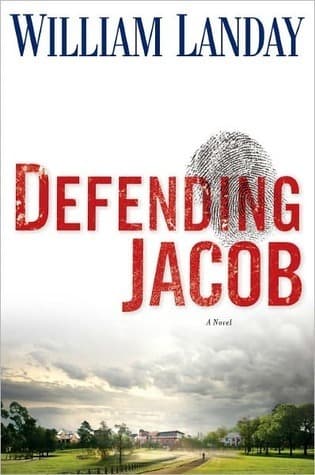
- Defending Jacob
William Landay
4.0 (264k) average on GoodreadsThrillerFeatures a family dealing with the legal system and a loved one accused of a heinous crime.
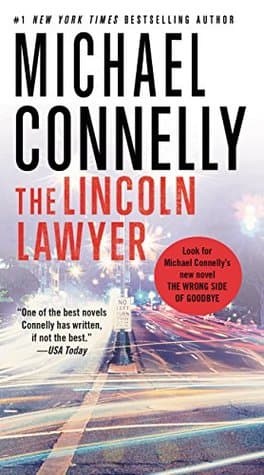
- The Lincoln Lawyer
Michael Connelly
4.2 (193k) average on GoodreadsThrillerInvolves a legal mystery with a determined protagonist uncovering corruption.
- Reconstructing Amelia
Kimberly McCreight
3.8 (122k) average on GoodreadsThrillerA mother investigates the truth behind her daughter's death, uncovering hidden secrets.
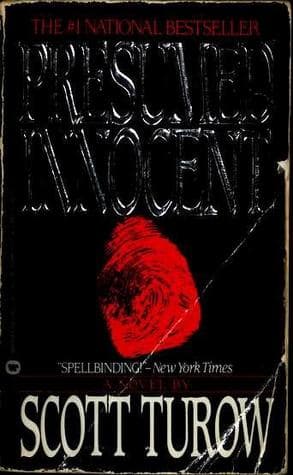
- Presumed Innocent
Scott Turow
4.1 (107k) average on GoodreadsThrillerTurow's novel offers a more intricate and detailed legal procedural framework, with a deeper exploration of courtroom strategy and legal minutiae. Eskens focuses more on the investigative journey and personal redemption, whereas Turow provides a masterclass in legal argumentation and the complexities of the justice system from within.
- Angels & Demons
Dan Brown
3.9 (2.7M) average on GoodreadsThrillerA Harvard symbologist races through Rome's ancient sites, deciphering cryptic clues to unmask the Illuminati and stop a vengeful plot to destroy the Vatican with a stolen antimatter weapon.
- Gone Girl
Gillian Flynn
4.1 (2.3M) average on GoodreadsThrillerA wife's sudden disappearance on her fifth anniversary reveals a web of lies and psychological warfare, exposing the secrets within a seemingly perfect marriage.



Enjoyed the summary?
A summary gives you the shape of the book. The book itself has the detail, the examples and the voice.
Find The Life We Bury on AmazonAs an Amazon Associate, BookBrief earns from qualifying purchases. How we're funded