
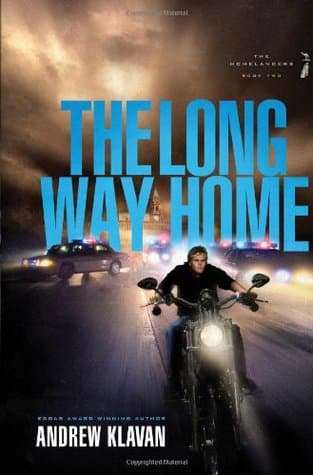
Synopsis
Covers the whole plot, including the ending.
- Difficulty
- Medium
- Pacing
- Fast
- Mood
- Suspenseful, Thrilling, Mysterious, Intense
- Read it if
- You enjoy fast-paced, high-stakes mysteries with a young protagonist on the run and a deep dive into a character's past.
- Skip it if
- You prefer slow-burn mysteries or stories without a significant element of a hunted innocent.
The Long Way Home Plot Summary
Covers the whole plot, including the ending.
The Awakening and the Chase
Charlie West, a high school student, wakes up in a hospital bed with a head injury and no memory of recent days. Police tell him his best friend, Alex, was murdered, and Charlie is the main suspect. Before he can be questioned, a man tries to kill him in his room. Charlie escapes, confused and scared, knowing he is being hunted. He remembers nothing about Alex's death or why he is targeted, but he instinctively flees, believing his survival depends on getting away from the police and these unknown attackers. He begins a desperate search to recover his lost memories.
Aiding the Fugitive
As Charlie leaves the city, he finds help. First, a truck driver gives him a ride and some money, believing Charlie's story of being wrongly pursued. Later, a young woman named Sarah helps him. She recognizes him from school and, despite news reports calling him a murderer, trusts him. Sarah gives him a car and supplies, convinced there is more to the story than the media says. These encounters confirm Charlie is not alone, but they also show the danger of being recognized, as the police and his enemies are always close behind.
Return to Willow Creek
Charlie feels an urge to go back to Willow Creek, his hometown, hoping to find answers. He remembers an abandoned mansion on the edge of town, a place he and his friends used to visit, and decides it is the safest place to hide. The familiar setting of Willow Creek offers some comfort amid his fear, but it also brings back fragmented memories and a sense of loss about Alex. He realizes that whatever happened is tied to his hometown's history and his relationships there. The mansion becomes his temporary refuge, a place to think and plan.
Reunion and Revelation
At the abandoned mansion, Charlie finds his friends, including Maria and Ben, already there. They heard about his supposed crime. They are shocked and confused, torn between police reports and their long-standing trust in Charlie. After Charlie tells them about his fragmented memories and the attempts on his life, they agree to help him. Maria, especially, wants to protect him and prove his innocence. Their reunion is tense but gives Charlie allies who will risk their safety to find the truth.
The Search for Clues
Together, Charlie, Maria, and Ben investigate Alex's murder. They visit places Alex went, question people carefully, and try to piece together Alex's last days. They find inconsistencies in the police report and learn that Alex was involved in something secret and dangerous, possibly linked to local politicians or a criminal group. They discover Alex had been acting strangely before his death, making cryptic calls and meeting suspicious people. These findings suggest Alex's death was not a simple crime but part of a larger, more sinister plot.
Threats and Close Calls
As Charlie and his friends investigate, the mysterious pursuers from the hospital get closer. They have several close calls: a car follows them, their hiding spot in the mansion is almost found, and they receive anonymous threats. These growing dangers confirm they are on the right track and that powerful forces want to hide the truth. The group realizes they are not just trying to clear Charlie's name; they are disrupting a dangerous operation. Maria's quick thinking and Ben's resourcefulness help them avoid capture and stay ahead of their enemies.
The Hidden Past
Under pressure, Charlie's amnesia slowly fades. Flashbacks and fragmented images appear, showing parts of his last days with Alex. He remembers arguments, quiet conversations, and growing tension between him and his best friend. These memories suggest Charlie was involved in Alex's secret dealings, though he still cannot recall the murder itself. He realizes his amnesia might be a way his mind protects him from a traumatic truth. The returning memories, though painful, are important clues to understanding Alex's death and his own part in it.
Unmasking the Conspiracy
The investigation shows a conspiracy involving a local businessman, Mr. Thorne, and his illegal activities, which Alex had tried to expose. Alex had collected evidence of Thorne's environmental crimes and corrupt deals with local officials. His murder was not random but a planned killing to silence him. Charlie realizes he and Alex had been working together on this, and his amnesia was caused by the trauma of witnessing or being involved in the events around Alex's death. The risks increase as they understand they are against a powerful and ruthless group.
The Confrontation at the Warehouse
With knowledge of the conspiracy, Charlie and his friends plan to expose Mr. Thorne and his people. They lure the villains to a secluded warehouse, pretending to have important evidence Alex collected. The confrontation is tense and violent. Charlie, Maria, and Ben use their intelligence and bravery to defend themselves. During the chaos, Charlie's full memory returns, showing the details of Alex's murder and his own near-death experience. He remembers seeing Thorne's men kill Alex and being hit himself, which caused his amnesia.
Justice and Resolution
In the final confrontation, the police, alerted by an anonymous tip (likely from one of Charlie's friends), arrive just in time. The evidence collected by Charlie and his friends, along with Charlie's recovered memories and a confession from one of Thorne's henchmen, leads to the arrest of Mr. Thorne and his accomplices. Charlie's name is cleared, and the true story of Alex's efforts to expose corruption comes out. The community is shocked but thankful for the truth. Charlie, though changed by the experience, finds peace and a new understanding of his own strength and his friends' loyalty.
The Long Way Home Characters
Charlie West
Protagonist
An ordinary high school student who becomes a hunted man accused of murder.
Charlie begins as a seemingly average teenager, thrust into an extraordinary and terrifying situation. His amnesia leaves him vulnerable and confused, but his innate sense of justice and his loyalty to his friends drive him forward. He is resourceful and resilient, learning to trust his instincts and the people closest to him. Despite the fear and uncertainty, he possesses a strong moral compass that compels him to uncover the truth, not just for himself, but for his murdered friend, Alex.
Relationships: Alex (Best friend, murdered victim, fellow activist); Maria (Close friend, fierce protector, romantic interest); Ben (Loyal friend, resourceful ally); Mr. Thorne (Antagonist, orchestrator of Alex's murder)
Maria
Supporting
Charlie's sharp, determined friend who believes in his innocence.
Maria is a strong-willed and intelligent young woman, fiercely loyal to Charlie. She possesses a keen intellect and a pragmatic approach, often taking the lead in their amateur investigation. Her unwavering belief in Charlie's innocence provides him with crucial emotional support and motivation. She is brave and quick-thinking, proving to be an invaluable ally in their dangerous quest for the truth, often putting herself in harm's way to protect Charlie and uncover evidence. Her affection for Charlie is evident throughout their ordeal.
Relationships: Charlie West (Close friend, romantic interest); Ben (Friend, fellow investigator); Alex (Friend of the group)
Ben
Supporting
Charlie's loyal and resourceful friend, providing practical support.
Ben is the quiet but dependable member of the trio. While less outspoken than Maria, he is equally committed to helping Charlie. He brings a practical, hands-on approach to their investigation, often handling technical aspects or providing logistical support. His loyalty is unwavering, and he faces danger with a calm resolve. Ben's resourcefulness, whether it's finding transportation or gathering information discreetly, proves essential to their survival and success. He provides a grounded presence amidst the chaos.
Relationships: Charlie West (Close friend); Maria (Friend, fellow investigator); Alex (Friend of the group)
Alex
Mentioned
Charlie's murdered best friend, whose death drives the plot.
Alex is the catalyst for the entire story, though he is only seen in Charlie's fragmented memories and through the recollections of others. He is portrayed as an idealistic and courageous individual, deeply concerned with local corruption and environmental issues. His activism and determination to expose wrongdoing ultimately lead to his demise. Alex's character serves as a moral compass for Charlie, and his legacy inspires the group to seek justice. His murder is not just a crime but a symbol of the dangers of standing up to powerful, corrupt forces.
Relationships: Charlie West (Best friend, co-conspirator in activism); Maria (Friend); Ben (Friend); Mr. Thorne (Antagonist, target of his investigation)
Mr. Thorne
Antagonist
A powerful and corrupt local businessman responsible for Alex's murder.
Mr. Thorne is the primary antagonist, a seemingly respectable businessman who secretly orchestrates criminal activities, including environmental pollution and political corruption. He is ruthless and manipulative, willing to resort to violence, including murder, to protect his empire and silence anyone who threatens to expose him. Thorne represents the insidious nature of power and greed, using his influence to control the town and cover up his illicit dealings. His arrogance and belief in his own untouchability make him a formidable foe for Charlie and his friends.
Relationships: Alex (Victim of his schemes, murdered by his order); Charlie West (Target of his cover-up attempts)
Sarah
Supporting
A young woman who offers Charlie a crucial act of kindness and aid.
Sarah is a minor but significant character who encounters Charlie early in his flight. She is a compassionate and perceptive individual who, despite the widespread news reports branding Charlie as a murderer, senses his distress and believes his plea for help. Her act of providing him with a car and supplies is a turning point, allowing Charlie to continue his journey back to Willow Creek. Sarah represents the unexpected kindness found in strangers and highlights the theme of trusting one's instincts over media narratives. Her brief appearance underscores the idea that not everyone is easily swayed by appearances.
Relationships: Charlie West (Brief benefactor)
Detective Miller
Supporting
The lead detective investigating Alex's murder, initially pursuing Charlie.
Detective Miller represents the official arm of the law, initially convinced of Charlie's guilt based on the available evidence. He is thorough and persistent in his pursuit of Charlie, adhering to protocol and the perceived facts of the case. However, as the story progresses and more inconsistencies emerge, Miller's open-mindedness allows him to consider alternative theories. He embodies the challenge of distinguishing truth from deception within a corrupted system. His eventual acceptance of Charlie's innocence and the real conspiracy highlights the theme of justice prevailing.
Relationships: Charlie West (Initial pursuer, later ally); Mr. Thorne (Eventual target of his investigation)
The Long Way Home Themes
The Search for Identity and Truth
Charlie's amnesia forces him to find out who he is. Without his memories and accused of a crime, he must piece together Alex's murder and his own character. This theme is important as Charlie deals with possible guilt, then reclaims his identity as an innocent and brave person. The search for the killer is tied to Charlie's internal search for self-knowledge. It ends when his memories return, firming up his understanding of his past actions and loyalties.
“Sometimes you have to go home to find out who you really are.”
Loyalty and Friendship
The loyalty of Charlie's friends, Maria and Ben, is a main part of the story. Despite strong evidence and media reports calling Charlie a murderer, they choose to believe him and risk their safety to help. Their trust gives Charlie the emotional and practical support he needs. This theme is clear in scenes where they hide him, find clues, and stand by him during dangerous situations, showing the strong bond of true friendship. Alex's loyalty to his cause also drives the conflict.
“We're not letting you do this alone, Charlie. We're in this together.”
Corruption and Justice
The novel shows the hidden corruption in a small town. Mr. Thorne's illegal activities and his control over local officials show how power and greed can harm justice. Alex's murder happened because he tried to expose this corruption. The theme explores how ordinary people fight powerful, established groups. Charlie and his friends' search for truth, despite danger, ensures justice, even when official systems are initially compromised. It shows that truth will eventually win.
“They thought they could bury the truth with Alex, but they underestimated us.”
The Power of Memory
Charlie's amnesia is not just a plot device; it is a main theme. The gradual return of his memories is key to solving the mystery and understanding his role in events. Memory is both a burden and a way to freedom. At first, its absence makes Charlie vulnerable, but its return empowers him to face the truth and clear his name. The story shows how personal and shared memories shape identity, understanding, and the pursuit of justice, showing that the past, no matter how painful, holds the answers needed to deal with the present.
“The past isn't just something that happened; it's what makes us who we are, even the parts we try to forget.”
Plot Devices & Literary Techniques
Amnesia
Charlie's complete memory loss of the crucial days surrounding Alex's murder.
Amnesia is the central plot device that propels the entire narrative. It immediately places Charlie in a position of extreme vulnerability and confusion, making him reliant on others and forcing him to actively investigate his own past. This device creates suspense as the reader discovers the truth alongside Charlie. It also allows for the gradual revelation of plot details and character motivations, building tension and keeping the audience guessing about Charlie's true involvement and the identity of the real killer. It's a classic mystery trope used effectively to drive the 'search for truth' theme.
The Hunted Protagonist
Charlie is pursued by both the police and mysterious, dangerous assailants.
This device creates constant high stakes and propels the plot forward with relentless urgency. Charlie is never truly safe, forcing him to make desperate decisions and rely on his wits and his friends. The dual threat (police for murder, unknown men for his life) keeps the tension high and broadens the scope of the conspiracy. It also isolates Charlie, making his journey feel more personal and desperate. This device effectively highlights the theme of justice being elusive and the protagonist's struggle against overwhelming odds.
The Abandoned Mansion
A dilapidated, familiar mansion serves as the group's secret hideout and base of operations.
The abandoned mansion functions as a symbolic and practical hub for Charlie and his friends. Practically, it provides a safe, secluded location for them to strategize, gather information, and evade their pursuers. Symbolically, it represents the forgotten past and secrets of Willow Creek, mirroring Charlie's own lost memories. It's a place of childhood nostalgia that now becomes a place of desperate adult struggle, highlighting the transition from innocence to a harsh reality. Its secluded nature emphasizes the group's isolation as they fight against a powerful, corrupt system.
The Long Way Home Quotes
“There are some things in life you just can't outrun, no matter how fast you drive.”
“The truth has a way of coming out, even if you bury it under a mountain of lies.”
“Sometimes the safest place to hide is in plain sight.”
“Memory is a tricky thing. It can betray you, or it can save you.”
“You can never truly go home again, because home changes, and so do you.”
“Fear can make you do things you never thought you were capable of.”
“The weight of unspoken words can be heavier than any physical burden.”
“Justice isn't always about what's legal; sometimes it's about what's right.”
“Every secret has a shelf life. Eventually, it spoils.”
“The past isn't dead. It's not even past.”
“Sometimes the people you trust the most are the ones who hurt you the deepest.”
“A town can keep a secret better than any individual.”
“The hardest part of solving a mystery is admitting you might be part of it.”
“Hope is a dangerous thing, but sometimes it's all you have left.”
Quiz
10 questions on the plot and the characters. Each answer comes with a short explanation.
Question 1
What is the initial crime Charlie West is accused of committing?
- Bank robbery
- Stabbing death of his best friend
- Kidnapping
- Arson
Show answer
B. Stabbing death of his best friend The synopsis clearly states that the police want to arrest Charlie for 'the stabbing death of his best friend.'
Question 2
Where does Charlie West decide to go to find answers after becoming a hunted man?
- A remote cabin in the woods
- His hometown
- Another country
- The police station to confess
Show answer
B. His hometown The summary states Charlie 'makes his way back to his hometown to find some answers.'
Question 3
What type of building do Charlie and his friends use as a hideout in his hometown?
- A bustling hotel
- His childhood home
- An abandoned mansion
- A local library
Show answer
C. An abandoned mansion The text explicitly mentions he is 'holed up in an abandoned mansion' with his friends.
Question 4
What is Charlie's primary internal conflict as he navigates the mystery?
- Deciding which college to attend
- Determining whose side he's on and who he can trust
- Remembering the lyrics to a forgotten song
- Choosing between two love interests
Show answer
B. Determining whose side he's on and who he can trust The summary highlights his confusion: 'He doesn't know whose side he's on or who he can trust.'
Question 5
Besides the police, who else is trying to kill Charlie West?
- His former teachers
- Local gang members
- Terrorists
- His own family
Show answer
C. Terrorists The text states, 'Terrorists are trying to kill him. The police want to arrest him.'
Question 6
What specific memory does Charlie struggle with regarding the murder?
- He can't remember the victim's name
- He can't remember the weapon used
- He can't remember committing the murder at all
- He can't remember the motive behind the murder
Show answer
C. He can't remember committing the murder at all The description notes he is trying to discover the truth about 'a murder he can't remember'.
Question 7
What overarching theme is suggested by the tagline 'Sometimes you have to go home to find out who you really are'?
- The importance of urban development
- Self-discovery and identity tied to one's roots
- The dangers of nostalgia
- The futility of escaping the past
Show answer
B. Self-discovery and identity tied to one's roots The tagline directly links returning home with finding out 'who you really are,' indicating a theme of self-discovery and identity.
Question 8
The synopsis mentions 'the love he can never forget.' What does this detail imply about Charlie's past and the unfolding mystery?
- It suggests a romantic subplot entirely separate from the murder mystery.
- It hints that a past romantic relationship is somehow intertwined with the current danger and his forgotten memories.
- It implies a familial love that will help him escape his pursuers.
- It refers to his love for his hometown, which makes him want to return.
Show answer
B. It hints that a past romantic relationship is somehow intertwined with the current danger and his forgotten memories. The phrase 'the love he can never forget' is mentioned alongside 'the truth about a murder he can't remember,' strongly suggesting a connection between his past relationship and the mystery, making it more than just a separate subplot.
Question 9
How does Charlie West transition from an 'ordinary high-school student' to a 'hunted man'?
- He gradually gets involved in criminal activities over several months.
- He wakes up one morning to find himself in this predicament.
- He is forcefully recruited by the terrorists.
- He witnesses a crime and becomes a target.
Show answer
B. He wakes up one morning to find himself in this predicament. The first sentence states, 'Charlie West went to bed one night an ordinary high-school student. He woke up a hunted man.' This implies a sudden, unexplained shift.
Question 10
What is the primary motivation for Charlie to return to his hometown, beyond just finding a hiding place?
- To collect his belongings and money from his old house.
- To reunite with his estranged family members.
- To uncover the truth and find answers about the murder he's accused of and his forgotten past.
- To seek revenge on those he believes framed him.
Show answer
C. To uncover the truth and find answers about the murder he's accused of and his forgotten past. The text states he makes his way 'back to his hometown to find some answers' and later, 'in a desperate attempt to discover the truth about a murder he can't remember'. His primary goal is understanding.
The Long Way Home FAQ
What is the core premise of 'The Long Way Home'?
Charlie West, an ordinary high school student, awakens to find himself a hunted man, pursued by terrorists and wanted by the police for the murder of his best friend. With no memory of the events, he must return to his hometown to uncover the truth behind the murder and his sudden predicament.
Who is Charlie West, and what is his initial situation?
Charlie West is the protagonist, initially presented as a typical high school student whose life is abruptly upended. He wakes up disoriented and accused of a crime he doesn't remember committing, forcing him into a desperate flight for survival and answers.
Why are terrorists trying to kill Charlie, and how does this connect to the murder accusation?
The terrorists are pursuing Charlie because he inadvertently became entangled in their plot, possibly witnessing or possessing something crucial to their operation. The police accusation for his best friend's stabbing death is intertwined, suggesting a larger conspiracy where Charlie is a pawn or a target.
What role does Charlie's hometown play in the narrative?
Charlie's hometown is central to his quest for answers, serving as both a place of refuge and the location where the truth about the murder and his past love must be confronted. The abandoned mansion there becomes a critical hub for his friends to assist him.
Who are Charlie's friends, and how do they become involved in his predicament?
Charlie's friends are individuals from his past who rally around him in his time of need. They join him in the abandoned mansion, risking their own safety to help him piece together his fragmented memories and investigate the murder he's accused of.
What is the significance of Charlie's 'best friend' who was stabbed to death?
The best friend's murder is the catalyst for Charlie's entire ordeal, the crime he's accused of and cannot remember. Uncovering the true circumstances of this death is paramount, as it likely holds keys to the terrorist plot and Charlie's past actions.
Are there any clues early on that hint at Charlie's true involvement or identity beyond an 'ordinary student'?
While initially presented as ordinary, subtle clues might emerge through his survival instincts, fragmented memories, or the specific nature of the terrorists' pursuit, suggesting he might have a latent skill set or a deeper connection to the events than he realizes.
How does the 'love he can never forget' tie into the central mystery and his past?
The 'love he can never forget' is likely a past relationship, possibly with someone from his hometown, whose connection might be crucial to understanding the murder, the terrorists' motives, or even Charlie's own hidden memories. This emotional tie adds a personal stake to his investigation.
What is the significance of the 'abandoned mansion' as a setting?
The abandoned mansion serves as a symbolic and literal sanctuary, a place where Charlie and his friends can hide and strategize without immediate external interference. Its isolation also mirrors Charlie's internal state of being lost and disconnected from his past.
How does Charlie's amnesia about the murder affect his psychological state and decision-making?
Charlie's amnesia creates profound psychological distress, as he grapples with the terrifying possibility of being a killer while simultaneously fighting for his innocence. This internal conflict fuels his desperation for answers and makes him question his own identity and judgment.
What kind of psychological pressure does Charlie face, being hunted by both criminals and law enforcement?
Charlie faces immense psychological pressure from constant fear for his life and the knowledge that he's a fugitive from justice. This dual threat forces him into a state of hyper-vigilance and paranoia, making it difficult to trust anyone and eroding his sense of security.
How does the theme of 'finding out who you really are' manifest in Charlie's journey?
Charlie's journey is a profound exploration of identity, as he must reconstruct his past and confront the person he might have been or become. The trauma of his situation forces him to strip away preconceived notions and discover his true character, resilience, and moral compass.
What psychological impact does the 'love he can never forget' have on Charlie while he's on the run?
The memory of his past love likely provides Charlie with both motivation and emotional vulnerability. It might be a source of strength, reminding him of what he's fighting for, but also a distraction or a painful reminder of the life he's lost.
Is Charlie a reliable narrator, given his amnesia and the chaotic circumstances?
Charlie's reliability as a narrator is inherently questionable due to his amnesia and the extreme stress he's under. His perceptions and memories are fragmented, forcing the reader to piece together the truth alongside him and consider potential biases or gaps in his understanding.
Could the 'terrorists' and 'police' be less distinct than they appear, perhaps hinting at corruption or a deeper conspiracy?
The clear distinction between 'terrorists' and 'police' might be a misdirection. The narrative could reveal a more complex conspiracy where elements within law enforcement are compromised, or the 'terrorists' have unexpected connections, blurring the lines of good and evil.
What is the ultimate message or thematic goal of the author in sending Charlie 'home' to find himself?
The author likely aims to convey that true self-discovery often requires confronting one's origins, past relationships, and the foundational experiences that shaped identity. Going 'home' symbolizes a return to basics to rebuild oneself from a shattered past.
How might the ending challenge or subvert typical mystery tropes?
The ending could subvert tropes by revealing that Charlie himself was more deeply involved or complicit than initially believed, or that the 'truth' is far more ambiguous and morally complex than a simple good vs. evil scenario, leaving readers with lingering questions.
Is it possible that Charlie's 'amnesia' is not complete, or that he is subconsciously suppressing certain memories?
It is highly possible that Charlie's amnesia is selective or a psychological defense mechanism, rather than a total blank slate. He might be subconsciously suppressing traumatic memories, and his journey home triggers their slow, painful resurfacing, revealing uncomfortable truths.
About the author

Andrew Klavan is a critically acclaimed author of suspenseful thrillers for young adults and adults. His notable works include the award-winning "The Long Way Home" and "The Last Thing I Remember." Klavan masterfully blends mystery, action, and compelling characters, earning him a dedicated readership and recognition within the genre.
Similar books
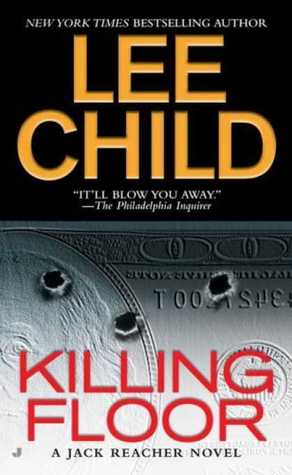
- Killing Floor
Lee Child
4.0 (249k) average on GoodreadsThrillerSimilar fast-paced, standalone thriller style with an 'ordinary man in extraordinary circumstances' trope. Klavan's protagonist is often more vulnerable and less overtly capable than Child's Jack Reacher, which can appeal to readers seeking a more relatable hero but might disappoint those looking for an unstoppable force.
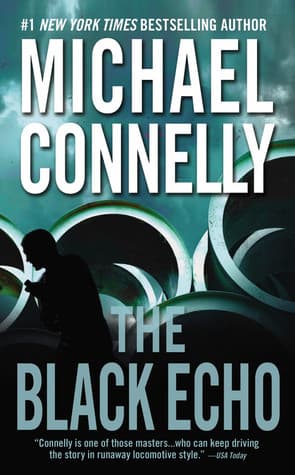
- The Black Echo
Michael Connelly
4.1 (155k) average on GoodreadsThrillerWhile both are mystery novels, Klavan's work lacks the intricate police procedural detail and the nuanced exploration of systemic justice and its flaws that Connelly consistently provides. Klavan's resolution tends to be more morally clear-cut, whereas Connelly often delves into ethical ambiguities.
- Angels & Demons
Dan Brown
3.9 (2.7M) average on GoodreadsThrillerA Harvard symbologist races through Rome's ancient sites, deciphering cryptic clues to unmask the Illuminati and stop a vengeful plot to destroy the Vatican with a stolen antimatter weapon.
- Gone Girl
Gillian Flynn
4.1 (2.3M) average on GoodreadsThrillerA wife's sudden disappearance on her fifth anniversary reveals a web of lies and psychological warfare, exposing the secrets within a seemingly perfect marriage.
- The Girl on the Train
Paula Hawkins
3.9 (2.1M) average on GoodreadsThrillerA woman’s fascination with a seemingly perfect couple she watches from her daily train commute leads her into a dark investigation when she witnesses something that shatters their idyllic image.
- The Lovely Bones
Alice Sebold
3.8 (2M) average on GoodreadsFantasyA murdered teenage girl watches from the afterlife as her family struggles with grief and her killer remains free, wanting to bridge the gap between worlds to bring him to justice.




Enjoyed the summary?
A summary gives you the shape of the book. The book itself has the detail, the examples and the voice.
Find The Long Way Home on AmazonAs an Amazon Associate, BookBrief earns from qualifying purchases. How we're funded