

Synopsis
Covers the whole plot, including the ending.
- Difficulty
- Easy
- Pacing
- Moderate
- Mood
- Whimsical, Poetic, Satirical, Hopeful
- Read it if
- You love satirical fables, poetic language, and plays that champion idealism and common sense over greed and corruption.
- Skip it if
- You prefer gritty realism, cynical humor, or stories with complex moral ambiguities.
The Madwoman of Chaillot Plot Summary
Covers the whole plot, including the ending.
The Conspiracy at Chez Francis
At the Cafe Chez Francis in Paris, a group of powerful businessmen—the Prospector, the President, the Baron, and the Broker—meet. They discuss a plan to drill for oil, which the Prospector claims is beneath Paris. Their plan involves tearing up the city, ignoring the destruction to its beauty and historical sites. A young waiter, Pierre, overhears their conversation. Overwhelmed by the world's corruption and his own despair, Pierre plans to commit suicide by jumping into the Seine, a plan he shares with the Ragpicker, a philosophical vagrant at the cafe.
Aurelia Intervenes
Countess Aurelia, the Madwoman of Chaillot, arrives at the cafe. She is an eccentric but loved figure, often talking with locals like the Ragpicker, the Street Singer, and the Flower Girl. She overhears the end of the businessmen's conversation about their destructive oil plan. Others dismiss it as talk, but Aurelia, with her strong sense of justice and unique logic, immediately understands their intentions. Disturbed by the idea of Paris being destroyed for greed, she decides to stop them, believing the world is being ruined by such 'scavengers'.
Pierre's Rescue and Hope
As Pierre prepares to end his life, Aurelia steps in. She senses his despair and asks him to delay his suicide, telling him life is beautiful. She learns he was once an idealist who worked for a corrupt company, which shattered his faith. Aurelia, with her mix of wisdom and eccentricity, convinces him that not everyone is corrupt and that beauty and goodness still exist. She gives him a rose and promises things will improve, giving him a bit of hope and a reason to reconsider.
The Gathering of the Madwomen
Aurelia goes to her cellar apartment, filled with forgotten objects and memories. She calls her three eccentric friends, also 'madwomen' of Paris: Constance, the Madwoman of Passy; Gabrielle, the Madwoman of Saint-Sulpice; and Josephine, the Madwoman of La Concorde. They are equally peculiar but share a belief in beauty, justice, and human goodness. Aurelia explains the problem: greedy, destructive people are overrunning the world, valuing profit over people and beauty. Together, they discuss how to rid the world of these 'vermin'.
The Trial of the Scavengers
In Aurelia's cellar, the four madwomen, along with the Ragpicker, the Street Singer, and other common folk, hold a mock trial. They use objects from Aurelia's collection to represent the absent businessmen. The Ragpicker acts as prosecutor, describing the crimes of greed, exploitation, and destruction of joy and beauty committed by the 'scavengers'. The madwomen, acting as the jury, listen to charges including 'murder of the future' and 'desecration of the past'. After discussion, they find the 'scavengers' guilty and condemn them to extermination for humanity's good.
The Trap is Set
After condemning the 'scavengers,' Aurelia and her friends plan their 'extermination.' She tells the Ragpicker and Pierre to spread a rumor that a large, untapped oil reserve is beneath her cellar. This rumor, they believe, will draw the greedy businessmen to her door. The Madwomen set up a 'tea party' in Aurelia's cellar, preparing to welcome their unsuspecting guests. The plan is to lure them into a secret, bottomless pit in her cellar, which opens into the earth.
The Lure of Riches
The rumor of immense oil riches beneath Aurelia's cellar spreads quickly, reaching the Prospector, the President, the Baron, and the Broker, along with other greedy industrialists and financiers. Unable to resist the promise of wealth, they come to Aurelia's home, pushing past common folk who try to warn them. Aurelia and her friends greet them, playing their parts. The businessmen are unaware of the true invitation, focused only on the potential oil fortune.
The Descent into the Pit
Aurelia, with innocent cunning, directs the greedy men to a corner of her cellar where the entrance to the bottomless pit is hidden. She explains the oil well is there, describing the riches. Blinded by greed and convinced they are about to make a huge financial gain, the businessmen, one by one, eagerly step into the 'well' — which is the chasm leading to their end. Each man, driven by his own greed, disappears into the darkness, believing he is going to wealth.
Justice and Renewal
As the last greedy man vanishes into the pit, a change happens in the world. The air feels lighter, the sun shines brighter, and joy and music fill the streets of Paris. The common folk, who were downtrodden, feel their spirits lift. Pierre, who planned suicide, changes. He looks at Irma, the Flower Girl, with new affection and hope, realizing love and beauty have returned. Aurelia, having removed the 'scavengers,' expresses her satisfaction, saying the world is now safe for dreamers and lovers.
The World Restored
The play ends with celebration. The Ragpicker, the Street Singer, the Flower Girl, and other Parisians rejoice in the sudden return of happiness and peace. They do not fully understand what Aurelia has done, but they feel its effects. Pierre and Irma embrace, showing renewed romance and optimism. Aurelia, having restored balance, sits content, confirming her belief in goodness, beauty, and the human spirit. The world, once threatened by greed, is now a place where simplicity and joy can flourish, thanks to the 'madwoman' of Chaillot.
Principal Figures
Countess Aurelia, The Madwoman of Chaillot
Protagonist
An eccentric, wise, and kind-hearted older woman who champions beauty and justice.
Aurelia is the titular 'Madwoman' of Chaillot, though her 'madness' is revealed to be a profound, intuitive wisdom and an unwavering moral compass. She lives in a charming, cluttered cellar apartment and is deeply connected to the simple joys and beauties of life, such as flowers, street music, and the people of her neighborhood. She possesses a unique, often whimsical, logic that allows her to see through the superficiality and greed of the powerful. Her actions are driven by a fierce desire to protect Paris and humanity from those who would exploit and destroy it for profit. She is a symbol of defiant optimism and the triumph of the human spirit.
Relationships: Constance, Gabrielle, Josephine (Fellow 'madwomen' and confidantes); The Ragpicker (Philosophical friend and ally); Pierre (Mentee, whose life she saves and inspires)
The Ragpicker
Supporting
A philosophical and observant vagrant who serves as Aurelia's ally and commentator.
The Ragpicker is a wise and articulate vagrant who collects discarded items and observations. He is a keen observer of human nature and society, often providing cynical yet insightful commentary on the greed and corruption he witnesses. Despite his cynicism, he holds a deep respect and affection for Aurelia, recognizing her unique wisdom. He acts as her confidante and accomplice, helping her to understand the workings of the 'scavengers' and assisting in her plan to rid the world of them. He represents the voice of common sense and the disillusioned but ultimately good-hearted populace.
Relationships: Countess Aurelia (Close friend and ally); Pierre (Brief mentor figure, offering cynical advice)
Pierre
Supporting
A disillusioned young waiter contemplating suicide, saved and inspired by Aurelia.
Pierre is a young, idealistic waiter who has become deeply disillusioned by the corruption and greed he has witnessed in the world, particularly after being involved with a fraudulent company. Overwhelmed by despair, he plans to commit suicide. He represents the vulnerable, good-hearted youth who are easily crushed by the harsh realities of the world. Aurelia's intervention, her belief in beauty, and her promise of a better future save him and reignite his hope. His renewed connection with Irma symbolizes the return of love and optimism to the world.
Relationships: Countess Aurelia (Savior and mentor); Irma, The Flower Girl (Love interest); The Ragpicker (Brief confidante)
Irma, The Flower Girl
Supporting
A kind and innocent young woman who sells flowers and embodies simple beauty.
Irma is a gentle and innocent young woman who sells flowers in the Chaillot district. She represents the simple beauty, purity, and hope that Aurelia cherishes and fights to protect. She is kind to Pierre and expresses concern for his well-being. Her blossoming romance with Pierre at the end of the play symbolizes the triumph of love and the return of joy to the world after the greedy men are vanquished. She is a symbol of the ordinary, good people whose lives are enriched by Aurelia's actions.
Relationships: Pierre (Love interest); Countess Aurelia (Admirer and beneficiary of her actions)
The Prospector
Antagonist
The ruthless businessman who claims to have found oil beneath Paris.
The Prospector is the driving force behind the scheme to drill for oil under Paris, representing pure, unadulterated greed and a complete disregard for environmental or cultural preservation. He is cunning and persuasive, convincing other powerful figures to join his destructive venture. He embodies the capitalist drive that prioritizes profit above all else, seeing the world as merely a resource to be exploited. His ultimate downfall into Aurelia's pit is a direct consequence of his insatiable avarice.
Relationships: The President, Baron, Broker (Business associates/co-conspirators)
The President
Antagonist
A powerful, self-important businessman who joins the oil exploitation scheme.
The President is a pompous and authoritative figure, representing the established power structure that is easily swayed by promises of wealth. He is more concerned with maintaining his status and accumulating more riches than with the well-being of the city or its inhabitants. He readily embraces the Prospector's destructive plan, showcasing the corrupting influence of power and money. His character highlights the moral bankruptcy of those at the top of society.
Relationships: The Prospector, Baron, Broker (Business associates/co-conspirators)
Constance, The Madwoman of Passy
Supporting
One of Aurelia's eccentric friends, who believes her dog is her son.
Constance is one of Aurelia's three 'madwomen' friends. Her particular delusion is that her dog, Dickie, is her son, and she converses with him as such. Despite her eccentricity, she possesses a clear moral compass and a deep loyalty to Aurelia and their shared ideals. She participates enthusiastically in the mock trial and the subsequent 'extermination' plan, showcasing that her 'madness' does not hinder her ability to discern right from wrong or to act effectively against injustice.
Relationships: Countess Aurelia (Close friend and ally); Gabrielle, Josephine (Fellow 'madwomen' and friends)
Gabrielle, The Madwoman of Saint-Sulpice
Supporting
Another of Aurelia's friends, who speaks to invisible figures.
Gabrielle is another of Aurelia's eccentric companions. Her 'madness' manifests as hearing and speaking to invisible people and objects, often engaging in lively conversations with them. Like Constance, her peculiar behavior does not diminish her sharp wit or her strong sense of justice. She contributes her unique perspective to the madwomen's discussions and plays an active role in their plan, demonstrating that unconventional perspectives can often hold profound truths and lead to effective solutions.
Relationships: Countess Aurelia (Close friend and ally); Constance, Josephine (Fellow 'madwomen' and friends)
Josephine, The Madwoman of La Concorde
Supporting
The third of Aurelia's friends, who keeps meticulous accounts of her imaginary wealth.
Josephine rounds out the trio of Aurelia's 'madwomen' friends. Her 'madness' involves meticulously managing an imaginary fortune and engaging in complex, non-existent financial transactions. Ironically, her 'financial acumen' makes her particularly disdainful of the real-world businessmen's greed. She provides a humorous yet poignant contrast to the actual financiers, highlighting the absurdity of their avarice. Her participation reinforces the idea that true wealth lies not in money, but in integrity and imagination.
Relationships: Countess Aurelia (Close friend and ally); Constance, Gabrielle (Fellow 'madwomen' and friends)
The Street Singer
Supporting
A local entertainer who represents the artistic and joyful spirit of Paris.
The Street Singer is a minor but significant character who represents the artistic soul and simple joys of Parisian life. He brings music and beauty to the streets, contrasting sharply with the destructive plans of the businessmen. He is part of the common folk who admire Aurelia and benefit from her actions. His music, initially overshadowed by the gloom of the city, returns with full vibrancy at the play's end, symbolizing the restoration of happiness and culture.
Relationships: Countess Aurelia (Admirer and beneficiary of her actions)
Themes & Insights
The Nature of 'Madness' vs. Sanity
The play questions what sanity means, showing Countess Aurelia and her friends as 'mad' by societal standards. Yet, they have wisdom, moral clarity, and a connection to humanity and beauty. In contrast, the 'sane' businessmen, driven by greed and destruction, are truly deranged in their pursuit of profit. Aurelia's 'madness' lets her see the world's true values and act to protect them, suggesting that true sanity is compassion and appreciating the world's worth, not just following societal rules.
“What is it they've done to the world? They have poisoned the world! They have killed the world!”
Greed vs. Humanity and Beauty
A main theme is the destructive power of greed and its opposition to the world's beauty, joy, and humanity. The businessmen represent unchecked capitalism and a view of the world where everything, including Paris, is a resource to exploit for profit. Aurelia and her allies champion the value of art, love, nature, and human connection. The play shows that greed destroys physical beauty and corrupts the human spirit, leading to despair (as seen in Pierre) and, for the greedy, self-destruction.
“When they start to drill for oil, there will be no more cafes, no more flowers, no more music, no more laughter. Only the smell of gasoline and money.”
The Power of the Individual to Effect Change
Despite being an eccentric old woman, Aurelia shows that one person, with conviction, compassion, and ingenuity, can stand against powerful, corrupt forces and win. Her refusal to accept things as they are and her drive to protect what she loves inspire others and lead to change. The play suggests that collective action, even by 'mad' or marginalized people, can be more effective than institutional power when guided by a strong moral purpose. This offers an optimistic message about individual power and the chance for positive change.
“There are no ordinary people. There are people who are mad, and people who are not mad. And the people who are not mad are the ones who are destroying the world.”
Hope and Renewal
Beyond the critique of greed, there is a message of hope and renewal. Pierre's journey from suicidal despair to finding love and purpose, and the uplifted spirits of the Parisian people after the 'scavengers' are removed, show this. The play suggests that the world, even when it seems close to destruction, has a resilience and capacity for joy and beauty to return once destructive forces are gone. Aurelia's actions are not just punishment but restoration, clearing the way for a more harmonious and joyful existence.
“And the world will be saved. Saved by me, and by you, and by all the people who love it.”
Plot Devices & Literary Techniques
The Bottomless Pit
A literal and symbolic device for purging evil from the world.
The bottomless pit in Aurelia's cellar serves as the ultimate plot device for the 'extermination' of the greedy businessmen. Literally, it is the means by which they are removed from the world. Symbolically, it represents the abyss of their own avarice and self-destruction, as they willingly descend into it, lured by the promise of more wealth. It is a fantastical element that allows for a definitive, almost mythical resolution, underscoring the play's fable-like quality and the idea that extreme evil can be met with an equally extreme, albeit whimsical, form of justice.
The Mock Trial
A symbolic legal proceeding to establish moral justice.
The mock trial held in Aurelia's cellar is a key plot device that allows the play to articulate its moral arguments against greed and corruption. By having the 'madwomen' and common folk act as judge and jury, the play inverts traditional power structures and highlights the moral bankruptcy of the powerful. It serves to formally condemn the 'scavengers' not by legal statute, but by a higher, intuitive moral law, justifying their subsequent 'extermination' in the eyes of the audience and the characters. It's a theatrical device to externalize the play's central conflict and values.
The 'Madwomen' as Moral Compass
Characters whose perceived insanity reveals deeper truths and moral clarity.
The 'madwomen' (Aurelia, Constance, Gabrielle, Josephine) function as a collective plot device, serving as the moral compass and agents of change in the story. Their eccentricity allows them to see through the illusions of conventional society and recognize the true nature of good and evil. Their 'madness' frees them from the constraints of societal norms, enabling them to devise and execute an unconventional but effective solution to the world's problems. They represent the power of intuition, compassion, and imagination over cold, calculating reason and greed.
Symbolism of Paris
The city of Paris as a character and symbol of beauty and culture.
Paris itself acts as a significant symbolic plot device. It is not just a setting but a character that is threatened and ultimately saved. It represents beauty, culture, history, romance, and the simple joys of life (cafes, flowers, music). The threat to Paris from the oil drillers is a metaphor for the threat that unchecked industrialism and greed pose to civilization, art, and the human spirit. Aurelia's fight to save Paris is therefore a fight for the soul of humanity, making the city's fate central to the play's thematic concerns and plot progression.
The Madwoman of Chaillot Quotes
“It is not too late. It is never too late. You think it is too late. But it is not. You think you are too old. But you are not.”
“The world is in the hands of a few madmen. We must take it back.”
“There are no ordinary people. There are only people we don't know well enough.”
“When a man loses his sense of humor, he loses his sense of proportion.”
“To be able to love, to be able to laugh, to be able to cry, to be able to give, to be able to take, to be able to live. That is all.”
“Money is a good servant but a bad master.”
“The world is beautiful. And the world is ugly. It is up to us to make it beautiful.”
“A man's worth is not in what he has, but in what he is.”
“The greatest danger is not that we aim too high and miss, but that we aim too low and hit.”
“Love is not a thing. It is a state. It is a way of being. It is a way of seeing.”
“The world needs poets. The world needs dreamers. The world needs madwomen.”
“There is nothing so dangerous as a man who has nothing to lose.”
“We are all mad here, you know. You'll fit right in.”
“The evil men do lives after them; the good is oft interred with their bones.”
Quiz
10 questions on the plot and the characters. Each answer comes with a short explanation.
Question 1
What is the primary motivation of the group of promoters gathered at the Cafe Chez Francis?
- To establish a new artistic movement in Paris.
- To develop a new method for clean energy production.
- To unearth oil believed to be located beneath Paris.
- To organize a city-wide charity event for the poor.
Show answer
C. To unearth oil believed to be located beneath Paris. The promoters' grand plan is to tear up Paris in order to extract oil, based on a prospector's claims.
Question 2
How does the Madwoman of Chaillot perceive the promoters and their plans?
- As visionary entrepreneurs who will bring prosperity to Paris.
- As a necessary evil for the progress and modernization of the city.
- As greedy individuals who are destroying the world's happiness.
- As eccentric artists whose ideas are harmless but impractical.
Show answer
C. As greedy individuals who are destroying the world's happiness. The Madwoman sees through their crookedness and views them as 'thieves and those who are greedy for worldly goods and power,' turning the world into an unhappy place.
Question 3
What surprising quality is attributed to the Madwoman of Chaillot, despite her apparent 'madness'?
- Exceptional musical talent.
- The essence of practical worldly goodness and common sense.
- A secret past as a renowned scientist.
- The ability to predict future events with accuracy.
Show answer
B. The essence of practical worldly goodness and common sense. The description states she is 'ostensibly not normal in her mind but who is soon shown to be the very essence of practical worldly goodness and common sense.'
Question 4
Where does the Madwoman of Chaillot hold the 'trial' for the despoilers of the earth?
- In the streets of Paris, as a public spectacle.
- At a formal courthouse with a jury.
- At a tea party attended by other 'mad' women of Paris.
- In the cellar of the Cafe Chez Francis.
Show answer
C. At a tea party attended by other 'mad' women of Paris. The text specifies that 'At a tea party attended by other "mad" women of Paris, she has brought together representatives of the despoilers of the earth and wreckers of its happiness, and has them tried and condemned to extermination.'
Question 5
How does the Madwoman of Chaillot dispose of the condemned 'culprits'?
- She sends them to a remote island exile.
- She has them arrested and imprisoned by the authorities.
- She lures them, one by one, into a bottomless pit in her cellar.
- She convinces them to abandon their plans through logical argument.
Show answer
C. She lures them, one by one, into a bottomless pit in her cellar. The text describes how she 'sends the culprits one by one, lured by the scent of oil and undreamed-of riches, into a bottomless pit which opens out of her cellar.'
Question 6
What is the metaphorical 'miracle' that accompanies the extermination of the wicked?
- A sudden boom in the Parisian economy.
- The discovery of a new, clean energy source.
- The return of joy, justice, and love to the world.
- The immediate blossoming of flowers across the city.
Show answer
C. The return of joy, justice, and love to the world. The story concludes with 'another and more beautiful miracle: Joy, justice and love return to the world again.'
Question 7
What specific lure does the Madwoman use to entice the culprits into the pit?
- Promises of political power and influence.
- The prospect of eternal youth and beauty.
- The scent of oil and undreamed-of riches.
- Threats of public shaming and financial ruin.
Show answer
C. The scent of oil and undreamed-of riches. The text explicitly states she sends them 'lured by the scent of oil and undreamed-of riches,' highlighting their greed.
Question 8
What central theme does the Madwoman of Chaillot represent in her actions against the promoters?
- The triumph of chaos over order.
- The conflict between tradition and modernity.
- The fight of common sense and goodness against corporate greed and destruction.
- The importance of individual freedom above all else.
Show answer
C. The fight of common sense and goodness against corporate greed and destruction. The Madwoman, embodying 'practical worldly goodness and common sense,' actively combats the 'thieves and those who are greedy for worldly goods and power' who seek to despoil the earth.
Question 9
The play is described as a 'poetic and comic fable set in the twilight zone of the not-quite-true.' What does this suggest about the play's nature?
- It is a historical drama based on actual events.
- It blends realism with fantastical or allegorical elements.
- It is a tragedy with a dark and somber tone.
- It primarily focuses on psychological realism.
Show answer
B. It blends realism with fantastical or allegorical elements. The phrase 'poetic and comic fable set in the twilight zone of the not-quite-true' indicates that while it has a moral lesson (fable), it operates outside strict realism, incorporating elements of fantasy or allegory.
Question 10
The 'mad' women of Paris gather to support the Madwoman of Chaillot. What does their collective action imply about the nature of 'madness' in the context of the play?
- It suggests that mental illness is contagious among certain social groups.
- It implies that those deemed 'mad' by society may possess true wisdom and moral clarity.
- It highlights the prevalence of genuine mental health issues in Parisian society.
- It shows that 'madness' is merely a performance for social entertainment.
Show answer
B. It implies that those deemed 'mad' by society may possess true wisdom and moral clarity. The Madwoman is 'ostensibly not normal' but represents 'practical worldly goodness and common sense.' The fact that other 'mad' women join her in condemning the truly destructive forces suggests that what society labels as 'madness' can actually be a form of clear-sightedness and moral rectitude, contrasting with the 'sane' greed of the promoters.
The Madwoman of Chaillot FAQ
What is "The Madwoman of Chaillot" about?
"The Madwoman of Chaillot" is a poetic and comic fable set in Paris, where a group of greedy promoters plans to destroy the city to extract oil they believe lies beneath it. Countess Aurelia, the titular Madwoman, a seemingly eccentric but deeply wise figure, uncovers their plot and, with the help of other 'mad' women of Paris, devises a fantastical plan to rid the world of greed and restore joy and justice.
Why should I read "The Madwoman of Chaillot"?
You should read "The Madwoman of Chaillot" for its unique blend of sharp social satire, whimsical poetry, and profound philosophical insights into human nature. It offers a delightful and ultimately hopeful commentary on consumerism, environmentalism, and the enduring power of idealism over cynical materialism, all wrapped in a charming, fable-like narrative.
What is the background/setting of "The Madwoman of Chaillot"?
The play is set in a slightly surreal, timeless version of Paris, specifically around the Cafe Chez Francis in the Chaillot district. This setting allows for a blend of everyday reality and the fantastical, creating an atmosphere where the eccentric and the profound can coexist, serving as a backdrop for the clash between corporate greed and poetic idealism.
What are the most memorable quotes?
One memorable quote is Countess Aurelia's declaration: "It is a terrible thing to be a woman. The world is so full of men." Another poignant line is, "Nothing is ever lost, Aurelia. No. Nothing. Not even the good that is done." These quotes encapsulate the play's blend of wit, social commentary, and underlying optimism.
What writing style does the author use?
Jean Giraudoux employs a poetic, allegorical, and often whimsical writing style, blending sharp, witty dialogue with philosophical musings. His language is elevated yet accessible, creating a fable-like quality that supports the play's moral themes while maintaining a light, comedic touch, even when addressing serious issues like greed and corruption.
What minor details add significant meaning?
The 'mad' women's names, like Constance, Gabrielle, and Josephine, and their specific eccentricities (e.g., Constance's invisible dog Dickie), are not just comedic but symbolize different facets of marginalized wisdom and imagination, contrasting sharply with the uniform, soulless greed of the promoters. These details emphasize that 'madness' can be a form of heightened perception.
What are some subtle foreshadowing moments?
The initial casual dismissal of the Madwoman by the promoters, who view her as harmlessly insane, subtly foreshadows their ultimate downfall. They fail to recognize the true power and clarity of vision hidden beneath her eccentric exterior, leading directly to their unsuspecting walk into the cellar pit.
What unexpected character connections exist?
The most unexpected connection is between the seemingly disparate worlds of the 'mad' women of Paris and the powerful, corrupt businessmen. Countess Aurelia orchestrates a scenario where these two worlds intersect, ultimately leading to the judgment and removal of the latter, demonstrating how overlooked wisdom can triumph over overt power.
What are unspoken character motivations?
Beneath the promoters' explicit desire for oil and money lies an unspoken, almost pathological need for control and validation through acquisition. For Countess Aurelia, her seemingly whimsical actions are driven by a deep, almost maternal love for Paris and humanity, and an unyielding commitment to preserving beauty and joy, even if it means resorting to extreme measures.
What psychological complexities do characters exhibit?
Countess Aurelia exhibits a complex psychological state where her 'madness' is actually a heightened form of sanity, allowing her to see the world's true ills and solutions beyond conventional thought. The Prospector and the President, conversely, display a collective psychological blindness, unable to perceive the value of anything beyond its monetary worth, demonstrating a profound lack of empathy and foresight.
What are the major emotional turning points?
A major emotional turning point occurs when Pierre, the disillusioned young man, is saved from suicide by the Ragpicker, leading him to understand that there is still good in the world. Another is the collective decision of the 'mad' women to condemn the greedy men, marking a shift from observation to decisive, fantastical action for the sake of humanity.
How do relationship dynamics evolve?
The relationship between the ordinary citizens (like Pierre and Irma) and the 'mad' women evolves from initial apprehension or dismissal to a growing trust and understanding, as the citizens begin to recognize the profound wisdom in Aurelia's actions. The antagonists, however, remain oblivious, their relationships defined by mutual greed and a lack of genuine connection, leading to their collective downfall.
Which parts remain ambiguous or open-ended?
The exact nature of the bottomless pit in Aurelia's cellar remains ambiguous; it's a symbolic device rather than a literal engineering marvel. The play leaves open how the world will truly change after the purge of the greedy, suggesting that while the immediate threat is removed, the ongoing struggle for joy and justice is a continuous human endeavor.
What are controversial scenes or decisions?
The most controversial decision is the 'trial' and subsequent 'extermination' of the greedy men by luring them into a bottomless pit. While presented comically and allegorically, it's a radical act of vigilante justice that raises questions about morality, punishment, and whether such extreme measures are justifiable for the greater good.
"The Madwoman of Chaillot" ending explained: how it ends & what it means
The play ends with Countess Aurelia successfully luring all the greedy promoters and their associates into a bottomless pit in her cellar, promising them untold riches. As they disappear, joy, justice, and love return to Paris and the world. This ending signifies the triumph of idealism, community, and the human spirit over materialism and corruption, suggesting that true wealth lies not in possessions but in shared happiness and respect for life.
About the author
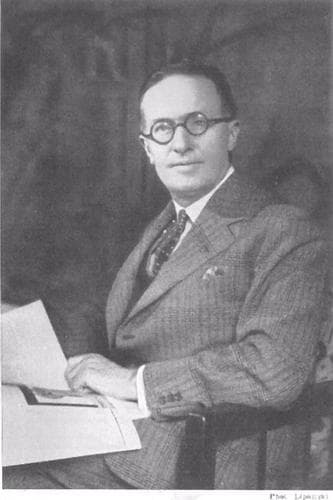
Jean Giraudoux was a French playwright and novelist active in the early to mid-20th century. He is best known for his play "The Madwoman of Chaillot," which explores themes of madness and societal values. Giraudoux's works often blend fantasy and reality, reflecting the complexities of human nature and the absurdities of life.
Similar books
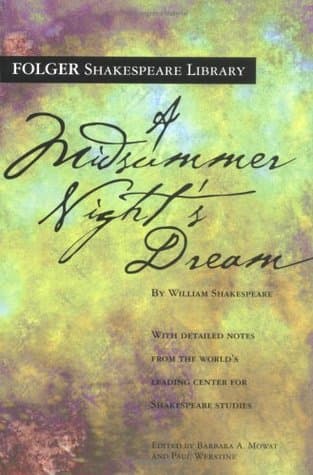
- A Midsummer Night's Dream
William Shakespeare
4.0 (443k) average on GoodreadsFantasyFeatures a blend of poetic fantasy, quirky characters, and a magical resolution to human problems.
- Death of a Salesman
Arthur Miller
3.5 (186k) average on GoodreadsFictionMiller's play is a starkly realistic American tragedy exploring the destructive nature of the American Dream and capitalism's impact on the individual, offering no easy solutions. Giraudoux, conversely, offers a fantastical, almost optimistic, European response, positing that collective eccentric human spirit can literally expunge evil, using enchantment to tackle grim realities.
- Nineteen Eighty-Four
George Orwell
4.2 (5.5M) average on GoodreadsFictionWinston Smith dreams of truth and rebellion in a world where Big Brother watches all, but he confronts the terrifying power of a regime that controls not just actions, but thoughts.
- The Frozen River
Ariel Lawhon
4.4 (600k) average on GoodreadsFictionIn 1789 Maine, a heroic midwife's diary helps her expose a murder and get justice in a town that wants to silence her.
- A Man Called Ove
Fredrik Backman
4.4 (569k) average on GoodreadsFictionA stubborn widower, who lives by strict rules, finds his quiet world changed by a lively new family next door, making him face his past and find happiness in human connection.
- The Art of Racing in the Rain
Garth Stein
4.2 (452k) average on GoodreadsFictionThrough the eyes of Enzo, a wise and observant dog, a race car driver's family navigates a journey of love, loss, and resilience, learning that life's most important lessons often come in the curves, not just on the straightaways.





Enjoyed the summary?
A summary gives you the shape of the book. The book itself has the detail, the examples and the voice.
Find The Madwoman of Chaillot on AmazonAs an Amazon Associate, BookBrief earns from qualifying purchases. How we're funded