

Synopsis
Covers the whole plot, including the ending.
- Difficulty
- Easy
- Pacing
- Moderate
- Mood
- Thought-provoking, Uplifting, Reflective, Hopeful
- Read it if
- You enjoy introspective journeys, philosophical musings on life choices, and stories with a hopeful, life-affirming message.
- Skip it if
- You prefer fast-paced thrillers, hard sci-fi, or stories without a strong focus on introspection and emotional growth.
The Midnight Library Plot Summary
Covers the whole plot, including the ending.
The Brink of Despair
Nora Seed, in her mid-thirties from Bedford, England, feels at rock bottom. She has lost her cat, Voltaire, her job at a music shop, and her piano student. Her brother, Joe, is estranged, and her parents have died. Feeling like a burden and a disappointment, Nora sees no way out of her deep depression. After a series of misfortunes, ending with Voltaire's death, Nora plans and attempts to take her own life, believing it is the only escape from her stifling existence filled with unfulfilled potential and regret.
Awakening in The Midnight Library
Instead of death, Nora wakes in a vast, seemingly endless library filled with countless books. This is The Midnight Library, a space between life and death. She is greeted by Mrs. Elm, her kind former school librarian, who oversees the library. Mrs. Elm explains that Nora can explore all the lives she might have lived, each represented by a book. These books contain alternate realities based on different choices Nora could have made, offering her a chance to erase her regrets and find a life she wants to stay in.
The Olympian Swimmer
Nora's first journey into an alternate life takes her to a reality where she became an Olympic swimmer, winning a gold medal. She is married to her former coach, Dan, and lives a life of fame and athletic achievement. This life initially seems perfect, fulfilling her childhood dream. However, Nora quickly discovers the intense pressure, demanding training, and superficiality that come with celebrity. She realizes that while she achieved greatness, this life lacks the deeper connections and personal fulfillment she truly wants, and she feels disconnected from Dan.
A Life of Rock Stardom
Next, Nora tries a life where she continued her musical career, becoming a famous rock star with her brother, Joe, in their band, The Labyrinths. This life is glamorous, filled with sold-out concerts and creative success. Nora reconnects with Joe, but their relationship is strained by fame, past resentments, and music industry pressures. She sees the toll their success has taken on their personal lives and realizes that despite achieving her musical dreams, this life also feels empty and not real, lacking the quiet contentment she seeks.
The Glaciologist in the Arctic
Nora then steps into a life where she pursued her passion for glaciology, living and working in the remote Arctic. This life offers intellectual fulfillment and a strong connection with nature, away from human relationships. She finds purpose in her scientific work but also experiences deep isolation. While she values the solitude, she misses human connection and realizes that a life without personal bonds, no matter how intellectually stimulating, cannot bring her complete happiness. She values the scientific discovery but feels a void in her personal life.
The Philosopher and Professor
In another life, Nora is a successful philosophy professor at Cambridge University, a single woman dedicated to academia and intellectual pursuits. She is respected for her work on existentialism and has written influential books. This life offers intellectual stimulation and independence, fulfilling her philosophical interests. However, Nora observes that despite her professional achievements and her students' admiration, she feels a deep loneliness and a lack of close personal relationships. She realizes that intellectual success alone is not enough.
The Life with Ash
Nora enters a life where she is married to Ash, a kind doctor she met when he treated Voltaire. In this reality, they have a daughter named Molly. This life is filled with warmth, love, and the joys and challenges of family life. Nora experiences genuine happiness and a deep sense of belonging. She feels a strong connection with Ash and an overwhelming love for Molly. This life feels more 'right' than any other, but a brief moment of doubt or regret causes the life to destabilize, pulling her back to the library and leaving her wanting this reality.
The Midnight Library's Instability
As Nora continues to jump between lives, the Midnight Library begins to show instability. Books fall from shelves, lights flicker, and the library's structure appears to be deteriorating. Mrs. Elm explains that Nora is running out of time; she must find a life she truly wants to live and commit to it, or the library will collapse, and Nora will truly die. The pressure increases as Nora revisits some lives, trying to understand what makes them 'fail' and what truly makes a life worth living, realizing the importance of her own will to live.
The Realization of Self-Acceptance
Through her many experiences, Nora begins to understand that no single life is perfect, and happiness is not found in specific circumstances or achievements. She realizes that her regrets often came from self-blame and a failure to appreciate the life she already had. The key, she understands, is to embrace the present moment, accept her imperfections, and find joy in the ordinary. It is not about changing her choices, but changing her perspective on them and on herself. This realization marks a turning point in her self-discovery.
Fighting for Her Root Life
As the Midnight Library crumbles around her, Nora's original body, in the hospital, begins to flatline. Mrs. Elm urges her to choose. With new clarity, Nora realizes that the 'perfect' life does not exist; true happiness means accepting and engaging with the life she was given, with all its flaws and challenges. She chooses to fight for her original life, driven by a desire to live and to make the most of whatever comes. She understands that life's value is not in escaping it, but in living it fully.
Awakening and A New Beginning
Nora wakes up in her hospital bed, having survived her suicide attempt. The doctors are surprised by her recovery. She immediately feels a deep shift in her perspective. The world, which once seemed bleak, now appears full of possibility. She begins to make amends, reconnect with estranged loved ones, and pursue her passions with new energy. Nora now understands that life is about finding joy in small things, accepting imperfections, and embracing the journey, rather than constantly wishing for an alternate reality. She starts a new chapter, committed to living her one, unique life.
Principal Figures
Nora Seed
Protagonist
A woman who gets a second chance to re-evaluate her life choices.
Nora is a thirty-five-year-old woman grappling with profound regret, depression, and a sense of unfulfilled potential. She feels like a failure in all aspects of her life – career, relationships, and personal aspirations. Initially, she is passive and overwhelmed by the weight of her past choices, believing she has made all the wrong decisions. Her journey through the Midnight Library reveals her inherent kindness, intelligence, and a deep longing for connection and purpose.
Relationships: Mrs. Elm (Mentor and guide in the Midnight Library.); Joe Seed (Estranged older brother, a source of both pride and resentment.); Dan (Ex-fiancé, whose breakup she deeply regrets in her root life.); Ash (A kind doctor she marries in an alternate life, father to her daughter Molly.); Voltaire (Her beloved cat, whose death triggers her suicide attempt.)
Mrs. Elm
Supporting
The wise and enigmatic librarian of the Midnight Library.
Mrs. Elm is Nora's former school librarian and the benevolent overseer of the Midnight Library. She is calm, patient, and deeply understanding, serving as Nora's primary guide and confidante throughout her journey. Mrs. Elm provides Nora with gentle wisdom and explanations about the library's rules and the nature of infinite possibilities. She represents a comforting, maternal presence, offering Nora the space and encouragement she needs to confront her regrets and discover her true desires, always nudging her towards self-acceptance.
Relationships: Nora Seed (Mentor and guide to Nora, a figure of wisdom and comfort.)
Joe Seed
Supporting
Nora's estranged older brother and former bandmate.
Joe is Nora's older brother, with whom she shares a complex and often strained relationship. In their original life, they had a band together, but Nora quit, leading to a rift. He is portrayed as successful in some alternate lives, particularly as a rock star, but also carries his own baggage and regrets. His relationship with Nora highlights themes of family loyalty, missed opportunities, and the impact of sibling dynamics on personal choices. Nora's desire to reconnect with him is a significant motivator in her journey.
Relationships: Nora Seed (Brother to Nora, with a complicated and often estranged relationship.)
Dan
Supporting
Nora's ex-fiancé, whose breakup she deeply regrets.
Dan is Nora's ex-fiancé in her root life, a relationship she broke off due to cold feet and a fear of commitment, leading to one of her biggest regrets. In the alternate lives, he appears as Nora's husband in the Olympic swimmer life, where their relationship is shown to be superficial and driven by external pressures. He represents the path Nora chose to abandon, and her re-encounters with him in different contexts force her to re-evaluate her past decisions and the nature of love and companionship.
Relationships: Nora Seed (Ex-fiancé in her root life; husband in an alternate life.)
Ash
Supporting
A kind doctor and Nora's husband in a particularly fulfilling alternate life.
Ash is a doctor whom Nora meets in an alternate life. He is portrayed as kind, loving, and stable, offering Nora a sense of security and genuine partnership. In the life where they are married and have a daughter, Molly, Ash represents a fulfilling domestic life and the joy of a deep, committed relationship. He embodies the simple, profound happiness that Nora initially overlooks in her pursuit of grander achievements, showing her the value of quiet contentment and shared love.
Relationships: Nora Seed (Husband in an alternate life, father to their daughter Molly.)
Molly
Mentioned
Nora and Ash's daughter in an alternate life.
Molly is Nora and Ash's daughter in the alternate life where Nora chooses to marry Ash. Though a minor character, Molly's presence is profoundly impactful. She represents the pure, unconditional love and joy that comes with motherhood and family. Her existence is a powerful motivator for Nora, making her experience in that life feel the most 'real' and desirable. Molly symbolizes the deep connection and purpose Nora craves, highlighting the beauty of a life focused on family and love.
Relationships: Nora Seed (Daughter in an alternate life.); Ash (Father in an alternate life.)
Voltaire
Supporting
Nora's beloved pet cat, whose death triggers her suicide attempt.
Voltaire is Nora's cherished cat. His death, a seemingly minor event, becomes the final straw that pushes Nora into her suicide attempt. He represents the last thread of connection and comfort Nora felt in her original, despairing life. His passing underscores Nora's profound sense of loss and isolation, emphasizing how seemingly small events can have significant emotional impacts. In some alternate lives, Voltaire's survival indicates a different trajectory for Nora's emotional state.
Relationships: Nora Seed (Nora's beloved pet cat.)
Themes & Insights
The Power of Choice and Regret
The novel explores the impact of choices and the burden of regret. Nora's initial despair comes from her belief that she made all the 'wrong' decisions. The Midnight Library lets her undo these regrets, allowing her to live out the consequences of different choices—from an Olympic swimming career to becoming a rock star or a glaciologist. Through these experiences, Nora learns that every choice has trade-offs, and that regret often comes from an idealized view of an unlived life rather than a realistic understanding of its complexities. She discovers that a 'perfect' life does not exist, and that true fulfillment comes from accepting and engaging with the choices she has made.
“The only way to learn is to live.”
The Meaning of Happiness and Fulfillment
A central theme is the elusive nature of happiness and what makes a fulfilling life. Nora tries lives of fame, success, intellectual achievement, and domestic bliss, only to find that none are inherently perfect. The Olympic swimmer life brings pressure and superficiality; the rock star life, strain and exhaustion; the glaciologist life, isolation. It is only when Nora experiences the life with Ash and Molly, characterized by simple love and connection, that she comes closest to contentment. Ultimately, she realizes that happiness is not found in external circumstances or achievements, but in inner peace, self-acceptance, and the willingness to find joy in her existing reality. It is about how she chooses to perceive her life, not what her life is.
“You don't have to understand life. You just have to live it.”
Self-Acceptance and Embracing Imperfection
Nora's journey is one of self-acceptance. Before the Midnight Library, she is consumed by self-loathing and a belief that she is a failure. Each alternate life, while seemingly offering an escape from her perceived flaws, ultimately teaches her that perfection is an illusion. She learns to appreciate her unique experiences, including her struggles, and to forgive herself for past mistakes. Her realization that her original life, with all its imperfections, is worth living, marks her transformation. The novel suggests that true peace comes from embracing one's authentic self, rather than constantly trying to be someone else or live a different reality.
“It is easy to regret, and to keep regretting, and to never move on.”
The Interconnectedness of Lives
The concept of interconnectedness is subtly woven throughout the narrative. Nora's choices in one life affect her relationships with Joe, Dan, and others in deep ways. Even in the Midnight Library, the fate of her original body and the library's stability are tied to her decisions. The novel shows that no one lives alone; every action, no matter how small, has consequences for those around us. This theme highlights the responsibility that comes with choice and the impact we have on others, reinforcing the idea that our existence is part of a larger, intricate web.
“Every life contains many millions of decisions. Some big, some small. But every time one decision is taken over another, the results are different. An irreversible variation is created.”
Plot Devices & Literary Techniques
The Midnight Library
A liminal space between life and death, filled with books representing alternate lives.
The Midnight Library serves as the central magical realism element and the primary setting for Nora's transformative journey. It is a metaphorical and literal space where Nora can explore infinite possibilities. Each book on its shelves represents a life she could have lived if she had made different choices. This device allows for a direct, experiential exploration of the 'what ifs' that plague Nora, providing a tangible way to confront her regrets and understand the consequences of different paths. Its eventual instability as Nora approaches a decision adds narrative tension.
Alternate Realities/Parallel Universes
The mechanism by which Nora experiences the outcomes of different choices.
The concept of alternate realities is the driving force of the plot. By allowing Nora to jump into different versions of her life, the novel effectively demonstrates the Butterfly Effect and the profound impact of even seemingly minor decisions. This device enables the reader to see Nora's character from multiple angles, highlighting her potential and her struggles across various contexts. It serves as an extended thought experiment, forcing Nora (and the reader) to confront the idea that happiness isn't found in a specific reality, but in one's perspective within it.
The Mentor Figure (Mrs. Elm)
A wise guide who provides Nora with wisdom and direction.
Mrs. Elm embodies the classic mentor archetype. As Nora's former school librarian, she provides a familiar and comforting presence in the bewildering Midnight Library. Her role is to explain the rules of this liminal space, offer gentle guidance, and pose philosophical questions that prompt Nora's self-reflection. She never dictates Nora's choices but rather facilitates Nora's own discoveries about life, regret, and happiness. Mrs. Elm's calm demeanor and profound insights are crucial in helping Nora navigate her emotional turmoil and ultimately choose life.
The Philosophical Dialogue
Conversations that explore existential questions about life, death, and purpose.
Throughout the novel, particularly in Nora's interactions with Mrs. Elm and her own internal monologues, there are numerous philosophical discussions. These dialogues delve into questions of free will, fate, the nature of regret, the meaning of happiness, and the purpose of existence. This device elevates the narrative beyond a simple fantasy story, giving it intellectual depth and encouraging readers to reflect on their own lives and choices. It frames Nora's personal journey within a broader existential context, making her struggles universally relatable.
The Midnight Library Quotes
“The only way to learn is to live.”
“Every life contains many millions of decisions. Some big, some small. But every time one is made, the outcome is different. An infinite number of futures branch out in front of you, and from those branches, more branches.”
“It is easy to drown in a sea of questions. If you don’t know what you are looking for, you will find nothing.”
“You don't have to understand life. You just have to live it.”
“We only need to be one thing. Happy.”
“To be human is to be a story-teller.”
“There is no such thing as a normal life. There is only life.”
“The only way to get rid of the regret was to live a life that wasn't full of it.”
“You don't have to do anything to be worthy. You are worthy.”
“What if you could make different choices? What if you could undo your regrets?”
“The only thing that makes a life meaningful is the belief that it is meaningful.”
“Between life and death there is a library, and within that library, the shelves go on for ever. Every book provides a chance to try another life you could have lived.”
“Every atom of your being is a universe unto itself.”
“Sometimes the only way to learn is to live.”
“It is not what you look at that matters, it’s what you see.”
Quiz
10 questions on the plot and the characters. Each answer comes with a short explanation.
Question 1
What is the name of the librarian who guides Nora Seed through the Midnight Library?
- Mrs. Elm
- Ms. Oak
- Dr. Willow
- Professor Birch
Show answer
A. Mrs. Elm Mrs. Elm is the kind and wise librarian who previously mentored Nora during her school years and reappears in the Midnight Library.
Question 2
What significant event immediately precedes Nora's arrival at the Midnight Library?
- She breaks up with her fiancé, Dan.
- Her cat, Voltaire, dies.
- She attempts to end her own life.
- She loses her job as a philosophy professor.
Show answer
C. She attempts to end her own life. Nora arrives in the Midnight Library after attempting to end her life, finding herself in a state between life and death.
Question 3
What do the books in the Midnight Library represent?
- Different genres of literature Nora enjoys.
- The infinite lives Nora could have lived if she had made different choices.
- Memories from her current life.
- Philosophical texts that guide her journey.
Show answer
B. The infinite lives Nora could have lived if she had made different choices. Each book in the Midnight Library allows Nora to experience an alternate life based on a different choice or regret from her root life.
Question 4
In one of her alternate lives, Nora becomes a successful Olympic swimmer. What was the key regret that led to her not pursuing this career in her root life?
- She had a fear of public speaking.
- She quit swimming to save her brother, Joe, from a difficult situation.
- She abandoned her swimming career after her coach died.
- She gave up swimming after feeling pressured by her father and suffering an injury.
Show answer
D. She gave up swimming after feeling pressured by her father and suffering an injury. Nora's regret was giving up swimming due to pressure from her father and a subsequent injury, which she rectifies in one of her visited lives.
Question 5
What is the primary theme explored through Nora's journey in the Midnight Library?
- The importance of material wealth and success.
- The futility of regret and the value of accepting one's life.
- The dangers of technological advancement.
- The pursuit of eternal youth.
Show answer
B. The futility of regret and the value of accepting one's life. The core theme of the novel is about overcoming regret, finding contentment in one's choices, and understanding that happiness can be found in the life one already has.
Question 6
In one of her lives, Nora is a glaciologist living in the Arctic. What is the name of the scientist she is married to in this life?
- Hugo
- Leo
- Felix
- Oscar
Show answer
A. Hugo In the life where Nora is a glaciologist, she is married to Hugo, with whom she shares a deep connection and intellectual partnership.
Question 7
What object does Nora carry from her root life into the Midnight Library that serves as a recurring symbol?
- A worn copy of 'Walden'.
- Her old guitar.
- Her cat, Voltaire.
- A photograph of her family.
Show answer
C. Her cat, Voltaire. Nora's cat, Voltaire, is the one constant from her root life that she brings into the Midnight Library, symbolizing her connection to her original existence and her capacity for love.
Question 8
What is the 'shimmer' that Nora experiences when a life she is currently inhabiting is not right for her?
- A feeling of intense joy and fulfillment.
- A physical sensation indicating the life is about to end and she needs to return to the library.
- A visual distortion that reveals hidden truths about the life.
- A sudden memory from her root life.
Show answer
B. A physical sensation indicating the life is about to end and she needs to return to the library. The 'shimmer' is the physical manifestation that Nora experiences when a particular alternate life is not sustainable for her, signaling that she needs to return to the Midnight Library before the life completely collapses.
Question 9
Nora's brother, Joe, plays a significant role in her life. What is his profession in her root life?
- A musician in a band.
- A successful businessman.
- A doctor.
- A librarian.
Show answer
A. A musician in a band. In her root life, Joe is a musician, and Nora often played bass guitar with him in their band, The Labyrinths.
Question 10
What is the ultimate realization Nora comes to about finding happiness, after experiencing numerous alternate lives?
- Happiness can only be found by achieving fame and success.
- Happiness is an illusion, and life is inherently meaningless.
- Happiness is not about which life you live, but how you live it, and finding joy in the present moment.
- Happiness is solely dependent on having a romantic partner.
Show answer
C. Happiness is not about which life you live, but how you live it, and finding joy in the present moment. Nora's journey teaches her that external circumstances don't guarantee happiness; rather, it's an internal state cultivated by accepting oneself, living authentically, and finding appreciation in the life one has.
The Midnight Library FAQ
What is the core premise of 'The Midnight Library'?
The book follows Nora Seed, who, after attempting suicide, finds herself in a liminal space between life and death: the Midnight Library. Overseen by her old school librarian Mrs. Elm, Nora is given the opportunity to try out countless alternate lives she might have lived, each stemming from a regret or a different choice she made in her original life.
Who is Mrs. Elm and what is her role in Nora's journey?
Mrs. Elm is a kind and wise figure who was Nora's school librarian and chess mentor. In the Midnight Library, she acts as Nora's guide, explaining the rules of the library, helping Nora understand the concept of parallel lives, and offering gentle counsel as Nora navigates her many potential existences.
What is the significance of the 'Book of Regrets'?
The Book of Regrets is a physical manifestation of all the things Nora wishes she had done differently in her original life. Each regret, when chosen, allows her to enter a new life where that regret was avoided, serving as the entry point into a different reality.
What are some of the key alternate lives Nora experiences?
Nora experiences a diverse range of lives, including a famous Olympic swimmer, a successful rock star, a glaciologist in the Arctic, a philosophy professor, and a wife and mother. These lives often fulfill aspirations she once had but abandoned, allowing her to see the consequences of different paths.
What ultimately brings Nora back to her original life?
Nora returns to her original life after realizing that happiness isn't found in a 'perfect' life free of struggle, but in her own appreciation for existence and the small, meaningful connections she can make. Her desire to truly live, rather than just exist, reignites her 'root' life.
How does the chess game between Nora and Mrs. Elm symbolize Nora's journey?
The ongoing chess game symbolizes Nora's internal struggle and the choices she faces. Mrs. Elm's strategic moves represent the guidance and wisdom Nora needs, while Nora's improving play reflects her growing understanding of life's complexities and her own agency.
What is the 'shimmering' effect Nora experiences when a life isn't right for her?
The 'shimmering' is a visual and sensory cue that Nora is not truly living the life she has entered; it's a sign that she is merely observing it as an outsider or that it doesn't align with her true self. This often happens when she realizes the life's perceived perfection doesn't bring her genuine contentment.
Is there a subtle connection between Nora's brother Joe and her musical aspirations?
Yes, Joe was Nora's bandmate, and their shared dream of musical success was a significant part of her past. Her regret about abandoning the band and potentially alienating Joe is a major driver for her trying out the rock star life, highlighting the deep bond and unresolved issues between them.
What role does the character Hugo play in Nora's understanding of the multiverse?
Hugo is another 'slider' Nora meets in the Midnight Library, who also travels between parallel lives. His experiences validate Nora's, showing her she isn't alone in her journey and offering a different perspective on the infinite possibilities, helping her see the patterns in her own quest for happiness.
How does Nora's initial depression manifest in her choices within the library?
Nora initially seeks lives that directly address her biggest regrets, assuming the absence of those regrets will equate to happiness. Her choices are driven by a desire to escape her perceived failures, rather than an understanding of what truly fulfills her, reflecting her depressed state of mind.
What psychological shift occurs in Nora as she tries on more lives?
Nora undergoes a significant shift from seeking external validation and 'perfect' outcomes to understanding internal contentment. She learns that external circumstances don't guarantee happiness and that resilience, connection, and self-acceptance are more crucial than achieving specific goals.
How does the book explore the concept of self-blame and regret from a psychological perspective?
The narrative meticulously dissects Nora's deep-seated self-blame, showing how her regrets have paralyzed her. By experiencing lives where those regrets are undone, she learns that regret often stems from a limited perspective and that 'mistakes' are integral to growth, challenging her self-condemnation.
What is the psychological impact of Nora witnessing her own funeral in one of the lives?
Witnessing her own funeral is a profoundly impactful moment for Nora. It forces her to confront the reality of her death and the impact she had (or didn't have) on others, prompting a deeper reflection on the value of her existence and the connections she made, both good and bad.
Does the book suggest that all lives are equally valuable, or are some inherently 'better'?
The book strongly suggests that no single life is inherently 'better' than another, but rather that value comes from how one chooses to live within their circumstances. Nora learns that even seemingly perfect lives can lack meaning if she isn't present or grateful, emphasizing subjective contentment over objective success.
What is the ultimate message about free will versus determinism in 'The Midnight Library'?
The book leans heavily towards free will, asserting that while circumstances vary, individuals have the power to choose their reactions and find meaning. Nora's journey is about reclaiming her agency and understanding that even in her 'root' life, she has the power to make new choices and find happiness.
How does the novel challenge the common notion of 'the one that got away'?
Through Nora's experiences with potential romantic partners, the novel challenges the idea of a single 'soulmate' or 'the one that got away.' She finds love and connection in multiple lives, demonstrating that love can blossom in various forms and that focusing on a singular lost opportunity can be limiting.
Is the Midnight Library a literal place, or a metaphor for Nora's mind?
While presented as a literal liminal space, the Midnight Library can also be interpreted as a powerful metaphor for Nora's internal psychological process. It represents her mind grappling with regrets, processing possibilities, and ultimately choosing to embrace life, making it both a physical and symbolic journey.
What commentary does the book make on societal expectations of success and happiness?
The novel critiques societal pressures by showing that lives deemed 'successful' by external metrics (fame, wealth) often leave Nora unfulfilled. It advocates for an internal definition of success based on presence, connection, and authenticity, rather than conforming to external expectations.
What is the significance of the melting ice in Nora's glaciologist life?
The melting ice in Nora's glaciologist life serves as a poignant metaphor for the impermanence of all things and the urgency of living fully. It highlights the beauty and fragility of the world, subtly urging Nora to appreciate the present moment before it, too, melts away.
About the author

Matt Haig is a British author known for his fiction that often explores themes of time, mental health, and the human experience. His notable works include "How to Stop Time," which delves into the complexities of living through centuries, "Reasons to Stay Alive," a memoir reflecting on his struggles with depression, and "The Midnight Library," a novel about choices and regrets.
Similar books
- Reasons to Stay Alive
Matt Haig
4.2 (48k) average on GoodreadsPsychologyExplores themes of mental health and finding meaning in life, with a similar accessible and hopeful tone.
- A Man Called Ove
Fredrik Backman
4.4 (569k) average on GoodreadsFictionFeatures a character contemplating life and finding unexpected connections, with a blend of humor and poignancy.
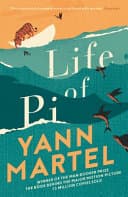
- Life of Pi
Yann Martel
3.9 (1.3M) average on GoodreadsFantasyInvolves a profound journey of self-discovery and survival, with philosophical undertones about belief and reality.
- The Buried Giant
Kazuo Ishiguro
3.5 (73k) average on GoodreadsLiterary FictionIshiguro's novel also uses a fantastical setting to explore memory, love, and societal responsibility, but does so with greater philosophical depth, ambiguity, and complex character development. While Haig offers clear answers, Ishiguro embraces nuance and leaves more for reader interpretation.
- Nineteen Eighty-Four
George Orwell
4.2 (5.5M) average on GoodreadsFictionWinston Smith dreams of truth and rebellion in a world where Big Brother watches all, but he confronts the terrifying power of a regime that controls not just actions, but thoughts.
- The Frozen River
Ariel Lawhon
4.4 (600k) average on GoodreadsFictionIn 1789 Maine, a heroic midwife's diary helps her expose a murder and get justice in a town that wants to silence her.





Enjoyed the summary?
A summary gives you the shape of the book. The book itself has the detail, the examples and the voice.
Find The Midnight Library on AmazonAs an Amazon Associate, BookBrief earns from qualifying purchases. How we're funded