
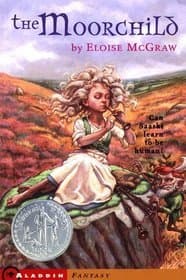
Synopsis
Covers the whole plot, including the ending.
- Difficulty
- Medium
- Pacing
- Moderate
- Mood
- Mysterious, Melancholy, Atmospheric, Thought-provoking
- Read it if
- You enjoy classic children's fantasy with a strong sense of place, themes of belonging, and a protagonist grappling with a dual identity.
- Skip it if
- You prefer fast-paced, action-heavy fantasy or dislike stories with melancholic undertones.
The Moorchild Plot Summary
Covers the whole plot, including the ending.
The Banishment of Moql
In the hidden world of the moorfolk, Moql is born. She is part human and cannot shape-shift or disappear like her kind. Her difference makes her a threat to the Band's secrecy, causing fear among the Folk, especially the Old One. The Folk decide to banish Moql, replacing a human baby, Tam, with her in the village of Oatlands. Moql is left in the human cradle, while Tam goes to the moorfolk realm. This act removes the perceived danger Moql poses to their society, changing the lives of both children and the human family.
Saaski's Difficult Childhood in Oatlands
The human couple, Da and Mumma, find the strange baby in their cradle. Though confused and sad about losing their own child, they name her Saaski. Saaski grows up as an outcast in Oatlands. Her peculiar appearance, large dark eyes and unusual walk, along with her strange abilities, such as her connection to the moor and unexplained knowledge, make her feared. The village children tease her, calling her 'Moorchild,' and adults avoid her. Her only comfort is the wild moor, where she feels a mysterious connection, and the bagpipes she plays, making haunting, un-human music.
The Old One's Prophecy and Saaski's Emerging Memories
As Saaski nears adolescence, she has vivid dreams and fragmented memories of a life before Oatlands, a world of shadows, strange voices, and ancient beings. These memories often surface when she is on the moor or by certain sounds and sights. At the same time, the Old One, the leader of the Folk, senses Saaski's growing power and her ability to disrupt the balance between human and moorfolk worlds. The Old One, watching Saaski through magic, worries that Saaski will uncover the truth and seek revenge, endangering the Folk's existence.
The Arrival of the Harper and the Quest for Identity
A traveling harper, Brother Wilfred, passes through Oatlands and is drawn to Saaski's sad bagpipe music. He recognizes its ancient, un-human quality and encourages her, unknowingly validating her difference. Brother Wilfred's stories and old lore, though not about changelings, make Saaski curious about her origins. His presence is one of her few positive human interactions outside her family, and his appreciation for her music strengthens her desire to understand her uniqueness and the unsettling memories.
The Unveiling of the Truth
Through her intensifying memories, overheard village talk, and a painful talk with a frightened Mumma, Saaski learns the truth: she is not Da and Mumma's child, but a changeling, left by the Folk. The revelation is upsetting, causing Saaski much emotional pain. She struggles with the injustice done to her human parents and the fact that their real baby, Tam, was stolen and taken to the moorfolk world. This discovery changes her from feeling sorry for herself to wanting to right the wrong.
The Decision to Return Tam
Driven by loyalty to Da and Mumma, and understanding their sorrow, Saaski decides to get Tam back from the Folk and return him to his parents. She knows this will be a dangerous journey, taking her back to the world that rejected her, a world she barely remembers. Her unique heritage, once a source of pain, now becomes her greatest strength. She believes her half-moorfolk nature will help her navigate the hidden paths and overcome the challenges of the Folk's realm. This decision marks a turning point, as she uses her dual identity for a good cause.
Journey to the Moorfolk Realm
Saaski prepares for her journey, gathering what she needs. She uses her connection to the moor, following paths and signs only she can see. The moor seems to guide her, its ancient magic responding to her unique blood. She faces challenges, from the harsh wilderness to the elusive moorfolk trails. As she goes deeper, her moorfolk senses sharpen, and her memories become clearer, guiding her toward the hidden entrances to the Folk's domain. Her journey includes both physical and mental obstacles, testing her resolve and making her rely on her unusual strengths.
Confrontation with the Folk
Saaski finally enters the world of the moorfolk. She meets the Folk, who are initially cautious and unfriendly. Her appearance, a reminder of their past mistake, makes them uncomfortable, especially the Old One, who sees her return as a bad sign. Saaski must deal with their old customs, their distrust, and the dangers of their magical world. She learns more about their reasons and fears, especially their strong desire for secrecy and protection from humans. She finds out that Tam has grown up believing he is a moorchild, though he is also different.
The Struggle for Tam
The Folk do not want to give up Tam, whom they raised as their own, despite his human nature. They see him as a symbol of their power over humans and a way to protect their secrets. Saaski must use her intelligence and her position as both human and moorfolk to argue her case. She appeals to their sense of justice, explaining the pain their actions caused. Tam is confused, having no memory of his human parents. Saaski must convince him of his true identity and the love waiting for him, all while under the watchful, often hostile, eyes of the Folk, especially the Old One, who fears the results of Saaski's mission.
The Old One's Intervention and Saaski's Plea
The Old One, fearing the disruption Saaski causes, uses her old magic and influence to try and stop Saaski from taking Tam. She tries to manipulate the Folk and Tam. However, Saaski, using her human empathy and moorfolk understanding, makes a strong plea. She argues that the Folk's actions were unfair and that keeping Tam captive will only cause more suffering for both worlds. She stresses the importance of belonging and a child's right to their true family. Her words connect with some of the younger Folk, who are less tied to old traditions.
Tam's Choice and the Return
After much thought and Saaski's efforts, Tam decides to leave the moorfolk world and return to his human parents. The change is not easy for him, as he has known no other life. Saaski, having successfully arranged his release, guides him back through the moor. She helps him adjust to the unfamiliar human world, acting as a link between the two realms. The journey back shows Saaski's growth; she is no longer just a changeling, but a protector and a guide, fulfilling her purpose and correcting the past wrong.
A bittersweet Homecoming
Saaski returns Tam to Da and Mumma. The reunion is emotional, a mix of joy and sadness. Tam, at first overwhelmed, slowly connects with his birth parents. Saaski, having completed her mission, realizes that while she restored their family, her own place is still unique. She is no longer just a changeling, but a bridge between two worlds. She continues to live with Da and Mumma, with a new understanding of her identity and purpose. She finds peace in her dual heritage, embracing both her human empathy and her moorfolk wisdom, changed by her journey and her act of kindness.
Principal Figures
Saaski (Moql)
Protagonist
The half-human changeling seeking her true identity and to right a wrong.
Saaski is a changeling, half-moorfolk and half-human, born as Moql among the Folk but banished to the human world. She is characterized by her deep, dark eyes, unusual gait, and an innate connection to the moor. Growing up, she is an outcast, taunted and feared by villagers, but possesses a strong sense of empathy and a unique musical talent on the bagpipes. She is driven by a profound desire to understand her origins and a fierce loyalty to her human 'parents,' Da and Mumma, once she discovers the truth.
Relationships: Da (Her human adoptive father, who shows her unconditional love.); Mumma (Her human adoptive mother, initially fearful but eventually loving, with whom Saaski has a complex, evolving bond.); Tam (The human baby she was swapped with, whom she feels a deep responsibility to rescue.); The Old One (The ancient, powerful moorfolk matriarch who orchestrates her banishment and opposes her return.)
Da
Supporting
Saaski's kind and accepting adoptive father.
Da is Saaski's human adoptive father, a farmer in Oatlands. He is a gentle, patient, and loving man who accepts Saaski despite her differences and the village's fear. He is deeply saddened by the loss of his true son, Tam, but his love for Saaski is genuine and unwavering. He represents unconditional love and acceptance in the face of the unknown. His quiet strength and steadfast affection provide Saaski with a vital anchor in her tumultuous childhood.
Relationships: Saaski (His cherished adoptive daughter, whom he loves unconditionally.); Mumma (His wife, with whom he shares the grief of losing Tam and the challenge of raising Saaski.); Tam (His biological son, stolen by the Folk, whom he longs for.)
Mumma
Supporting
Saaski's conflicted and often fearful adoptive mother.
Mumma is Saaski's human adoptive mother. She is initially more fearful and less accepting of Saaski than Da, struggling with the changeling's strangeness and her own profound grief over the loss of her biological son, Tam. While she cares for Saaski, her love is often tinged with suspicion and sorrow, leading to moments of harshness. Her internal conflict between maternal duty and her deep-seated fear of the 'Moorchild' is a significant aspect of Saaski's early life. She eventually comes to terms with Saaski's identity and her own feelings.
Relationships: Saaski (Her adoptive daughter, for whom she feels both love and fear, eventually growing into acceptance.); Da (Her husband, who provides her with support and understanding.); Tam (Her biological son, whose loss causes her immense pain and longing.)
The Old One
Antagonist
The ancient, powerful, and fearful matriarch of the moorfolk.
The Old One is the oldest and most powerful of the moorfolk, a matriarch whose wisdom is intertwined with her fear of human interference. She is the primary orchestrator of Moql's banishment and Tam's abduction, driven by a fierce desire to protect the Folk's secrecy and survival. She is resistant to change and views Saaski as a dangerous anomaly, a threat to their ancient ways. Her actions, though rooted in protection, are ultimately selfish and cruel, making her the central antagonist of Saaski's quest.
Relationships: Saaski (Her perceived threat and the subject of her banishment, whom she fears and opposes.); The Folk (Her clan, whom she leads and protects through ancient laws and magic.); Tam (The human child she abducted, whom she views as a means to an end.)
Tam
Supporting
The human boy raised by the moorfolk, unaware of his true identity.
Tam is the human baby stolen from Da and Mumma and raised by the moorfolk as one of their own. He grows up in the hidden world of the Folk, believing himself to be a moorchild, though he, like Saaski, possesses unique qualities due to his human blood. He is initially confused and conflicted when confronted with his true heritage by Saaski. His innocence and his unique position as a human among the Folk make him a pivotal figure in Saaski's quest for justice and reconciliation.
Relationships: Saaski (His biological sister (by adoption to the same parents) and rescuer, who helps him understand his true identity.); Da and Mumma (His biological parents, whom he does not remember but eventually reunites with.); The Folk (His adoptive family, with whom he shares a complex, upbringing.)
Brother Wilfred
Supporting
A traveling harper who recognizes Saaski's unique musical talent.
Brother Wilfred is a traveling harper and a man of wisdom and gentle spirit. He encounters Saaski in Oatlands and is captivated by the haunting, un-human quality of her bagpipe music. He encourages her talent and, through his knowledge of old songs and lore, inadvertently provides Saaski with clues and validation about her unique nature. He is a brief but significant presence, offering Saaski one of her few positive human connections outside her immediate family and sparking her curiosity about her origins.
Relationships: Saaski (A mentor figure who recognizes and encourages her unique musical talent.)
The Folk
Supporting
The secretive, ancient beings of the moor.
The Folk are the mysterious, ancient inhabitants of the moor, capable of shape-shifting and disappearing at will. They are deeply bound by tradition and driven by a powerful instinct for self-preservation and secrecy from the human world. They are wary of outsiders and fear anything that threatens their hidden existence, which leads them to banish Moql and abduct Tam. Their society is governed by ancient laws and the authority of the Old One. They represent the magical, untamed, and often morally ambiguous aspects of the natural world.
Relationships: Saaski (The changeling they banished, whose return challenges their traditions.); The Old One (Their leader, whose authority they generally follow.); Tam (The human child they raised, whom they are reluctant to release.)
Themes & Insights
Identity and Belonging
Saaski's journey is about understanding who she is and where she belongs. As a half-human, half-moorfolk changeling, both worlds initially reject her. Humans fear her differences, and the Folk banish her. Her quest to return Tam is a quest for her own identity, as she learns to embrace her dual nature instead of seeing it as a curse. This theme shows in her isolation in Oatlands, her longing for the moor, and her eventual realization that her unique heritage is her greatest strength, allowing her to connect two different worlds. This theme is clear when Saaski understands she is 'not Moorfolk, not human, but Saaski'.
“She was not Moorfolk. She was not human. She was Saaski. And that was enough.”
Prejudice and Acceptance
Prejudice is strong in how villagers treat Saaski, who is ostracized and feared just for being different. Her unusual appearance and intuitive understanding of the moor make her an outsider, leading to teasing and suspicion. The Folk's banishment of Moql (Saaski) comes from their prejudice against her half-human nature, seeing her as a threat to their purity and secrecy. The story explores the harm caused by such fear and shows the power of acceptance, especially through Da's love for Saaski and Saaski's eventual acceptance of her dual self. The novel shows how fear of the unknown can lead to cruelty, but also how love can overcome it.
“They called her 'Moorchild,' and the name was a stone they threw.”
Justice and Reparation
A main theme is seeking justice for the wrong done to Da and Mumma, and to Tam. Saaski's discovery of the changeling swap sparks a strong desire to return Tam to his parents. This mission is about making amends, trying to heal the pain caused by the Folk's selfish act. Saaski's journey is not about revenge, but about restoring balance and correcting a moral wrong. Her argument to the Folk for Tam's return highlights the importance of a child belonging with its true family, showing a universal sense of fairness and the impact of family bonds. This moral goal guides her actions throughout her dangerous quest.
“It was not right. It was not fair. And she, Saaski, would make it right.”
The Conflict Between Nature and Civilization
The novel looks at the tension between the wild, magical world of the moorfolk and the ordered, human world of the village. The moor represents wild nature, instinct, and old magic, while Oatlands shows human society, its rules, fears, and home life. Saaski, living between these two worlds, embodies this conflict. Her connection to the moor is natural and comforting, while her attempts to fit into human society are difficult. The Folk's desire for secrecy shows their fear of humans intruding on their natural world. The story suggests that true harmony might come not from separation, but from understanding and connecting these two parts of existence.
“The moor called to her, a wild, ancient song that only she could hear.”
Plot Devices & Literary Techniques
The Changeling Trope
A magical substitution of a human child with a fairy child.
The changeling trope is the central plot device, setting the entire story in motion. Saaski, a half-moorfolk child, is swapped for the human baby, Tam, by the Folk. This act creates the initial conflict and drives Saaski's identity crisis and later her quest for justice. It establishes the magical premise, the tension between the human and supernatural worlds, and the profound emotional impact on the human family. The uniqueness of Saaski's half-human nature within this trope also allows for a unique resolution, as she can navigate both worlds.
The Moor as a Liminal Space
A wild, mystical landscape that serves as a bridge between worlds.
The moor functions as a powerful liminal space, a mystical boundary between the human village and the hidden world of the Folk. It is Saaski's sanctuary, a place where she feels most at home and where her moorfolk instincts awaken. The moor is imbued with ancient magic and secrets, guiding Saaski on her journey and symbolizing her own dual nature. Its untamed, mysterious quality reflects the wildness within Saaski and provides the setting for much of the story's magical encounters and self-discovery.
Saaski's Bagpipes and Music
A unique musical talent that connects Saaski to her heritage and emotions.
Saaski's bagpipes and the strange music she plays are a significant plot device. The music is a manifestation of her moorfolk heritage, carrying ancient, un-human melodies that only she can produce. It serves as an outlet for her emotions, her loneliness, and her yearning for belonging. Brother Wilfred's recognition of its unique quality validates Saaski and provides a clue to her true nature. The music acts as a non-verbal language, connecting her to the moor and hinting at her magical origins, eventually becoming a symbol of her unique identity.
Fragmented Memories and Dreams
Recollections that hint at Saaski's past and guide her towards the truth.
Saaski experiences vivid, fragmented memories and dreams of her early life with the Folk. These are not fully formed recollections but rather sensory flashes, sounds, and feelings that surface intermittently. This device creates suspense and gradually reveals the truth of her origins to both Saaski and the reader. They serve as internal clues, guiding Saaski towards her true identity and the injustice committed. As she ventures deeper into the moor, these fragments coalesce, providing her with the knowledge and direction needed to confront the Folk.
The Moorchild Quotes
“There was a time when the world was round and green, and the Folk lived in it, and no one knew they were there except the ones who saw them.”
“She was not like the others. She was a changeling, and she knew it.”
“The wind was her brother, and the rain her sister, and the earth her mother.”
“Humans could be cruel, but they could also be kind, in their own strange, clumsy way.”
“It was hard to be a changeling. Hard to be always in between, belonging nowhere fully.”
“The magic was still there, even in the human world, if you knew how to look for it.”
“Sometimes the things you wanted most were the very things that kept you from being truly happy.”
“She had two names, and two families, and two worlds, and none of them quite fit.”
“The Folk were not evil, not truly. They were just… different. With different rules, and different ways of seeing the world.”
“To be truly free, she had to choose. Not just one world over another, but a way of being.”
“The moor had its own language, and she understood it better than any human tongue.”
“Love was a strange thing, a complicated thing, especially when it crossed the boundaries of worlds.”
“She was a bridge between two worlds, whether she wanted to be or not.”
“Sometimes, the greatest strength was in accepting who you were, even the parts that seemed to clash.”
Quiz
10 questions on the plot and the characters. Each answer comes with a short explanation.
Question 1
Why was Moql banished from the Band of the Folk?
- She refused to play the bagpipes during their rituals.
- She was unable to shape-shift or disappear at will, threatening their safety.
- She revealed the Folk's secrets to the humans.
- She attempted to steal the Folk's magical artifacts.
Show answer
B. She was unable to shape-shift or disappear at will, threatening their safety. Moql was banished because her inability to shape-shift or disappear at will, due to her half-human nature, made her a liability and a threat to the secrecy and safety of the Folk.
Question 2
What instrument does Saaski play on the moor?
- A flute
- A drum
- Bagpipes
- A harp
Show answer
C. Bagpipes As Saaski grows up, she finds comfort on the moor, playing 'strange music on her bagpipes'. This instrument is a key detail associated with her unique nature.
Question 3
What is Saaski's primary motivation as she grows older and her memories return?
- To return to the Folk and reclaim her place in the Band.
- To learn more about her human father and his family.
- To find a way to become fully human and forget her past.
- To restore the real human child to her 'Da and Mumma'.
Show answer
D. To restore the real human child to her 'Da and Mumma'. As memories and human emotions emerge, Saaski realizes the 'terrible wrong' done to her human parents and becomes 'determined to restore their child to them'.
Question 4
What is the name given to Moql by the human couple?
- Mairi
- Saaski
- Elara
- Bronwyn
Show answer
B. Saaski The text explicitly states: 'Named Saaski by the couple for whose real baby she was swapped'.
Question 5
How do the villagers generally react to Saaski?
- They accept her as one of their own.
- They are curious about her unique musical talent.
- They taunt and fear her for being different.
- They ignore her and leave her alone.
Show answer
C. They taunt and fear her for being different. The description states that Saaski 'grows up taunted and feared by the villagers for being different', highlighting their negative reaction to her otherness.
Question 6
What specific characteristic makes Moql 'different' and feared by the villagers, reflecting her moorfolk heritage?
- Her unusual hair color.
- Her ability to control animals.
- Her inability to shape-shift or disappear, making her seem unnaturally fixed.
- Her tendency to speak in riddles.
Show answer
C. Her inability to shape-shift or disappear, making her seem unnaturally fixed. While the villagers might not know the exact reason, Saaski's 'differentness' stems from her moorfolk heritage, specifically her inability to blend in or disappear like other Folk, which contributes to her being 'taunted and feared'.
Question 7
What internal conflict does Saaski experience as she grows up?
- The desire to become a skilled musician versus the need to work on the farm.
- The pull of her forgotten moorfolk past versus emerging human emotions and loyalties.
- Her longing for adventure versus her fear of the unknown.
- The struggle between obeying her human parents and defying village expectations.
Show answer
B. The pull of her forgotten moorfolk past versus emerging human emotions and loyalties. The text states, 'memories from her forgotten past with the Folks slowly emerge. But so do emotions from her human side,' clearly outlining her internal conflict between her two heritages.
Question 8
What is the 'terrible wrong' that Saaski realizes the Folk have done?
- They stole land from the human villagers.
- They cursed the village's crops, causing famine.
- They swapped her for the real human baby of her adoptive parents.
- They spread rumors about her being a witch.
Show answer
C. They swapped her for the real human baby of her adoptive parents. Saaski realizes 'the terrible wrong the Folk have done to the humans she calls Da and Mumma' is the act of replacing their real baby with her, a changeling.
Question 9
The story's central conflict is driven by Saaski's dual nature. Which theme best encapsulates this struggle?
- The corrupting influence of power.
- The search for belonging and identity amidst difference.
- The inevitable clash between progress and tradition.
- The resilience of the human spirit in the face of adversity.
Show answer
B. The search for belonging and identity amidst difference. Saaski is 'different' from both the Folk and the humans, rejected by one and feared by the other, leading her on a quest to reconcile her two halves and find where she truly belongs.
Question 10
What does Saaski's determination to return the human child imply about her character development?
- She has fully embraced her moorfolk heritage and its traditions.
- She prioritizes personal gain over the well-being of others.
- She has developed a strong sense of empathy and moral responsibility from her human side.
- She is seeking revenge against the Folk for banishing her.
Show answer
C. She has developed a strong sense of empathy and moral responsibility from her human side. Her decision to right the wrong done to her human parents, even at 'dangerous' personal cost, demonstrates a profound development of empathy and a strong moral compass rooted in her human experiences.
The Moorchild FAQ
What is the central conflict Saaski faces throughout the story?
Saaski's central conflict stems from her dual nature as half-moorfolk, half-human, and her banishment from the Folk. She struggles with her identity, feeling alienated by both worlds, and is torn between her inherent connection to the moor and her growing human empathy and desire to right the wrong committed against her adoptive parents.
Why was Moql, later Saaski, banished from the Moorfolk Band?
Moql was banished because she was unable to shape-shift or disappear at will, skills essential for the Moorfolk's survival and secrecy. Her inability to conform to their ways and her perceived threat to the Band's safety led the Folk to exile her, replacing her with a human child.
Who are Saaski's adoptive parents, and how do they treat her?
Saaski's adoptive parents are Da and Mumma, a human couple whose real baby was swapped for Moql. While Mumma struggles with fear and resentment towards Saaski due to her strangeness and the loss of her true child, Da shows more understanding and provides a measure of comfort and protection, though he too is often perplexed by her.
What role does music play in Saaski's life and her connection to the moor?
Music, specifically her bagpipes, serves as Saaski's primary form of self-expression and her deepest connection to the moor. It's a language she understands innately, a way to channel her emotions, and through it, she can sometimes influence the natural world, hinting at her inherent magical abilities.
What motivates Saaski to return to the Moorfolk world despite her previous rejection?
Saaski is primarily motivated by a profound sense of guilt and love for her human parents, Da and Mumma. As her memories return, she realizes the terrible injustice of the changeling swap and feels compelled to restore their true child to them, even if it means facing danger and rejection from the Folk once more.
Are there any clues to Saaski's mixed heritage before her memories fully return?
Yes, several clues hint at Saaski's mixed heritage. Her inability to truly fit in with humans, her unique appearance, her inherent comfort and connection to the wild moor, and her strange musical abilities all subtly suggest she is not entirely human, even before she recalls her Moorfolk past.
How does the 'true' human baby, the changeling taken by the Folk, fare in their world?
The true human baby, named Annice by the Folk, struggles to adapt to their world. She is often sickly and frail, unable to thrive in the same way the Folk do, highlighting the stark differences between human and moorfolk nature. Her presence among the Folk further underscores the cruelty of the swap.
What is the significance of the 'Band' structure within the Moorfolk society?
The 'Band' represents the Moorfolk's communal and hierarchical social structure, emphasizing conformity and collective survival. Each member must contribute and adhere to their ways, making Saaski's inability to shape-shift a direct threat to their established order and a reason for her banishment.
How does Saaski's experience as a changeling affect her sense of self-worth?
Saaski's experience as a changeling deeply damages her sense of self-worth. Taunted and feared by villagers, and feeling like an outsider even within her adoptive family, she internalizes the belief that she is 'different' and 'wrong,' leading to isolation and a profound longing for belonging.
Analyze Mumma's psychological struggle with Saaski's presence.
Mumma's struggle is rooted in grief, fear, and a deep sense of loss. She projects her pain over her stolen child onto Saaski, viewing her as a constant reminder of the tragedy and a strange, unsettling presence. This psychological burden makes it difficult for her to extend genuine affection to Saaski, despite her maternal instincts.
How does Saaski's connection to the moor serve as a form of psychological coping?
The moor serves as Saaski's sanctuary and a psychological refuge from the harshness of human society. It's where she feels most authentic, understood, and unjudged. Her solitude on the moor, accompanied by her music, allows her to process her emotions and find a sense of belonging in nature when human connections fail.
In what ways does Saaski demonstrate resilience despite constant rejection?
Saaski demonstrates resilience through her enduring connection to her music, her refusal to fully succumb to despair, and her ultimate determination to right the wrong of the changeling swap. Despite being an outcast in both worlds, she finds inner strength to pursue her goal, driven by empathy and a growing sense of purpose.
Is the Moorfolk's banishment of Moql purely an act of cruelty, or can it be understood from their perspective?
While seemingly cruel, the banishment can be understood from the Moorfolk's perspective as a survival mechanism. Their existence relies on secrecy and conformity; Moql's inability to shape-shift made her a direct threat to their collective safety, forcing them to make a difficult choice for the good of the Band.
The book explores themes of 'otherness.' How does Saaski's journey challenge or reinforce societal perceptions of those who are different?
Saaski's journey primarily challenges societal perceptions of 'otherness' by highlighting the prejudice and fear directed at those who don't conform. While she initially faces ostracization, her ultimate act of selflessness and her unique strengths demonstrate that 'different' does not equate to 'bad' or 'threatening,' ultimately advocating for acceptance and understanding.
What message does the ending convey about belonging and identity?
The ending suggests that belonging isn't solely about heritage or where one originates, but about where one chooses to make a home and the connections one forges. Saaski's journey implies that identity is complex and can be forged through acts of love and responsibility, transcending simple categories of human or moorfolk.
Could Saaski have found a way to bridge the two worlds, or was a choice between them inevitable?
The narrative implies that a full bridge between the two worlds was highly improbable due to their fundamental differences and mutual distrust. Saaski's unique nature allowed her to understand both, but the distinct societal structures and magical abilities of the Folk, versus the human world, made a complete integration or a truly 'half-and-half' existence challenging, suggesting a choice was almost inevitable for her ultimate belonging.
How does the book use the setting of the moor to reflect Saaski's inner state?
The moor acts as a powerful reflection of Saaski's inner state. Its wild, untamed nature mirrors her own untamed spirit and her 'otherness.' The mist and hidden pathways can symbolize her confusion and search for identity, while its beauty and solitude offer her peace and a sense of belonging that she lacks in the human world.
About the author
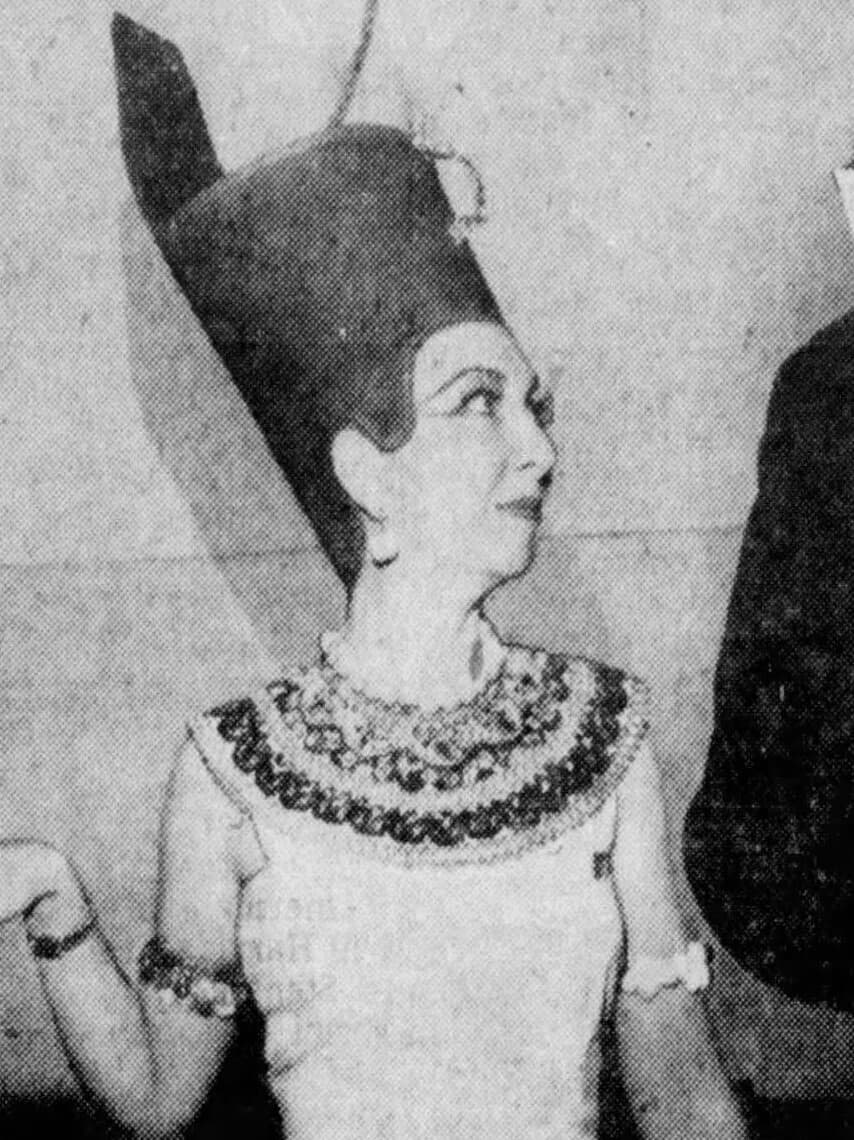
Eloise Jarvis McGraw was an American author known for her contributions to children's and young adult literature. Among her notable works are "The Golden Goblet," a historical novel set in ancient Egypt, and "The Moorchild," which explores themes of identity and belonging through a fantasy narrative. Her writing often blends adventure with rich historical and cultural contexts.
Similar books
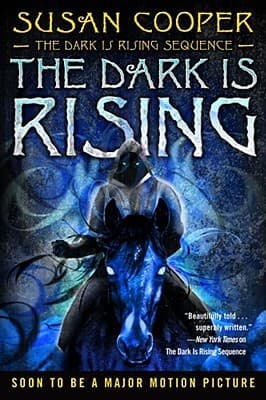
- The Dark Is Rising
Susan Cooper
4.1 (51k) average on GoodreadsFantasyExplores ancient magic, folklore, and a child discovering their unique destiny.
- A Wrinkle in Time
Madeleine L'Engle
4.0 (1.1M) average on GoodreadsFantasyFeatures a strong young female protagonist on a quest, dealing with being an outsider.
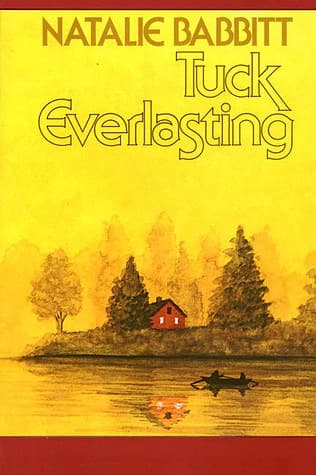
- Tuck Everlasting
Natalie Babbitt
3.9 (232k) average on GoodreadsFantasyDeals with themes of immortality, belonging, and difficult choices in a fantastical setting.
- Harry Potter and the Sorcerer's Stone
J.K. Rowling
4.5 (7M) average on GoodreadsFantasyRescued from a miserable life under the stairs, an orphaned boy discovers he's a wizard destined for a magical school, where he uncovers a dangerous secret tied to the dark wizard who murdered his parents.
- The Hunger Games
Suzanne Collins
4.3 (6.4M) average on GoodreadsFantasyIn a future where children fight to the death on live television, Katniss Everdeen volunteers for the arena, turning a death sentence into a fight for survival and a spark of rebellion.
- 1984
George Orwell
4.2 (3.1M) average on GoodreadsPoliticsIn a future where surveillance and thought control are absolute, a man's search for truth clashes with the Party, showing that hope can be a form of rebellion.




Enjoyed the summary?
A summary gives you the shape of the book. The book itself has the detail, the examples and the voice.
Find The Moorchild on AmazonAs an Amazon Associate, BookBrief earns from qualifying purchases. How we're funded